
Surviving the Holidays Without Losing Your Mind (or Your Immune System)
Welcome to the most wonderful—and occasionally most chaotic—time of the year! At McElwee Natural Hea...

Welcome to the most wonderful—and occasionally most chaotic—time of the year! At McElwee Natural Hea...

At McElwee Natural Health and Healing Center, we’re committed to empowering families with info...

In a groundbreaking announcement on September 22, 2025, President Donald Trump, flanked by Health an...

In a world where modern medicine often treats symptoms with pills and procedures, what if the key to...
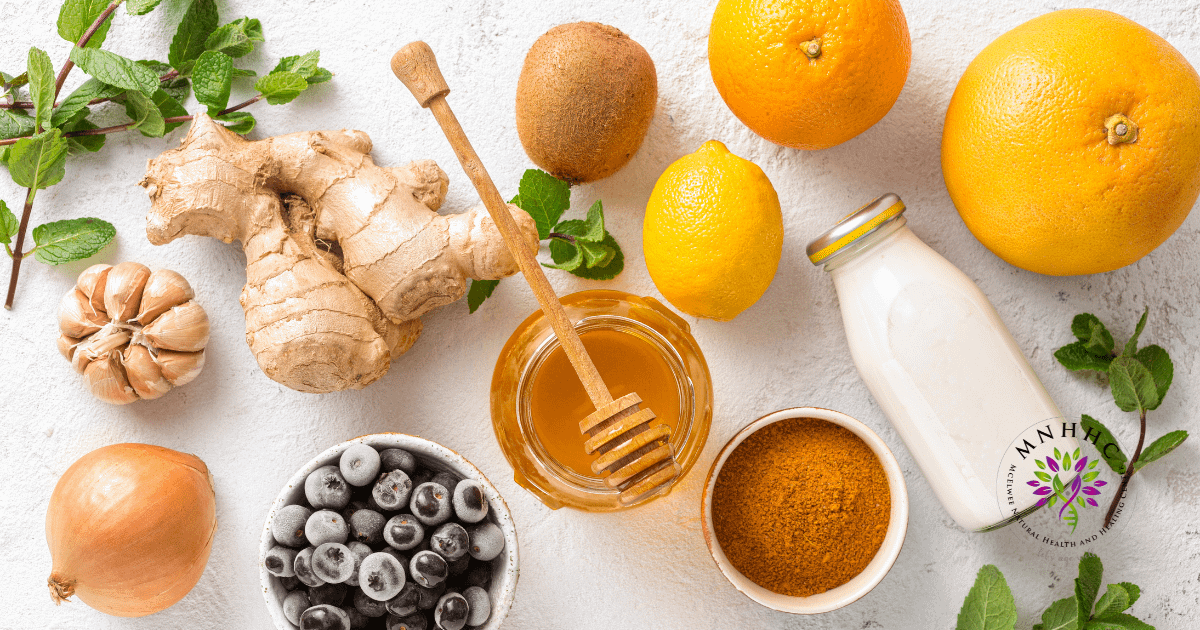
At McElwee Natural Health and Healing Center, we’re committed to empowering our community with knowl...

At McElwee Natural Health and Healing, our mission is to empower you to achieve vibrant health by ad...
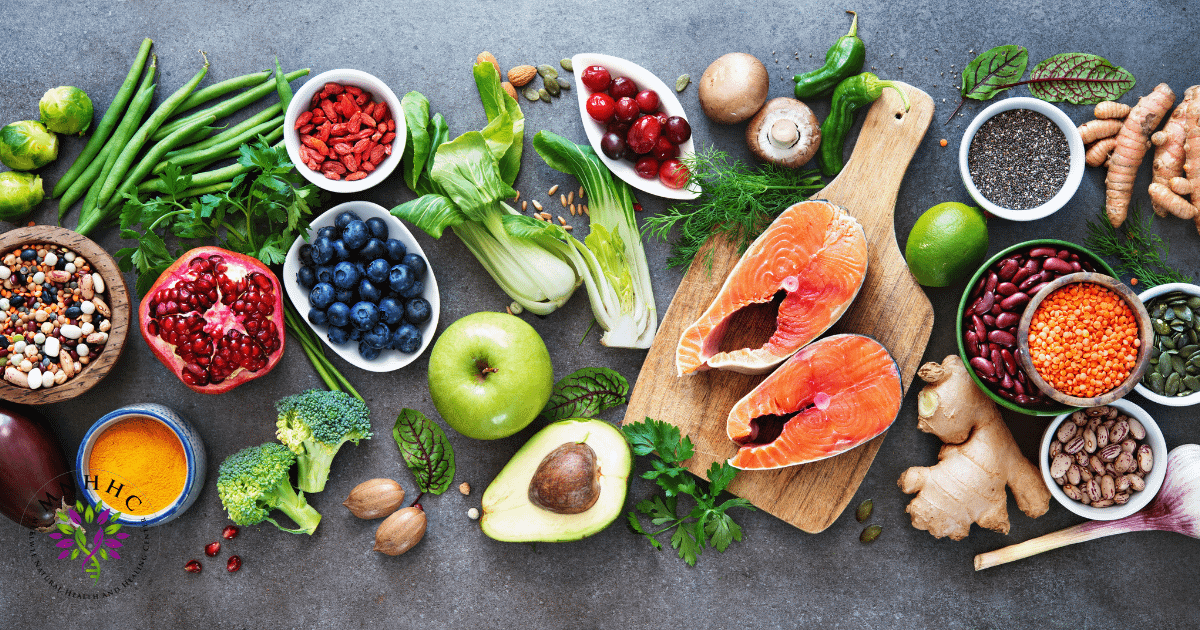
Ever wonder why you feel bloated, exhausted, or achy after certain meals? These could be your body’s...

Frozen shoulder, medically known as adhesive capsulitis, is a debilitating condition characterized b...
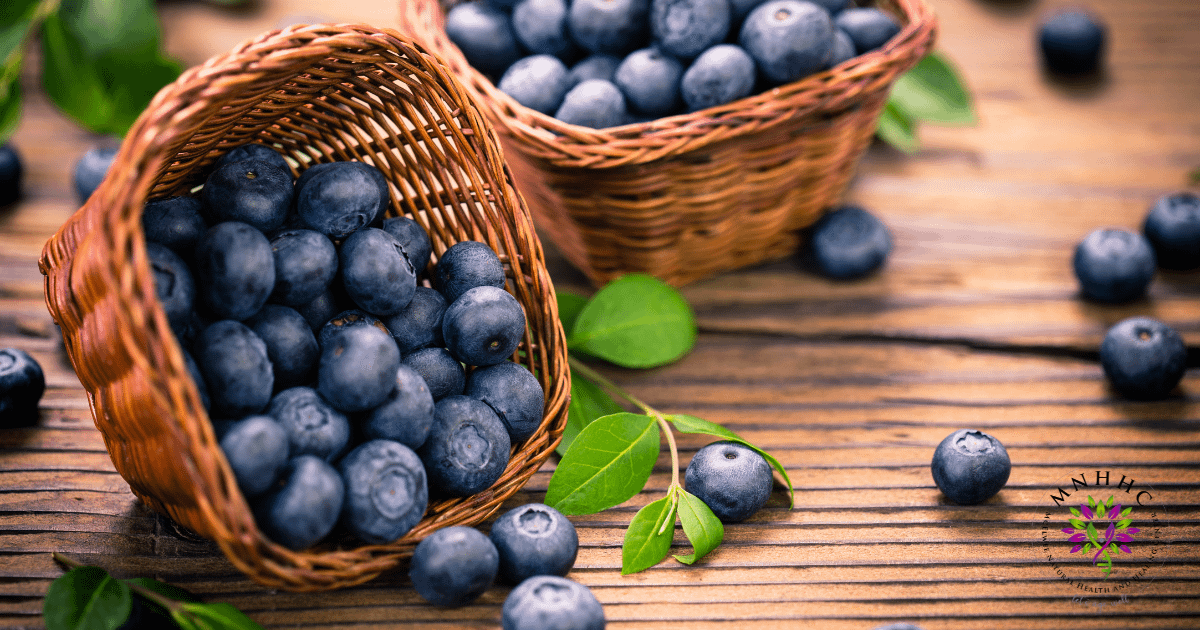
As summer heats up in Maryland, the fields are bursting with vibrant, local produce that can nourish...
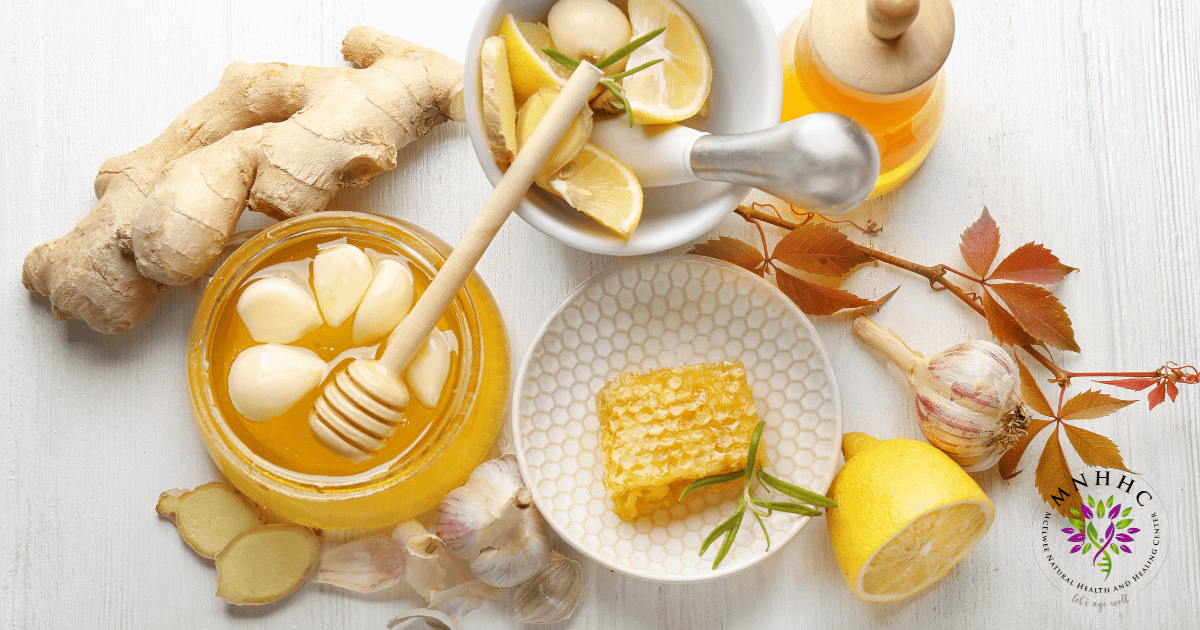
At McElwee Natural Health and Healing Center, we believe in empowering you to take charge of your we...

On May 27, 2025, U.S. Health and Human Services Secretary Robert F. Kennedy Jr. unveiled a groundbre...

Seasonal allergies plague many Maryland residents, with Harford County’s high pollen counts making s...
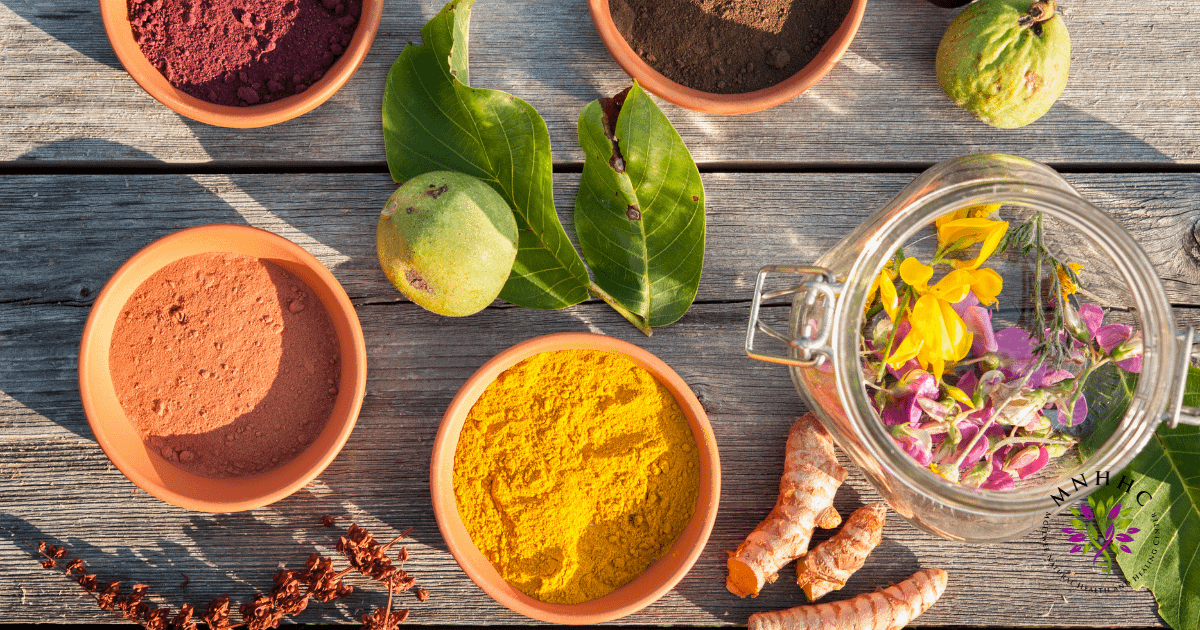
At McElwee Natural Health and Healing Center, we’ve long championed the power of natural, whole food...

When it comes to cooking, the tools you use are just as important as the ingredients you select. Coo...

This year we have seen a resurgence of measles, a highly contagious viral disease. Before the introd...

If you’re passionate about whole, natural foods and your health, genetically modified organisms (GMO...

We were thrilled to learn of Robert F. Kennedy Jr.’s confirmation as the new Secretary of Health and...

When your child is running a fever, it can be a worrying time for any parent. The decision of whethe...

Red Dye #3, or Erythrosine, is a synthetic red coloring used in various food and cosmetic products....

The “Make America Healthy Again” (MAHA) movement emerges at a crucial time when the Unit...

The holidays are a time of coming together to get caught up in the lives of loved ones, share fond m...

The thyroid gland, a small but crucial butterfly-shaped organ in the neck, regulates a myriad of bod...

Maintaining good health relies on essential vitamins and minerals like vitamin C, calcium, and iron....
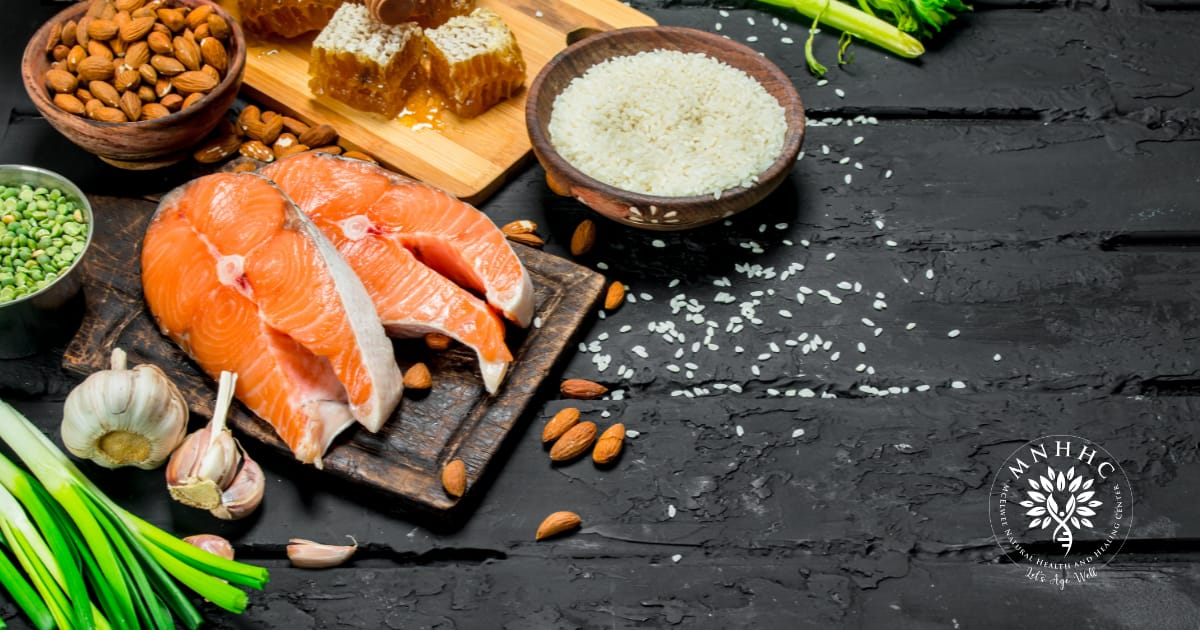
When we think about the essential nutrients contributing to our overall health, our minds often grav...

When we think about essential nutrients for our bodies, we often focus on vitamins and minerals like...
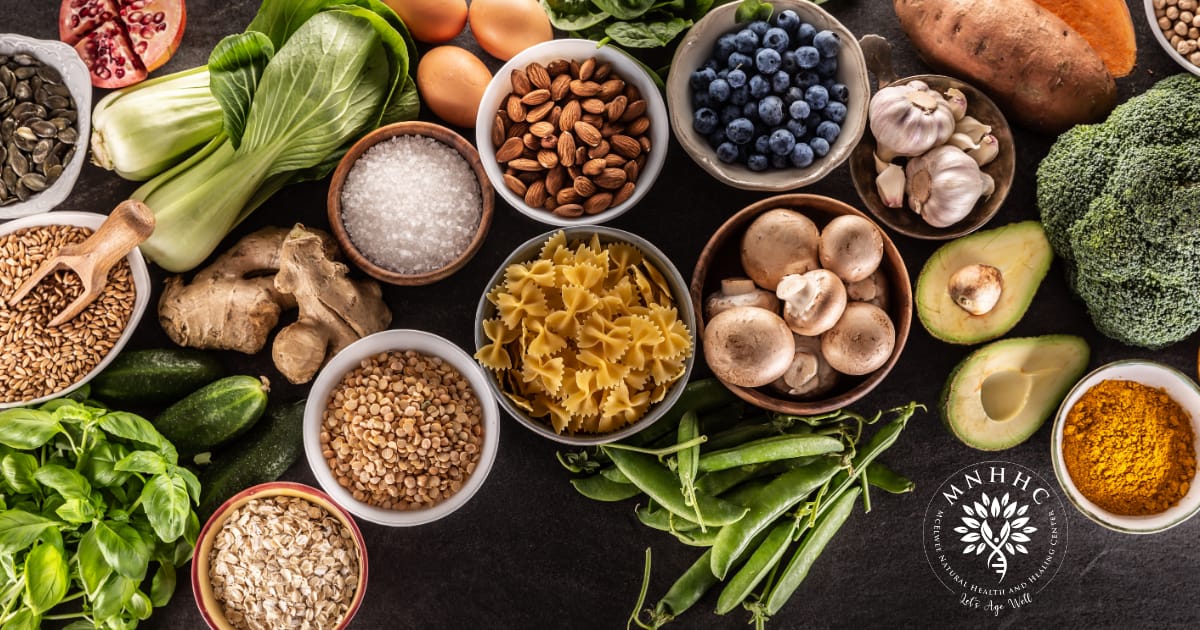
When it comes to essential minerals for our health, manganese often takes a backseat to more popular...
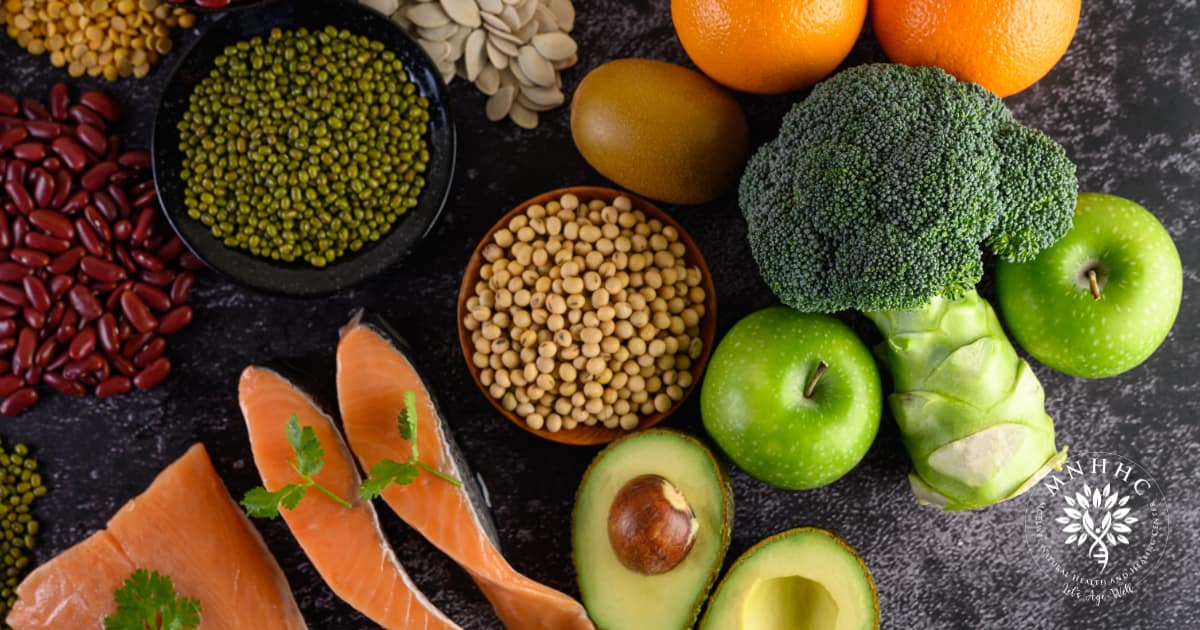
Zinc is a mineral that is crucial in maintaining overall health and well-being. While often overlook...

Many people overlook the importance of iodine in their diet when it comes to maintaining optimal hea...
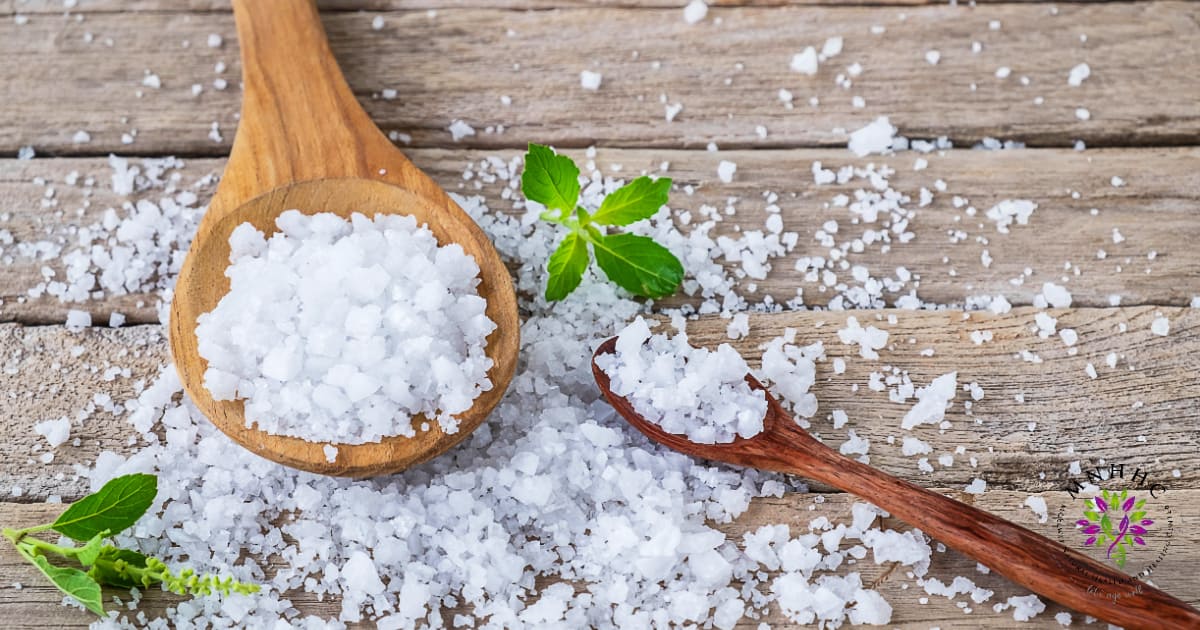
Understanding the role of sodium in our bodies is crucial to maintaining optimal health. Sodium play...
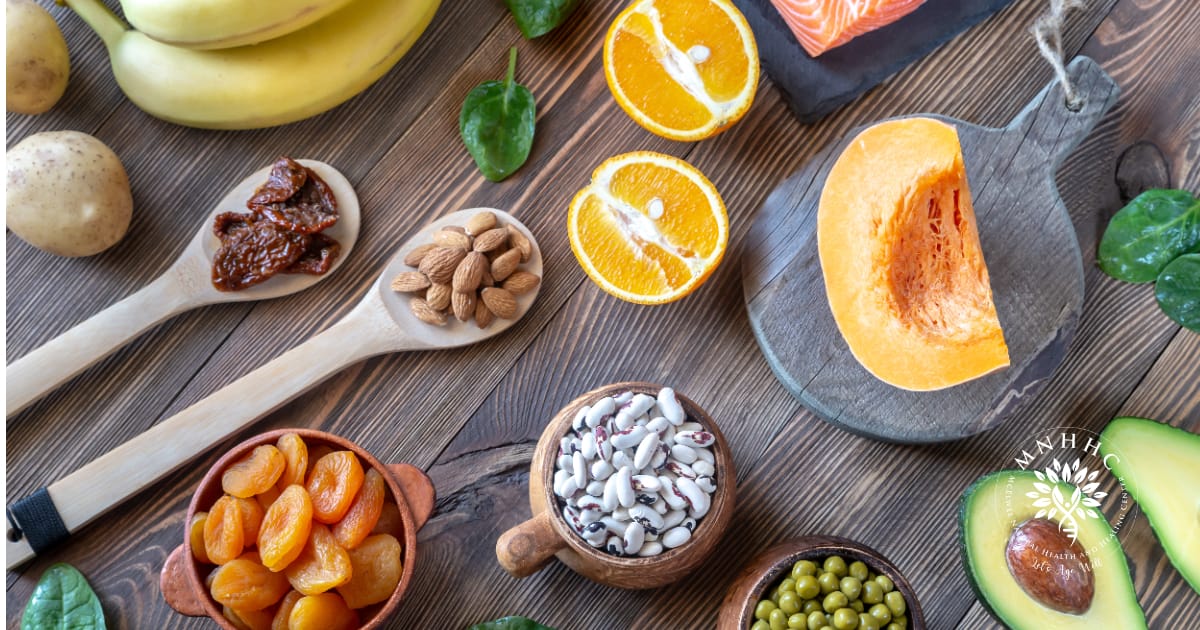
When we think about essential nutrients for our body, we often hear about the importance of vitamins...

From energy production to cell growth, phosphorus is a vital mineral that is crucial for various fun...
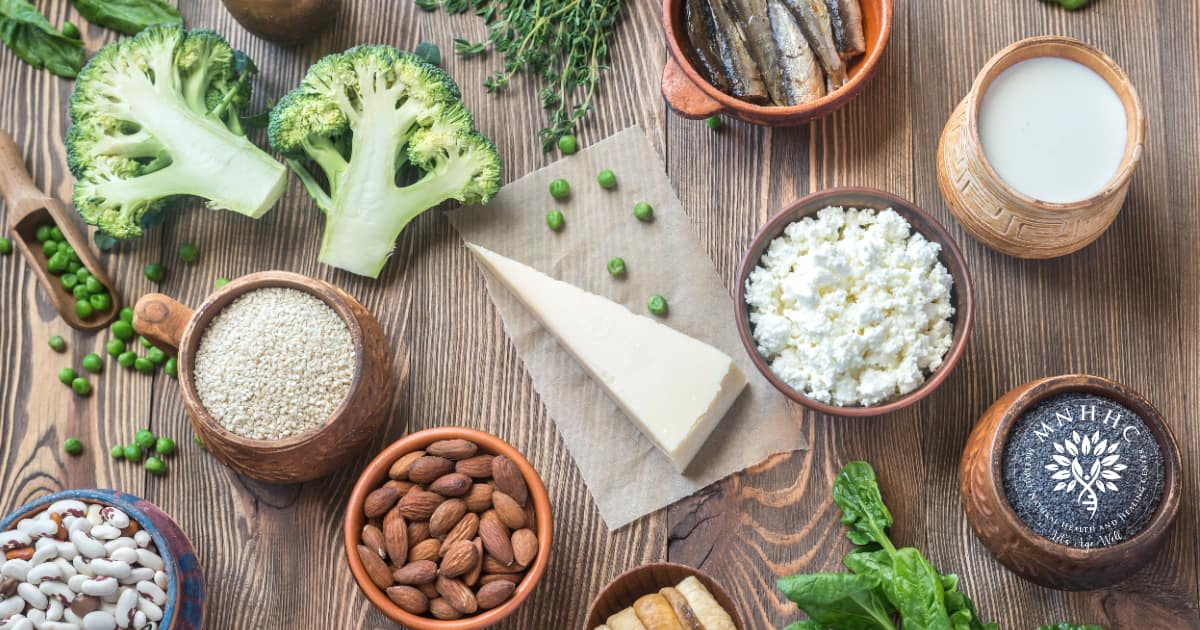
Calcium is an essential mineral that plays a vital role in various body functions. From strong bones...
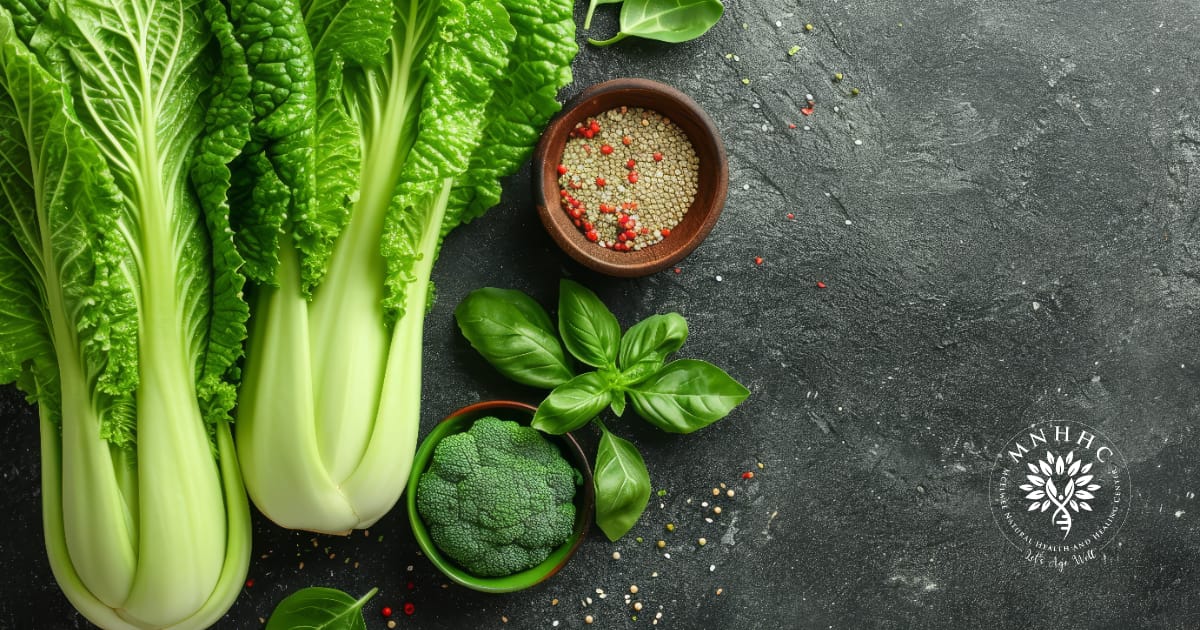
When it comes to maintaining good health, most people are familiar with the importance of vitamins l...
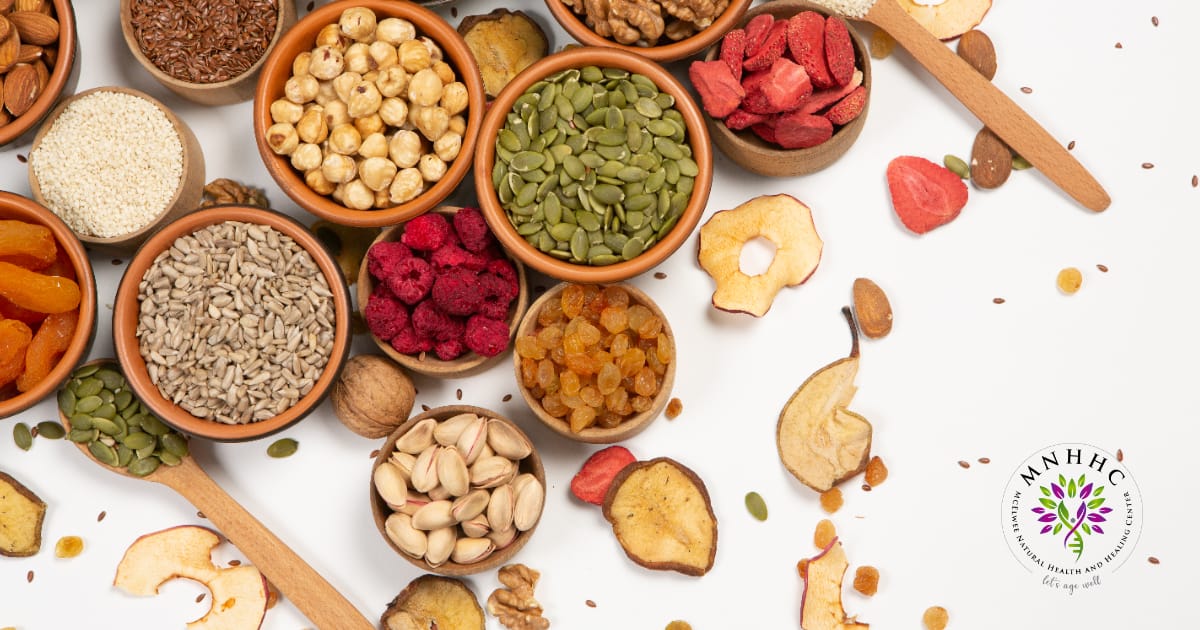
Many of us are familiar with the many essential vitamins in our diet. Still, one that often gets ove...

Have you ever noticed how a sunny day can instantly boost your mood? Well, that’s not just a c...
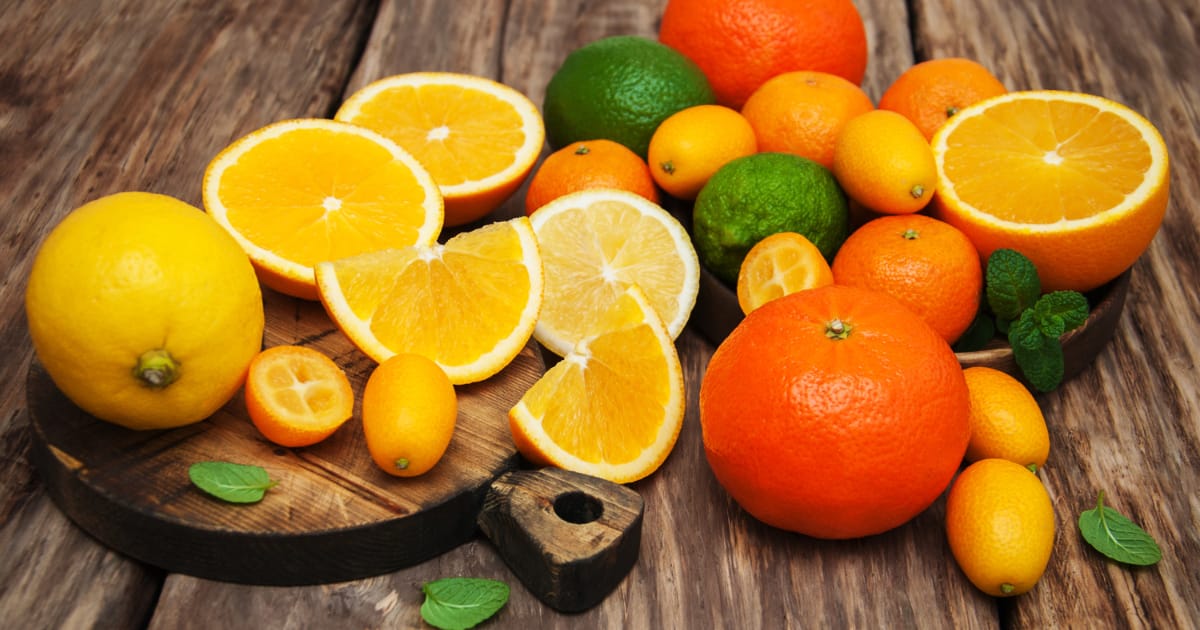
Vitamin C stands out as the go to vitamin for maintaining optimal healt. This essential vitamin, als...

B vitamins play a crucial role in maintaining optimal health. These essential nutrients are water-so...
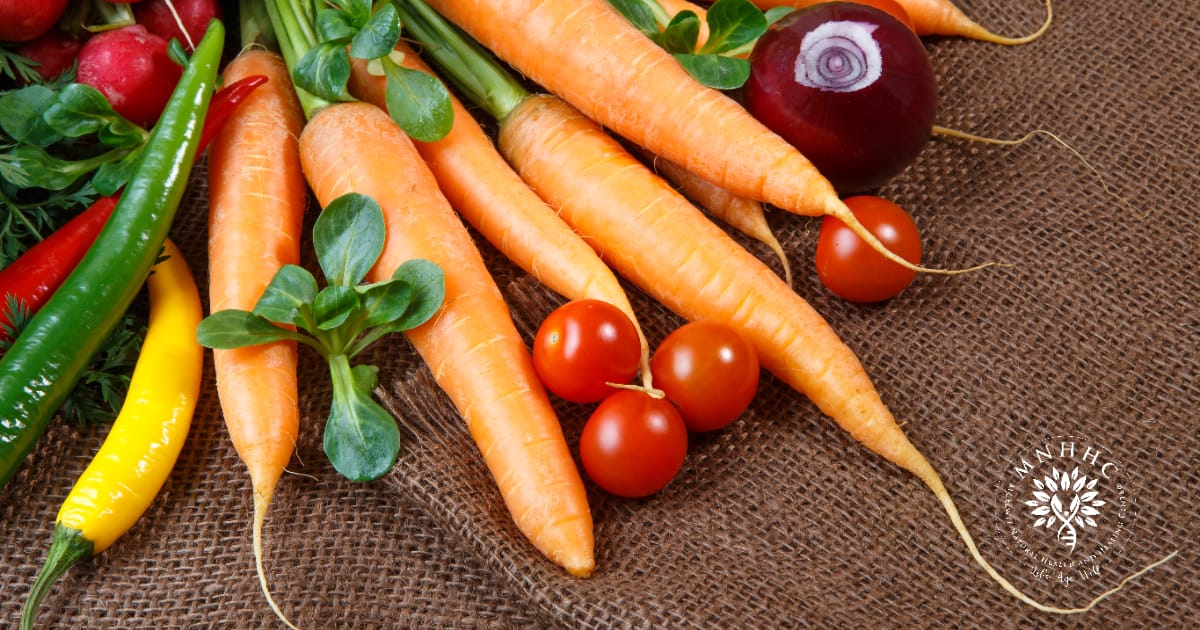
Vitamin A is an essential vitamin that is vital for various bodily functions. We often hear about th...
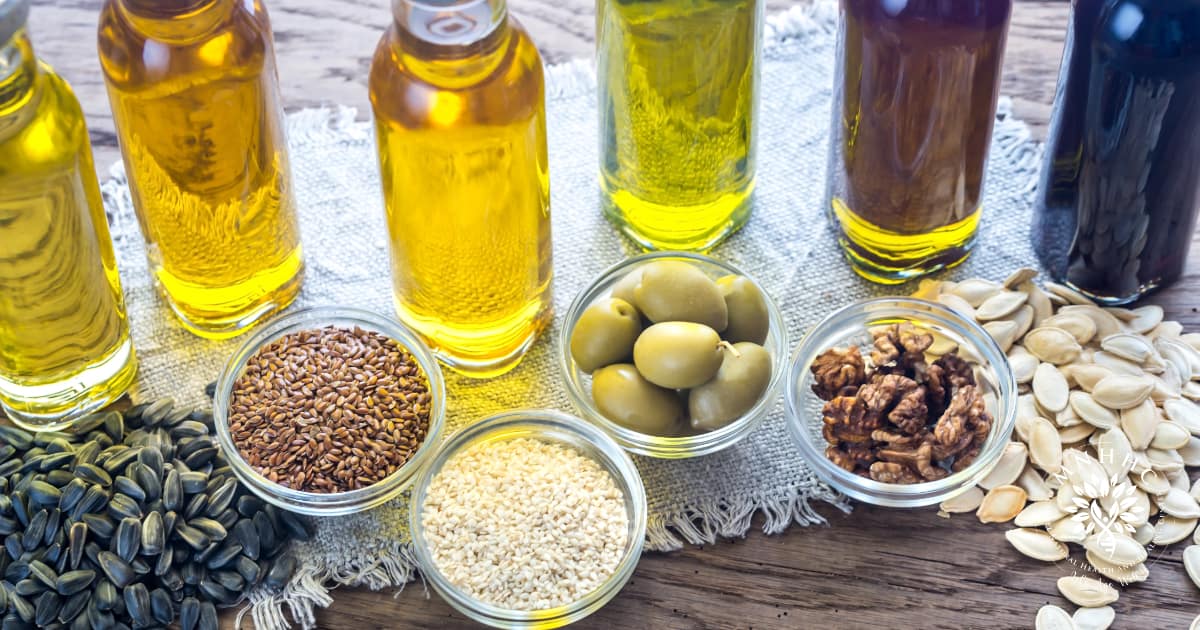
In today’s health-conscious world, many people are becoming more aware of the impact of their...

Imagine biting into a juicy, ripe tomato only to find that it lacks vibrant flavor and essential nut...

When you pick up a packaged food item from the grocery store shelf, chances are you’ll see the term...
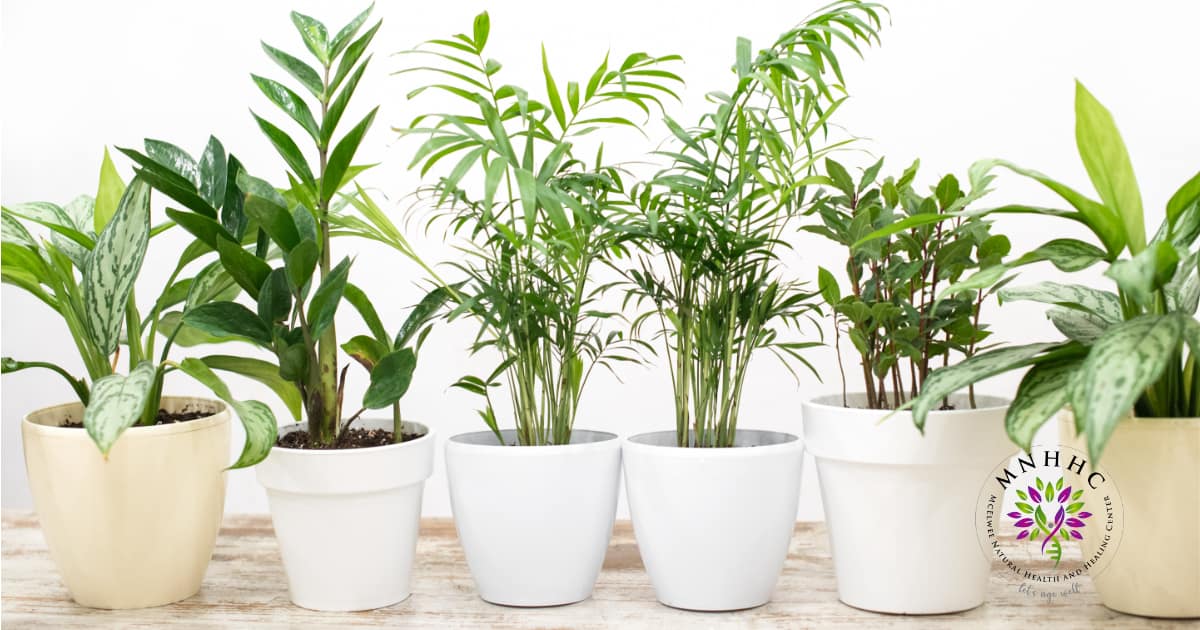
Houseplants are not only a beautiful addition to your home decor, but they also offer numerous healt...

Feeling tired all the time is a common complaint among many people today. It can be a frustrating an...

Our bodies are constantly bombarded with toxins from the environment, food, and even the products we...

As our Dads age, it becomes increasingly important to prioritize their health and well-being. From e...

As a holistic health practice, McElwee Natural Health and Healing is dedicated to enhancing overall...

Electromagnetic fields (EMFs) are invisible lines of force that surround electronic devices and powe...

Are you seeking a natural method to enhance your overall wellness? Discover the PEMF mat at McElwee...

At McElwee Natural Health and Healing, we believe proper health is about more than just the absence...

Imagine stepping outside your home on a bright morning, the birds chirping, the sun shining, and the...

At McElwee Natural Health and Healing, we believe proper health is about more than just the absence of disease. It’s about optimizing your body’s natural ability to heal and thrive. That’s why we offer services designed to help you achieve optimal wellness. One such service that we are particularly excited about is the Heart Rate Variability (HRV) test. This simple yet powerful test can provide valuable insights into your overall health and well-being, helping you take control of your health journey.
The HRV test offers a glimpse into the intricate dance of your autonomic nervous system, which regulates everything from your heart rate to your digestion to your stress response. When the autonomic nervous system is functioning correctly, the HRV will show a healthy level of variability. However, if the autonomic nervous system is blocked or switched, the HRV will show a decrease in variability and indicate a potential issue. By analyzing the subtle variations in your heart rate, the HRV test can provide valuable information about your body’s resilience, adaptability, and overall health.
So, why is the HRV test so important? What exactly does it show, and how can it help you on your journey to optimal health? Let’s explore the significance of HRV, its implications, and how it can empower you to take charge of your health in a whole new way.
Heart rate variability measures the variations in time intervals between heartbeats, which reflects the balance and function of your autonomic nervous system. While most people think of a steady heart rate as a sign of good health, the truth is that a healthy heart rate is not always perfectly regular. A certain amount of variability in your heart rate is a good thing – it indicates that your body can adapt to changing circumstances, such as stress, exercise, or even just the normal ups and downs of daily life.
When your autonomic nervous system is balanced, your heart rate will show healthy variability, with smooth transitions between beats. However, when your body is under stress or struggling to cope with various challenges, the autonomic nervous system can be disrupted, decreasing heart rate variability. This can signify underlying health issues, such as chronic stress, inflammation, or hormonal imbalances, which can profoundly impact your overall well-being.
By measuring your heart rate variability, the HRV test can provide valuable insights into the state of your autonomic nervous system, giving you a window into your body’s ability to adapt, recover, and thrive. With this information, you can work with our team of experts to develop a personalized wellness plan that addresses any imbalances or weaknesses, helping you optimize your health and vitality from the inside out.
So, what exactly can the HRV test show, and why is it so important for your health? One key benefit of HRV testing is its ability to detect subtle changes in your body’s stress response long before they manifest as physical symptoms or health issues. By identifying these early warning signs, you can proactively address underlying imbalances and prevent more severe health issues.
Additionally, the HRV test can provide valuable insights into the effectiveness of your current health protocols, such as diet, exercise, and stress management techniques. By tracking changes in your heart rate variability over time, you can see how well your body is responding to these interventions, allowing you to make informed decisions about your health and wellness strategies.
The science behind HRV testing is based on the understanding that our heart rate varies – a phenomenon regulated by the autonomic nervous system, divided into the sympathetic and parasympathetic nervous systems. These control our body’s ‘fight or flight’ and ‘rest and digest’ responses.
HRV testing measures these subtle changes in the heart’s beat-to-beat intervals, giving a unique window into the body’s stress levels, resilience, and overall health.
HRV testing is more than just a test. It’s a tool that provides quantifiable data about your body’s physiological state, helping to tailor your wellness plan to your unique needs. By understanding your HRV, you can make informed adjustments to your lifestyle to better support your body’s natural healing processes.
Furthermore, regular HRV tests can help identify trends or changes in your physiological state, allowing you to assess the effectiveness of your wellness strategies and make necessary adjustments.
The HRV test is a powerful tool for optimizing your health and well-being, empowering you with the knowledge and insights you need to take control of your health journey. Contact McElwee Natural Health and Healing to schedule your HRV screening.

Imagine stepping outside your home on a bright morning, the birds chirping, the sun shining, and the fresh scent of earth wafting through the air. You walk over to your backyard, where rows of vibrant green plants are thriving, ready to be harvested and enjoyed. This idyllic scene is not just a dream but a reality that can be yours when you start a home garden. Beyond the beauty and convenience of having your own garden, there are numerous reasons why cultivating your own fruits, vegetables, herbs, and flowers can benefit your health.
It is essential to nourish the body, mind, and spirit. Starting a home garden is a powerful way to connect with the earth, promote sustainability, and enhance overall well-being. Today, we will explore the reasons why starting a home garden is beneficial for not only your health but also the health of the planet. And if the thought of rows of plantings makes you a bit nervous, have no fear. We have a solution for you!
One key reason for starting a home garden is to combat soil degradation caused by the use of chemical fertilizers. Industrial agriculture relies heavily on synthetic fertilizers to boost crop yields, leading to nutrient depletion in the soil over time. This depletion affects the quality of the produce grown. It contributes to the loss of biodiversity and the disruption of natural ecosystems.
By starting your own home garden and using organic methods to enrich the soil, you can help reverse the effects of soil degradation. Organic fertilizers such as compost, manure, and worm castings are rich in essential nutrients and beneficial microorganisms that nourish the soil and support plant growth. By cultivating a healthy soil ecosystem in your garden, you are growing nutritious food for yourself and playing a role in preserving the earth’s health.
Furthermore, organic gardening practices promote soil biodiversity and reduce the reliance on fossil fuel-based inputs, making your garden more sustainable and environmentally friendly. By choosing to grow your own food using natural fertilizers, you are contributing to the regeneration of the soil and promoting a healthier planet for future generations.
In addition to soil degradation, using chemical pesticides in conventional agriculture poses a significant risk to human health and the environment. Pesticides contain toxic chemicals that can contaminate the air, water, and soil, harming wildlife and ecosystems. These chemicals can also accumulate in the food chain and threaten human health, increasing the risk of chronic diseases and environmental pollution.
By starting a home garden and adopting organic pest control methods, you can avoid the risks associated with chemical pesticides and protect your health and the environment. Organic gardening techniques such as companion planting, crop rotation, and natural predators help manage pests without harmful chemicals. These methods safeguard your plants’ health and promote a balanced ecosystem in your garden, where beneficial insects thrive, and pests are kept in check naturally.
Opting to cultivate your own food organically, free from chemical pesticides, guarantees the integrity and quality of your produce and aids in maintaining biodiversity and safeguarding pollinators like bees and butterflies. Establishing a sanctuary free of pesticides in your backyard promotes a wholesome habitat for advantageous insects and wildlife to flourish and simultaneously decreases your contact with detrimental chemicals.
One of the most rewarding aspects of starting a home garden is enjoying fresh, nutrient-rich produce from your backyard. Store-bought fruits and vegetables often travel long distances before reaching consumers, losing their nutritional value and freshness. By growing your own food, you can harvest it at the peak of ripeness, ensuring maximum flavor and nutrient content.
Produce grown at home isn’t just fresher and more flavorful; it’s also packed with more nutrients because it’s harvested at peak ripeness and consumed shortly after that. Fruits and vegetables that fully mature on the plant boast higher concentrations of vitamins, minerals, and antioxidants than their counterparts harvested too early and shipped over great distances. By consuming food fresh from your garden, you’re fueling your body with top-tier nutrients, bolstering your overall health and wellness.
Furthermore, growing your own food allows you to choose heirloom and organic varieties not commonly found in supermarkets, expanding your culinary horizons and providing diverse flavors and nutrients. By cultivating a wide variety of fruits, vegetables, and herbs in your garden, you can enjoy a seasonally diverse and nutritionally rich diet tailored to your preferences and health goals.
Beyond the physical health benefits of starting a home garden, cultivating your own plants can also provide mental and emotional advantages. Gardening has been shown to reduce stress, promote relaxation, and improve mental well-being by connecting individuals with nature and providing a sense of purpose and accomplishment. Tending to plants, observing their growth, and harvesting the fruits of your labor can be deeply satisfying and therapeutic.
Spending time in the garden allows you to disconnect from the stresses of daily life, practice mindfulness, and cultivate a sense of calm and tranquility. The garden’s sights, sounds, and scents create a sensory experience that soothes the mind and uplifts the spirit, promoting a sense of grounding and connection to the natural world. Whether digging in the soil, planting seeds, or harvesting produce, each moment spent in the garden offers an opportunity for reflection, rejuvenation, and self-care.
By incorporating gardening into your holistic health practice, you can harness the therapeutic benefits of nature, promote mental well-being, and enhance your overall quality of life.
Gardening provides:
Whether you have a green thumb or are new to gardening, starting a home garden can be a transformative and enriching experience that nourishes your body, mind, and spirit.
So, if you are new to all this and think you don’t have the greenest thumbs, don’t be intimidated. Save the garden plot for next year (after that garden bug has bitten you). Here is how to get started.
Locate a local plant farm. It’s best to find one that sells non-GMO plants. Depending on your location, this may be a bit of a challenge. If you have trouble, you can plant non-GMO seeds directly in the soil.
Once you have your plant or seeds, research how to grow your plant. You will need to know how far apart to plant for spacing (or how big your pot needs to be), how deep to plant, what kind of soil the plant prefers, its sunlight preference, and water requirements. A simple Google search will give you everything you need.
Now that you know the particulars, it’s time to choose your pot, grab your organic soil, and get planting. Starting with one plant in a pot is a good way to avoid feeling overwhelmed. Take this time to learn what the growth process looks like. Learn how to spot pests or diseases that may creep in and how to deal with them. Most importantly, enjoy watching over your plant.
When your plant looks ready to eat, harvest and enjoy!
We hope you take a step toward growing your own food this planting season. If you still find gardening is not your thing, we hope you can locate a good source of organic, non-GMO fruits and vegetables, ideally from local sources. If you need any help, contact us!

For hundreds of years, diverse cultures have harnessed essential oils’ healing and therapeutic benefits. These potent extracts, derived from plant parts like flowers, roots, and leaves, are celebrated for their aromatic and therapeutic properties. In holistic health, they are treasured for their capability to bolster physical, emotional, and spiritual wellness. Let us explore the advantages of integrating essential oils into your regimen and discover how they can augment your holistic health adventure.
One of the essential oils’ key benefits is their ability to promote relaxation and reduce stress. Oils like lavender, chamomile, and bergamot have calming properties that can help alleviate anxiety and improve sleep quality. Inhaling the scent of these oils or using them in a diffuser can create a peaceful atmosphere and promote a sense of well-being.
Essential oils are also valued for their anti-inflammatory and antibacterial properties. Oils like tea tree, eucalyptus, and peppermint have been used to support the immune system and relieve symptoms of respiratory conditions like coughs and congestion. When used topically or inhaled, these oils can help to clear the sinuses and promote respiratory health.
Furthermore, aromatherapy often uses essential oils to enhance mood and uplift the spirit. Oils like citrus, peppermint, and rosemary are known for their refreshing and energizing effects. By diffusing these oils or using them in a massage blend, you can boost your mood and increase mental clarity and focus.
Lavender is known for its calming and relaxing properties, which can help reduce stress and promote restful sleep. Lavender essential oil can be diffused in a room to encourage a sense of tranquility and reduce stress levels. Additionally, lavender can be added to bath water to create a soothing and peaceful relaxing environment.
Peppermint offers numerous benefits, including its ability to alleviate digestive issues such as gas, bloating, and indigestion. The menthol in peppermint can help relax the muscles in the digestive tract, reducing discomfort and promoting healthy digestion. Additionally, peppermint is known for its cooling and calming effects, making it a popular choice for relieving headaches and migraines. The refreshing scent of peppermint can also help improve focus and concentration, making it an excellent choice for studying or working. Overall, peppermint is a versatile herb with a wide range of benefits for physical and mental well-being.
Tea tree oil has numerous benefits for the skin, including its natural antimicrobial properties, which can help fight acne-causing bacteria and reduce inflammation. Its antifungal properties also make it effective in treating conditions such as athlete’s foot and nail fungus.
Additionally, tea tree oil can be used as a natural remedy for dandruff, as it helps to soothe and moisturize the scalp while combating the fungus that can cause flaking.
Lemons are a rich vitamin C source that helps boost the immune system and fight off infections. In addition, lemon water can aid digestion by stimulating bile from the liver. The citric acid in lemons can also help prevent kidney stones by increasing urine production and preventing the formation of crystals. Furthermore, the fresh scent of lemons has been shown to improve mood and reduce stress levels.
Frankincense has been used for centuries in traditional medicine for its numerous benefits, including its anti-inflammatory properties. Studies have shown that the compounds found in frankincense can help reduce inflammation, making it a popular remedy for conditions such as arthritis and asthma.
Additionally, frankincense has been found to have antibacterial and antifungal properties, making it a valuable tool in fighting off infections. Its soothing aroma is also believed to have calming effects on the mind, making it a popular choice for aromatherapy and stress relief.
Furthermore, frankincense has been linked to potential benefits for skin health, as it may help reduce the appearance of scars and stretch marks. Its ability to promote cell regeneration can also contribute to a more youthful and radiant complexion.
Chamomile is known for its calming properties, making it an effective remedy for anxiety and sleep disorders. The soothing effects of chamomile can help reduce stress and promote, leading to improved sleep quality. Additionally, chamomile has anti-inflammatory properties that can help with skin conditions such as eczema and acne. The gentle nature of chamomile also makes it suitable for relieving digestive issues like bloating and indigestion.
Eucalyptus oil is great for respiratory health and can help relieve congestion and coughs. It can be added to a humidifier or diffuser to clear nasal passages and promote easier breathing. Additionally, eucalyptus leaves can be brewed into tea to soothe sore throats and reduce inflammation in the respiratory tract.
Rosemary has numerous benefits, such as aiding digestion by stimulating the bile, which breaks down fats in the body. Additionally, rosemary contains antioxidants that can help protect the body from free damage, reducing the risk of chronic diseases. The herb has anti-inflammatory properties that can help reduce inflammation, potentially easing pain and swelling. Furthermore, rosemary has been shown to improve memory and concentration, making it a popular choice for students and those looking to boost cognitive function.
Bergamot oil is uplifting and can help reduce stress and anxiety and promote emotional balance. Bergamot essential oil can be diffused or applied topically to promote relaxation and improve mood. In addition, bergamot is known for its potential to lower cholesterol levels and improve heart health by reducing inflammation and promoting healthy blood flow. Incorporating bergamot into your daily routine can have a positive impact on both your mental and physical well-being.
Ylang ylang oil has numerous benefits for physical and emotional well-being. Its calming properties make it a popular choice for aromatherapy to reduce stress and anxiety. In addition, ylang ylang is known to have aphrodisiac qualities, making it a popular choice for romantic settings. The essential oil of ylang ylang can also promote healthy skin and hair, making it a versatile ingredient in beauty products.
Some potential health benefits of oregano essential oil include its antimicrobial properties, which can help fight off harmful bacteria and viruses in the body. Oregano oil is also believed to have anti-inflammatory properties that may help reduce inflammation and pain. Additionally, it is thought to have antioxidant effects that can protect cells from damage caused by free radicals. Some people use oregano oil to help with digestive issues like bloating and indigestion and support the immune system. It is important to note that more research is needed to understand the potential health benefits of oregano essential oil fully.
The health advantages of clove essential oil are impressive. Its potent antibacterial attributes play a role in preventing various infections and provide a natural shield for the body against harmful bacteria. Furthermore, clove essential oil is known for its powerful anti-inflammatory properties. These properties can alleviate pain and decrease inflammation, making it a natural alternative for over-the-counter pain relievers. In addition, the antioxidant capabilities of this oil are noteworthy. Antioxidants are essential in the fight against free radicals – unstable molecules that can cause damage to cells in our body. The antioxidant properties of clove essential oil could help protect our cells from such damage, promoting overall health and well-being. These valuable properties make clove essential oil a beneficial addition to any holistic health regimen.
When using essential oils topically the oil must be diluted into a carrier oil to prevent skin irritation. Carrier oils like coconut, jojoba, and sweet almond oil are commonly used to dilute essential oils and help them absorb into the skin. To create a massage blend or skin treatment, mix a few drops of essential oil with a tablespoon of carrier oil and apply to the skin. This method allows you to enjoy the benefits of essential oils safely and effectively.
Another popular way to use essential oils is in a diffuser. Adding a few drops of oil to a diffuser with water allows you to fill your space with the aroma of the oil and enjoy its therapeutic benefits. Whether you’re looking to relax, boost your mood, or support your immune system, diffusing essential oils is a simple and effective way to incorporate them into your daily routine.
Essential oils are versatile and natural to enhance your holistic health practice. From promoting relaxation and reducing stress to supporting physical health and emotional well-being, the benefits of essential oils are vast. By incorporating these potent plant extracts into your daily routine, you can experience the transformative effects of aromatherapy and improve your overall quality of life. Contact us today to see which oils work best for you!

Most of us know how crucial it is to feed your body with healthy and nutritious foods that provide your body with the energy and nutrients it needs to function correctly. Eating wholesome foods can help you maintain good health, prevent diseases, and improve your overall well-being. But what about what we are drinking? Soda (even sugar free) and other sugary drinks can wreak havoc on your health. Weight gain, increased risk of chronic diseases, dental problems, and gout are just a few of the effects of sugary drinks. But fear not; plenty of delicious and nutritious alternatives can satisfy your taste buds while promoting well-being. Today, we will explore the benefits of substituting soda with water and teas.
Water is the ultimate elixir for hydration and overall health. Not only does it quench your thirst, but it also helps flush out toxins, regulate body temperature, and support digestion. By replacing soda with water, you can reduce sugar intake, improve your skin’s complexion, and boost your energy levels. Remember to carry a reusable water bottle wherever you go, ensuring you stay hydrated throughout the day.
Furthermore, water is calorie-free and can aid in weight management by promoting a feeling of fullness. It is also essential for proper kidney function and can prevent dehydration, leading to headaches, fatigue, and mood swings. By prioritizing water consumption, you are taking a proactive step toward enhancing your overall well-being.
Moreover, water is essential for maintaining a healthy metabolism and supporting the body’s natural detoxification processes. Staying properly hydrated can optimize your physical performance, mental clarity, and immune function.
For those who enjoy flavored water, be mindful of flavor packets. Flavor packets often contain chemicals that affect our bodies in a negative way. Instead try adding fresh fruit like lemons and oranges or a sprig of mint.
Tea is a comforting and soothing beverage with a powerhouse of health benefits. From green tea to herbal blends, there is a tea for every taste preference and wellness goal. By incorporating tea into your daily routine, you can enjoy antioxidant protection, improved digestion, and enhanced relaxation. Let’s explore some teas and their specific health benefits.
Green tea is renowned for its high concentration of antioxidants, particularly catechins, which have been linked to numerous health benefits. These antioxidants can help reduce inflammation, protect against chronic diseases, and support heart health. Drinking green tea regularly can boost your metabolism, enhance brain function, and promote weight loss. Additionally, green tea contains L-theanine, an amino acid that can improve focus, concentration, and relaxation.
Chamomile tea is a popular herbal remedy known for its calming and soothing properties. It can help reduce stress, anxiety, and insomnia, promoting relaxation and better sleep. Chamomile tea also has anti-inflammatory and antioxidant properties, making it beneficial for digestion, skin health, and immune support. Enjoy a cup of chamomile tea before bedtime to unwind and ease your mind after a long day.
Peppermint tea is refreshing and invigorating, making it a perfect pick-me-up throughout the day. It can aid digestion, relieve bloating and indigestion, and soothe stomach discomfort. Peppermint tea also has antimicrobial properties, helping to support oral health and alleviate symptoms of colds and allergies. With its cooling menthol flavor, peppermint tea is a delightful and healthful alternative to sugary drinks.
Hibiscus tea is a vibrant and tangy brew rich in vitamin C, antioxidants, and minerals. It can help lower blood pressure, reduce cholesterol levels, and improve heart health. Hibiscus tea is also known for its diuretic properties, promoting kidney function and detoxification. Enjoy hibiscus tea hot or cold, and reap this crimson-colored elixir’s refreshing and revitalizing benefits.
Ginger tea is a warming and spicy beverage that can aid digestion, reduce inflammation, and relieve nausea. It contains bioactive compounds like gingerol, which have potent anti-inflammatory and antioxidant effects. Ginger tea can also support immune function, alleviate muscle soreness, and promote well-being. Sip a cup of ginger tea to soothe your stomach and invigorate your senses, making it a delightful alternative to sugary sodas.
Remember, hydration is vital to feeling your best and thriving in your holistic health journey. By incorporating water and teas into your life, you can enjoy a variety of flavors and health benefits while reducing your consumption of sugary drinks. Embrace the nourishing power of water and tea, and let your well-being flourish from the inside out. Not sure if a drink is good for your body? Give us a call for a quick product check!

Imagine waking up in the morning feeling energized, your body ready to take on the day. You have a clear mind, a robust immune system, and a radiant glow on your skin. This is the power of holistic health, where we focus on nourishing our bodies from the inside out. One way to achieve this is by incorporating superfoods into our diet. Superfoods contain crucial nutrients, antioxidants, and other advantageous compounds that can enhance our overall health and wellness. Today we will explore the benefits of 10 different superfoods, emphasizing their holistic and natural properties. Let’s dive in and discover the incredible benefits of these nutritional powerhouses!
Kale, the king of leafy greens, is a true nutritional powerhouse. Packed with vitamins A, C, and K and minerals like calcium and iron, kale provides many health benefits. Firstly, its high antioxidant content helps protect our cells from oxidative stress, reducing the risk of chronic diseases. Additionally, kale is rich in fiber, which aids digestion and promotes a healthy gut. Incorporating kale into your diet can support your body’s natural detoxification processes, improving overall well-being.
Kale also positively impacts our mental well-being. Its high magnesium content helps regulate neurotransmitters in the brain, promoting a calm and focused mind. Moreover, kale is a natural source of folate, a B vitamin essential for mood regulation. You can nourish your body and mind by including kale in your meals, paving the way for holistic health.
Blending it into a delicious smoothie is a straightforward way to enjoy kale. Combine a handful of kale leaves, a ripe banana, a splash of almond milk, and a tablespoon of nut butter for a nutritious and refreshing treat. You’ll be amazed at how this humble leafy green can transform your well-being.
When it comes to superfoods, blueberries earn a spot on the list. Blueberries pack a ton of nutrients in such a small fruit. Blueberries are packed with antioxidants called anthocyanins, which are linked to numerous health benefits. Their powerful antioxidants help fight inflammation, reducing the risk of chronic diseases such as heart disease and cancer. Fiber-rich blueberries also support healthy digestion and a feeling of fullness.
Additionally, these little superfoods are also known for their brain-boosting properties. Studies have shown that the antioxidants in blueberries can improve memory and cognitive function, making them a perfect snack for students or anyone looking to stay mentally sharp. Furthermore, blueberries contain natural compounds that promote the growth of new neurons in the brain, protecting against age-related decline.
One delightful way to enjoy the goodness of blueberries is by adding them to your morning oatmeal. Cook a serving of oats with water or your favorite milk, and top it with a handful of fresh or frozen blueberries. The burst of flavor and nutrition will leave you feeling satisfied and ready to tackle the day ahead.
Turmeric, a golden spice commonly found in curry dishes, has been used for centuries in traditional medicine for its powerful healing properties. The main active compound in turmeric, called curcumin, is responsible for many of its health benefits. Curcumin is a potent antioxidant and anti-inflammatory agent. It helps combat free radicals in the body, reducing inflammation and preventing chronic diseases.
In addition to its anti-inflammatory properties, turmeric is known for supporting a healthy immune system. It stimulates the production of immune cells and enhances their activity, helping us fend off infections and diseases. Moreover, turmeric supports liver health by aiding in detoxification, ensuring our body can efficiently eliminate toxins.
One popular way to incorporate turmeric into your diet is by making a delicious and warming turmeric latte. Mix one teaspoon of turmeric powder with a cup of warm almond milk and a pinch of black pepper (which enhances the absorption of curcumin). Add a touch of honey or maple syrup for sweetness, and enjoy this soothing beverage that will nourish your body from the inside out.
Chia seeds are tiny black seeds that have gained popularity for their impressive nutritional profile. These little gems are packed with fiber, healthy fats, and essential vitamins and minerals. One of the most notable benefits of chia seeds is their ability to support digestive health. When soaked in liquid, chia seeds form a gel-like substance that aids digestion by promoting regular bowel movements and preventing constipation.
Chia seeds are also an excellent source of plant-based protein. With all nine essential amino acids, chia seeds provide a complete protein source, making them a great addition to a vegetarian or vegan diet.
Another fantastic benefit of chia seeds is their omega-3 fatty acid content. Omega-3s reduce inflammation and support heart health. Incorporating chia seeds into your diet can nourish your body with these essential fatty acids and reap their many benefits.
Spinach, a leafy green vegetable, is another superfood that deserves a spot in your holistic health journey. This nutrient-dense powerhouse is packed with vitamins, minerals, and antioxidants that can support your overall well-being. One of the key nutrients in spinach is iron, which is essential for producing red blood cells and oxygen transport throughout the body. Incorporating spinach into your diet can help prevent iron deficiency anemia and boost energy levels.
Spinach is also rich in folate, a B vitamin crucial to cell growth and development. Folate helps prevent neural tube defects in developing babies. By including spinach in your meals, you can ensure you nourish your body with this essential nutrient.
In addition to its nutritional benefits, spinach is known for its alkalizing properties. It helps balance the body’s pH levels, reducing acidity and promoting a more alkaline environment. This is important because excessive acidity in the body has been linked to various health issues, including inflammation and a weakened immune system.
Ginger, a popular spice with a unique flavor, is delicious and highly beneficial for holistic health. It has been utilized in traditional medicine for hundreds of years due to its anti-inflammatory and digestive benefits. Ginger contains compounds called gingerols, which have potent antioxidant and anti-inflammatory effects, effectively reducing inflammation and easing pain.
One key benefit of ginger is its ability to soothe digestive discomfort. It aids digestion by stimulating the production of digestive enzymes and promoting food movement through the digestive tract. This can help alleviate symptoms such as bloating, gas, and indigestion, allowing your body to absorb nutrients more efficiently
Ginger is also known for its immune-boosting properties. It has antimicrobial and antiviral effects, which can help prevent and fight infections. Additionally, ginger has been shown to reduce nausea and vomiting, making it a natural remedy for motion and morning sickness during pregnancy.
Quinoa is thought to be a grain but technically it’s a seed. Quinoa is a versatile superfood that is an excellent addition to your diet. It is gluten-free, high in protein, and packed with essential nutrients. One of the standout features of quinoa is its complete protein profile, meaning it contains all nine essential amino acids. This makes it an ideal food for vegetarians, vegans, and anyone looking to increase their protein intake.
In addition to its protein content, quinoa is rich in fiber, which supports digestive health and helps keep you feeling full. It also contains vitamins and minerals, including magnesium, iron, and zinc, essential for overall well-being.
Furthermore, quinoa is a low-glycemic index food, meaning it doesn’t cause a sharp rise in blood sugar levels. This makes it an excellent option for individuals with diabetes or those looking to maintain stable blood sugar levels. By incorporating quinoa into your meals, you can nourish your body with this wholesome seed and enjoy its many health benefits.
Avocado, often referred to as a superfruit, is delicious and incredibly nutritious. It is rich in healthy fats, fiber, vitamins, and minerals, making it a perfect addition to a healthy diet. One of the main benefits of avocado is its high monounsaturated fat content, particularly oleic acid. This type of fat has numerous health benefits, including reduced inflammation, improved heart health, and better nutrient absorption.
Additionally, avocados are a great source of fiber, which aids digestion and contributes to a feeling of fullness. They also contain essential vitamins and minerals, such as vitamins K, C, E, and B-6, as well as potassium and magnesium. These nutrients support various bodily functions, including immune function, skin health, and nerve function.
Moreover, avocados are a natural source of antioxidants, including lutein and zeaxanthin, which are beneficial for eye health and can reduce the risk of age-related macular degeneration and cataracts.
Cacao, the raw form of chocolate, is a superfood that satisfies our taste buds and offers numerous health benefits. Cacao is rich in antioxidants, particularly flavonoids, which have been shown to reduce inflammation and lower the risk of chronic diseases. Cacao antioxidants also support heart health by improving blood flow, reducing blood pressure, and preventing the formation of blood clots.
Furthermore, cacao is a natural mood booster. It contains compounds that stimulate the production of endorphins, the feel-good hormones in our brains. Consuming cacao can stimulate sentiments of joy, tranquility, and general wellness. Additionally, cacao is a natural source of magnesium, a mineral that plays a vital role in relaxation and stress reduction.
When choosing cacao, opt for the raw, unprocessed form, such as cacao nibs or powder, as it retains more beneficial compounds. You can enjoy cacao by adding it to smoothies, oatmeal, or even homemade energy balls. The rich, chocolatey flavor will satisfy your cravings while nourishing your body.
Coconut oil, often touted as a versatile superfood, has gained popularity recently for its numerous health benefits. It is rich in medium-chain triglycerides (MCTs), a fat easily absorbed and utilized by the body for energy. This makes coconut oil an excellent source of quick energy and a popular choice for athletes and individuals following a ketogenic or low-carb diet.
In addition to its energy-boosting properties, coconut oil has antimicrobial and antibacterial effects, thanks to lauric acid. Lauric acid is converted into a compound called monolaurin in the body, which helps fight off harmful bacteria, viruses, and fungi, supporting a healthy immune system.
Moreover, coconut oil is beneficial for skin and hair health. Its moisturizing properties can soothe dry skin and be used as a natural conditioner to nourish and strengthen hair. Many also use coconut oil as a natural makeup remover or moisturizer, embracing its holistic benefits.
Incorporating superfoods into your diet is an excellent way to support your holistic health journey. From the leafy green goodness of kale to the antioxidant-rich blueberries and the healing power of turmeric, each superfood offers unique benefits for your body and mind. By nourishing yourself with these natural and nutrient-dense foods, you can promote overall well-being and achieve a harmonious balance in your life.
Remember, a healthy diet is about embracing the power of nature and nourishing your body from the inside out. So, why not start incorporating these superfoods into your daily routine and experience their transformative benefits? Your body and mind will thank you. Contact McElwee Natural Health and Healing for an evaluation to determine if these superfoods are right for you!

As the days get longer and flowers start to bloom, many people eagerly welcome the arrival of spring. However, this time of year can be a dreaded period filled with sneezing, itchy eyes, and overall discomfort for those who suffer from seasonal allergies. Instead of relying solely on over-the-counter medications that may come with unwanted side effects, take a more holistic approach to surviving allergy season naturally. By incorporating lifestyle changes, natural remedies, and mindfulness practices, you can alleviate your symptoms and enjoy the beauty of spring without the constant sniffles and sneezes.
We believe in treating the root cause of allergies rather than just masking the symptoms. We can help you build a strong immune system and reduce your susceptibility to seasonal allergies by looking at the body as a whole and addressing underlying imbalances. Today, we will explore various natural strategies to help you more effectively navigate allergy season, from dietary changes to herbal remedies and stress management techniques. Let’s dive in and discover how you can thrive during this challenging time of year.
Allergy season is upon us, signaling the arrival of various airborne allergens that affect numerous individuals with varying degrees of severity. These minute allergens can lead to sinus or upper respiratory infections in some individuals. Here are some preventive measures you can adopt to lower your exposure to these allergens:
Taking steps to mitigate the impact of these allergens on your health can help reduce your risk of secondary infections.
One key factor in surviving allergy season naturally is strengthening your immune system. A robust immune system can help your body fight off allergies more effectively, reducing the severity of your symptoms. One way to boost your immune system is through proper nutrition. Focus on incorporating immune-boosting foods such as citrus fruits, leafy greens, and garlic into your diet. These foods are rich in vitamins and minerals that support your body’s defense mechanisms.
In addition to eating a healthy diet, consider incorporating immune-boosting whole-food supplements such as vitamin C, zinc, and probiotics. These supplements can help fill nutritional gaps and support your immune system during allergy season. McElwee Natural Health and Healing offers a variety of options for mild to severe allergies.
Finally, remember the importance of staying hydrated. Drinking plenty of water helps flush out toxins from your body. It keeps your mucous membranes moist, which can help alleviate allergy symptoms such as a dry cough or sore throat. Aim to drink at least eight glasses of water daily, and consider adding herbal teas or infusions for an extra immune-boosting punch.
In addition to supporting your immune system, several natural remedies can help alleviate allergy symptoms and provide relief during allergy season. One popular remedy is local honey, which is believed to help desensitize your body to local pollen. Consuming a small amount of local honey daily may reduce your allergy symptoms over time.
Another effective natural remedy is saline nasal irrigation, a neti pot. This ancient practice involves rinsing your nasal passages with a saline solution to flush out allergens and mucus. Regular use of a neti pot can help clear your sinuses and reduce congestion, making it easier to breathe during allergy season.
Essential oils are also a popular choice for allergy relief. Peppermint, eucalyptus, and lavender essential oils have been shown to have anti-inflammatory and decongestant properties that can help alleviate allergy symptoms. You can diffuse these oils in your home, add them to a carrier oil for a soothing massage, or inhale them directly for quick relief. Stop by the office to see which oil is best for you!
Managing stress is an essential aspect of surviving allergy season naturally. Stress can weaken your immune system and exacerbate allergy symptoms, making it crucial to incorporate some of these stress-reducing practices into your daily routine.
Food sensitivities and allergies can sometimes intensify the reactions caused by airborne allergies, exacerbating your symptoms. Amplified symptoms are due to the collective effect of all allergens, keeping the body in a heightened immune state. If you experience allergies throughout the year, consider excluding commonly allergenic foods like wheat/gluten, eggs, dairy, and soy from your diet for a couple of weeks to observe if there’s any reduction in your overall allergy symptoms.
By taking a holistic approach to surviving allergy season naturally, you can minimize your symptoms and enjoy the beauty of spring without the constant discomfort. Listen to your body, make mindful choices, and contact the office for guidance. With a combination of immune-boosting foods, natural remedies, and stress management practices, you can easily navigate allergy season and embrace the season’s joys. Here’s to a happy, healthy, and allergy-free spring!