Vitamin K: It’s Importance on Your Health

When it comes to maintaining good health, most people are familiar with the importance of vitamins like Vitamin C or Vitamin D. However, one vitamin that often flies under the radar is Vitamin K. Despite its lesser-known status, Vitamin K plays a crucial role in various bodily functions and is essential for overall well-being. Today, we will shed light on this often-overlooked nutrient, exploring its sources, its role in the body, the health benefits it offers, and the risks associated with Vitamin K deficiency.
So, let’s explore the world of Vitamin K and discover why this often-overlooked nutrient is vital for our health.
Role of Vitamin K in the Body
Vitamin K plays a crucial role in blood clotting, which is essential for wound healing and preventing excessive bleeding. When you get a cut or injury, Vitamin K helps form blood clots by activating certain proteins in the clotting cascade. Without adequate Vitamin K, your blood may not clot properly, leading to prolonged bleeding and an increased risk of hemorrhage.
In addition to its role in blood clotting, Vitamin K is also involved in bone health. It helps regulate calcium in the bones and prevents calcium from depositing in soft tissues, such as blood vessels and kidneys. This is important for maintaining strong and healthy bones and reducing the risk of conditions like osteoporosis.
Furthermore, Vitamin K has been linked to heart health. It may help prevent artery calcification, a condition where calcium builds up in the arteries, and reduce the risk of cardiovascular disease. Research also suggests that Vitamin K may regulate inflammation and support brain function.
Importance of Vitamin K
Aside from its roles in blood clotting, bone health, and cardiovascular health, Vitamin K offers a range of other health benefits. Some studies have suggested that Vitamin K may help reduce the risk of cancer, particularly liver and prostate cancer.
In addition, Vitamin K has been shown to support skin health by promoting wound healing and reducing the appearance of bruises and spider veins. Its anti-inflammatory properties also help manage conditions like arthritis and promote overall immune function.
Sources of Vitamin K
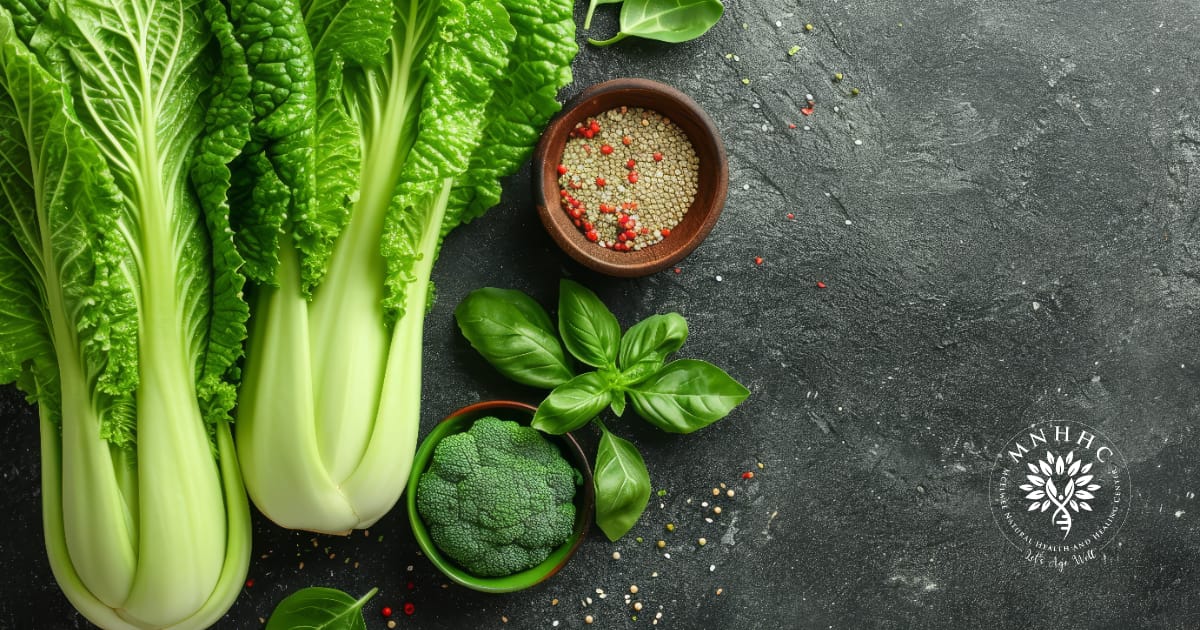
Vitamin K is a fat-soluble vitamin that is naturally present in various foods. There are two main forms of Vitamin K: Vitamin K1 (phylloquinone) and Vitamin K2 (menaquinone). Vitamin K1 is primarily found in leafy green vegetables like spinach, kale, and broccoli, as well as in certain plant oils like soybean and canola oil. On the other hand, Vitamin K2 is found in fermented foods like cheese, fermented soybeans, and animal products such as egg yolks and liver.
While Vitamin K is also produced by the bacteria in our gut, it is still important to consume sufficient amounts of this vitamin through dietary sources to meet our body’s needs.
Those at Risk of a Deficiency
Vitamin K deficiency can affect individuals of all ages, but certain groups are at a higher risk than others. Newborn babies, especially those who are born prematurely or have digestive disorders, are particularly vulnerable to Vitamin K deficiency. This is because babies are born with low Vitamin K levels and may not receive sufficient amounts through breast milk alone.
Individuals with malabsorption disorders, such as celiac disease or Crohn’s disease, are also at an increased risk of Vitamin K deficiency. These conditions impair the body’s ability to absorb nutrients, including fat-soluble vitamins like Vitamin K, leading to deficiencies over time.
Additionally, individuals on long-term antibiotic therapy or who have undergone gastrointestinal surgery may have reduced Vitamin K levels in their bodies.
Older adults are another group that is commonly affected by Vitamin K deficiency. As we age, our bodies may become less efficient at absorbing and utilizing nutrients, including Vitamin K. A limited diet often present for older adults can also contribute to Vitamin K deficiency leading to increased risk of osteoporosis and cardiovascular diseases.
Recommended Daily Intake
The recommended daily intake of Vitamin K varies depending on age, gender, and specific health conditions. For adults, the recommended daily intake is 120 micrograms for males and 90 micrograms for females. Pregnant and breastfeeding women may require slightly higher amounts of Vitamin K to support the growth and development of their babies.
It is important to note that Vitamin K is a fat-soluble vitamin, meaning it is best absorbed when consumed with dietary fats. Including sources of healthy fats, such as avocados, nuts, and olive oil, in your diet can help enhance Vitamin K absorption and ensure that your body gets an adequate supply of this vital nutrient.
Some of the best food sources of Vitamin K include leafy green vegetables like spinach, kale, and broccoli, as well as fermented foods like sauerkraut and fermented soybeans. By regularly incorporating these nutrient-dense foods into your diet, you can help prevent Vitamin K deficiency and support overall health and well-being.
Interactions with Other Vitamins and Medications
Vitamin K plays a crucial role in blood clotting, working in conjunction with Vitamin D to regulate calcium levels in the body. However, excessive Vitamin D supplement intake can interfere with Vitamin K’s function, leading to an increased risk of bleeding and bruising. Maintaining a balance between Vitamin K and Vitamin D intake is essential to ensure optimal health.
Some medications can also interact with Vitamin K and affect blood clotting. Individuals taking these medications may need to monitor their Vitamin K intake and work closely with their healthcare provider to ensure that they maintain a healthy balance of nutrients in their diet.
By understanding the interactions between Vitamin K and other vitamins and medications, you can take proactive steps to safeguard your health and well-being. Remember, a balanced diet is key, and by arming yourself with information about Vitamin K and its role in the body, you can make informed decisions about your diet and lifestyle choices.
Overall, Vitamin K is a versatile nutrient that plays a vital role in various aspects of health and well-being. However, it is important to ensure you get enough Vitamin K through your diet to reap these benefits. Contact us today for an evaluation!