Vitamin E: Unlocking It’s Power

Many of us are familiar with the many essential vitamins in our diet. Still, one that often gets overlooked is Vitamin E. This vital nutrient plays a crucial role in maintaining our health and well-being. Today, we will explore Vitamin E, its food sources, symptoms of deficiency, and its impact on our health.
Vitamin E is a powerful antioxidant that helps protect us from damage caused by free radicals. By neutralizing these harmful molecules, Vitamin E can help reduce the risk of chronic diseases such as heart disease, cancer, and Alzheimer’s. Additionally, Vitamin E is known for its anti-inflammatory properties, which can help alleviate symptoms of conditions like arthritis and asthma.
Furthermore, Vitamin E is essential for maintaining healthy skin and hair. It can help prevent premature aging by protecting the skin from UV radiation and promoting collagen production. Vitamin E also promotes wound healing and reduces the appearance of scars.
Moreover, Vitamin E has been linked to improved immune function and cognitive health. Studies have shown that Vitamin E may help boost the immune system’s response to infections and reduce the risk of cognitive decline as we age.
Sources of Vitamin E
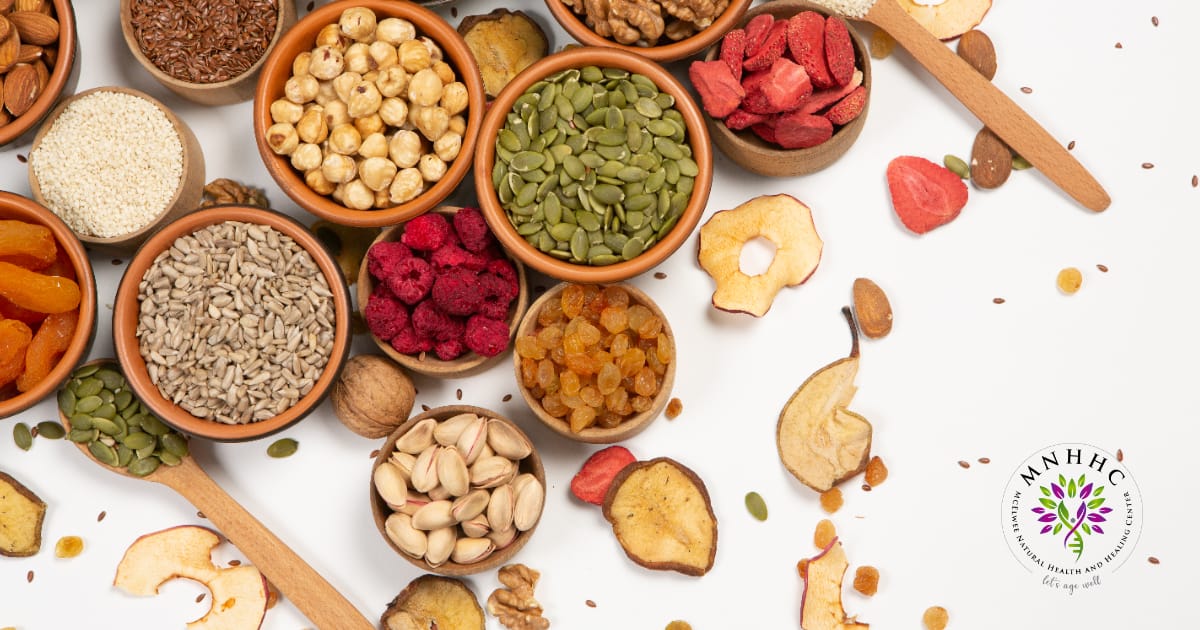
While Vitamin E is widely available in many foods, some of the best sources include nuts and seeds, such as almonds, sunflower seeds, and hazelnuts. Vegetable oils, like sunflower, safflower, and wheat germ oil, are also rich in Vitamin E. Other sources include green leafy vegetables, whole grains, and fortified cereals.
It is important to note that Vitamin E is a fat-soluble vitamin, which means it is best absorbed when consumed with dietary fat. Including a variety of Vitamin E-rich foods in your diet can help ensure you meet your daily requirements.
Supplements are also available for those with difficulty getting enough Vitamin E through diet alone. McElwee Natural Health and Healing Center offers a variety of whole-food supplements to boost Vitamin E levels.
Vitamin E Deficiency
Vitamin E deficiency is rare but can lead to serious health consequences. Symptoms may include muscle weakness, vision problems, and impaired immune function. In severe cases, Vitamin E deficiency can result in nerve damage and an increased risk of infections.
People at risk for Vitamin E deficiency include those with malabsorption disorders, such as Crohn’s disease or cystic fibrosis, and premature infants who may not receive enough Vitamin E from breast milk or formula.
Role of Vitamin E on Health
On Skin Health
Vitamin E is a popular ingredient in skincare products for good reason. Its antioxidant properties help protect the skin from oxidative stress and damage caused by environmental factors like pollution and UV radiation. By neutralizing free radicals, Vitamin E can help prevent premature aging and improve overall skin health.
Additionally, Vitamin E has anti-inflammatory properties that can help soothe irritated skin and reduce redness and swelling. It also promotes wound and scar healing by supporting skin cell regeneration.
Incorporating Vitamin E-rich foods into your diet and using skincare products containing Vitamin E can help improve the appearance and health of your skin. Remember, healthy skin starts from within!
On Heart Health
Vitamin E may protect heart health by reducing the risk of heart disease and stroke. As an antioxidant, it helps prevent the oxidation of LDL cholesterol, which can lead to plaque formation in the arteries. Vitamin E can also help maintain cardiovascular health by keeping cholesterol levels in check.
Furthermore, Vitamin E has anti-inflammatory properties that can help reduce inflammation in the blood vessels and improve blood flow. This can lower the risk of blood clots and improve overall heart function.
Incorporating Vitamin E-rich foods, such as nuts, seeds, and vegetable oils, into your diet can help support heart health and reduce the risk of cardiovascular disease. Remember, a healthy heart is essential for a long and fulfilling life!
On Eye Health
Vitamin E is crucial in maintaining eye health and preventing age-related vision problems. As an antioxidant, Vitamin E helps protect the cells in our eyes from damage caused by free radicals. By reducing oxidative stress, Vitamin E can help prevent conditions like cataracts and macular degeneration, which can lead to vision loss.
Additionally, Vitamin E has anti-inflammatory properties that can help reduce eye inflammation and promote overall eye health. Studies have shown that Vitamin E supplementation may help improve visual acuity and reduce the risk of developing certain eye diseases.
Incorporating Vitamin E-rich foods, such as nuts, seeds, and leafy greens, into your diet can help support your health and preserve your vision as you age. Remember, caring for your eyes is essential for maintaining a high quality of life!
Recommended Daily Intake
The recommended daily Vitamin E intake varies depending on age, sex, and life stage. Adults’ recommended dietary allowance (RDA) for Vitamin E is 15 milligrams (22.4 IU) daily. Pregnant and breastfeeding women may need slightly higher amounts to support the growth and development of their babies.
It is important to note that getting Vitamin E through food sources is the best way to ensure you meet your daily requirements. Including a variety of Vitamin E-rich foods in your diet, such as nuts, seeds, and vegetable oils, can help you maintain optimal levels of this essential nutrient.
Vitamin E is a vital nutrient that plays a crucial role in maintaining our overall health and well-being. From protecting our cells from damage to supporting heart, skin, and eye health, Vitamin E is essential for the optimal functioning of our bodies.
By incorporating Vitamin E-rich foods into your diet and using skincare products containing Vitamin E, you can reap the many benefits of this nutrient. Remember, a balanced and varied diet is vital to meet your daily requirements of Vitamin E and other essential nutrients.
So, next time you reach for a snack, consider grabbing a handful of nuts or adding a drizzle of olive oil to your salad to boost your Vitamin E intake. Your body will thank you for it! Contact us today to evaluate your need for Vitamin E.