
Potassium Power: The Essential Role of Potassium for Health

When we think about essential nutrients for our body, we often hear about the importance of vitamins like Vitamin C or minerals like calcium. However, one crucial mineral that frequently flies under the radar is potassium. Potassium is vital in maintaining overall health and well-being. Yet, many people do not get enough of this essential nutrient in their diets. Today, we will explore how potassium benefits our health and why we must get an adequate amount of this important mineral.
The Many Functions of Potassium
Regulates Fluid Balance
One key role that potassium plays in our body is regulating fluid balance. Potassium is an electrolyte that conducts electricity when dissolved in water. This means it helps conduct electrical impulses in the body, including helping to maintain proper fluid balance within cells and tissues. When we consume potassium-rich foods, our body can better regulate the balance of fluids, which is essential for various bodily functions. Without enough potassium, we may experience fluid retention or dehydration issues, both of which can negatively affect our health. Ensuring we get adequate potassium in our diets can help support our body’s fluid balance and overall well-being.
Maintains Nerve Function
Another crucial role that potassium plays in our bodies is maintaining nerve function. Potassium is not just a regulator, it’s a conductor, involved in transmitting electrical signals throughout the nervous system. Without enough potassium, our nerves may not function optimally, leading to muscle weakness or numbness. This is a clear indication of how potassium is not just a mineral, but a key player in our body’s functionality.
Consuming proper amounts of potassium can help prevent issues such as muscle cramps or tingling sensations, which can be uncomfortable and disruptive to daily life.
Supports Muscle Contractions
In addition to maintaining nerve function, potassium is crucial in supporting muscle contractions. Potassium’s role in regulating electrolyte balance also aids muscle contraction and relaxation. Without enough potassium, our muscles may not function optimally, leading to muscle cramps or weakness.
Reduces Risk of Stroke and Lowers Blood Pressure
Potassium also serves as a shield against stroke. Research has shown that individuals who consume higher levels of potassium in their diets are at a lower risk of stroke compared to those with lower potassium intake. This is likely due to potassium’s role in maintaining healthy blood pressure levels, as high blood pressure is a significant risk factor for stroke. Potassium counteracts the effects of sodium in the body and maintains healthy blood pressure, thereby reducing the risk of stroke.
Improves Bone Health
While calcium often gets the spotlight regarding bone health, potassium also plays a role in maintaining healthy bones. Potassium helps to neutralize acids in the body that can leach calcium from the bones. Without enough potassium, our bones may be more susceptible to issues like osteoporosis or fractures.
Aids in Metabolism
Another lesser-known benefit of potassium is its role in aiding metabolism. Potassium helps support the conversion of food into energy, which is essential for overall metabolic function. When we consume potassium-rich foods, we are providing our bodies with the necessary nutrients to support efficient metabolism. Without enough potassium, our metabolism may not function optimally, leading to issues like weight gain or fatigue.
Enhances Kidney Function
Lastly, potassium plays a crucial role in enhancing kidney function. Potassium helps support the proper functioning of the kidneys by aiding in eliminating waste and toxins from the body. Potassium-rich foods give our kidneys the necessary nutrients to function optimally and maintain overall kidney health. Without enough potassium, our kidneys may not be able to effectively eliminate waste and toxins from the body, which can lead to issues like kidney stones or reduced kidney function.
Sources of Potassium
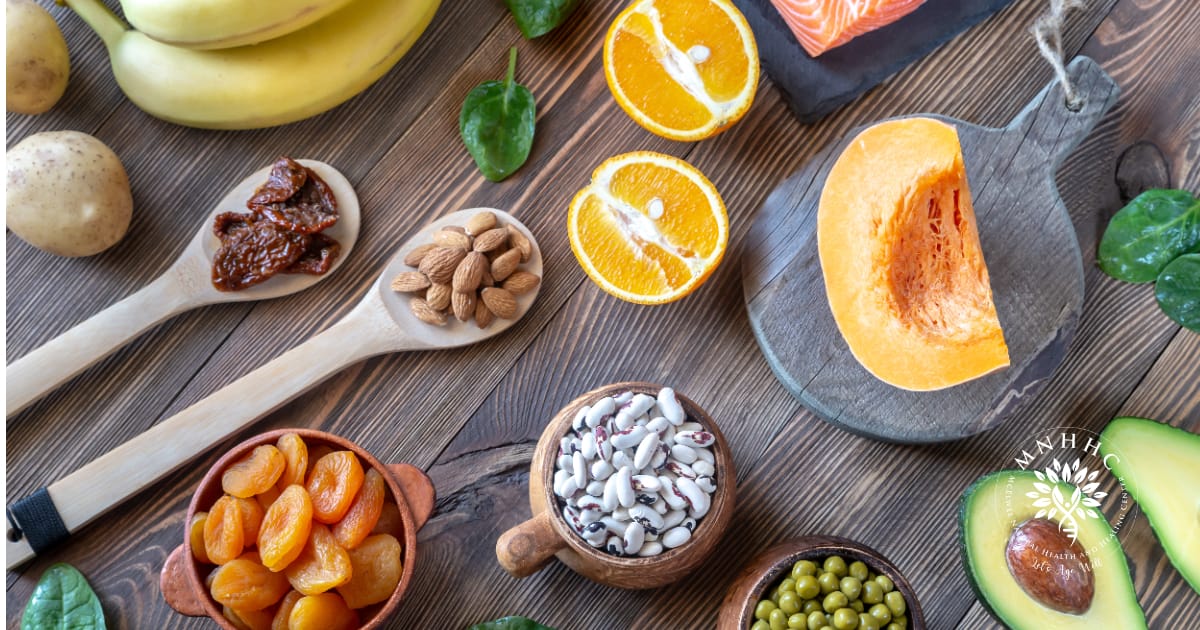
The good news is that potassium is readily available in various whole, unprocessed foods.
- Fruits such as bananas, oranges, and apricots are renowned for their high potassium content.
- Vegetables like spinach, sweet potatoes, and broccoli are also excellent sources.
- Legumes, such as beans and lentils, provide a substantial amount of potassium and are packed with fiber and protein.
- Dairy products like milk and yogurt can help you meet your daily potassium needs.
- Fish, particularly salmon and sardines.
- Whole grains, like brown rice and oatmeal, can increase potassium intake.
Unbalanced Potassium Metabolism
A few factors can limit the body’s ability to metabolize potassium effectively. One of the primary factors is kidney function. The kidneys play a crucial role in maintaining the body’s potassium balance by removing excess potassium through urine. Hence, conditions that impair kidney function, such as chronic kidney disease, can lead to high levels of potassium in the blood, a condition known as hyperkalemia.
Certain medications can also affect potassium metabolism. For instance, some diuretics, often used to treat high blood pressure, can cause the body to lose too much potassium. On the other, certain blood pressure medications, like ACE and angiotensin blockers, can cause potassium levels to rise.
Furthermore, certain hormonal disorders, like Addison’s disease, can also affect potassium levels. This disease reduces the production of hormones that help maintain a balance of potassium, among other things.
Lastly, an unhealthy diet low in potassium or high in sodium can affect the body’s ability to metabolize and maintain the right potassium balance. This is why maintaining a balanced diet is crucial for our overall well-being.
While whole foods are the best way to get the body’s required amount of potassium, some people find they need extra help. McElwee Natural Health and Healing Center offers whole-food supplements to help.
Potassium is an essential mineral crucial in maintaining overall health and well-being. From regulating fluid balance to supporting muscle contractions and enhancing kidney function, potassium is involved in a wide range of essential bodily functions for optimal health. By ensuring we get enough potassium in our diets through potassium-rich foods like bananas, sweet potatoes, and spinach, we can help support our health and reduce our risk of various health conditions.
So, next time you plan your meals, include plenty of potassium-rich foods to reap the benefits of this essential mineral and support your overall well-being. If you think you may have an imbalance of potassium, contact us today for an evaluation!