
Surviving the Holidays Without Losing Your Mind (or Your Immune System)
Welcome to the most wonderful—and occasionally most chaotic—time of the year! At McElwee Natural Hea...

Welcome to the most wonderful—and occasionally most chaotic—time of the year! At McElwee Natural Hea...

At McElwee Natural Health and Healing Center, we’re committed to empowering families with info...

In a groundbreaking announcement on September 22, 2025, President Donald Trump, flanked by Health an...

In a world where modern medicine often treats symptoms with pills and procedures, what if the key to...

At McElwee Natural Health and Healing Center, we’re committed to empowering our community with knowl...

At McElwee Natural Health and Healing, our mission is to empower you to achieve vibrant health by ad...

Ever wonder why you feel bloated, exhausted, or achy after certain meals? These could be your body’s...

Frozen shoulder, medically known as adhesive capsulitis, is a debilitating condition characterized b...

As summer heats up in Maryland, the fields are bursting with vibrant, local produce that can nourish...

At McElwee Natural Health and Healing Center, we believe in empowering you to take charge of your we...

On May 27, 2025, U.S. Health and Human Services Secretary Robert F. Kennedy Jr. unveiled a groundbre...

Seasonal allergies plague many Maryland residents, with Harford County’s high pollen counts making s...

At McElwee Natural Health and Healing Center, we’ve long championed the power of natural, whole food...

When it comes to cooking, the tools you use are just as important as the ingredients you select. Coo...

This year we have seen a resurgence of measles, a highly contagious viral disease. Before the introd...

If you’re passionate about whole, natural foods and your health, genetically modified organisms (GMO...

We were thrilled to learn of Robert F. Kennedy Jr.’s confirmation as the new Secretary of Health and...

When your child is running a fever, it can be a worrying time for any parent. The decision of whethe...

Red Dye #3, or Erythrosine, is a synthetic red coloring used in various food and cosmetic products....

The “Make America Healthy Again” (MAHA) movement emerges at a crucial time when the Unit...

The holidays are a time of coming together to get caught up in the lives of loved ones, share fond m...

The thyroid gland, a small but crucial butterfly-shaped organ in the neck, regulates a myriad of bod...

Maintaining good health relies on essential vitamins and minerals like vitamin C, calcium, and iron....

When we think about the essential nutrients contributing to our overall health, our minds often grav...

When we think about essential nutrients for our bodies, we often focus on vitamins and minerals like...

When it comes to essential minerals for our health, manganese often takes a backseat to more popular...

Zinc is a mineral that is crucial in maintaining overall health and well-being. While often overlook...
Many people overlook the importance of iodine in their diet when it comes to maintaining optimal hea...

Understanding the role of sodium in our bodies is crucial to maintaining optimal health. Sodium play...

When we think about essential nutrients for our body, we often hear about the importance of vitamins...

From energy production to cell growth, phosphorus is a vital mineral that is crucial for various fun...

Calcium is an essential mineral that plays a vital role in various body functions. From strong bones...

When it comes to maintaining good health, most people are familiar with the importance of vitamins l...

Many of us are familiar with the many essential vitamins in our diet. Still, one that often gets ove...

Have you ever noticed how a sunny day can instantly boost your mood? Well, that’s not just a c...

Vitamin C stands out as the go to vitamin for maintaining optimal healt. This essential vitamin, als...

B vitamins play a crucial role in maintaining optimal health. These essential nutrients are water-so...

Vitamin A is an essential vitamin that is vital for various bodily functions. We often hear about th...

In today’s health-conscious world, many people are becoming more aware of the impact of their...

Imagine biting into a juicy, ripe tomato only to find that it lacks vibrant flavor and essential nut...

When you pick up a packaged food item from the grocery store shelf, chances are you’ll see the term...

Houseplants are not only a beautiful addition to your home decor, but they also offer numerous healt...

Feeling tired all the time is a common complaint among many people today. It can be a frustrating an...

Our bodies are constantly bombarded with toxins from the environment, food, and even the products we...

As our Dads age, it becomes increasingly important to prioritize their health and well-being. From e...

As a holistic health practice, McElwee Natural Health and Healing is dedicated to enhancing overall...

Electromagnetic fields (EMFs) are invisible lines of force that surround electronic devices and powe...
Are you seeking a natural method to enhance your overall wellness? Discover the PEMF mat at McElwee...

At McElwee Natural Health and Healing, we believe proper health is about more than just the absence...

Imagine stepping outside your home on a bright morning, the birds chirping, the sun shining, and the...

Feeling tired all the time is a common complaint among many people today. It can be a frustrating and debilitating experience. But here’s the good news: understanding the root causes of your fatigue can bring relief and empowerment. Whether you’re constantly reaching for that extra cup of coffee or struggling to stay awake during the day, today, we will explore some of the main reasons why you always feel tired and offer practical tips to help you regain energy and vitality. Let’s dive into the various factors that could be contributing to your constant fatigue.
One of the most obvious reasons for feeling tired all the time is poor quality sleep. If you find yourself tossing and turning at night, waking up frequently, or feeling unrested in the morning, you may need more restorative sleep to function optimally.
Creating a bedtime routine, optimizing your sleep environment, and practicing relaxation techniques before bed can all help improve your sleep quality and combat daytime fatigue. Additionally, avoiding stimulants like caffeine and electronic devices before bedtime can also promote better sleep.
Chronic stress and anxiety, often overlooked, can take a significant toll on your physical and mental well-being, leading to feelings of exhaustion and fatigue. When you’re constantly in a state of heightened alertness and worry, your body produces stress hormones like cortisol, disrupting your sleep patterns and leaving you feeling drained. Recognizing the role of stress and anxiety in your fatigue is a crucial step toward managing it effectively.
Stress-reducing activities such as mindfulness meditation, deep breathing exercises, or yoga can help calm your mind and body, promoting relaxation and better sleep. Talking to a therapist or counselor can also provide valuable support in managing stress and anxiety, ultimately improving your overall energy levels.
It may seem counterintuitive but leading a sedentary lifestyle can leave you feeling like you’re always tired. When you don’t engage in regular physical activity, your body becomes deconditioned, making simple tasks feel more exhausting than they should be.
Regular exercise, whether a brisk walk, a yoga class, or a gym workout, can boost your energy levels, improve your mood, and enhance your overall well-being. Exercise releases endorphins, the body’s natural feel-good chemicals, which can help combat fatigue and increase vitality.
Finding activities you enjoy and making them a consistent part of your daily routine can significantly affect how you feel physically and mentally. Remember, even small amounts of movement can greatly impact your energy levels.
What you eat significantly affects how you feel throughout the day. A diet high in processed foods, sugar, and unhealthy fats can lead to energy crashes, blood sugar fluctuations, and nutrient deficiencies, contributing to fatigue.
Opting for a balanced diet rich in whole foods, fruits, vegetables, lean proteins, and whole grains can give your body the essential nutrients it needs to function optimally. Eating regular, balanced meals and staying hydrated can help stabilize your energy levels and prevent the mid-afternoon slump.
Avoiding excessive caffeine, sugary beverages, and heavy meals late in the day can also support better energy regulation and improve your overall vitality. Making mindful food choices can profoundly impact your energy levels and well-being.
When an individual experiences poor gut health, it can disrupt the balance of bacteria in the digestive system, leading to bloating, gas, and constipation. These digestion problems can impede the body’s ability to properly absorb nutrients from food, resulting in deficiencies that can leave a person feeling fatigued and lacking in energy. For example, if the gut cannot break down and absorb carbohydrates effectively, it can lead to a decrease in the production of energy-boosting nutrients like B vitamins. This lack of essential nutrients can contribute to feelings of tiredness and sluggishness.
Many people underestimate the impact of dehydration on their energy levels. When you’re not drinking enough water throughout the day, your body becomes dehydrated, leading to feelings of fatigue, dizziness, and difficulty concentrating.
Drinking water regularly, especially during and after exercise, can help maintain energy levels and cognitive function. Incorporating hydrating foods like fruits and vegetables into your diet can also contribute to your overall fluid intake and support optimal hydration levels.
When hormone imbalances occur, such as low thyroid hormone levels or excess cortisol production, they disrupt the body’s natural energy regulation systems, leading to feelings of tiredness and fatigue. An underactive thyroid gland can result in sluggish metabolism and reduced energy production, while high levels of stress hormone cortisol can interfere with sleep patterns and leave individuals feeling tired throughout the day.
Underlying medical conditions can also contribute to feelings of persistent fatigue. Conditions such as anemia, hypothyroidism, chronic fatigue syndrome, and sleep disorders like sleep apnea can all impact your energy levels and quality of life. Once you identify the root cause of your symptoms, the body can start to heal, and energy can be restored.
If you’re taking medications for a chronic condition or illness, it’s essential to be aware of potential side effects that may include fatigue and drowsiness. Certain medications, such as antidepressants, antihistamines, beta-blockers, and sedatives, can cause drowsiness as a common side effect.
While a cup of coffee or tea can provide a temporary energy boost, consuming excessive amounts of caffeine throughout the day can lead to a cycle of energy crashes and dependency. When you rely on caffeine to stay awake and alert, you may experience withdrawal symptoms like headaches, irritability, and fatigue when you don’t consume it. Gradually reducing your caffeine intake, staying hydrated, and incorporating more natural sources of energy like whole foods and regular exercise can help break the cycle of caffeine dependence and improve your overall energy levels.
Feeling tired all the time can be frustrating and debilitating, but understanding the underlying reasons for your fatigue is the first step towards reclaiming your energy and vitality. Everyone’s body is unique, and managing fatigue can be a complex journey. It’s essential to listen to your body’s signals and prioritize self-care. By implementing small, sustainable changes to your lifestyle and habits, you can combat fatigue, boost your energy levels, and enjoy a more vibrant and fulfilling life. Contact us today for a full evaluation.

Our bodies are constantly bombarded with toxins from the environment, food, and even the products we use. These toxins can build up in our system over time, leading to various health issues. Scientific studies have shown that one crucial aspect of detoxification that is often overlooked is the role of our bowels. Keeping your bowels moving regularly is essential for eliminating waste and toxins from your body.
When our bowels are sluggish or constipated, toxins can be reabsorbed into the bloodstream, straining our liver and other detoxification organs. Today, we will explore the impact of toxins on the body, the role of the bowels in detoxification, the benefits of regular bowel movements, common signs of constipation, and how to promote healthy bowel movements.
Toxins are everywhere in our modern world—in the air we breathe, the water we drink, and the food we eat. Over time, these toxins can accumulate in our bodies, leading to a range of health problems, such as fatigue, headaches, digestive issues, skin problems, and even chronic diseases like cancer.
When toxins build up in the body, they can overload our detoxification organs, such as the liver and kidneys, making it harder for them to do their job effectively. This can lead to a buildup of waste and toxins in the body, contributing to inflammation, oxidative stress, and other adverse effects on our health.
One of the primary ways our bodies eliminate toxins is through the bowels. The colon plays a crucial role in removing waste and toxins from the body, so keeping it functioning properly is essential for overall detoxification.
The bowels, or intestines, absorb nutrients from our food and eliminate waste products from the body. When our bowels work efficiently, they help to remove toxins and waste from the body through regular bowel movements.
If our bowels become sluggish or constipated, waste and toxins can linger in the colon for longer than is healthy, reabsorbing these harmful substances back into the bloodstream. This can stress the liver and other detoxification organs, making it harder to process and eliminate toxins effectively.
Keeping our bowels moving regularly supports the body’s natural detoxification processes and helps prevent toxins from building up in our system. This can have a positive impact on our overall health and well-being.
Regular bowel movements are essential for maintaining good health and supporting the body’s detoxification processes. Healthy bowel function allows us to eliminate waste and toxins efficiently, reducing the risk of toxin buildup in the body.
Regular bowel movements not only support our body’s detoxification processes, but they also bring a sense of relief and comfort. They can improve digestion, reduce bloating and gas, boost energy levels, enhance skin health, and improve overall well-being.
Regular bowel movements can also help prevent constipation, which can lead to discomfort, bloating, and other digestive issues. Keeping our bowels moving can reduce the risk of constipation and promote better overall digestive health.
Constipation is a common digestive issue that can occur when bowel movements are infrequent or difficult to pass. Some common signs of constipation include:
If you regularly experience any of these symptoms, it may indicate that your bowels are not moving as they should. Addressing constipation promptly is important to prevent toxin buildup and support overall detoxification.
There are several strategies you can implement to promote healthy bowel movements and support detoxification.
Fiber helps to bulk up stool and promote regular bowel movements. Include plenty of fruits, vegetables, whole grains, and legumes to ensure an adequate fiber intake. In addition to eating a fiber-rich diet, there are specific foods that can help to promote healthy bowel movements and support detoxification:
Incorporating these foods into your diet can support healthy bowel function and promote effective detoxification.
Hydration plays a crucial role in supporting healthy bowel movements and detoxification. Water helps to soften stool, making it easier to pass and preventing constipation. Inadequate hydration can lead to dry, hard stools and difficulty with bowel movements. Additionally, water is essential for many other bodily functions, including transporting nutrients and removing waste products, which are both important for detoxification.
Drink plenty of water throughout the day to support healthy digestion and bowel function. Aim to drink at least 8-10 glasses of water daily, and more if you are active or in hot weather. Hydration is vital to maintaining regular bowel movements and supporting the body’s detoxification processes.
Regular exercise benefits overall health and fitness and can positively impact bowel movements. Physical activity helps stimulate the intestines’ muscles, promoting more regular and efficient bowel movements.
By incorporating regular exercise into your routine, you can help to support healthy digestion and bowel function. Aim to include cardiovascular exercise, strength training, and flexibility exercises in your workout routine to promote optimal bowel health.
Even simple activities like walking, yoga, or biking can help stimulate bowel movements and support detoxification. Find activities you enjoy and make them a routine to support healthy bowel function.
Keeping your bowels moving regularly is essential for supporting detoxification and overall health. By promoting healthy bowel movements through diet, hydration, exercise, and lifestyle habits, you can help to eliminate waste and toxins from your body more effectively.
Regular bowel movements can improve digestion, reduce bloating and gas, increase energy levels, and support overall wellness. Paying attention to your bowel health and moving your bowels can support your body’s natural detoxification processes and promote optimal health and well-being.
Those who may need an extra boost can try any of the natural supplements available at McElwee Natural Health and Healing Center. We offer several bowel movers and intestinal cleanse options. Contact us today to evaluate and determine which works best for your body.

As our Dads age, it becomes increasingly important to prioritize their health and well-being. From eating a balanced diet to getting enough exercise, there are many ways to keep Dad healthy. By implementing simple lifestyle changes and encouraging healthy habits, you can support your father in maintaining his vitality and overall wellness.
Today, we will explore various strategies for keeping Dad healthy naturally. We will cover everything from the importance of regular exercise to the benefits of spending time outdoors. Let’s dive in and discover how you can help your dad lead a healthier, happier life.
One crucial aspect of maintaining good health is eating a balanced diet. Encouraging Dad to consume a variety of fruits, vegetables, lean proteins, and whole grains can provide him with essential nutrients to support his overall well-being. Additionally, limiting processed foods and sugary snacks can help prevent chronic conditions such as heart disease and diabetes. If Dad struggles to digest certain foods, McElwee Natural Health and Healing Center has a selection of whole-food supplements to replace any enzymes he may be lacking.
Get Dad involved. Consider cooking nutritious meals together as a family or introducing Dad to new, healthy recipes. By involving him in meal planning and preparation, you can make eating a balanced diet an enjoyable experience. Remember, small changes in his diet can significantly impact his health in the long run.
Furthermore, staying hydrated is also essential for Dad’s health. Encourage him to drink plenty of water throughout the day and limit his intake of sugary beverages. Hydration is vital to maintaining optimal bodily functions and supporting overall health.
Physical activity is another crucial component of maintaining Dad’s health naturally. Regular exercise can help him stay in shape, improve his mood, and reduce his risk of chronic diseases. Encourage Dad to engage in activities he enjoys, whether walking, cycling, swimming, or gardening.
Consider joining him for a workout or a family hike to make exercise a social and enjoyable experience. Setting realistic fitness goals and tracking his progress can also help Dad stay motivated and committed to his exercise routine. Remember, consistency is key to reaping the benefits of regular physical activity.
Don’t neglect strength training. Incorporating strength training exercises into Dad’s routine can help him build muscle mass, improve bone density, and boost his metabolism. Strength training, whether using resistance bands or lifting weights, is essential for maintaining overall health and vitality as he ages.
Getting enough sleep is essential for Dad’s overall health and well-being. Quality rest allows his body to recover and recharge, supporting optimal cognitive function and emotional well-being. Encourage Dad to establish a bedtime routine and create a comfortable sleep environment to promote restful sleep.
Limiting screen time before bed and avoiding caffeine in the evening can help Dad unwind and prepare for a restful night’s sleep. Encourage him to prioritize sleep and listen to his body’s natural sleep cues to ensure he gets seven to nine hours each night.
If Dad struggles with insomnia or other sleep disorders, give us a call. We offer supplements to help calm the body for a good night’s sleep.
While moderate alcohol consumption may have some health benefits, excessive drinking can pose serious risks to Dad’s health. Encourage Dad to limit his alcohol intake and drink in moderation to reduce his risk of liver disease, heart problems, and other alcohol-related conditions.
Encourage Dad to quit smoking to reduce his risk of lung cancer, heart disease, and other smoking-related conditions. Support him in his journey to quit smoking by providing resources, encouragement, and understanding.
Spending time outdoors can have numerous health benefits for Dad, including reducing stress, improving mood, and boosting vitamin D levels. Encourage him to go for walks in nature, tend to the garden, or engage in outdoor activities to reap the benefits of fresh air and sunlight.
Consider planning family outings to parks, beaches, or hiking trails to enjoy quality time together outdoors. Connecting with nature can help Dad relax, unwind, and recharge, supporting his mental and emotional well-being. Remember, nature has a healing effect on the mind, body, and soul. Embrace the beauty of the outdoors and make it a regular part of Dad’s healthy lifestyle.
Schedule an evaluation with McElwee Natural Health and Healing. We can assess Dad’s overall health, screen for potential stressors, and provide personalized recommendations for maintaining his well-being. By addressing any stressors, Dad can be proactive about his health to mitigate more serious conditions in the future.
Keeping Dad healthy naturally is a collaborative effort that requires support, encouragement, and dedication. By implementing simple lifestyle changes, such as eating a balanced diet, getting regular exercise, and prioritizing sleep, you can help Dad maintain his health and well-being in the long run.
Remember, small changes can significantly impact Dad’s health and quality of life. By prioritizing his health and supporting his wellness journey, you can help Dad live a longer, happier, healthier life. Embrace the power of natural health solutions and enjoy the journey of keeping Dad healthy naturally.
Together, we can empower Dad to lead a vibrant, fulfilling life full of vitality and well-being. Let’s make his health a priority and support him every step of the way towards a healthier, happier future. Call us today!

As a holistic health practice, McElwee Natural Health and Healing is dedicated to enhancing overall well-being for individuals of all ages. In today’s digital age, screen time has become an inescapable part of children’s and adults’ daily routines. While technology has advantages, excessive screen time can significantly threaten our physical, mental, and emotional health. This article will look at the potential dangers of excessive screen time and provide practical strategies for maintaining a healthy balance.
It’s no secret that screens are everywhere—from smartphones and tablets to computers and televisions. While these devices offer convenience and entertainment, they also have the potential to negatively impact our health in various ways.
One of the most alarming risks of excessive screen time is its impact on our physical health. Long hours of sitting and staring at screens can lead to many issues, including poor posture, strained eyes, and an increased risk of obesity. Children, in particular, are at a higher risk of these effects as their bodies are still developing. Moreover, excessive screen time has been associated with disrupted sleep patterns, which can further worsen physical health problems.
Research has shown that reducing screen time and engaging in activities that encourage movement and exercise can significantly improve physical health. This can lead to a more active and healthier lifestyle, reducing the risk of chronic conditions such as heart disease, diabetes, and certain types of cancer.
Furthermore, the blue light emitted by screens can disrupt our circadian rhythm and interfere with the production of melatonin, a hormone that regulates sleep. This can lead to difficulties falling asleep and staying asleep, which can have a cascading effect on our physical health. Individuals can improve their sleep quality and overall physical health by implementing screen time limits and establishing a bedtime routine that does not involve screens.
Electromagnetic fields (EMFs), which are generated by screens such as those from smartphones, computers, and televisions, can have various effects on the human body. Prolonged exposure to these fields may lead to symptoms such as headaches, fatigue, and disrupted sleep patterns. Some individuals may also experience increased anxiety or irritability due to the impact of EMFs on their nervous system. While research on the long-term effects of screen time is ongoing, it is important to be mindful of the potential risks associated with excessive exposure to electromagnetic fields.
Many studies have been conducted to understand the effects of continuous exposure to EMF. For instance, a study published in the Journal of Chemical Neuroanatomy suggests that excessive screen time, particularly before bedtime, can disrupt the natural sleep cycle. The blue light emitted by screens suppresses the production of the sleep-inducing hormone melatonin, leading to difficulty falling asleep or having a restful night.
Another common health issue related to prolonged exposure to digital screens is digital eye strain or computer vision syndrome. Symptoms include dry and irritated eyes, blurred vision, eye fatigue, and headaches. This is primarily due to digital screens’ high-energy, short-wavelength, blue, and violet light.
Ongoing research explores the long-term effects of EMF exposure on brain development, particularly in children. While the results are inconclusive, some studies suggest potential links to behavioral problems and cognitive performance.
In addition to physical health risks, excessive screen time can also have a detrimental impact on our mental health. Constant exposure to screens, especially social media, can contribute to feelings of loneliness, anxiety, and depression. The curated nature of social media can lead to unrealistic comparisons and feelings of inadequacy, which can take a toll on our mental well-being.
For children, excessive screen time has been linked to attention issues, poor social skills, and decreased academic performance. The constant stimulation provided by screens can make it challenging for children to focus and engage in activities that require sustained attention. As a holistic health practice, we encourage parents to set limits on screen time and provide alternative activities that promote cognitive development and social interaction.
Furthermore, excessive screen time can contribute to a lack of mindfulness and present-moment awareness. Constantly checking emails, notifications, and social media feeds can prevent individuals from fully engaging in their surroundings and connecting with others on a meaningful level. Reducing screen time and practicing mindfulness techniques such as meditation and deep breathing can cultivate greater peace and mental clarity.
Lastly, excessive screen time can also impact our emotional health, leading to feelings of stress, overwhelm, and burnout. The constant barrage of information and stimuli from screens can create a sense of information overload, making it difficult to unwind and relax. This can contribute to increased levels of stress and anxiety, which can have long-term effects on our emotional well-being.
Excessive screen time can hinder children’s emotional intelligence and coping skills development. Screens can serve as a distraction from processing emotions and learning how to navigate social interactions effectively. As a holistic health practice, we advocate for fostering emotional resilience in children through open communication, healthy coping strategies, and meaningful connections with others.
As a parent or caregiver, you play a crucial role in managing your and your child’s screen time. Taking a few practical steps can significantly reduce the risks associated with excessive screen time, empowering yourself and your family to maintain a healthy balance.
One powerful strategy to reduce screen time is to establish a screen-free bedtime routine. Instead of scrolling through social media or watching TV right before bed, engage in relaxing activities that promote better sleep. This could include reading a book, practicing meditation or deep breathing exercises, or taking a warm bath. These activities help you wind down and create a soothing environment that encourages sleep, offering a hopeful path toward better health and well-being.
It’s important to restrict the time spent using electronic devices such as smartphones, tablets, computers, and televisions. Encourage children and adolescents to reduce their dependence on screens and engage in other activities that promote physical, mental, and social well-being. For children and adolescents, the American Academy of Pediatrics recommends the following guidelines:
Parents can implement various strategies to limit screen time, such as:
Adults need to lead by example and also limit their own screen time. By practicing healthy screen habits, individuals can foster a balanced lifestyle and prioritize activities contributing to their well-being.
Other practical approaches to minimize the effects of screen time include:
Remember, while completely eliminating screen use is impractical, being mindful of our usage and taking appropriate steps can help mitigate potential health impacts. Contact us today for an evaluation.

Electromagnetic fields (EMFs) are invisible lines of force that surround electronic devices and power lines. While these fields are a natural part of the environment, exposure to high levels of EMFs pose health risks.
We are surrounded by a plethora of electronic devices that emit EMFs, raising concerns about the potential dangers that may pose to our health. Today, we will explore the dangers of EMFs, common sources of EMFs, and how you can protect yourself from their harmful effects.
Electromagnetic fields (EMFs) are a form of radiation that is emitted by electronic devices such as cell phones, laptops, Wi-Fi routers, and power lines. These fields are classified into two main categories: low-frequency EMFs, which are emitted by power lines and electrical appliances, and radiofrequency EMFs, which are emitted by wireless devices such as cell phones and Wi-Fi routers. While the effects of EMFs on human health are still being studied, some research suggests that long-term exposure to high levels of EMFs may be linked to various health issues, including cancer, infertility, and neurological disorders.
It is important to note that not all EMFs are harmful, and the level of risk depends on the strength and duration of exposure. However, it is essential to take precautions to limit your exposure to EMFs and protect yourself from potential health risks.
Radio frequencies are a type of electromagnetic field that emits electromagnetic waves with frequencies ranging from 3 kHz to 300 GHz. They are used in various technologies, such as radio broadcasting, cell phones, and Wi-Fi. Exposure to radio frequencies has been a topic of concern for potential health risks. Some studies suggest that long-term exposure to high levels of radio frequencies may increase the risk of certain health issues, such as cancer. However, the evidence is still inconclusive, and further research is needed to determine the exact health risks associated with radio frequency exposure. It is important to follow safety guidelines and limit exposure to radio frequencies, especially for children and pregnant women.
Limiting exposure to electronic devices emitting these signals is important to avoid radio frequencies. This includes cell phones, Wi-Fi routers, and Bluetooth devices. You can also minimize your time spent near cell towers or power lines, as they can also emit radio frequencies. Additionally, using wired internet connections instead of Wi-Fi can help reduce your exposure to these signals
Research on the health risks associated with electromagnetic fields is still ongoing, but some studies have suggested a potential link between high levels of EMF exposure and certain health conditions.
For example, a study published in the International Journal of Environmental Research and Public Health found that long-term exposure to EMFs from cell phones may be associated with an increased risk of brain tumors. Other studies have suggested that EMF exposure may also be linked to infertility, leukemia, and cognitive impairments.
While the evidence is not conclusive, it is essential to take precautions to protect yourself from excessive EMF exposure, especially if you are regularly exposed to electronic devices or live near power lines.
Now that we understand the potential health risks associated with EMFs, let’s explore some common sources of EMFs and how you can protect yourself from their harmful effects.
Electromagnetic fields are emitted by a wide range of electronic devices and power lines that we encounter in our daily lives. Some common sources of EMFs include:
These devices emit both low-frequency and radiofrequency EMFs, which can penetrate the body and potentially cause harm. To protect yourself from the harmful effects of EMFs, it is essential to take steps to limit your exposure and shield yourself from these fields.
There are several steps you can take to protect yourself from electromagnetic fields and reduce your risk of exposure:
By taking these precautions and limiting your exposure to EMFs, you can help protect yourself from potential health risks associated with these fields.
EMF shielding devices are designed to reduce your exposure to electromagnetic fields from electronic devices and power lines. These devices work by blocking or redirecting the electromagnetic fields emitted by these sources, helping to create a barrier between you and the harmful radiation. Some common types of EMF shielding devices include:
While the effectiveness of these devices may vary, using them can provide an extra layer of protection against electromagnetic fields and help reduce your risk of exposure to harmful radiation. McElwee Natural Health and Healing Center offers EMFs mitigating cards that can be kept in your pocket!
In addition to using electromagnetic field shielding devices, there are other steps you can take to limit your exposure to EMFs and reduce your risk of potential health effects:
By being mindful of your exposure to electromagnetic fields and taking steps to limit it, you can help protect yourself from potential health risks associated with these fields.
If you are concerned about your exposure to electromagnetic fields, you can consider having your home or workplace tested for electromagnetic fields. EMF testing involves measuring the levels of EMFs in your environment using specialized equipment and techniques. There are testers like this one available on Amazon. By conducting these measurements, you can identify areas of high EMF exposure and take steps to reduce your risk.
Professional electromagnetic field testing services can provide you with detailed information about the levels of EMFs in your environment and recommend strategies for reducing your exposure. By investing in EMF testing, you can gain peace of mind knowing that you are taking steps to protect yourself and your loved ones from potential health risks associated with electromagnetic fields.
Electromagnetic fields are a ubiquitous part of our modern world, emitted by electronic devices and power lines that surround us on a daily basis. While the health risks associated with EMFs are still being studied, taking precautions to limit your exposure and protect yourself from potential harm is essential. By using electromagnetic field shielding devices, limiting your exposure, and following government regulations on EMFs, you can reduce your risk and promote your overall well-being. Stay informed, stay vigilant, and take steps to safeguard yourself and your loved ones from the dangers of EMFs. Contact us today for to evaluate if your body is sensitive to EMFs.

Are you seeking a natural method to enhance your overall wellness? Discover the PEMF mat at McElwee Natural Health and Healing Center. This cutting-edge device utilizes the potential of Pulsed Electromagnetic Field (PEMF) technology to stimulate cellular healing and rejuvenation. Let’s delve into the functionality, benefits, and remarkable impact of integrating the PEMF mat into your health regimen.
The therapeutic use of magnets, known as magnetotherapy, is rooted in ancient civilizations. The ancient Greeks were among the first to identify magnets’ therapeutic potential. The Greek philosopher Aristotle documented the use of magnets for healing purposes. Hippocrates, often referred to as the “father of modern medicine,” also mentioned magnets in his writings.
In ancient Egypt, the use of magnets for therapeutic purposes was similarly prevalent. Notably, it is reported that Cleopatra, the last active ruler of the Ptolemaic Kingdom of Egypt, wore a lodestone, a naturally occurring magnet, on her forehead. She believed its magnetic properties would maintain her youthful appearance and enhance her well-being.
Meanwhile, traditional Chinese medicine in the East also recognized the healing properties of magnetic fields. Acupuncture, a pillar of traditional Chinese medicine, initially used magnetite stones on specific points of the body to promote healing and balance energy. This practice evolved, with needles eventually replacing stones, but the underlying principle of manipulating the body’s energy remained the same.
The lodestone, a naturally occurring magnet composed of magnetite, was commonly used in these ancient practices. These civilizations recognized its therapeutic properties and used it for various ailments, from relieving pain to promoting overall wellness.
Fast-forward to the late 20th century. Advances in technology and understanding of the human body led to the development of Pulsed Electromagnetic Fields (PEMFs) therapy. This form of therapy uses electromagnetic fields to improve health and wellness. Eastern European researchers pioneered this field in the 1970s and 1980s. They found that PEMFs were more effective and acted quicker than static magnets.
PEMF therapy operates on the principle that electromagnetic pulses can stimulate the body’s natural healing process. Unlike the static magnetic field of a lodestone, PEMFs change with time, allowing them to penetrate deeper into the body’s tissues. This makes PEMF therapy potentially more effective for a broader range of conditions, from bone healing to depression.
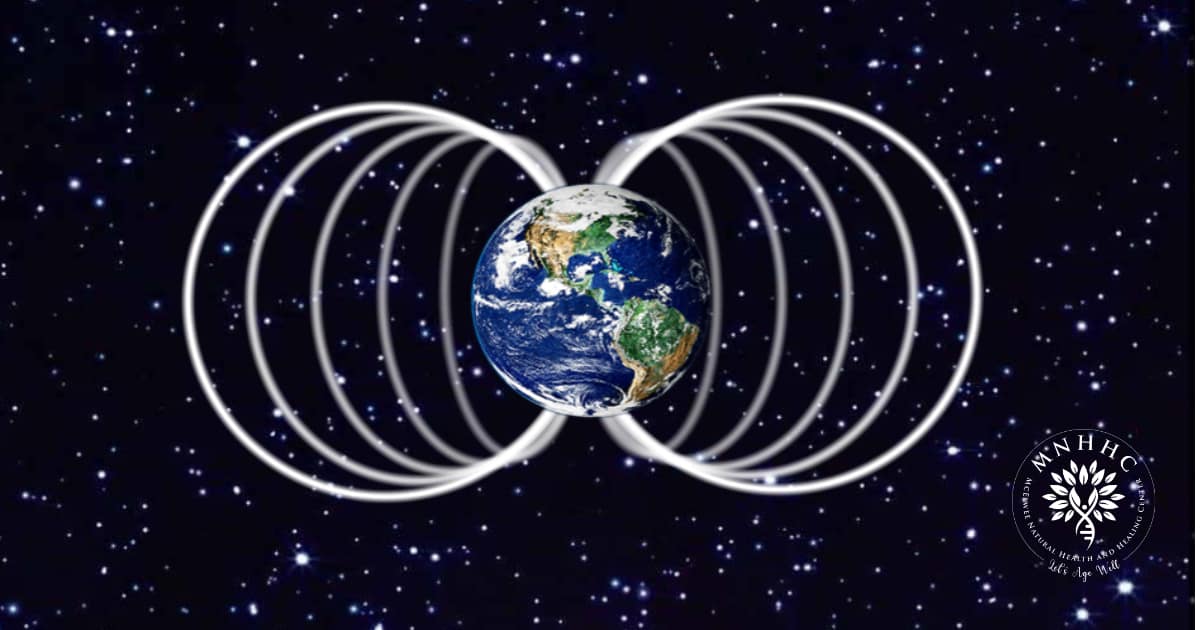
The Pulsed Electromagnetic Field (PEMF) mat operates based on the fundamental principle that our bodies are electromagnetic and, therefore, respond positively to the application of external electromagnetic fields. This mat delivers low-frequency electromagnetic pulses that mimic the natural frequencies of the Earth’s magnetic field. These pulses deeply penetrate the body’s tissues, acting as a catalyst for cell regeneration and repair.
Our bodies have evolved to resonate with these frequencies. Modern living, with its array of electronic devices and artificial sources of electromagnetic fields, can disrupt this natural resonance, leading to imbalances within our bodies. By exposing ourselves to the therapeutic electromagnetic pulses generated by the PEMF mat, we can help restore balance and harmony to our cells. This harmonizing effect promotes optimal health and well-being.
When you lay on the PEMF mat, your body absorbs the low-frequency electromagnetic pulses it emits. These pulses reach every cell and tissue in your body, stimulating them at a molecular level. This stimulation enhances cellular communication, optimizing how cells function, interact, and respond to threats.
Furthermore, these pulses boost circulation, ensuring that your cells receive the nutrients and oxygen they need while effectively removing waste products. This, in turn, supports the body’s natural healing processes, helping to repair tissue, reduce inflammation, and stimulate the production of beneficial proteins and compounds.
Over time, regular use of the PEMF mat can lead to a host of health benefits. Users may experience improved energy levels as cellular metabolism is optimized. Reduced inflammation can alleviate pain and discomfort associated with various conditions, and the body’s overall vitality is enhanced as cells function more efficiently.
The PEMF mat provides a noninvasive and effective way to support your body’s natural healing mechanisms. It’s an excellent tool for those dealing with chronic pain or fatigue, for athletes seeking faster recovery, or for anyone looking to optimize their health and well-being. Its use is a testament to the integration of ancient wisdom and modern technology, harnessing the power of the Earth’s magnetic field for therapeutic purposes.
McElwee Natural Health and Healing Center’s PEMF mat offers a holistic approach to improving your health and well-being. By harnessing the power of PEMF technology, this innovative device can support your body’s natural healing processes, reduce pain, alleviate stress, and promote better sleep. If you’re looking for a natural and effective way to enhance your overall health, consider incorporating the PEMF mat into your daily routine. Your body will thank you!
Contact us today to schedule an appointment!