
Surviving the Holidays Without Losing Your Mind (or Your Immune System)
Welcome to the most wonderful—and occasionally most chaotic—time of the year! At McElwee Natural Hea...
Welcome to the most wonderful—and occasionally most chaotic—time of the year! At McElwee Natural Hea...

At McElwee Natural Health and Healing Center, we’re committed to empowering families with info...

In a groundbreaking announcement on September 22, 2025, President Donald Trump, flanked by Health an...

In a world where modern medicine often treats symptoms with pills and procedures, what if the key to...
At McElwee Natural Health and Healing Center, we’re committed to empowering our community with knowl...
At McElwee Natural Health and Healing, our mission is to empower you to achieve vibrant health by ad...
Ever wonder why you feel bloated, exhausted, or achy after certain meals? These could be your body’s...
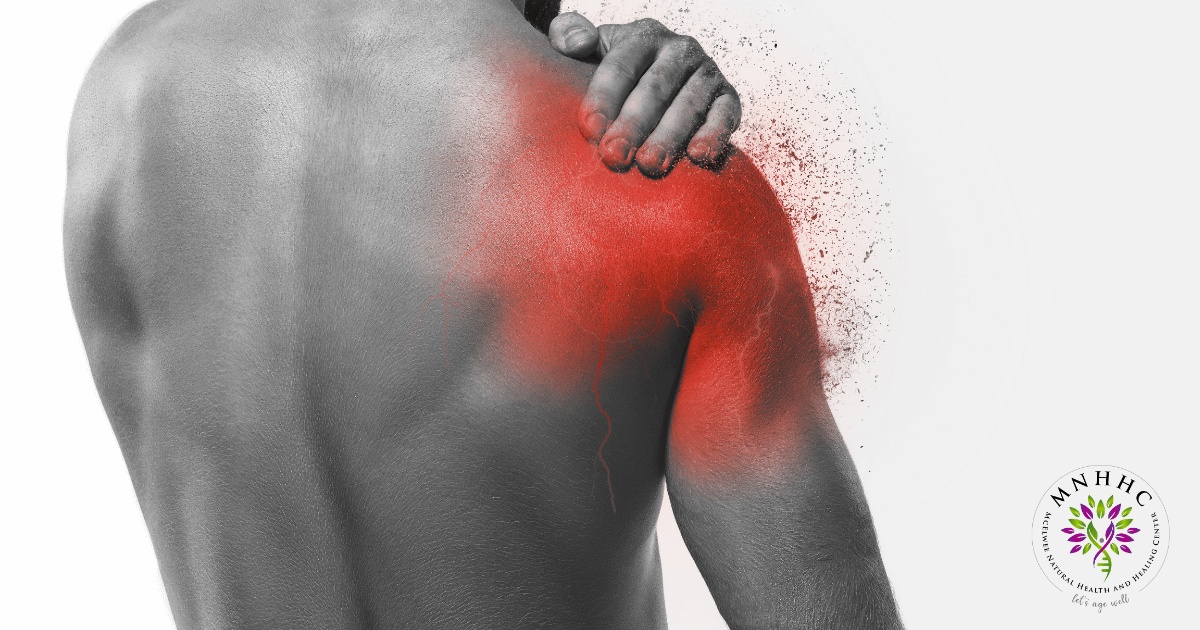
Frozen shoulder, medically known as adhesive capsulitis, is a debilitating condition characterized b...
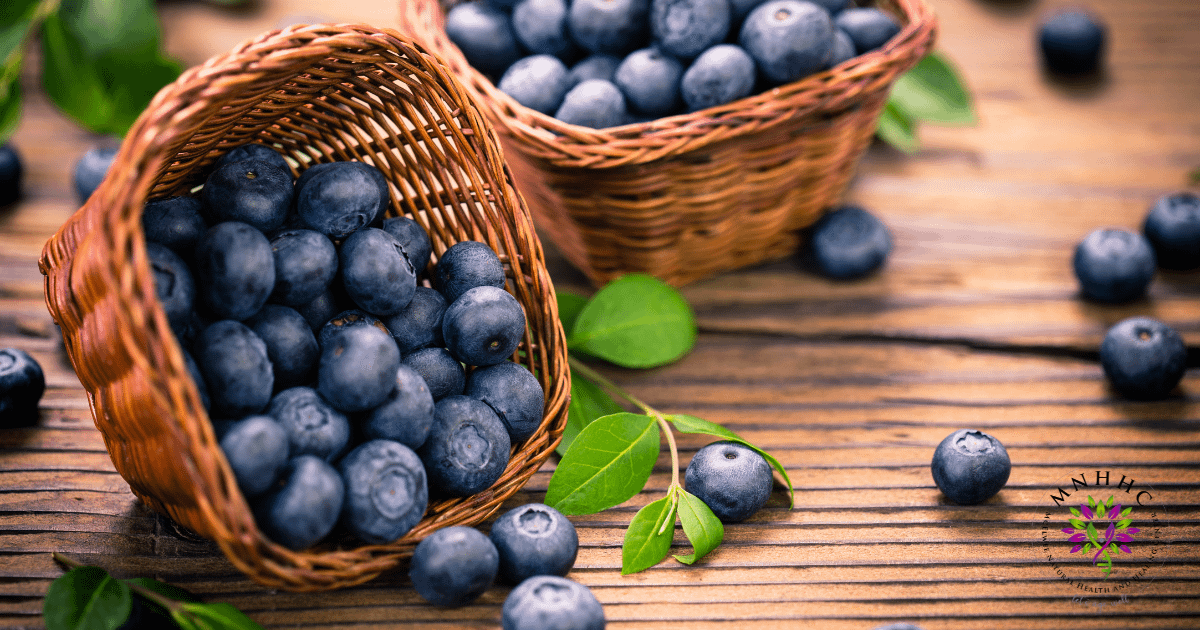
As summer heats up in Maryland, the fields are bursting with vibrant, local produce that can nourish...

At McElwee Natural Health and Healing Center, we believe in empowering you to take charge of your we...

On May 27, 2025, U.S. Health and Human Services Secretary Robert F. Kennedy Jr. unveiled a groundbre...

Seasonal allergies plague many Maryland residents, with Harford County’s high pollen counts making s...

At McElwee Natural Health and Healing Center, we’ve long championed the power of natural, whole food...

When it comes to cooking, the tools you use are just as important as the ingredients you select. Coo...

This year we have seen a resurgence of measles, a highly contagious viral disease. Before the introd...

If you’re passionate about whole, natural foods and your health, genetically modified organisms (GMO...

We were thrilled to learn of Robert F. Kennedy Jr.’s confirmation as the new Secretary of Health and...

When your child is running a fever, it can be a worrying time for any parent. The decision of whethe...

Red Dye #3, or Erythrosine, is a synthetic red coloring used in various food and cosmetic products....

The “Make America Healthy Again” (MAHA) movement emerges at a crucial time when the Unit...

The holidays are a time of coming together to get caught up in the lives of loved ones, share fond m...

The thyroid gland, a small but crucial butterfly-shaped organ in the neck, regulates a myriad of bod...
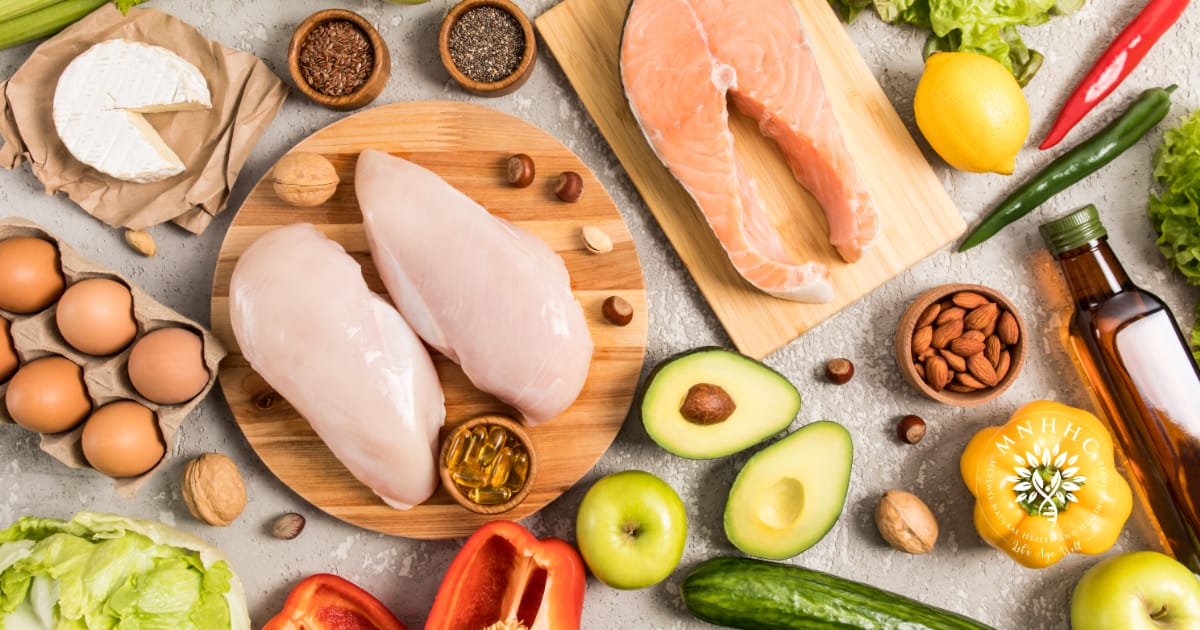
Maintaining good health relies on essential vitamins and minerals like vitamin C, calcium, and iron....
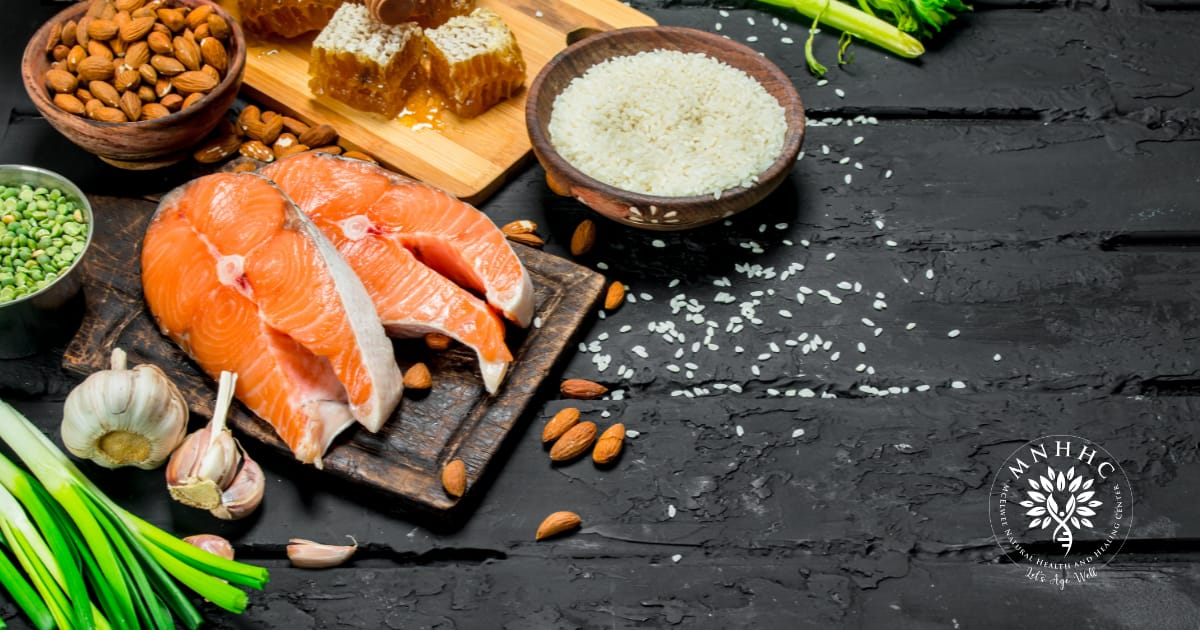
When we think about the essential nutrients contributing to our overall health, our minds often grav...

When we think about essential nutrients for our bodies, we often focus on vitamins and minerals like...
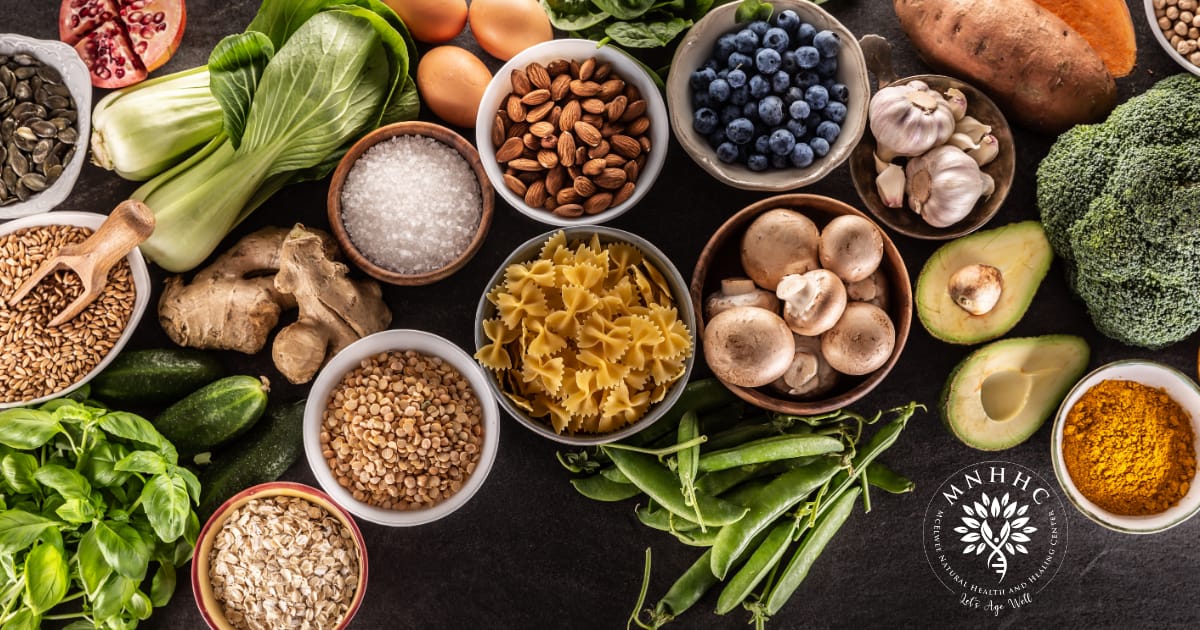
When it comes to essential minerals for our health, manganese often takes a backseat to more popular...
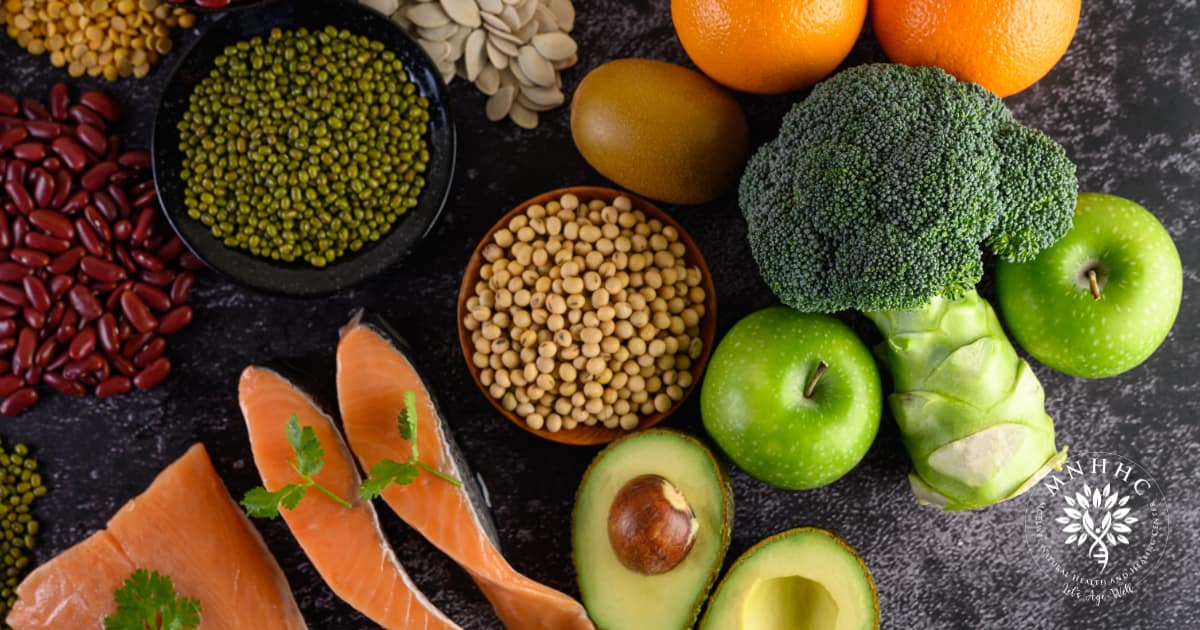
Zinc is a mineral that is crucial in maintaining overall health and well-being. While often overlook...

Many people overlook the importance of iodine in their diet when it comes to maintaining optimal hea...
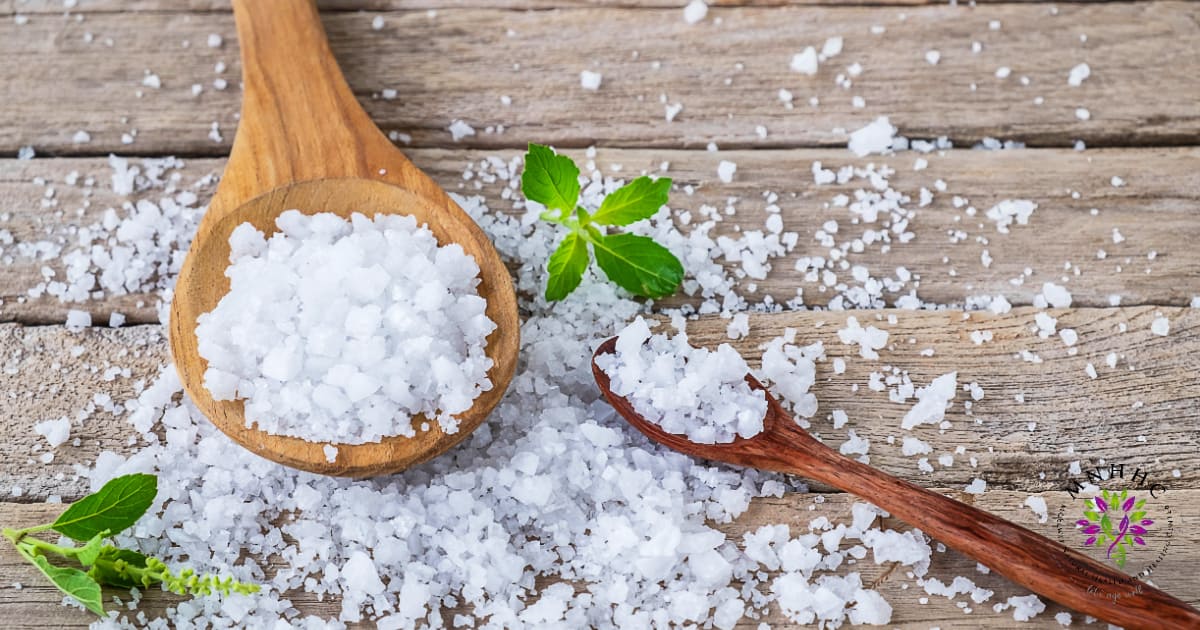
Understanding the role of sodium in our bodies is crucial to maintaining optimal health. Sodium play...
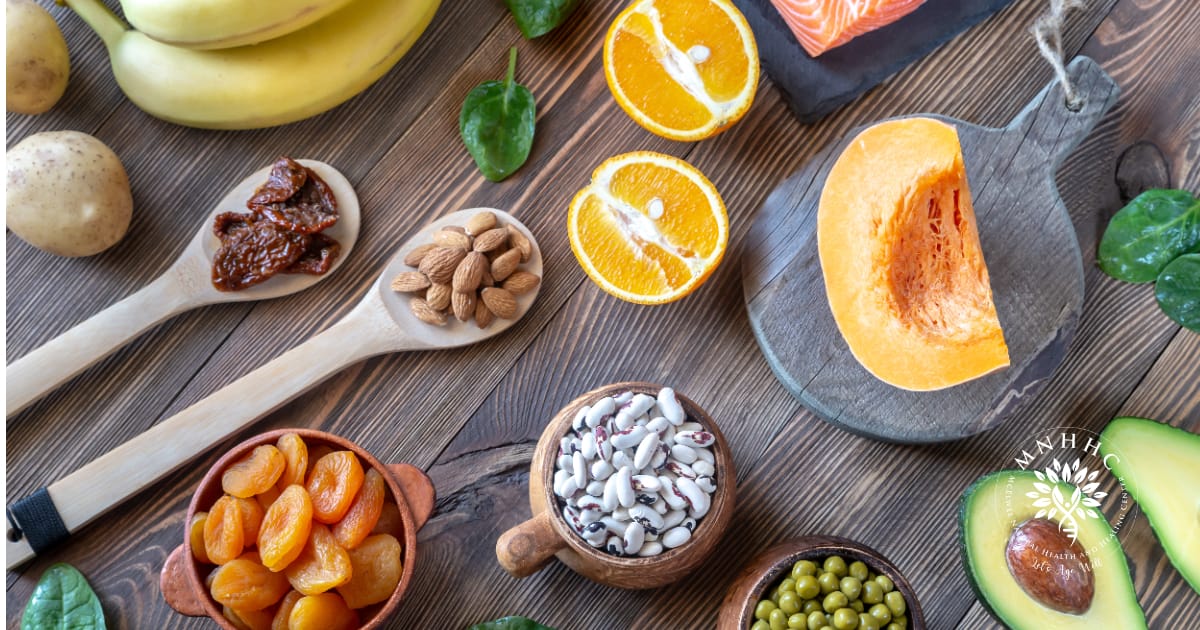
When we think about essential nutrients for our body, we often hear about the importance of vitamins...
From energy production to cell growth, phosphorus is a vital mineral that is crucial for various fun...
Calcium is an essential mineral that plays a vital role in various body functions. From strong bones...
When it comes to maintaining good health, most people are familiar with the importance of vitamins l...
Many of us are familiar with the many essential vitamins in our diet. Still, one that often gets ove...

Have you ever noticed how a sunny day can instantly boost your mood? Well, that’s not just a c...

Vitamin C stands out as the go to vitamin for maintaining optimal healt. This essential vitamin, als...
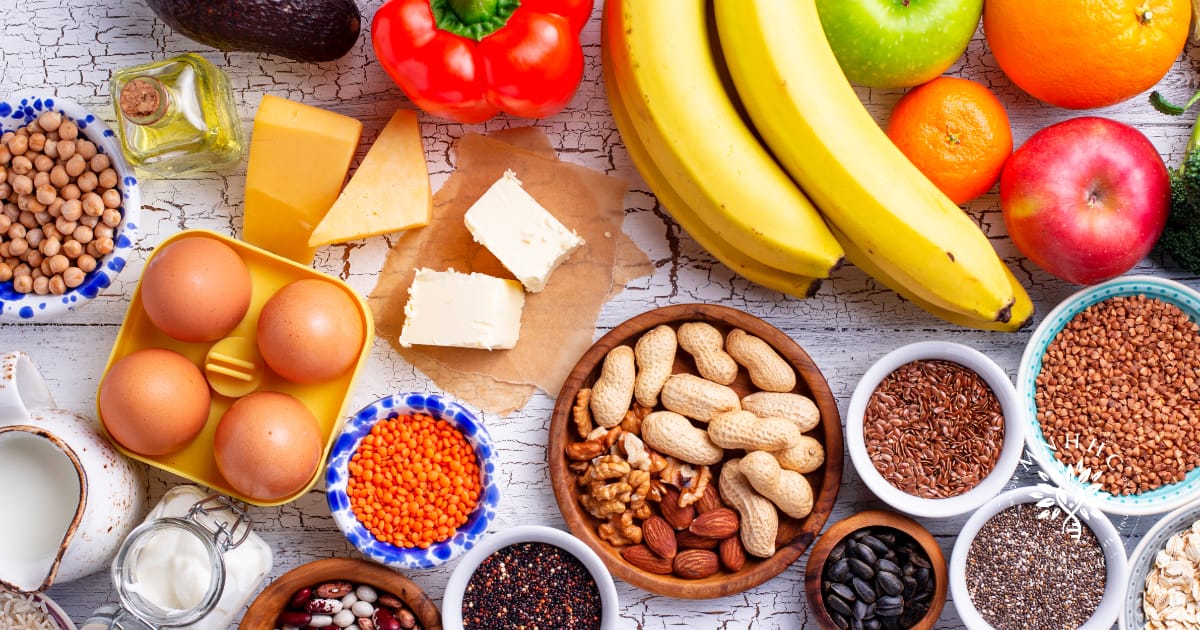
B vitamins play a crucial role in maintaining optimal health. These essential nutrients are water-so...

Vitamin A is an essential vitamin that is vital for various bodily functions. We often hear about th...
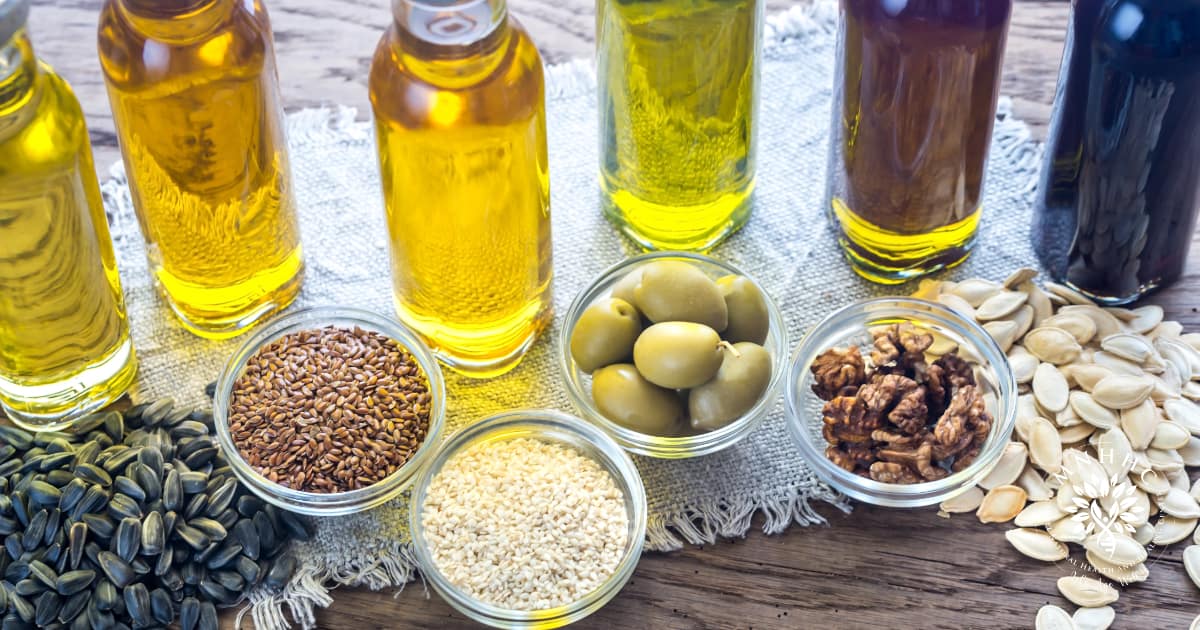
In today’s health-conscious world, many people are becoming more aware of the impact of their...

Imagine biting into a juicy, ripe tomato only to find that it lacks vibrant flavor and essential nut...

When you pick up a packaged food item from the grocery store shelf, chances are you’ll see the term...

Houseplants are not only a beautiful addition to your home decor, but they also offer numerous healt...

Feeling tired all the time is a common complaint among many people today. It can be a frustrating an...

Our bodies are constantly bombarded with toxins from the environment, food, and even the products we...

As our Dads age, it becomes increasingly important to prioritize their health and well-being. From e...

As a holistic health practice, McElwee Natural Health and Healing is dedicated to enhancing overall...

Electromagnetic fields (EMFs) are invisible lines of force that surround electronic devices and powe...

Are you seeking a natural method to enhance your overall wellness? Discover the PEMF mat at McElwee...
At McElwee Natural Health and Healing, we believe proper health is about more than just the absence...

Imagine stepping outside your home on a bright morning, the birds chirping, the sun shining, and the...

From energy production to cell growth, phosphorus is a vital mineral that is crucial for various functions within the human body. It is the most abundant mineral in the body, primarily found in bones and teeth. While phosphorus is often overshadowed by other minerals like calcium and magnesium, its importance should not be underestimated. Today, we will explore how phosphorus is crucial to our overall health and well-being.
One of the primary functions of phosphorus in the body is energy production. Phosphorus is a key component of adenosine triphosphate (ATP), the primary energy carrier in cells. ATP releases energy when broken down into adenosine diphosphate (ADP) and inorganic phosphate, providing the fuel necessary for all cellular activities. This process is what keeps us feeling energized and active.
Without an adequate supply of phosphorus, our cells would struggle to produce the energy needed to carry out essential functions such as muscle contraction, nerve transmission, and metabolism. Therefore, ensuring enough phosphorus is vital for optimal energy levels and overall vitality.
Another critical role of phosphorus in the body is its involvement in maintaining kidney function. The kidneys play a crucial role in regulating phosphorus levels in the blood by excreting excess phosphorus through urine. However, when phosphorus levels are consistently high, it can lead to complications such as kidney damage and the formation of kidney stones.
By consuming an appropriate amount of phosphorus and maintaining a balanced diet, we can help our kidneys effectively regulate phosphorus levels and prevent potential kidney-related issues. It’s important to be mindful of our phosphorus intake and ensure we strike a healthy balance to support optimal kidney function.
Phosphorus is also crucial for cell growth and repair within the body. It plays a significant role in DNA and RNA synthesis, essential cell division, and growth processes. Additionally, phosphorus is a key component of phospholipids, which are necessary for building cell membranes and maintaining cellular structure.
Without an adequate supply of phosphorus, our cells would struggle to grow and repair themselves, leading to issues such as impaired wound healing and weakened immune function.
Phosphorus also plays a crucial role in maintaining pH balance. Along with calcium, phosphorus helps to regulate the acid-base balance in the blood and tissues. This balance is essential for efficient biochemical reactions and metabolic processes. Phosphorus helps to buffer the blood, maintaining a stable pH level and preventing acidosis or alkalosis, which can have detrimental effects on overall health.
When pH levels are imbalanced, issues such as metabolic acidosis or alkalosis can occur, which can have detrimental effects on overall health.
Phosphorus is essential for muscle function and plays a vital role in muscle contraction. As mentioned earlier, it forms ATP, which provides the energy needed for muscles to contract and relax. Without an adequate supply of phosphorus, our muscles would struggle to function properly, leading to issues such as weakness and fatigue.
Whether you are an athlete looking to improve performance or simply someone looking to maintain muscle strength and function, ensuring an adequate phosphorus intake is essential.
Phosphorus deficiency is relatively rare in healthy individuals, as the mineral is abundant in many foods. However, factors such as poor diet, medical conditions, or medication use can lead to a deficiency. Symptoms of phosphorus deficiency may include fatigue, weakness, bone pain, irregular breathing, and numbness or tingling in the extremities.
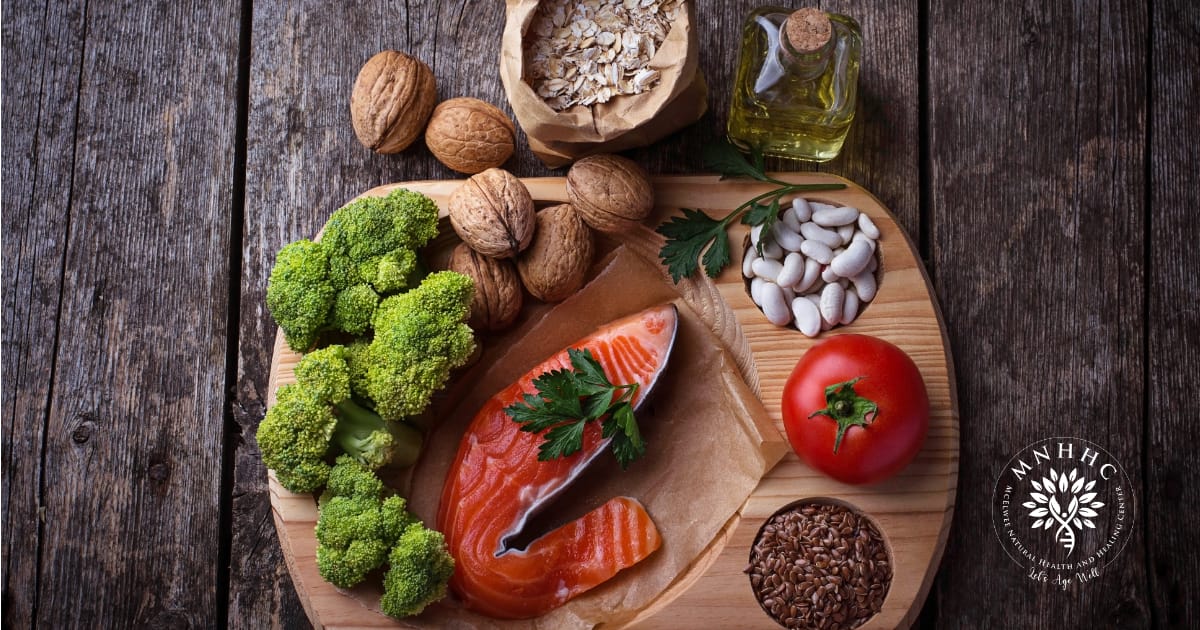
Phosphorus is found in a wide variety of foods, both in plant-based and animal-based sources. Some excellent sources of phosphorus include:
By including a variety of these foods in your diet, you can ensure you are getting an adequate supply of phosphorus to support your overall health.
It is essential to strike a balance in your diet and avoid excessive consumption of phosphorus-rich foods, as this can lead to potential health issues such as kidney damage. By being mindful of your phosphorus intake and opting for a diverse range of nutrient-dense foods, you can support your health and well-being in the long term. Excessive phosphorus intake, especially from processed foods, can lead to health issues such as cardiovascular disease and osteoporosis.
Phosphorus is a vital mineral involved in various essential functions within the human body. From energy production and cell growth to muscle function and pH balance, phosphorus plays a crucial role in supporting overall health and well-being. By understanding the importance of phosphorus and ensuring we consume an adequate supply through our diet, we can help our bodies function optimally.
Whether you are looking to improve energy levels, support kidney function, enhance muscle function, or maintain pH balance, phosphorus is a key player in achieving these goals. Contact us today for a full evaluation.

Calcium is an essential mineral that plays a vital role in various body functions. From strong bones and teeth to supporting nerve function, calcium is crucial for overall health and well-being. Today, we will explore the importance of calcium, discussing its benefits, sources, potential deficiency symptoms, and why it’s such a critical nutrient for our bodies.
One of the most well-known benefits of calcium is its pivotal role in maintaining robust and healthy bones. Calcium, a key component of bone tissue, provides the structural support necessary to keep our skeletal system resilient and strong. Understanding this role of calcium empowers us to take proactive steps to ensure our bones remain healthy and fracture-resistant.
Calcium synergizes with other minerals like phosphorus and magnesium to support bone growth, density, and strength. Ensuring a sufficient calcium intake is crucial for preventing bone-related disorders and maintaining optimal bone health throughout life.
Incorporating calcium-rich foods into your diet and adopting healthy lifestyle habits like regular exercise can support your bone health and reduce the risk of developing bone-related conditions as you age.
Aside from its role in bone health, calcium also plays a critical role in muscle function. Calcium ions are integral to muscle contraction, ensuring muscles contract and relax effectively. This knowledge helps us stay attentive to our muscle health and the importance of maintaining adequate calcium levels for optimal muscle function.
Without an adequate supply of calcium, muscle contractions can become weak or inefficient, leading to muscle cramps, spasms, or fatigue. Adequate calcium intake is essential for maintaining optimal muscle function and performance, whether you’re an athlete, a fitness enthusiast, or simply looking to stay active and mobile.
By ensuring a sufficient intake of calcium-rich foods and supporting muscle health through regular physical activity, you can promote muscle strength, endurance, and overall performance in various activities.
Another crucial role of calcium in the body is its involvement in nerve function. Calcium ions play a key role in transmitting nerve signals throughout the body, facilitating communication between the brain and various body parts. This understanding encourages us to be mindful of our nerve health and the need to maintain optimal calcium levels for efficient signal transmission.
Without adequate calcium levels, nerve function can be impaired, leading to issues like numbness, tingling, or nerve-related disorders. Maintaining optimal calcium levels through diet and supplementation can support healthy nerve function and ensure efficient communication between the brain and the rest of the body.
Whether you’re looking to improve cognitive function, enhance coordination, or simply support overall nerve health, ensuring an adequate calcium intake is essential for optimal nerve function and signal transmission.
Heart health is dependent on Calcium. Calcium ions regulate the contraction and relaxation of the heart muscle, allowing the heart to pump blood efficiently throughout the body. Additionally, calcium helps maintain the heart’s electrical conductivity, ensuring proper rhythm and function. This means that without adequate calcium levels, the heart’s ability to contract and relax effectively can be compromised, leading to arrhythmias, palpitations, or even more serious cardiovascular conditions.
Without adequate calcium levels, the heart’s ability to contract and relax effectively can be compromised, leading to arrhythmias, palpitations, or even more serious cardiovascular conditions. By supporting optimal calcium intake through diet and supplements, you can promote heart health and reduce the risk of heart-related disorders.
Whether you want to maintain a healthy heart, support cardiovascular function, or reduce the risk of heart disease, ensuring an adequate calcium intake is essential for overall heart health and well-being.
Despite the importance of calcium for various bodily functions, many people are not meeting their daily calcium requirements. Calcium deficiency can lead to multiple symptoms and health issues, indicating the need for increased calcium intake. Common symptoms of calcium deficiency include:
Recognizing these symptoms and addressing potential calcium deficiencies through dietary changes and supplementation can prevent long-term health complications and support overall well-being.
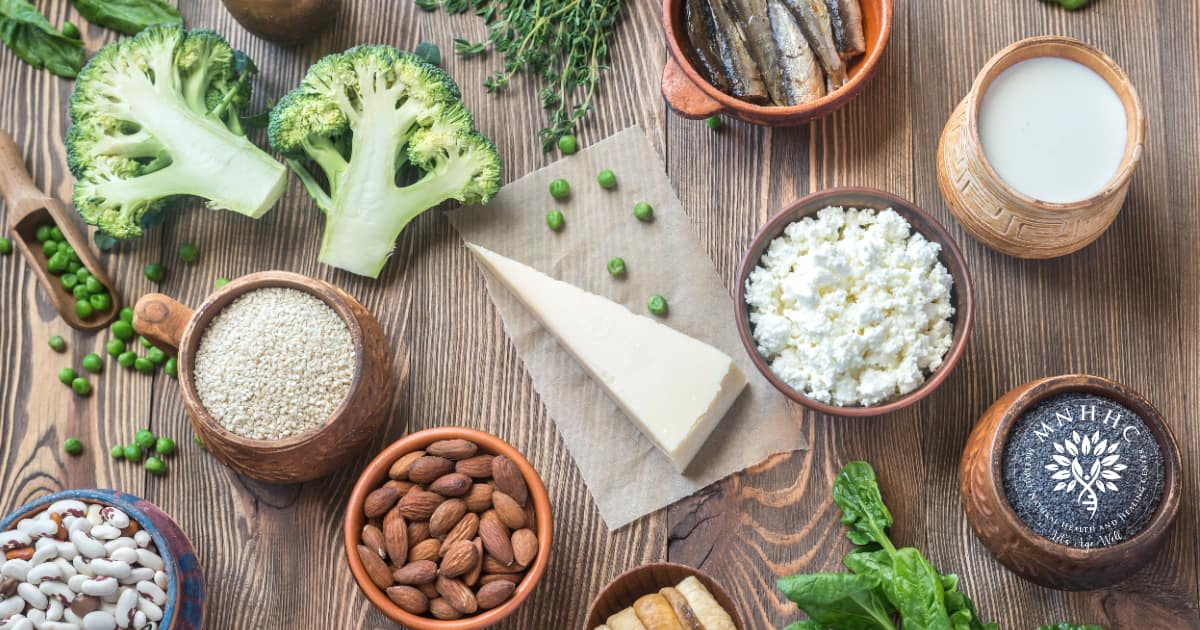
One of the best ways to ensure an adequate calcium intake is to include calcium-rich foods in your daily diet such as:
By incorporating a variety of calcium-rich foods into your meals and snacks, such as sardines, tofu, and fortified cereals, you can meet your daily calcium needs and support optimal bone, muscle, and nerve function.
Meeting daily calcium requirements through diet alone may be challenging in some cases, especially for individuals with specific dietary restrictions or limited access to calcium-rich foods. In such situations, calcium supplements can be a convenient and effective way to ensure adequate calcium intake.
Calcium supplements come in various forms, each with its own absorption rate and bioavailability. For instance, calcium carbonate is best absorbed when taken with food, while calcium citrate can be taken on an empty stomach. Calcium phosphate is often used in food fortification.
McElwee Natural Health and Healing Center offers several whole-food supplements to provide calcium support where it may be lacking.
While calcium intake is important for overall health, the body’s ability to absorb and utilize calcium can be influenced by various factors. When McElwee Natural Health and Healing Center evaluates your body’s need for a calcium supplement we also consider if you are properly metabolizing the calcium you do consume. Factors that can affect calcium absorption include:
By considering these factors and making necessary adjustments in your diet, you can enhance calcium absorption and utilization, ensuring that your body receives the full benefits of this essential mineral.
Calcium is a crucial mineral that plays a vital role in supporting bone, muscle, nerve, and heart health. From maintaining strong bones to ensuring optimal muscle and nerve function, calcium is essential for overall health and well-being.
By incorporating calcium-rich foods into your diet, considering whole-food supplements to aid in the absorption of calcium as needed, and addressing potential calcium deficiencies, you can support optimal calcium levels in the body and reduce the risk of health issues associated with calcium deficiency.
Remember, maintaining a balanced diet, staying active, and prioritizing your nutritional intake can go a long way in supporting your body’s calcium needs and promoting overall health and vitality. So, make calcium a priority in your daily routine and reap the benefits of this essential mineral for a healthier, happier life. Contact us today for an evaluation!

When it comes to maintaining good health, most people are familiar with the importance of vitamins like Vitamin C or Vitamin D. However, one vitamin that often flies under the radar is Vitamin K. Despite its lesser-known status, Vitamin K plays a crucial role in various bodily functions and is essential for overall well-being. Today, we will shed light on this often-overlooked nutrient, exploring its sources, its role in the body, the health benefits it offers, and the risks associated with Vitamin K deficiency.
So, let’s explore the world of Vitamin K and discover why this often-overlooked nutrient is vital for our health.
Vitamin K plays a crucial role in blood clotting, which is essential for wound healing and preventing excessive bleeding. When you get a cut or injury, Vitamin K helps form blood clots by activating certain proteins in the clotting cascade. Without adequate Vitamin K, your blood may not clot properly, leading to prolonged bleeding and an increased risk of hemorrhage.
In addition to its role in blood clotting, Vitamin K is also involved in bone health. It helps regulate calcium in the bones and prevents calcium from depositing in soft tissues, such as blood vessels and kidneys. This is important for maintaining strong and healthy bones and reducing the risk of conditions like osteoporosis.
Furthermore, Vitamin K has been linked to heart health. It may help prevent artery calcification, a condition where calcium builds up in the arteries, and reduce the risk of cardiovascular disease. Research also suggests that Vitamin K may regulate inflammation and support brain function.
Aside from its roles in blood clotting, bone health, and cardiovascular health, Vitamin K offers a range of other health benefits. Some studies have suggested that Vitamin K may help reduce the risk of cancer, particularly liver and prostate cancer.
In addition, Vitamin K has been shown to support skin health by promoting wound healing and reducing the appearance of bruises and spider veins. Its anti-inflammatory properties also help manage conditions like arthritis and promote overall immune function.
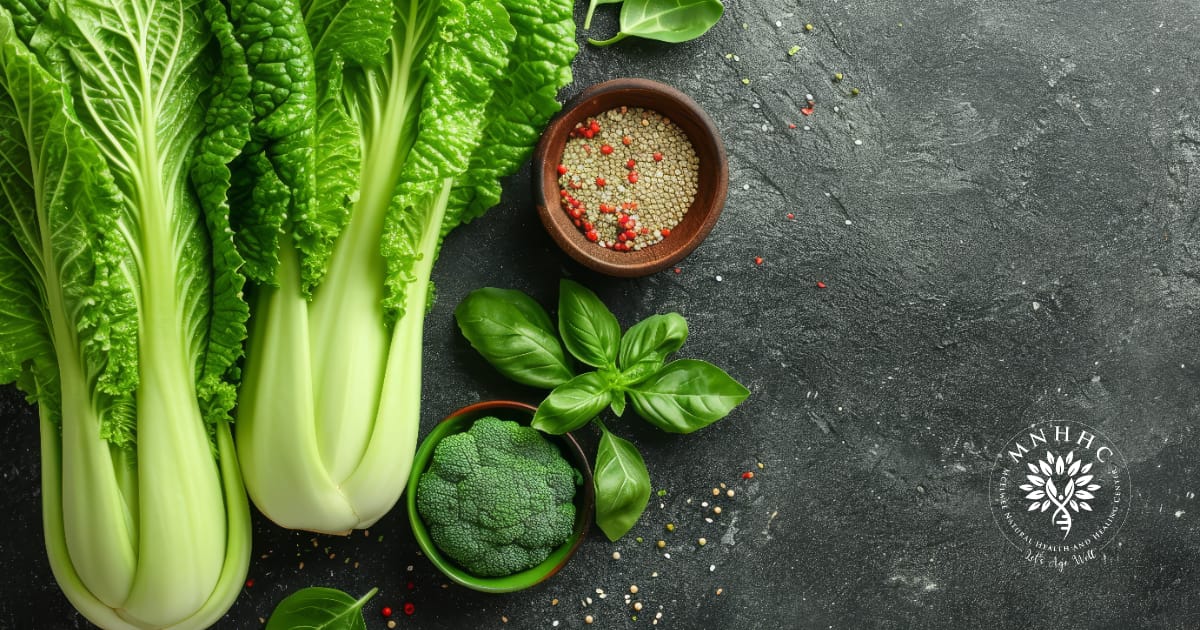
Vitamin K is a fat-soluble vitamin that is naturally present in various foods. There are two main forms of Vitamin K: Vitamin K1 (phylloquinone) and Vitamin K2 (menaquinone). Vitamin K1 is primarily found in leafy green vegetables like spinach, kale, and broccoli, as well as in certain plant oils like soybean and canola oil. On the other hand, Vitamin K2 is found in fermented foods like cheese, fermented soybeans, and animal products such as egg yolks and liver.
While Vitamin K is also produced by the bacteria in our gut, it is still important to consume sufficient amounts of this vitamin through dietary sources to meet our body’s needs.
Vitamin K deficiency can affect individuals of all ages, but certain groups are at a higher risk than others. Newborn babies, especially those who are born prematurely or have digestive disorders, are particularly vulnerable to Vitamin K deficiency. This is because babies are born with low Vitamin K levels and may not receive sufficient amounts through breast milk alone.
Individuals with malabsorption disorders, such as celiac disease or Crohn’s disease, are also at an increased risk of Vitamin K deficiency. These conditions impair the body’s ability to absorb nutrients, including fat-soluble vitamins like Vitamin K, leading to deficiencies over time.
Additionally, individuals on long-term antibiotic therapy or who have undergone gastrointestinal surgery may have reduced Vitamin K levels in their bodies.
Older adults are another group that is commonly affected by Vitamin K deficiency. As we age, our bodies may become less efficient at absorbing and utilizing nutrients, including Vitamin K. A limited diet often present for older adults can also contribute to Vitamin K deficiency leading to increased risk of osteoporosis and cardiovascular diseases.
The recommended daily intake of Vitamin K varies depending on age, gender, and specific health conditions. For adults, the recommended daily intake is 120 micrograms for males and 90 micrograms for females. Pregnant and breastfeeding women may require slightly higher amounts of Vitamin K to support the growth and development of their babies.
It is important to note that Vitamin K is a fat-soluble vitamin, meaning it is best absorbed when consumed with dietary fats. Including sources of healthy fats, such as avocados, nuts, and olive oil, in your diet can help enhance Vitamin K absorption and ensure that your body gets an adequate supply of this vital nutrient.
Some of the best food sources of Vitamin K include leafy green vegetables like spinach, kale, and broccoli, as well as fermented foods like sauerkraut and fermented soybeans. By regularly incorporating these nutrient-dense foods into your diet, you can help prevent Vitamin K deficiency and support overall health and well-being.
Vitamin K plays a crucial role in blood clotting, working in conjunction with Vitamin D to regulate calcium levels in the body. However, excessive Vitamin D supplement intake can interfere with Vitamin K’s function, leading to an increased risk of bleeding and bruising. Maintaining a balance between Vitamin K and Vitamin D intake is essential to ensure optimal health.
Some medications can also interact with Vitamin K and affect blood clotting. Individuals taking these medications may need to monitor their Vitamin K intake and work closely with their healthcare provider to ensure that they maintain a healthy balance of nutrients in their diet.
By understanding the interactions between Vitamin K and other vitamins and medications, you can take proactive steps to safeguard your health and well-being. Remember, a balanced diet is key, and by arming yourself with information about Vitamin K and its role in the body, you can make informed decisions about your diet and lifestyle choices.
Overall, Vitamin K is a versatile nutrient that plays a vital role in various aspects of health and well-being. However, it is important to ensure you get enough Vitamin K through your diet to reap these benefits. Contact us today for an evaluation!

Many of us are familiar with the many essential vitamins in our diet. Still, one that often gets overlooked is Vitamin E. This vital nutrient plays a crucial role in maintaining our health and well-being. Today, we will explore Vitamin E, its food sources, symptoms of deficiency, and its impact on our health.
Vitamin E is a powerful antioxidant that helps protect us from damage caused by free radicals. By neutralizing these harmful molecules, Vitamin E can help reduce the risk of chronic diseases such as heart disease, cancer, and Alzheimer’s. Additionally, Vitamin E is known for its anti-inflammatory properties, which can help alleviate symptoms of conditions like arthritis and asthma.
Furthermore, Vitamin E is essential for maintaining healthy skin and hair. It can help prevent premature aging by protecting the skin from UV radiation and promoting collagen production. Vitamin E also promotes wound healing and reduces the appearance of scars.
Moreover, Vitamin E has been linked to improved immune function and cognitive health. Studies have shown that Vitamin E may help boost the immune system’s response to infections and reduce the risk of cognitive decline as we age.
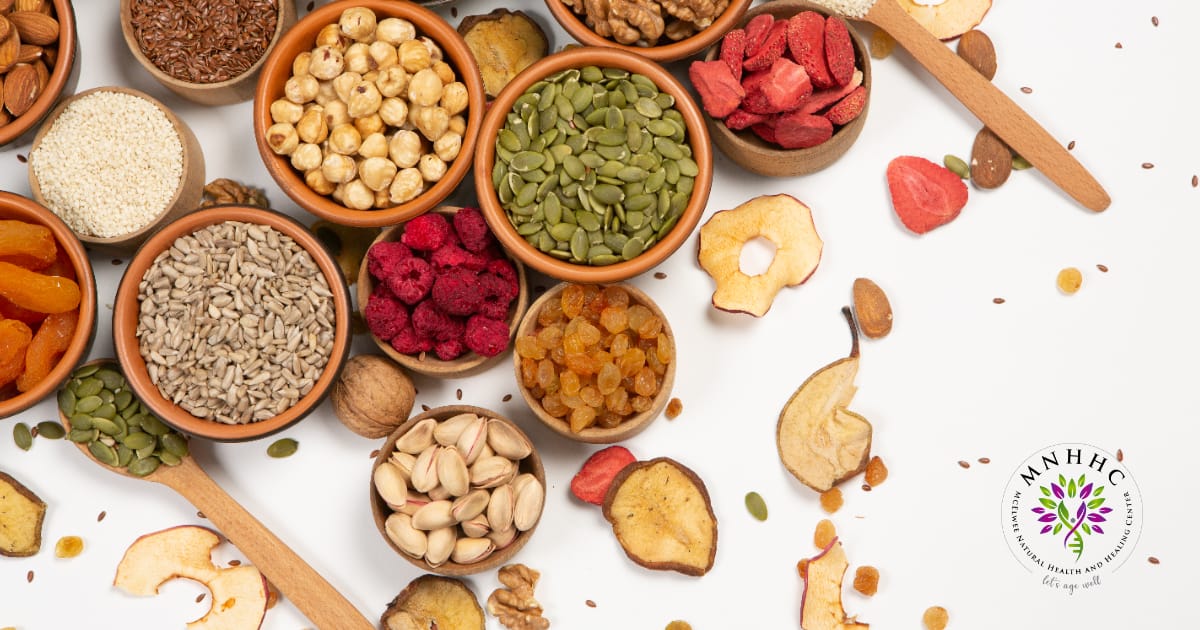
While Vitamin E is widely available in many foods, some of the best sources include nuts and seeds, such as almonds, sunflower seeds, and hazelnuts. Vegetable oils, like sunflower, safflower, and wheat germ oil, are also rich in Vitamin E. Other sources include green leafy vegetables, whole grains, and fortified cereals.
It is important to note that Vitamin E is a fat-soluble vitamin, which means it is best absorbed when consumed with dietary fat. Including a variety of Vitamin E-rich foods in your diet can help ensure you meet your daily requirements.
Supplements are also available for those with difficulty getting enough Vitamin E through diet alone. McElwee Natural Health and Healing Center offers a variety of whole-food supplements to boost Vitamin E levels.
Vitamin E deficiency is rare but can lead to serious health consequences. Symptoms may include muscle weakness, vision problems, and impaired immune function. In severe cases, Vitamin E deficiency can result in nerve damage and an increased risk of infections.
People at risk for Vitamin E deficiency include those with malabsorption disorders, such as Crohn’s disease or cystic fibrosis, and premature infants who may not receive enough Vitamin E from breast milk or formula.
Vitamin E is a popular ingredient in skincare products for good reason. Its antioxidant properties help protect the skin from oxidative stress and damage caused by environmental factors like pollution and UV radiation. By neutralizing free radicals, Vitamin E can help prevent premature aging and improve overall skin health.
Additionally, Vitamin E has anti-inflammatory properties that can help soothe irritated skin and reduce redness and swelling. It also promotes wound and scar healing by supporting skin cell regeneration.
Incorporating Vitamin E-rich foods into your diet and using skincare products containing Vitamin E can help improve the appearance and health of your skin. Remember, healthy skin starts from within!
Vitamin E may protect heart health by reducing the risk of heart disease and stroke. As an antioxidant, it helps prevent the oxidation of LDL cholesterol, which can lead to plaque formation in the arteries. Vitamin E can also help maintain cardiovascular health by keeping cholesterol levels in check.
Furthermore, Vitamin E has anti-inflammatory properties that can help reduce inflammation in the blood vessels and improve blood flow. This can lower the risk of blood clots and improve overall heart function.
Incorporating Vitamin E-rich foods, such as nuts, seeds, and vegetable oils, into your diet can help support heart health and reduce the risk of cardiovascular disease. Remember, a healthy heart is essential for a long and fulfilling life!
Vitamin E is crucial in maintaining eye health and preventing age-related vision problems. As an antioxidant, Vitamin E helps protect the cells in our eyes from damage caused by free radicals. By reducing oxidative stress, Vitamin E can help prevent conditions like cataracts and macular degeneration, which can lead to vision loss.
Additionally, Vitamin E has anti-inflammatory properties that can help reduce eye inflammation and promote overall eye health. Studies have shown that Vitamin E supplementation may help improve visual acuity and reduce the risk of developing certain eye diseases.
Incorporating Vitamin E-rich foods, such as nuts, seeds, and leafy greens, into your diet can help support your health and preserve your vision as you age. Remember, caring for your eyes is essential for maintaining a high quality of life!
The recommended daily Vitamin E intake varies depending on age, sex, and life stage. Adults’ recommended dietary allowance (RDA) for Vitamin E is 15 milligrams (22.4 IU) daily. Pregnant and breastfeeding women may need slightly higher amounts to support the growth and development of their babies.
It is important to note that getting Vitamin E through food sources is the best way to ensure you meet your daily requirements. Including a variety of Vitamin E-rich foods in your diet, such as nuts, seeds, and vegetable oils, can help you maintain optimal levels of this essential nutrient.
Vitamin E is a vital nutrient that plays a crucial role in maintaining our overall health and well-being. From protecting our cells from damage to supporting heart, skin, and eye health, Vitamin E is essential for the optimal functioning of our bodies.
By incorporating Vitamin E-rich foods into your diet and using skincare products containing Vitamin E, you can reap the many benefits of this nutrient. Remember, a balanced and varied diet is vital to meet your daily requirements of Vitamin E and other essential nutrients.
So, next time you reach for a snack, consider grabbing a handful of nuts or adding a drizzle of olive oil to your salad to boost your Vitamin E intake. Your body will thank you for it! Contact us today to evaluate your need for Vitamin E.

Have you ever noticed how a sunny day can instantly boost your mood? Well, that’s not just a coincidence. Sunlight is essential for producing Vitamin D in our bodies and is often referred to as the “sunshine vitamin.” While it’s known that Vitamin D is crucial for bone health, its benefits extend far beyond structural. Today, we will discuss the sources of Vitamin D, its numerous benefits, the symptoms of deficiency, and how to ensure you’re getting enough of this vital nutrient.
While sunlight is the primary source of Vitamin D, there are also dietary sources that can help you meet your daily requirements. Foods like fatty fish (salmon, mackerel, and tuna), egg yolks, and fortified (milk, orange juice, and cereals) are excellent sources of Vitamin D. However, it can be challenging to get enough Vitamin D from food alone, especially for those who live in regions with limited sunlight.
Our bodies are designed to produce Vitamin D when our skin is exposed to sunlight. Specifically, UVB rays from the sun trigger the synthesis of Vitamin D in the skin. Just 10-15 minutes of sun exposure on your face, arms, and legs a few times a week can provide an adequate amount of Vitamin D. However, factors like sunscreen use, time of day, season, and skin pigmentation can affect the production of Vitamin D from sunlight.
So, while getting sun exposure is crucial for Vitamin D production, it’s also essential to incorporate Vitamin D-rich foods into your diet to ensure you meet your daily requirements.
Vitamin D plays a crucial role in maintaining overall health and well-being. One of its primary functions is to regulate the absorption of calcium and phosphorus, essential minerals for bone health. Adequate levels of Vitamin D help prevent conditions like osteoporosis and rickets, especially in children.
But Vitamin D’s benefits go beyond bone health. Research suggests that it may also play a role in immune function, mood regulation, and even cardiovascular health. Some studies have linked Vitamin D deficiency to an increased risk of conditions like heart disease, diabetes, and certain types of cancer.
Ensuring you’re getting enough Vitamin D is not just about strong bones—it’s about supporting your overall health and well-being.
Despite its importance, vitamin D deficiency is incredibly common, especially in regions with limited sunlight or during the winter months. Symptoms can vary but may include fatigue, muscle weakness, bone pain, and a weakened immune system.
In children, severe Vitamin D deficiency can lead to rickets, characterized by soft and weak bones. In adults, a lack of Vitamin D has been linked to osteoporosis, increased risk of fractures, and other chronic health conditions. If you’re experiencing any of these symptoms, it’s essential to speak to your healthcare provider and get your Vitamin D levels checked.
But fear not! You can prevent and correct Vitamin D deficiency with simple lifestyle changes and dietary adjustments.
Untreated Vitamin D deficiency can have severe consequences for your health. In addition to bone-related conditions like osteoporosis and rickets, Vitamin D deficiency has been linked to an increased risk of chronic diseases like heart disease, diabetes, and certain types of cancer.
Research also suggests that low levels may impact immune function, making people more susceptible to infections and illnesses. Addressing and correcting a deficiency can reduce the risk of these health complications and support overall well-being.
Remember, prevention is key when it comes to Vitamin D deficiency. By prioritizing sun exposure, incorporating Vitamin D-rich foods into your diet, and considering supplementation if necessary, you can protect your health and ensure you get all the benefits of this essential nutrient.
So, how can you ensure you’re getting enough Vitamin D to support your health? Here are some simple tips:
Incorporating these strategies into your daily routine can help you maintain optimal Vitamin D levels and support your overall health.
Vitamin D is a crucial nutrient vital in maintaining overall health and well-being. It is essential for a wide range of bodily functions, from supporting bone health to immune function and beyond. However, many struggle to get enough, leading to deficiency and potential health complications.
Prioritizing sun exposure, incorporating Vitamin D-rich foods into your diet, and considering supplementation if necessary ensures that you can get enough of this essential nutrient to support your health. Remember, prevention is key. Take proactive steps to protect your health and well-being. Call us today for an evaluation!

Vitamin C stands out as the go to vitamin for maintaining optimal healt. This essential vitamin, also known as ascorbic acid, plays a crucial role in supporting our well-being. From boosting our immune system to promoting collagen production, Vitamin C is a powerhouse nutrient we all need to include in our daily diet.
Today, we will explore the numerous benefits of Vitamin C, its food sources, recommended daily intake, and its role in supporting our immune system. So, grab an orange, and let’s dive into the world of Vitamin C!
One of the best ways to ensure you are getting enough Vitamin C is to include a variety of fruits and vegetables in your diet. Citrus fruits, such as oranges, lemons, and grapefruits, are well-known for their high Vitamin C content. Other excellent sources include strawberries, kiwi, bell peppers, and broccoli.
It’s important to note that Vitamin C is water-soluble, which means that our bodies do not store it. Consuming Vitamin C-rich foods is crucial to maintaining optimal levels in our bodies.
In addition to whole foods, Vitamin C supplements are also available for those who may have difficulty meeting their daily requirements through diet alone. McElwee Natural Health and Healing offers several whole-food supplement options to boost your Vitamin C intake.
The recommended daily Vitamin C intake varies depending on age, gender, and other factors. The recommended daily allowance for most adults is around 75-90 milligrams per day. However, during illness or stress, our bodies may require higher doses of Vitamin C to support our immune system and overall health.
Pregnant and breastfeeding women may have higher Vitamin C requirements as do smokers and individuals with certain medical conditions that increase their need for antioxidants.
From its role in boosting the immune system and antioxidant properties to collagen production and wound healing, Vitamin C keeps the body healthy.
One of the most well-known benefits of Vitamin C is its pivotal role in bolstering our immune system. Vitamin C not only stimulates the production of white blood cells, which are crucial for fighting infections and illnesses, but also enhances the function of these immune cells, making our bodies more adept at defending against pathogens. This reassures us that our immune system is being well-supported by this powerful nutrient.
During stress or illness, our bodies may require higher doses of Vitamin C to support our immune response. Research has shown that Vitamin C can help reduce the duration and severity of colds, flu, and other respiratory infections. Including Vitamin C-rich foods in your diet can help keep your immune system strong and resilient.
Aside from its immune system support, Vitamin C also serves as a robust antioxidant, safeguarding our cells from damage caused by free radicals. These harmful molecules can lead to oxidative stress, which has been linked to various chronic diseases such as heart disease and cancer. By neutralizing free radicals, Vitamin C helps reduce the risk of chronic diseases such as heart disease, cancer, and diabetes.
By scavenging free radicals, Vitamin C helps reduce the risk of chronic diseases such as heart disease, cancer, and diabetes. It also protects our skin from UV damage and premature aging. Including Vitamin C-rich foods in your diet ensures you get an adequate amount of this vital antioxidant.
Collagen, the most abundant protein in our bodies, is crucial for maintaining the health of our skin, joints, and blood vessels. Vitamin C plays a key role in collagen production. This protein is essential for maintaining the health of our skin, joints, and blood vessels. Collagen helps keep our skin firm and youthful, supports joint flexibility, and ensures the integrity of our blood vessels. Including Vitamin C-rich foods in our diet can help support collagen synthesis and keep our bodies functioning optimally.
Another significant benefit of Vitamin C is its role in wound healing. Vitamin C helps promote the growth of new tissue and speeds up the repair process, making it essential to heal cuts, scrapes, and other injuries.
By supporting collagen production and enhancing the function of immune cells, Vitamin C helps our bodies heal faster and more effectively. Whether you have a minor injury or a more significant wound, adequate Vitamin C intake can help promote optimal healing and reduce the risk of complications.
Vitamin C is a vital nutrient that is crucial to our overall health and well-being. From boosting our immune system to promoting collagen production and wound healing, Vitamin C is a powerhouse nutrient that we all need to include in our daily diet.
By incorporating Vitamin C-rich foods such as citrus fruits, berries, and vegetables into our meals, we can ensure we get an adequate amount of this essential vitamin. Whether you are looking to prevent illness, support your skin health, or promote wound healing, Vitamin C is a valuable ally in keeping your body functioning optimally.
If you need help adding Vitamin C to your diet give us a call!