
Surviving the Holidays Without Losing Your Mind (or Your Immune System)
Welcome to the most wonderful—and occasionally most chaotic—time of the year! At McElwee Natural Hea...

Welcome to the most wonderful—and occasionally most chaotic—time of the year! At McElwee Natural Hea...

At McElwee Natural Health and Healing Center, we’re committed to empowering families with info...

In a groundbreaking announcement on September 22, 2025, President Donald Trump, flanked by Health an...

In a world where modern medicine often treats symptoms with pills and procedures, what if the key to...

At McElwee Natural Health and Healing Center, we’re committed to empowering our community with knowl...

At McElwee Natural Health and Healing, our mission is to empower you to achieve vibrant health by ad...
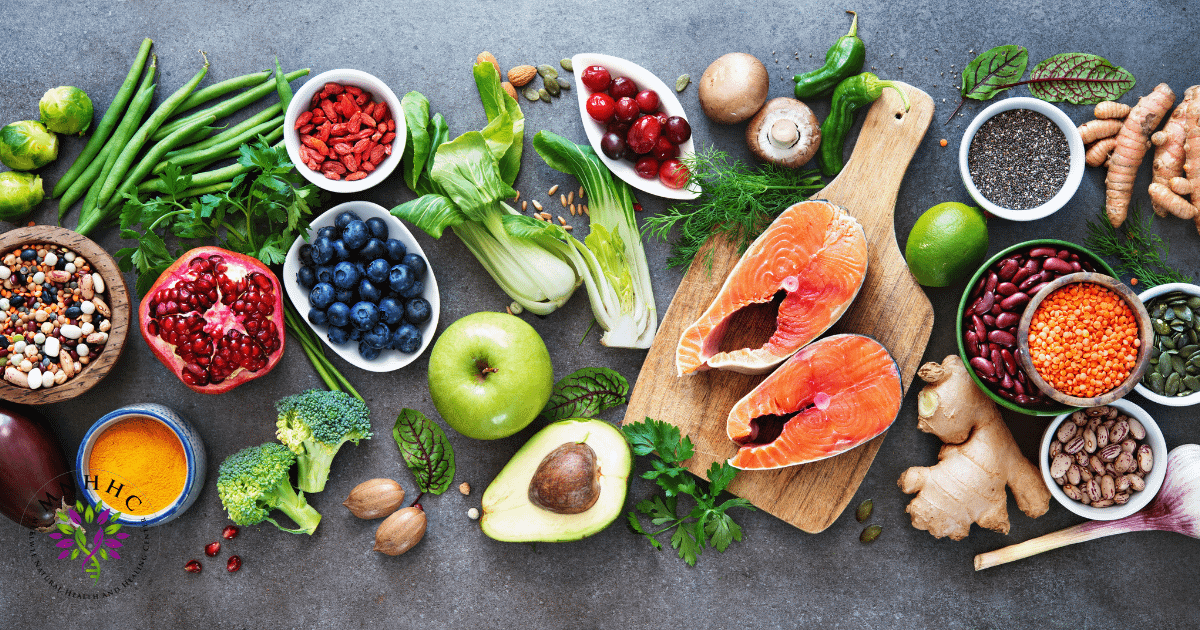
Ever wonder why you feel bloated, exhausted, or achy after certain meals? These could be your body’s...

Frozen shoulder, medically known as adhesive capsulitis, is a debilitating condition characterized b...

As summer heats up in Maryland, the fields are bursting with vibrant, local produce that can nourish...

At McElwee Natural Health and Healing Center, we believe in empowering you to take charge of your we...

On May 27, 2025, U.S. Health and Human Services Secretary Robert F. Kennedy Jr. unveiled a groundbre...

Seasonal allergies plague many Maryland residents, with Harford County’s high pollen counts making s...

At McElwee Natural Health and Healing Center, we’ve long championed the power of natural, whole food...

When it comes to cooking, the tools you use are just as important as the ingredients you select. Coo...

This year we have seen a resurgence of measles, a highly contagious viral disease. Before the introd...

If you’re passionate about whole, natural foods and your health, genetically modified organisms (GMO...

We were thrilled to learn of Robert F. Kennedy Jr.’s confirmation as the new Secretary of Health and...

When your child is running a fever, it can be a worrying time for any parent. The decision of whethe...

Red Dye #3, or Erythrosine, is a synthetic red coloring used in various food and cosmetic products....

The “Make America Healthy Again” (MAHA) movement emerges at a crucial time when the Unit...

The holidays are a time of coming together to get caught up in the lives of loved ones, share fond m...

The thyroid gland, a small but crucial butterfly-shaped organ in the neck, regulates a myriad of bod...

Maintaining good health relies on essential vitamins and minerals like vitamin C, calcium, and iron....
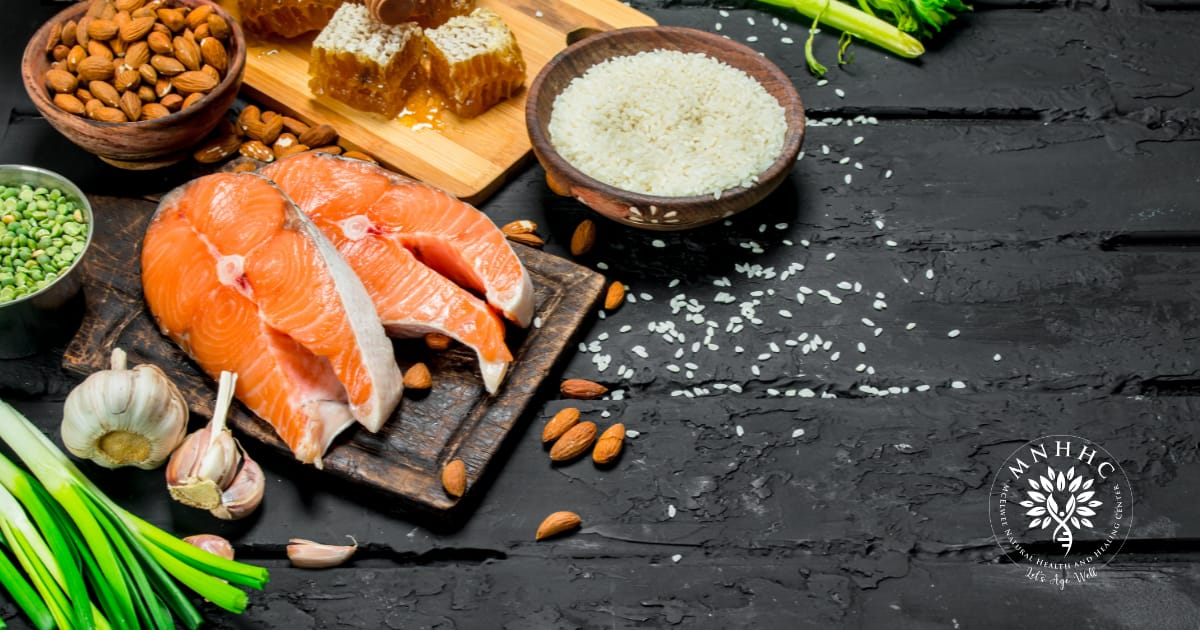
When we think about the essential nutrients contributing to our overall health, our minds often grav...

When we think about essential nutrients for our bodies, we often focus on vitamins and minerals like...
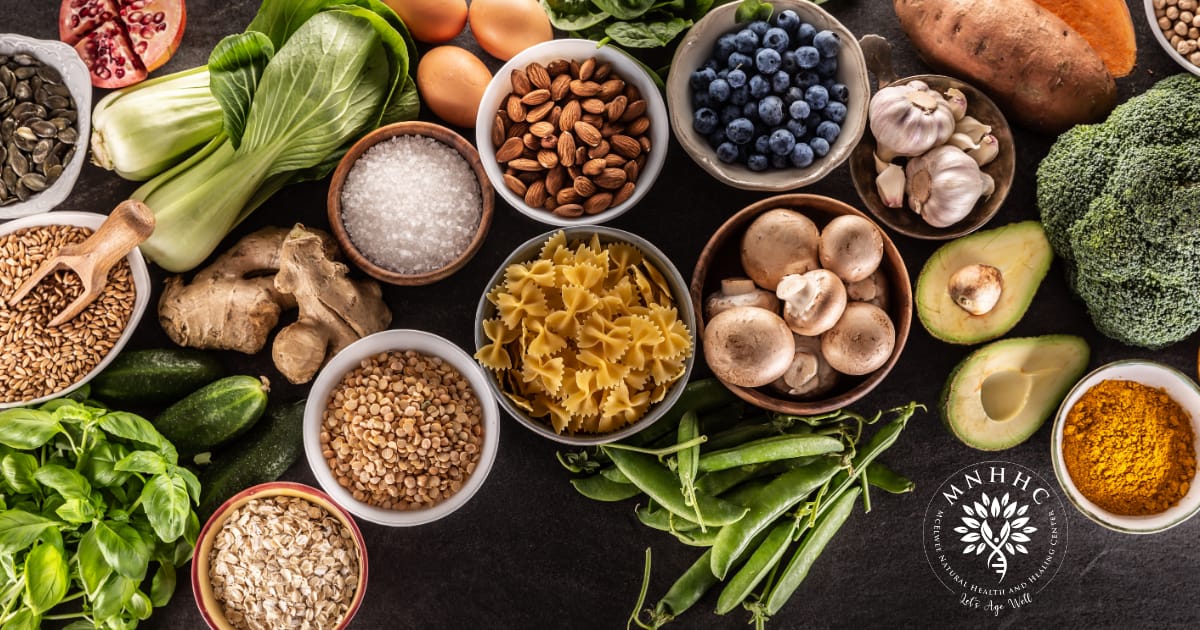
When it comes to essential minerals for our health, manganese often takes a backseat to more popular...
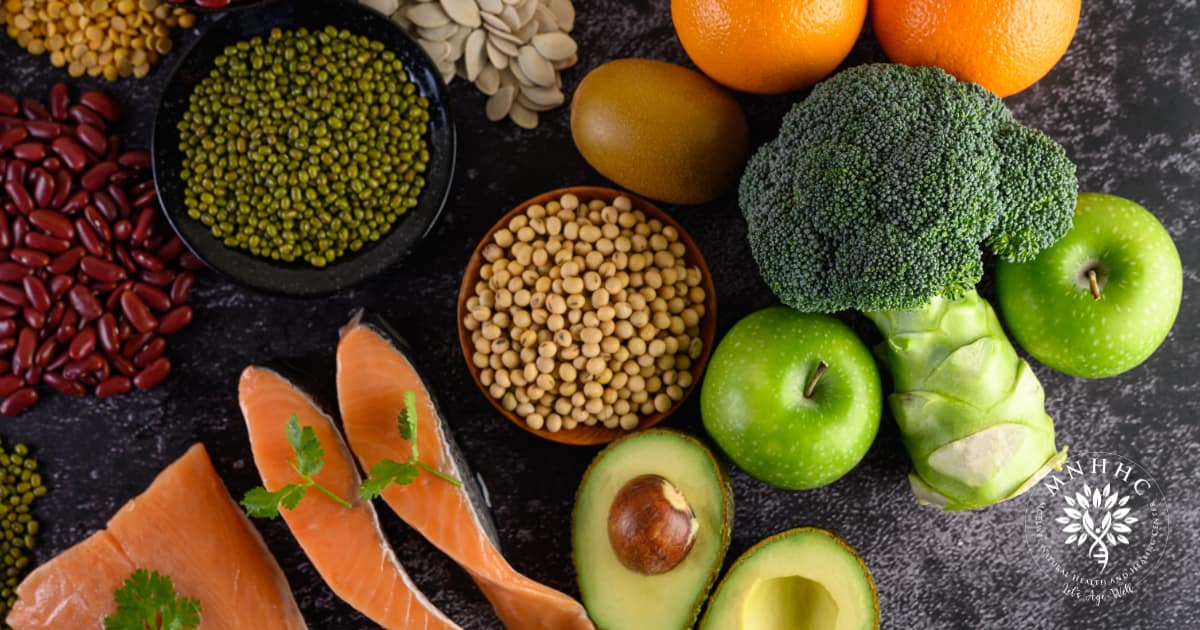
Zinc is a mineral that is crucial in maintaining overall health and well-being. While often overlook...

Many people overlook the importance of iodine in their diet when it comes to maintaining optimal hea...
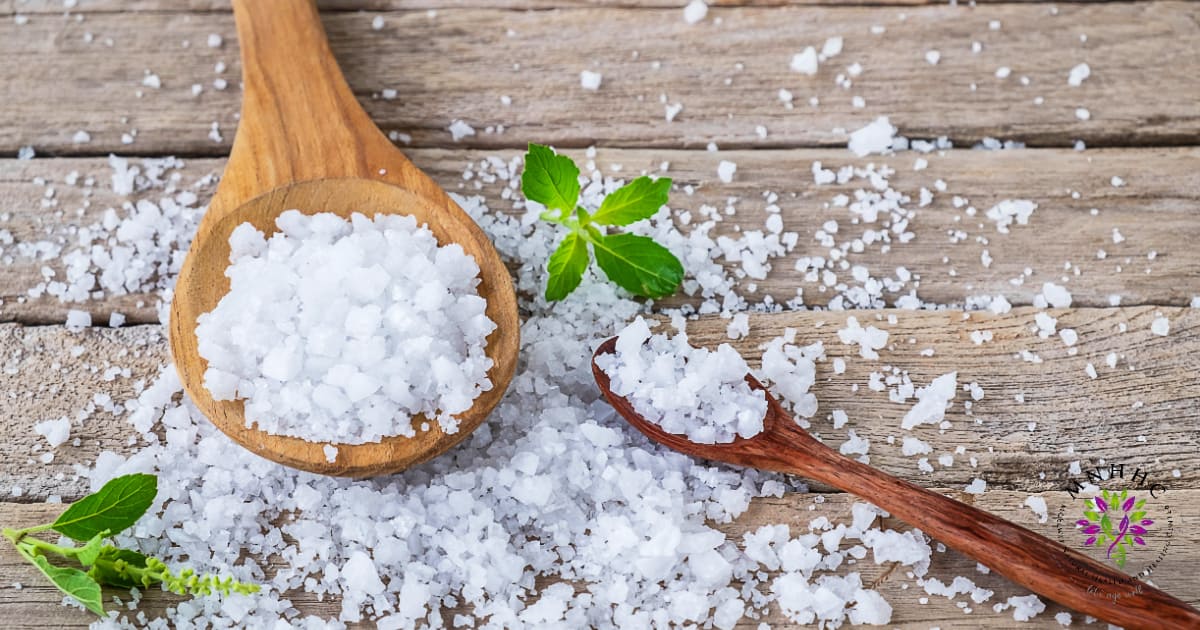
Understanding the role of sodium in our bodies is crucial to maintaining optimal health. Sodium play...
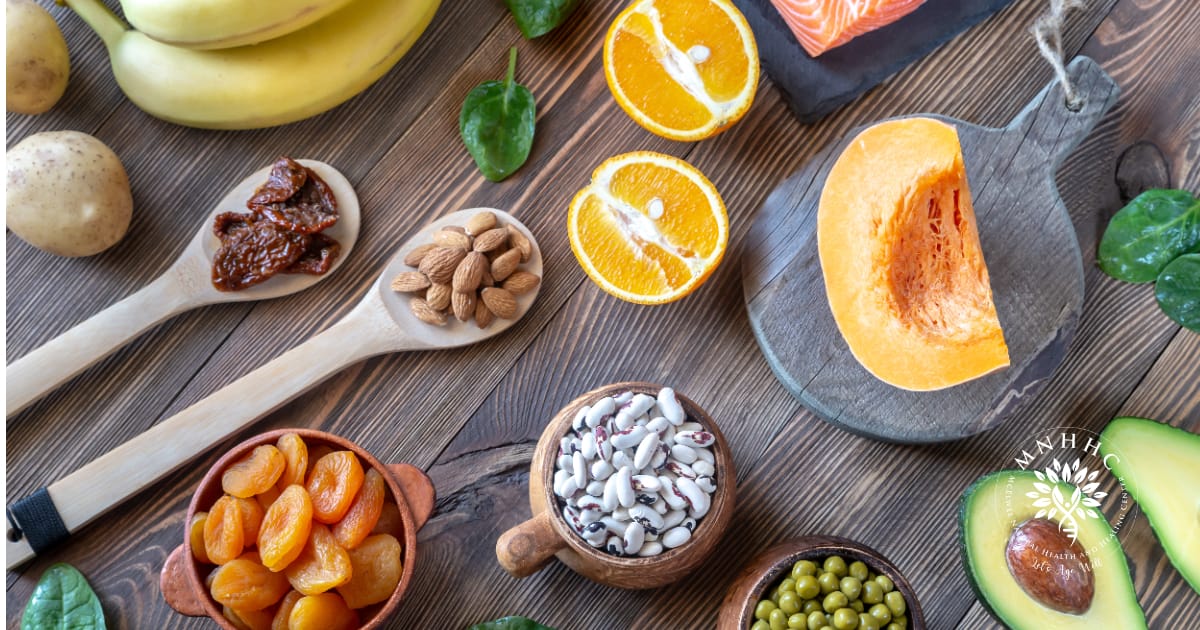
When we think about essential nutrients for our body, we often hear about the importance of vitamins...

From energy production to cell growth, phosphorus is a vital mineral that is crucial for various fun...

Calcium is an essential mineral that plays a vital role in various body functions. From strong bones...

When it comes to maintaining good health, most people are familiar with the importance of vitamins l...
Many of us are familiar with the many essential vitamins in our diet. Still, one that often gets ove...

Have you ever noticed how a sunny day can instantly boost your mood? Well, that’s not just a c...

Vitamin C stands out as the go to vitamin for maintaining optimal healt. This essential vitamin, als...
B vitamins play a crucial role in maintaining optimal health. These essential nutrients are water-so...

Vitamin A is an essential vitamin that is vital for various bodily functions. We often hear about th...

In today’s health-conscious world, many people are becoming more aware of the impact of their...

Imagine biting into a juicy, ripe tomato only to find that it lacks vibrant flavor and essential nut...

When you pick up a packaged food item from the grocery store shelf, chances are you’ll see the term...

Houseplants are not only a beautiful addition to your home decor, but they also offer numerous healt...

Feeling tired all the time is a common complaint among many people today. It can be a frustrating an...

Our bodies are constantly bombarded with toxins from the environment, food, and even the products we...

As our Dads age, it becomes increasingly important to prioritize their health and well-being. From e...

As a holistic health practice, McElwee Natural Health and Healing is dedicated to enhancing overall...

Electromagnetic fields (EMFs) are invisible lines of force that surround electronic devices and powe...

Are you seeking a natural method to enhance your overall wellness? Discover the PEMF mat at McElwee...

At McElwee Natural Health and Healing, we believe proper health is about more than just the absence...

Imagine stepping outside your home on a bright morning, the birds chirping, the sun shining, and the...

When we think about essential nutrients for our bodies, we often focus on vitamins and minerals like vitamin C or calcium. However, as we have discussed, several minerals are so very important to our health that we don’t tend to consider them. Chloride is an electrolyte that plays a vital role in various bodily functions, from digestion to muscle function. Today, we will explore the importance of chloride for our health and delve into its various roles in the body.
Electrolytes are minerals in our bodies that carry an electric charge and are essential for various physiological processes. Chloride, along with sodium and potassium, is one of the primary electrolytes that help maintain fluid balance. It is crucial for regulating osmotic pressure, ensuring the right amount of water is distributed inside and outside our cells. Without adequate chloride levels, our bodies may experience dehydration, muscle cramps, and heart irregularities.
In addition to fluid balance, chloride also plays a role in maintaining the body’s acid-base balance. It helps regulate the pH levels in our blood and tissues, ensuring that our bodies function optimally. When chloride levels are out of balance, it can lead to conditions like metabolic alkalosis or acidosis, which can have serious consequences for our health.
Chloride is also a key player in the digestive process. As a component of hydrochloric acid produced in the stomach, it aids in breaking down food particles into smaller molecules for absorption.
Without enough chloride, our bodies may struggle to produce adequate hydrochloric acid, leading to digestive issues like indigestion, bloating, and nutrient deficiencies. In some cases, low chloride levels can even result in conditions like hypochloremia, which can severely impact our overall digestive health.
Another essential role of chloride in the body is its involvement in muscle function. Chloride ions help regulate the excitability of muscle cells, allowing for proper contraction and relaxation. When we engage in physical activity, our muscles rely on chloride to transmit electrical impulses that trigger muscle contractions.
Inadequate chloride levels can disrupt this process, leading to muscle weakness, cramps, and fatigue. Athletes, in particular, need to maintain optimal chloride levels to support their muscle function and performance. Without enough chloride, they may experience decreased endurance, muscle cramps, and impaired recovery after exercise.
In addition to its roles in digestion and muscle function, chloride also plays a crucial role in nerve function. Chloride ions help regulate the transmission of nerve impulses throughout the nervous system, allowing for proper communication between neurons. This is essential for various bodily functions, including sensory perception, movement, and cognitive processes.
When chloride levels are imbalanced, it can disrupt nerve signaling and lead to neurological symptoms like tingling, numbness, or muscle spasms. Conditions like epilepsy and seizures are also associated with abnormalities in chloride channels in the brain. Therefore, maintaining optimal chloride levels is essential for supporting healthy nerve function and overall neurological health.
Chloride also plays a crucial role in regulating blood pressure and blood volume. Along with sodium, chloride helps maintain the balance of fluids in the blood vessels, which is essential for healthy circulation. It also transports carbon dioxide from tissues to the lungs for elimination.
When chloride levels are low, it can lead to conditions like hypochloremic alkalosis, characterized by low blood chloride levels and high blood pH, resulting in weakness, fatigue, and confusion. On the other hand, high chloride levels can contribute to conditions like hyperchloremia, which may be associated with dehydration or kidney dysfunction.
While chloride is essential for various bodily functions, it is important to note that too much or too little chloride can adversely affect our health. Excessive chloride intake, often from processed foods high in sodium chloride (table salt), can contribute to hypertension and fluid retention. On the other hand, chloride deficiency can lead to electrolyte imbalances, muscle cramps, and digestive issues.
Maintaining a balanced chloride intake through a diet rich in whole foods like fruits, vegetables, whole grains, and lean proteins is crucial. Focusing on whole foods and minimizing processed foods high in salt can support optimal chloride levels and promote overall health and well-being.
McElwee Natural Health and Healing Center offers a variety of whole-food supplements to boost chloride levels if appropriate. By paying attention to our chloride intake and addressing potential deficiencies, we can support our overall health and well-being and ensure our bodies can function optimally.
Chloride is a vital mineral often overlooked but crucial in various bodily functions. From maintaining electrolyte balance to supporting digestion, muscle function, nerve signaling, and blood regulation, chloride is essential for optimal health. By ensuring adequate chloride levels through a balanced diet and healthy lifestyle choices, we can support our overall well-being and reduce the risk of electrolyte imbalances and related health issues. Remember, chloride may be a tiny mineral, but its impact on our health is significant. Contact us today for an evaluation.

When it comes to essential minerals for our health, manganese often takes a backseat to more popular ones like calcium or iron. However, this often-overlooked nutrient is not just a one-trick pony. It’s a versatile mineral that plays a crucial role in various bodily functions essential for overall well-being. From bone health to metabolism, antioxidant function to blood sugar regulation, manganese is a Swiss army knife of health, offering a range of benefits.
Today, we will look at how vital manganese is for our health, exploring its various roles in the body and the symptoms of manganese deficiency. We will also discuss dietary sources of manganese and how you can ensure you get an adequate amount of this essential mineral.
One of manganese’s lesser-known roles is its importance for bone health. Manganese is a key component of several enzymes involved in bone formation and maintenance. It helps in the production of collagen, a protein essential for the structure of bones and other connective tissues. Without adequate manganese, the body may struggle to form strong and healthy bones, leading to an increased risk of fractures and osteoporosis.
Research has shown that manganese deficiency can impair bone mineralization and increase the risk of skeletal abnormalities. Therefore, ensuring an adequate intake of manganese through diet is crucial for maintaining optimal bone health and reducing the risk of bone diseases.
Sources: Nuts, seeds, whole grains, and leafy green vegetables support bone health.
In addition to its role in bone health, manganese also plays a crucial role in metabolism. Manganese is a cofactor for carbohydrate, protein, and lipid metabolism enzymes. These enzymes help the body break down nutrients from food and convert them into energy, which the body can use for various functions.
Without enough manganese, the body may struggle to metabolize nutrients properly, leading to fatigue, weight gain, and poor energy levels. By ensuring an adequate intake of manganese, you can support your metabolism and promote overall energy production in the body.
Sources: Pineapple, brown rice, and legumes support healthy metabolism and energy production.
Manganese plays a crucial role in the body’s antioxidant activity. It serves as a necessary component for the enzyme known as manganese superoxide dismutase (MnSOD). This potent antioxidant aids in shielding cells from harm inflicted by free radicals. Free radicals are unpredictable molecules that can trigger oxidative stress and harm cells, potentially resulting in diverse health complications.
By supporting the activity of MnSOD, manganese helps neutralize free radicals and reduce oxidative stress in the body. In turn, it can help protect against chronic diseases like heart disease, cancer, and neurodegenerative disorders.
Sources: Blueberries, spinach, and pumpkin seeds support antioxidant function and protect your cells from oxidative damage.
Manganese also plays a role in blood sugar regulation. It is involved in the metabolism of carbohydrates and insulin production. Manganese helps regulate blood sugar levels by supporting the function of enzymes involved in glucose metabolism and insulin signaling.
Research has shown that manganese deficiency can impair glucose tolerance and insulin sensitivity, leading to issues like insulin resistance and type 2 diabetes.
Sources: Sweet potatoes, almonds, and oats support healthy blood sugar levels and insulin function.
Another lesser-known role of manganese is its importance for wound healing. Manganese is involved in the production of collagen, a protein essential for the formation of new skin tissue and the repair of damaged skin. Collagen helps strengthen the skin and promote wound healing.
Research has shown that manganese deficiency can impair wound healing and delay recovery.
Sources: Hazelnuts, quinoa, and chickpeas support wound healing and maintain healthy skin.
In addition to its role in antioxidant function, manganese is instrumental to brain health. It is involved in the synthesis of neurotransmitters such as serotonin, dopamine, and morphine, which are essential for the brain’s normal functioning.
Research has shown that manganese deficiency can affect brain function and lead to issues like cognitive impairment, mood disorders, and neurodegenerative diseases.
Sources: Black beans, brown rice, and spinach support brain health and cognitive function.
Given manganese’s vital role in the body, a deficiency in this essential mineral can seriously affect our health. However, the good news is that it’s largely preventable. By being aware of the symptoms and increasing your intake of manganese-rich foods or taking a manganese supplement, you can take proactive steps to alleviate symptoms and restore optimal levels of this essential mineral.
Increasing your intake of manganese-rich foods or taking a manganese supplement may help alleviate symptoms and restore optimal levels of this essential mineral.
If you suspect you may have a manganese deficiency, McElwee Natural Health and Healing Center offers a variety of whole-food supplements to boost your manganese levels. Remember, maintaining a balanced and varied diet that includes a wide range of nutrients or whole food supplements, if needed, is key to preventing deficiencies and supporting overall health and well-being.
Manganese may not always be in the spotlight, but its importance should not be underestimated. This versatile mineral is crucial in various bodily functions, including bone health, metabolism, antioxidant function, blood sugar regulation, wound healing, and brain health.
You can support your overall health and well-being by ensuring an adequate intake of manganese through a balanced diet rich in nuts, seeds, whole grains, fruits, and vegetables, or whole-food supplements. Remember, a varied and nutrient-dense diet is key to maintaining optimal health and preventing deficiencies.
Next time you plan your meals include some manganese-rich foods to harness the many health benefits of this essential mineral. Contact us today for an evaluation!

Zinc is a mineral that is crucial in maintaining overall health and well-being. While often overlooked, zinc is essential for various bodily functions, including supporting immune function, promoting wound healing, aiding in growth and development, assisting with DNA synthesis, and potentially improving acne symptoms. Zinc may even reduce the risk of age-related diseases, making it a vital nutrient in your diet. Today we will discuss zinc’s impact on these functions and discuss what you can do to ensure you are getting enough in your diet.
One of zinc’s most well-known roles is supporting immune function. Zinc is essential for the development and function of immune cells, helping the body fight off infections and illnesses. A zinc deficiency can weaken your immune system, making you more susceptible to infections.
Research has shown that zinc is crucial in regulating inflammation and oxidative stress, which can impact immune function. You can support your body’s immune response and overall health by including zinc-rich foods, such as beef, pork, chicken, shellfish, legumes, nuts, seeds, and dairy products like cheese and yogurt in your diet.
Furthermore, zinc has been studied for its potential to reduce the duration and severity of the common cold. Some individuals have reported faster recovery times and milder symptoms when taking zinc supplements at the onset of cold symptoms. While more research is needed in this area, the immune-boosting properties of zinc are undeniable.
Another important role of zinc is promoting wound healing. Zinc is essential for the growth and repair of tissues, making it crucial for the healing process. Whether you have a minor cut or a more significant injury, ensuring enough zinc in your system can help speed up healing and reduce the risk of infection.
Studies have shown that zinc can help increase collagen production, a protein vital for wound healing. By promoting collagen synthesis, zinc can help improve the strength and elasticity of the skin, leading to faster healing and reduced scarring. Including zinc-rich foods in your diet or using zinc-based ointments on wounds can help support the body’s natural healing processes.
During periods of growth and development, such as infancy, childhood, and adolescence, zinc plays a critical role in supporting overall health. Zinc is essential for cell division, growth, and development, making it crucial for proper growth in children and adolescents. A deficiency in zinc during these stages can lead to slowed growth and developmental delays.
Additionally, zinc is essential for reproductive health, as it plays a role in sperm production and fertility. Both men and women require adequate levels of zinc for optimal reproductive function. Including zinc-rich foods in your diet can support healthy growth and development in children and adolescents and maintain reproductive health in adults.
Furthermore, zinc is essential for maintaining healthy hair, nails, and skin, highlighting its importance for overall well-being. By ensuring you get enough zinc in your diet, you can support healthy growth and development throughout the various stages of life.
In addition to its roles in immune function, wound healing, and growth and development, zinc is crucial for DNA synthesis. DNA is the genetic material with instructions for cell growth, division, and function. Zinc is required for the replication and repair of DNA, making it essential for maintaining genetic integrity and stability.
Studies have shown that zinc deficiency can lead to DNA damage and mutations, increasing the risk of various diseases, including cancer. By ensuring you have an adequate zinc intake, you can help protect against DNA damage and reduce the risk of developing genetic disorders.
Furthermore, zinc plays a role in gene expression, influencing the activity of genes involved in various cellular processes. Including zinc-rich foods in your diet can support proper DNA synthesis and gene regulation, promoting overall health and well-being.
For those struggling with acne, zinc may offer some relief. Research has shown that zinc has anti-inflammatory and antibacterial properties, making it beneficial for reducing acne symptoms. Zinc can help regulate sebum production, reduce inflammation, and inhibit the growth of acne-causing bacteria, leading to clearer skin. By including zinc in a comprehensive approach to skincare, you may be able to manage and improve acne symptoms effectively.
As we age, the risk of developing age-related diseases, such as cardiovascular disease, diabetes, and neurodegenerative disorders, increases. Fortunately, zinc may help reduce the risk of these diseases by acting as an antioxidant and anti-inflammatory agent. Zinc can help protect cells from oxidative stress and inflammation, which are key contributors to age-related diseases.
Research has shown that zinc deficiency is associated with an increased risk of age-related diseases, highlighting the importance of maintaining adequate zinc levels as we age.
Additionally, zinc plays a role in cognitive function and brain health, making it important for maintaining mental acuity and preventing cognitive decline. Ensuring you have enough zinc in your diet can support brain function and reduce the risk of neurodegenerative disorders as you age.
Zinc deficiency is relatively common, especially in populations with poor dietary intake or certain medical conditions. Symptoms of zinc deficiency can include impaired immune function, delayed wound healing, slowed growth, hair loss, and skin problems.
To prevent zinc deficiency, zinc-rich foods, such as meat, shellfish, legumes, nuts, seeds, and dairy products, are essential. If you have difficulty meeting your zinc needs through diet alone, consider taking zinc supplements. McElwee Natural Health and Healing offers a variety of whole-food supplements to address your concerns. By ensuring you have an adequate intake of zinc, you can support your overall health and well-being.
Zinc is a vital mineral that plays numerous roles in the body, from supporting immune function and promoting wound healing to aiding in growth, development, and DNA synthesis. Including zinc-rich foods in your diet or taking zinc supplements can ensure enough of this essential mineral to support your health and well-being. Contact us today for an evaluation!

Many people overlook the importance of iodine in their diet when it comes to maintaining optimal health. Iodine is a crucial mineral vital in various bodily functions, from supporting thyroid function to boosting immune system health. Today, we will examine the numerous benefits of iodine for overall well-being and why ensuring you are getting an adequate intake of this essential nutrient is essential.
One of the primary roles of iodine in the body is to support thyroid function. The thyroid gland relies on iodine to produce thyroid hormones essential for regulating metabolism, growth, and energy levels. Without an adequate intake of iodine, the thyroid gland cannot function properly, leading to a host of issues such as fatigue, weight gain, and even thyroid disorders like hypothyroidism.
Incorporate iodine-rich foods like seaweed, fish, and dairy products in your diet to support your thyroid gland and keep your metabolism running smoothly.
In addition to supporting thyroid function, iodine also plays a direct role in regulating metabolism. Thyroid hormones, produced with the help of iodine, play a crucial role in controlling how your body uses energy. An iodine deficiency can slow metabolism, making it harder to maintain a healthy weight and energy levels.
Including iodine-rich foods in your diet can help support your metabolism and energize you throughout the day.
Proper iodine intake during pregnancy is critical. As previously mentioned, iodine plays a crucial role in the development of the baby’s brain and nervous system, making it essential for the health and well-being of both mother and child. A deficiency in iodine during pregnancy can lead to serious cognitive impairments in the child, highlighting the importance of adequate iodine intake.
Including iodine-rich foods in your diet and taking prenatal supplements containing iodine can help ensure that you and your baby are getting the essential nutrients needed for a healthy pregnancy and optimal development.
Another lesser-known benefit of iodine is its role in boosting the immune system. Iodine has been shown to have antimicrobial properties, helping to fight off bacteria, viruses, and other pathogens that can cause illness. By supporting the immune system, iodine can help keep you healthy and protected against infections.
Iodine also regulates other hormones in the body. Hormones are chemical messengers crucial in various bodily functions, from metabolism to reproduction. Iodine helps ensure that hormone levels are balanced and functioning properly, supporting overall hormonal health.
Iodine also protects against radiation exposure. Iodine can help protect the thyroid gland from absorbing radioactive iodine, which can be released during nuclear accidents or radiation exposure. Ensuring you have enough iodine in your system can help protect your thyroid gland and reduce the risk of radiation-related health issues.
Many sources of iodine, from seaweed to iodized salt, can help ensure you are getting enough of this essential nutrient to protect your thyroid gland and reduce the risk of radiation-related health issues.
Understanding when an iodine supplement is necessary can provide peace of mind. For those living in regions where the soil is deficient in iodine, and the food grown lacks adequate iodine, supplementation may be required. Soil degradation has also led to decreased amounts of iodine in foods. McElwee Natural Health and Healing Center offers several whole-food supplements, providing reassurance that you can ensure proper iodine intake when needed.
Iodine is a crucial mineral that is vital to maintaining optimal health and well-being. From supporting thyroid function to boosting immune system health, iodine is essential for many bodily functions. Ensuring you get enough iodine in your diet can help support your overall health and reduce the risk of iodine deficiency disorders and other health issues. So, include iodine-rich foods or whole-food supplements and prioritize your iodine intake for optimal health and well-being. Contact us today to find out what supplements will work for you!

Understanding the role of sodium in our bodies is crucial to maintaining optimal health. Sodium plays significant roles in fluid balance, nerve function, muscle contractions, and the absorption of other nutrients. Today we will discuss the importance of sodium for optimal health, its impact on blood pressure, its role in maintaining fluid balance, and its effect on nerve function. We will also discuss sources of dietary sodium, the recommended daily intake, the risks of overconsumption, and the benefits of consuming the right amount.
Sodium is a mineral that plays a vital role in maintaining the balance of fluids in and around your cells. It helps to regulate blood pressure, support nerve function, and aid in muscle contractions. Without an adequate amount of sodium in your diet, your body may struggle to maintain proper fluid balance, leading to potential health issues. In addition to its role in fluid balance, sodium also plays a part in the absorption of other nutrients, such as glucose and amino acids.
Furthermore, sodium is essential for the proper kidney function. Your kidneys rely on a delicate balance of sodium and other electrolytes to filter out waste products from your blood and regulate fluid levels in your body. Without enough sodium, your kidneys may not be able to perform these functions efficiently, leading to potential kidney problems such as kidney disease or kidney stones.
It’s no secret sodium impacts blood pressure. Consuming too much sodium can lead to an increase in blood pressure, which can put a strain on your heart and blood vessels. High blood pressure, also known as hypertension, is a major risk factor for heart disease, stroke, and other serious health conditions.
On the other hand, consuming the right amount of sodium can help maintain healthy blood pressure levels. The key is to strike a balance and not consume too much or too little sodium. By monitoring your sodium intake and making healthy food choices, you can help keep your blood pressure in check and reduce your risk of developing hypertension.
In addition to its role in fluid balance within the body, sodium also plays a crucial role in maintaining the balance of other electrolytes, such as potassium and chloride. These electrolytes work together to help regulate muscle contractions, nerve function, and fluid balance in the body.
When sodium levels are too high or too low, it can disrupt this delicate balance and lead to health issues. For example, low sodium levels, also known as hyponatremia, can cause symptoms such as muscle cramps, fatigue, and confusion. Conversely, high levels of sodium can contribute to dehydration, increased thirst, and swelling in the body.
Another important role of sodium not often thought of is its involvement in nerve function. Sodium plays a crucial role in the transmission of nerve impulses, allowing your nerves to communicate with each other and with other parts of the body. Without an adequate amount of sodium, nerve function can be impaired, leading to issues such as muscle weakness, numbness, and tingling.
Additionally, sodium helps maintain the electrical charge across cell membranes, which is essential for proper nerve function. By ensuring that you consume enough sodium in your diet, you can support healthy nerve function and promote optimal communication between your brain and body.
Sodium is found naturally in many foods, however sodium is added to processed foods to enhance flavor and preserve freshness. Some of the main sources of sodium in the diet include table salt, canned soups, processed meats, fast food, and salty snacks.
It’s important to be mindful of your sodium intake and choose foods that are lower in sodium to help maintain a healthy balance. Reading food labels and opting for fresh, whole foods can help you reduce your sodium intake and support overall health.
While sodium is an essential nutrient, consuming too much can have negative effects on your health. By being aware of the sources of sodium in your diet and making conscious choices, you can help ensure that you are getting the right amount of sodium for your body’s needs.
The general guideline for adults is to consume no more than 2,300 milligrams of sodium per day, which is equivalent to about one teaspoon of salt. For individuals with high blood pressure, diabetes, or other health conditions, the recommended intake may be even lower.
Consuming too much sodium can have negative effects on your health, especially when it comes to blood pressure and heart health. High sodium intake has been linked to an increased risk of hypertension, heart disease, stroke, and other cardiovascular conditions.
In addition to its impact on blood pressure, excessive sodium intake can also lead to fluid retention, bloating, and kidney problems. Chronic high sodium intake has been associated with an increased risk of kidney stones, osteoporosis, and stomach cancer.
While consuming too much sodium can have negative effects on your health, consuming the right amount can offer various benefits. Sodium is essential for maintaining fluid balance, supporting nerve function, and aiding in muscle contractions. By consuming an adequate amount of sodium, you can help ensure that your body functions optimally and stays in balance.
Additionally, sodium plays a role in the absorption of other nutrients in the body, such as glucose and amino acids. By maintaining a healthy level of sodium in your diet, you can help support the absorption of these essential nutrients and promote overall health and well-being.
Sodium is a crucial mineral that plays a vital role in various functions within the body. From regulating blood pressure to supporting nerve function and aiding in muscle contractions, sodium is essential for overall health and well-being. While consuming too much sodium can have negative effects on your health, consuming the right amount is important for maintaining balance and promoting optimal health.
By being mindful of your sodium intake and choosing healthy food options you can help ensure that you are getting the right amount of sodium for your body’s needs. Remember, balance is key when it comes to sodium intake, so strive to find the right equilibrium for your overall health and well-being. Contact us today for an evaluation!

When we think about essential nutrients for our body, we often hear about the importance of vitamins like Vitamin C or minerals like calcium. However, one crucial mineral that frequently flies under the radar is potassium. Potassium is vital in maintaining overall health and well-being. Yet, many people do not get enough of this essential nutrient in their diets. Today, we will explore how potassium benefits our health and why we must get an adequate amount of this important mineral.
One key role that potassium plays in our body is regulating fluid balance. Potassium is an electrolyte that conducts electricity when dissolved in water. This means it helps conduct electrical impulses in the body, including helping to maintain proper fluid balance within cells and tissues. When we consume potassium-rich foods, our body can better regulate the balance of fluids, which is essential for various bodily functions. Without enough potassium, we may experience fluid retention or dehydration issues, both of which can negatively affect our health. Ensuring we get adequate potassium in our diets can help support our body’s fluid balance and overall well-being.
Another crucial role that potassium plays in our bodies is maintaining nerve function. Potassium is not just a regulator, it’s a conductor, involved in transmitting electrical signals throughout the nervous system. Without enough potassium, our nerves may not function optimally, leading to muscle weakness or numbness. This is a clear indication of how potassium is not just a mineral, but a key player in our body’s functionality.
Consuming proper amounts of potassium can help prevent issues such as muscle cramps or tingling sensations, which can be uncomfortable and disruptive to daily life.
In addition to maintaining nerve function, potassium is crucial in supporting muscle contractions. Potassium’s role in regulating electrolyte balance also aids muscle contraction and relaxation. Without enough potassium, our muscles may not function optimally, leading to muscle cramps or weakness.
Potassium also serves as a shield against stroke. Research has shown that individuals who consume higher levels of potassium in their diets are at a lower risk of stroke compared to those with lower potassium intake. This is likely due to potassium’s role in maintaining healthy blood pressure levels, as high blood pressure is a significant risk factor for stroke. Potassium counteracts the effects of sodium in the body and maintains healthy blood pressure, thereby reducing the risk of stroke.
While calcium often gets the spotlight regarding bone health, potassium also plays a role in maintaining healthy bones. Potassium helps to neutralize acids in the body that can leach calcium from the bones. Without enough potassium, our bones may be more susceptible to issues like osteoporosis or fractures.
Another lesser-known benefit of potassium is its role in aiding metabolism. Potassium helps support the conversion of food into energy, which is essential for overall metabolic function. When we consume potassium-rich foods, we are providing our bodies with the necessary nutrients to support efficient metabolism. Without enough potassium, our metabolism may not function optimally, leading to issues like weight gain or fatigue.
Lastly, potassium plays a crucial role in enhancing kidney function. Potassium helps support the proper functioning of the kidneys by aiding in eliminating waste and toxins from the body. Potassium-rich foods give our kidneys the necessary nutrients to function optimally and maintain overall kidney health. Without enough potassium, our kidneys may not be able to effectively eliminate waste and toxins from the body, which can lead to issues like kidney stones or reduced kidney function.
The good news is that potassium is readily available in various whole, unprocessed foods.
A few factors can limit the body’s ability to metabolize potassium effectively. One of the primary factors is kidney function. The kidneys play a crucial role in maintaining the body’s potassium balance by removing excess potassium through urine. Hence, conditions that impair kidney function, such as chronic kidney disease, can lead to high levels of potassium in the blood, a condition known as hyperkalemia.
Certain medications can also affect potassium metabolism. For instance, some diuretics, often used to treat high blood pressure, can cause the body to lose too much potassium. On the other, certain blood pressure medications, like ACE and angiotensin blockers, can cause potassium levels to rise.
Furthermore, certain hormonal disorders, like Addison’s disease, can also affect potassium levels. This disease reduces the production of hormones that help maintain a balance of potassium, among other things.
Lastly, an unhealthy diet low in potassium or high in sodium can affect the body’s ability to metabolize and maintain the right potassium balance. This is why maintaining a balanced diet is crucial for our overall well-being.
While whole foods are the best way to get the body’s required amount of potassium, some people find they need extra help. McElwee Natural Health and Healing Center offers whole-food supplements to help.
Potassium is an essential mineral crucial in maintaining overall health and well-being. From regulating fluid balance to supporting muscle contractions and enhancing kidney function, potassium is involved in a wide range of essential bodily functions for optimal health. By ensuring we get enough potassium in our diets through potassium-rich foods like bananas, sweet potatoes, and spinach, we can help support our health and reduce our risk of various health conditions.
So, next time you plan your meals, include plenty of potassium-rich foods to reap the benefits of this essential mineral and support your overall well-being. If you think you may have an imbalance of potassium, contact us today for an evaluation!