
Surviving the Holidays Without Losing Your Mind (or Your Immune System)
Welcome to the most wonderful—and occasionally most chaotic—time of the year! At McElwee Natural Hea...
Welcome to the most wonderful—and occasionally most chaotic—time of the year! At McElwee Natural Hea...

At McElwee Natural Health and Healing Center, we’re committed to empowering families with info...

In a groundbreaking announcement on September 22, 2025, President Donald Trump, flanked by Health an...

In a world where modern medicine often treats symptoms with pills and procedures, what if the key to...
At McElwee Natural Health and Healing Center, we’re committed to empowering our community with knowl...
At McElwee Natural Health and Healing, our mission is to empower you to achieve vibrant health by ad...
Ever wonder why you feel bloated, exhausted, or achy after certain meals? These could be your body’s...
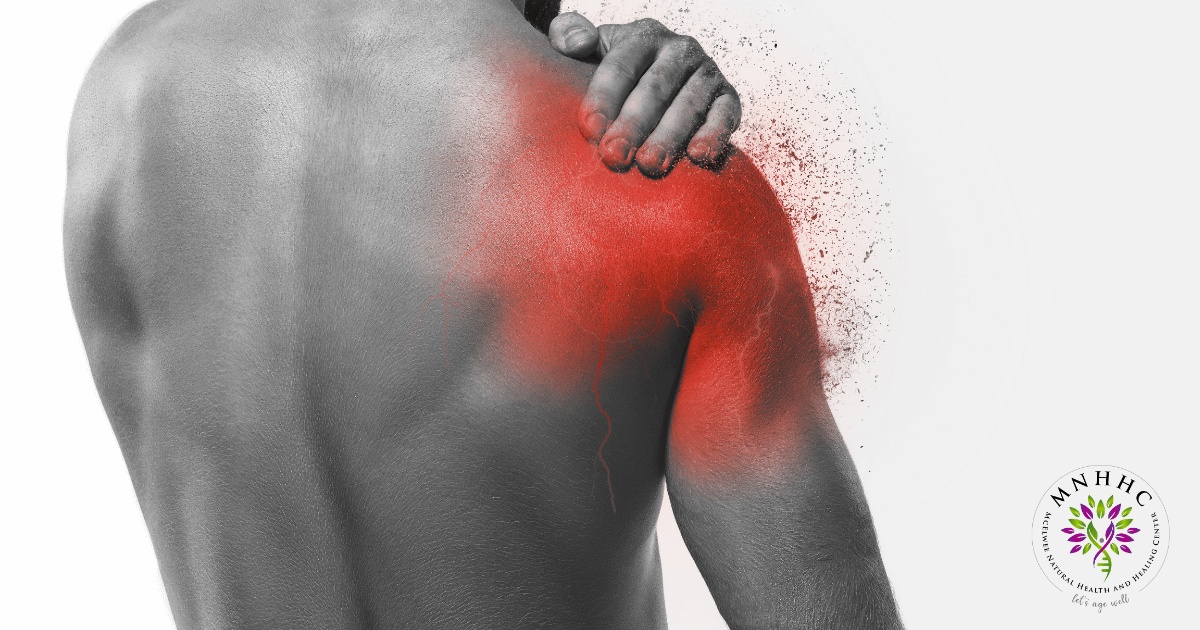
Frozen shoulder, medically known as adhesive capsulitis, is a debilitating condition characterized b...
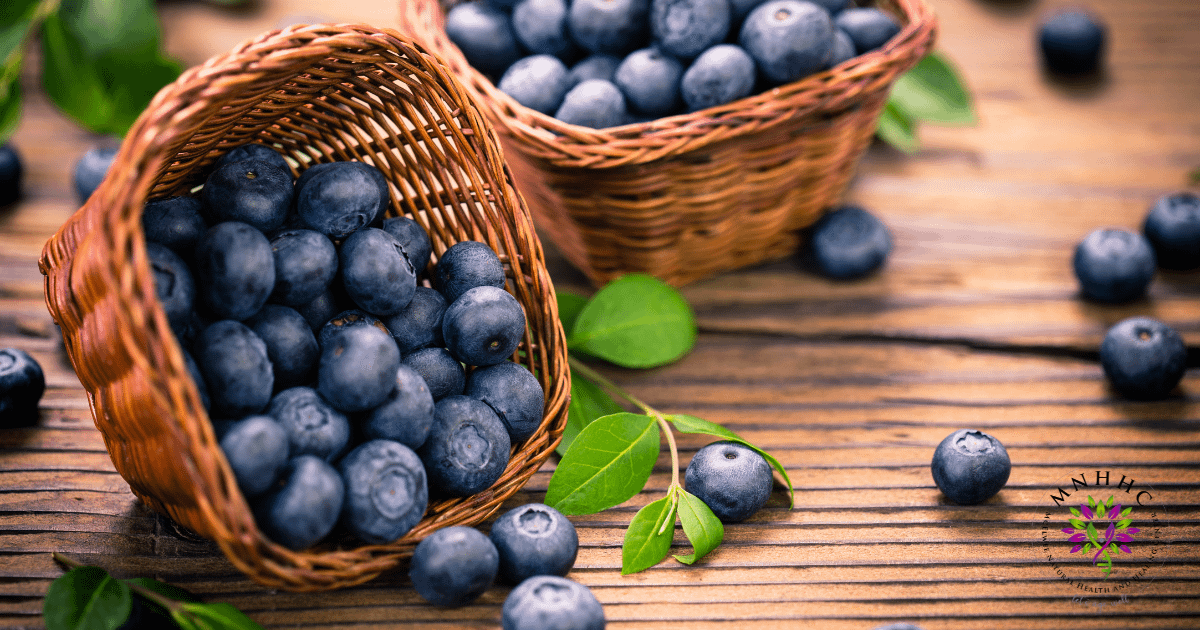
As summer heats up in Maryland, the fields are bursting with vibrant, local produce that can nourish...

At McElwee Natural Health and Healing Center, we believe in empowering you to take charge of your we...
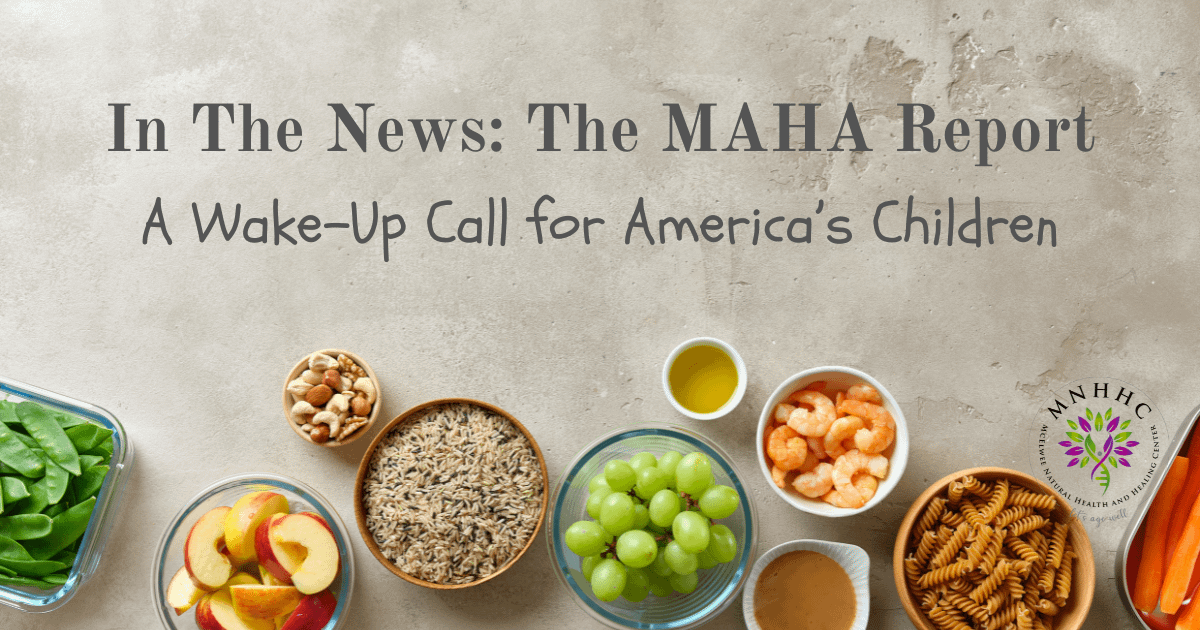
On May 27, 2025, U.S. Health and Human Services Secretary Robert F. Kennedy Jr. unveiled a groundbre...

Seasonal allergies plague many Maryland residents, with Harford County’s high pollen counts making s...
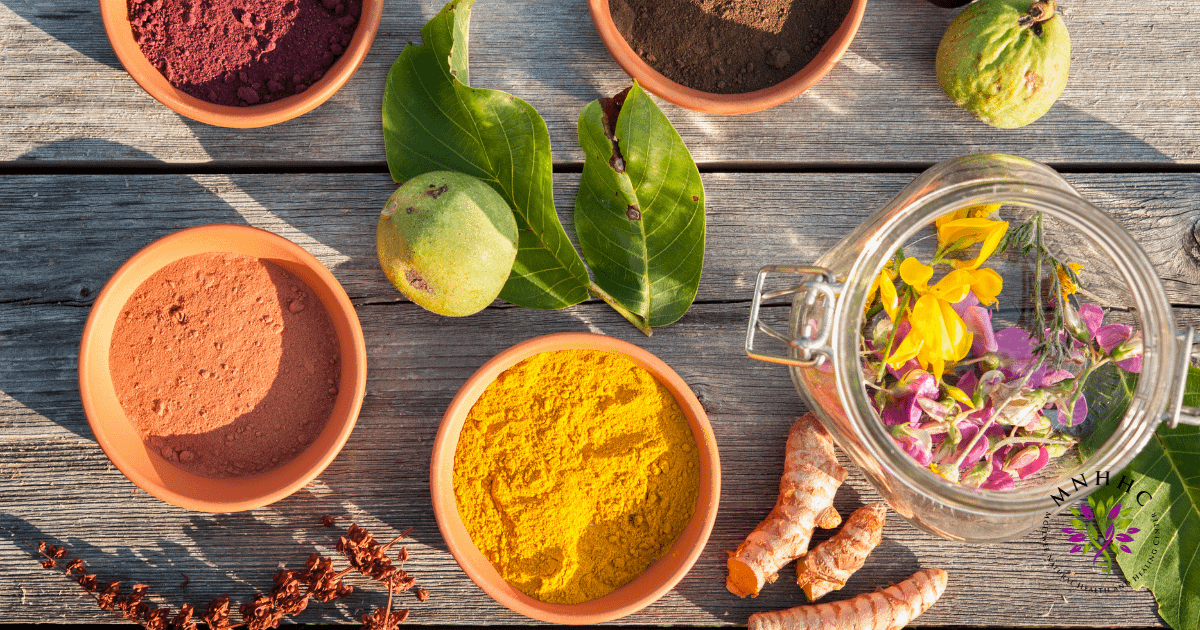
At McElwee Natural Health and Healing Center, we’ve long championed the power of natural, whole food...

When it comes to cooking, the tools you use are just as important as the ingredients you select. Coo...

This year we have seen a resurgence of measles, a highly contagious viral disease. Before the introd...

If you’re passionate about whole, natural foods and your health, genetically modified organisms (GMO...

We were thrilled to learn of Robert F. Kennedy Jr.’s confirmation as the new Secretary of Health and...

When your child is running a fever, it can be a worrying time for any parent. The decision of whethe...

Red Dye #3, or Erythrosine, is a synthetic red coloring used in various food and cosmetic products....

The “Make America Healthy Again” (MAHA) movement emerges at a crucial time when the Unit...
The holidays are a time of coming together to get caught up in the lives of loved ones, share fond m...

The thyroid gland, a small but crucial butterfly-shaped organ in the neck, regulates a myriad of bod...
Maintaining good health relies on essential vitamins and minerals like vitamin C, calcium, and iron....
When we think about the essential nutrients contributing to our overall health, our minds often grav...
When we think about essential nutrients for our bodies, we often focus on vitamins and minerals like...
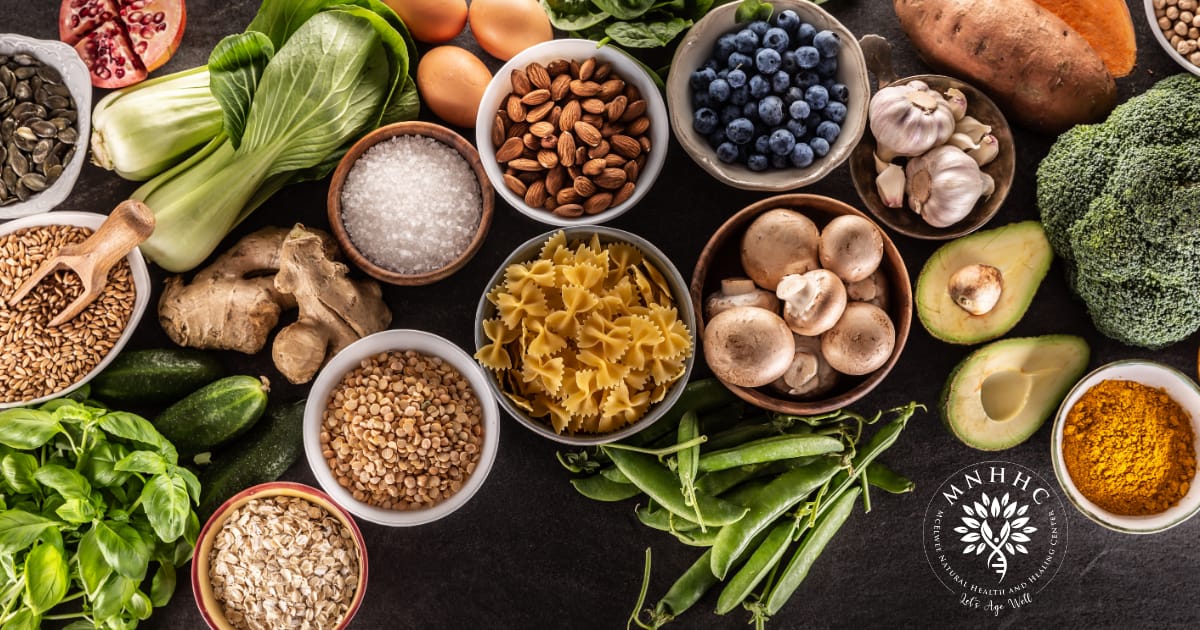
When it comes to essential minerals for our health, manganese often takes a backseat to more popular...
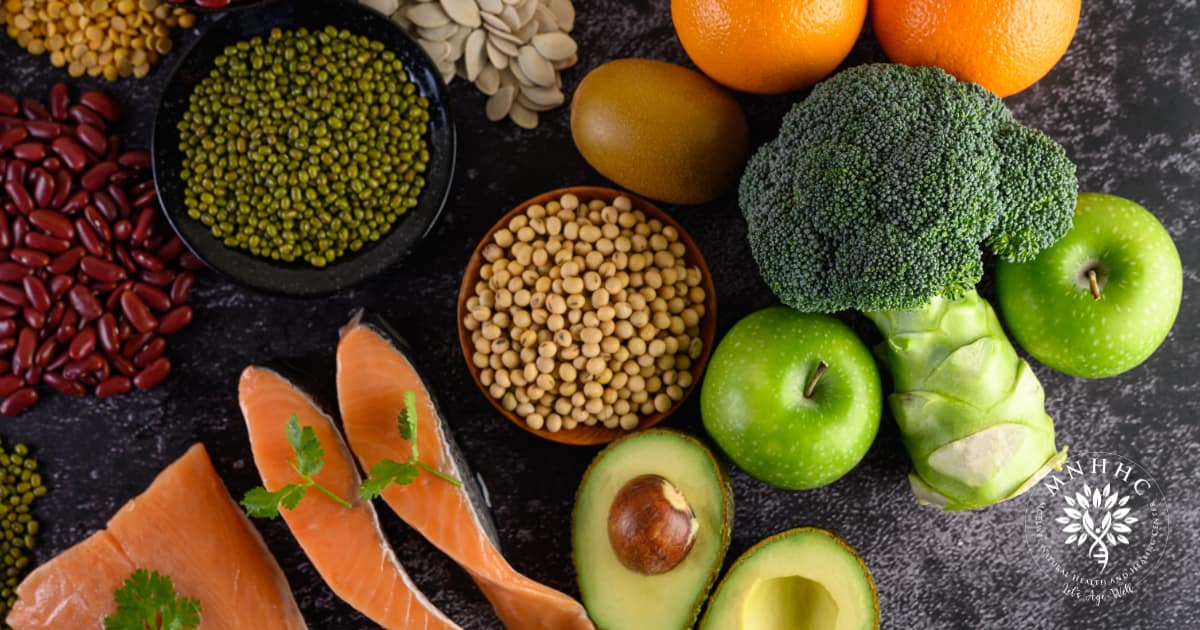
Zinc is a mineral that is crucial in maintaining overall health and well-being. While often overlook...
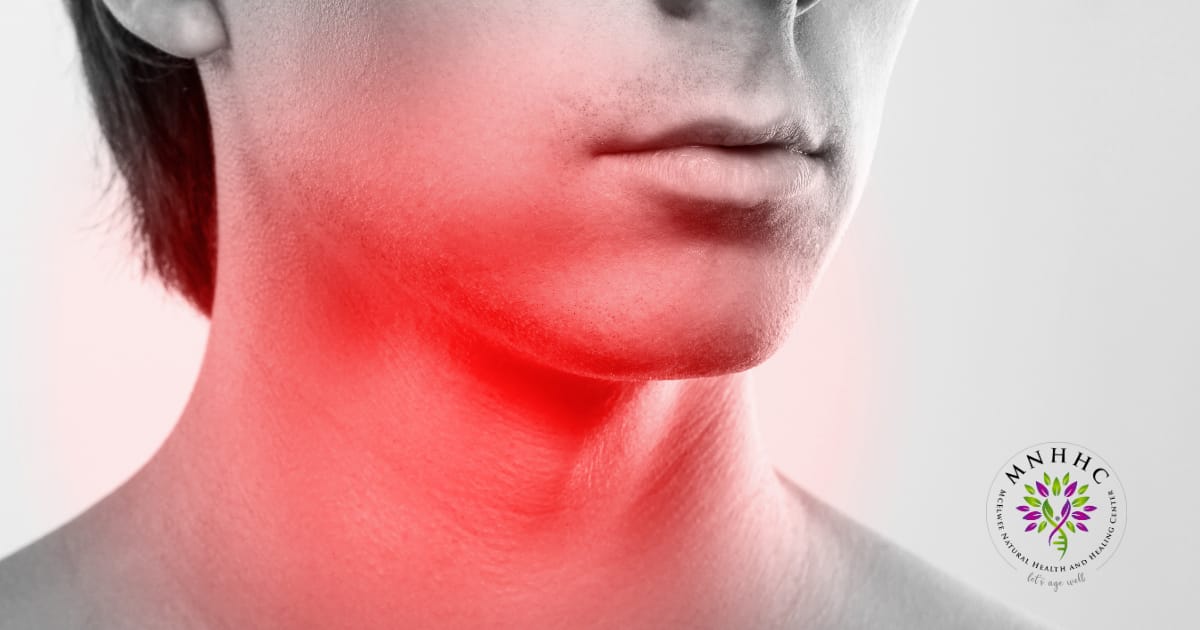
Many people overlook the importance of iodine in their diet when it comes to maintaining optimal hea...
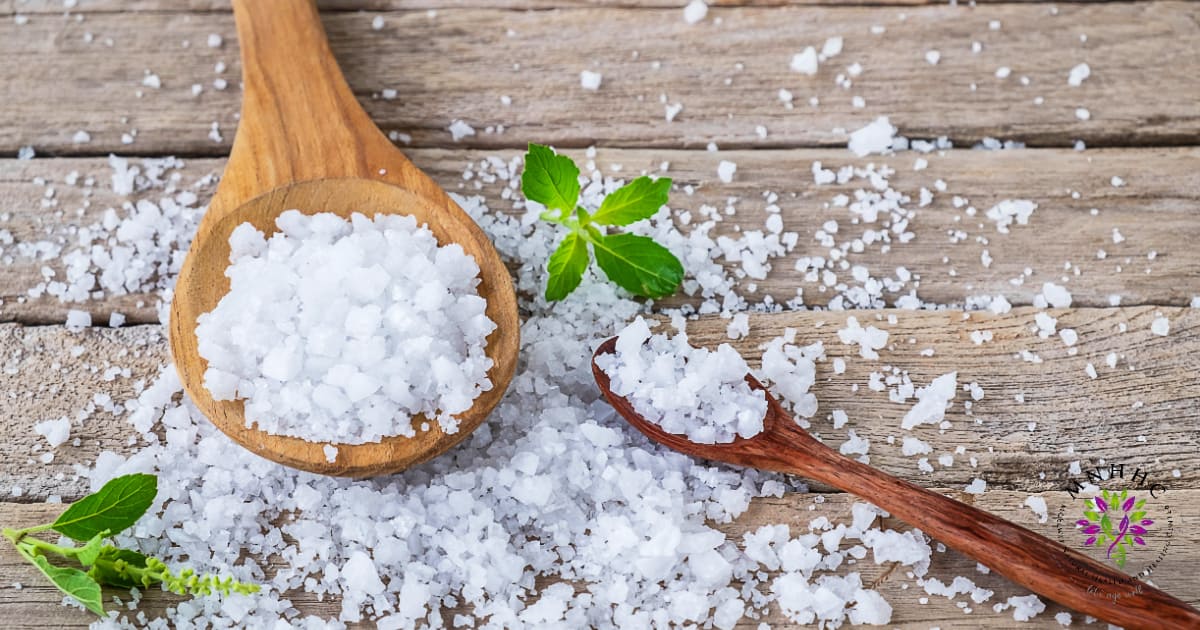
Understanding the role of sodium in our bodies is crucial to maintaining optimal health. Sodium play...
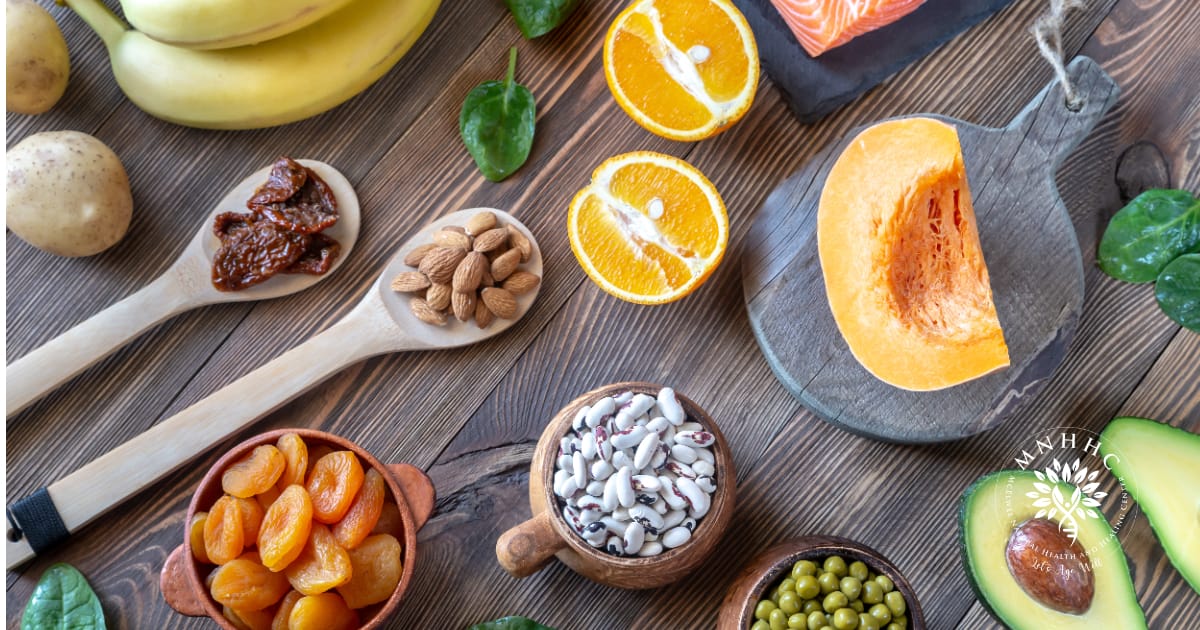
When we think about essential nutrients for our body, we often hear about the importance of vitamins...
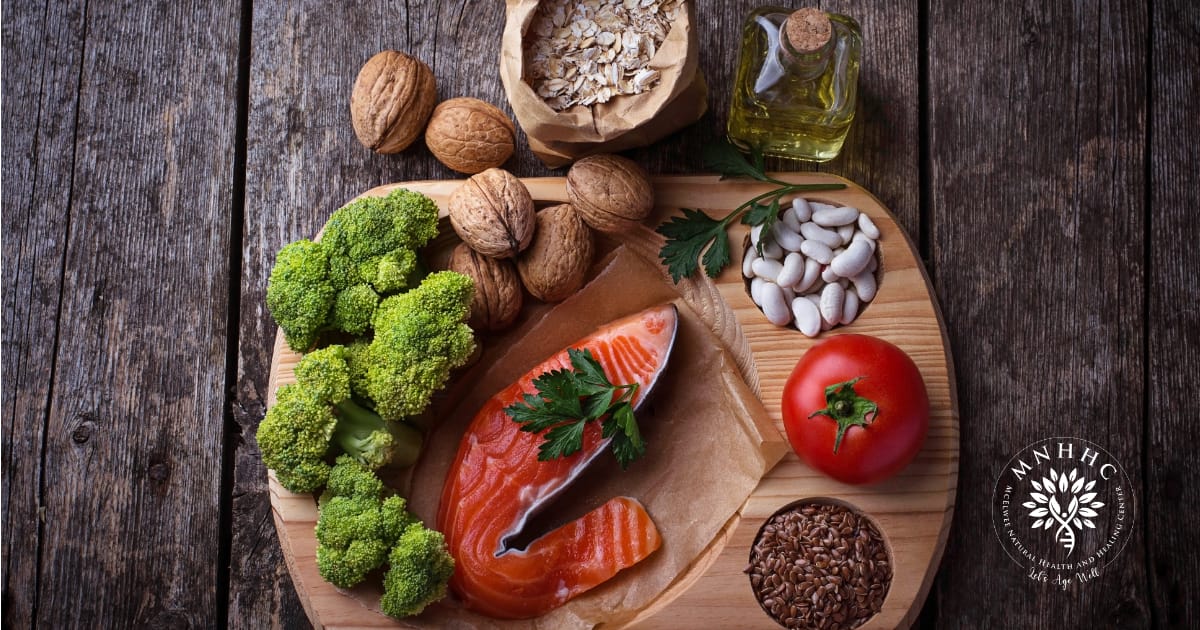
From energy production to cell growth, phosphorus is a vital mineral that is crucial for various fun...
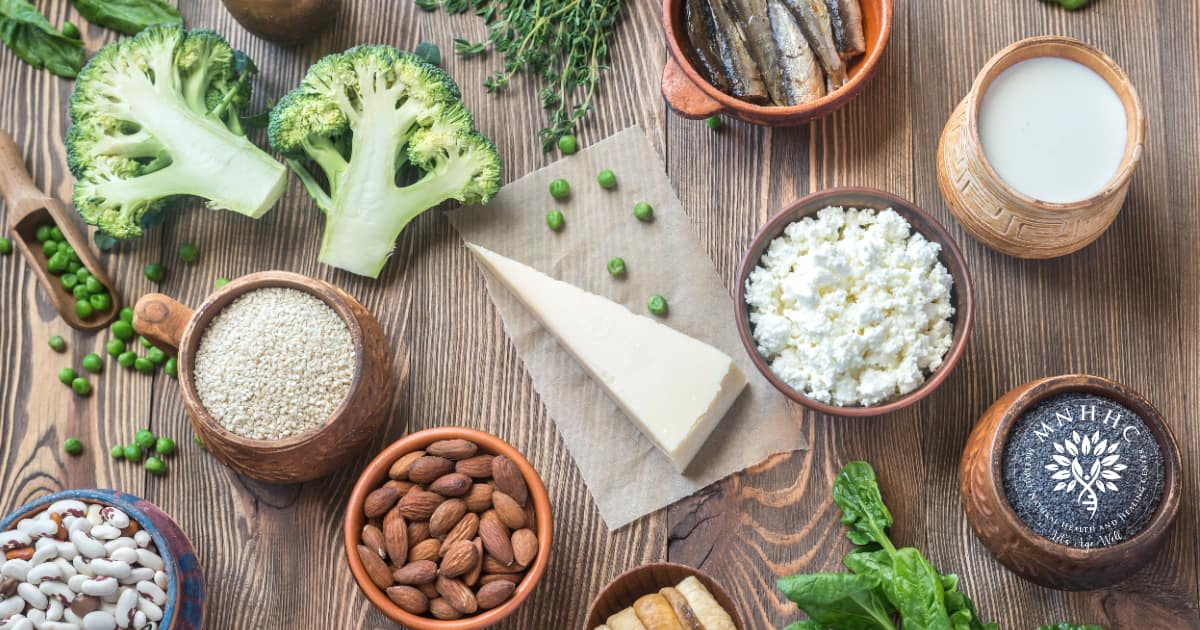
Calcium is an essential mineral that plays a vital role in various body functions. From strong bones...
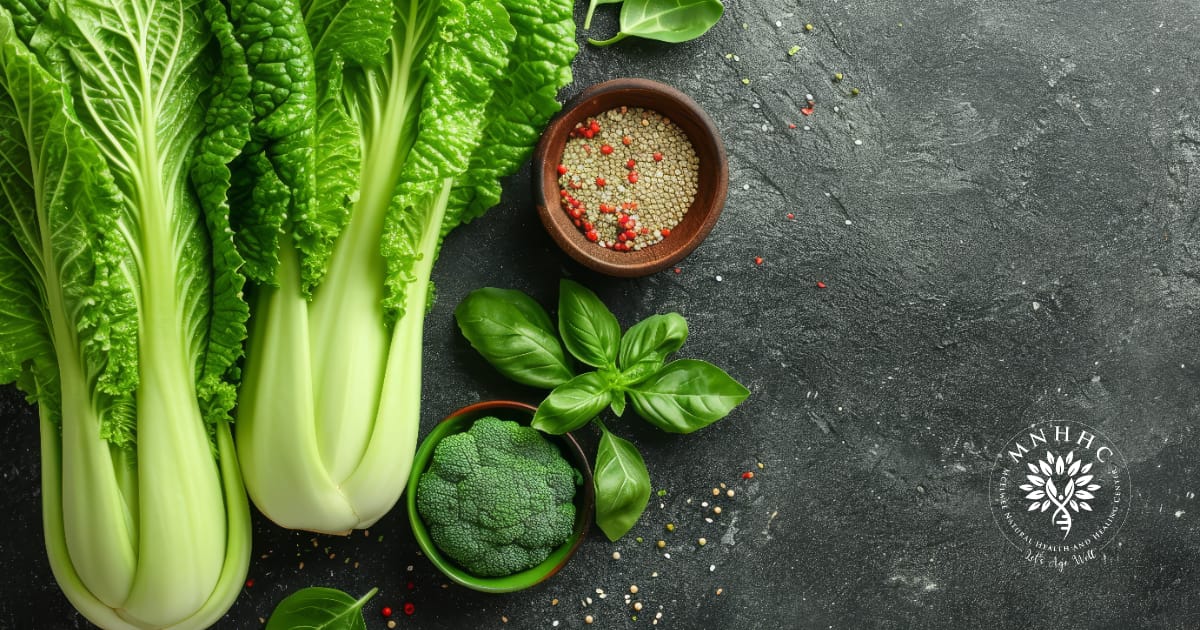
When it comes to maintaining good health, most people are familiar with the importance of vitamins l...
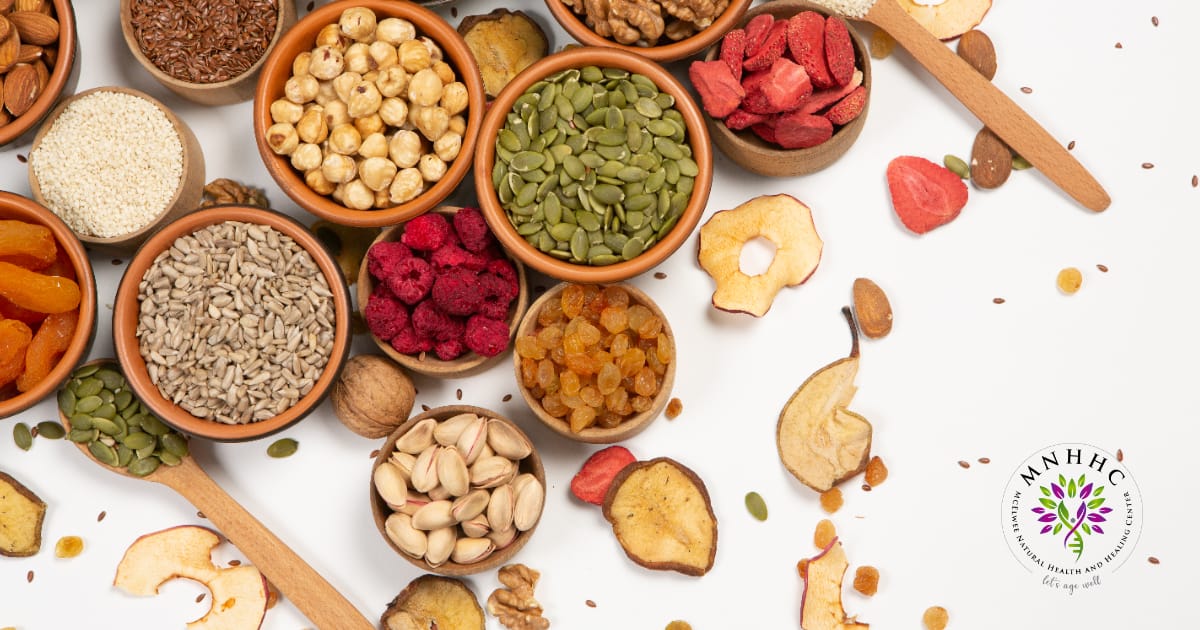
Many of us are familiar with the many essential vitamins in our diet. Still, one that often gets ove...
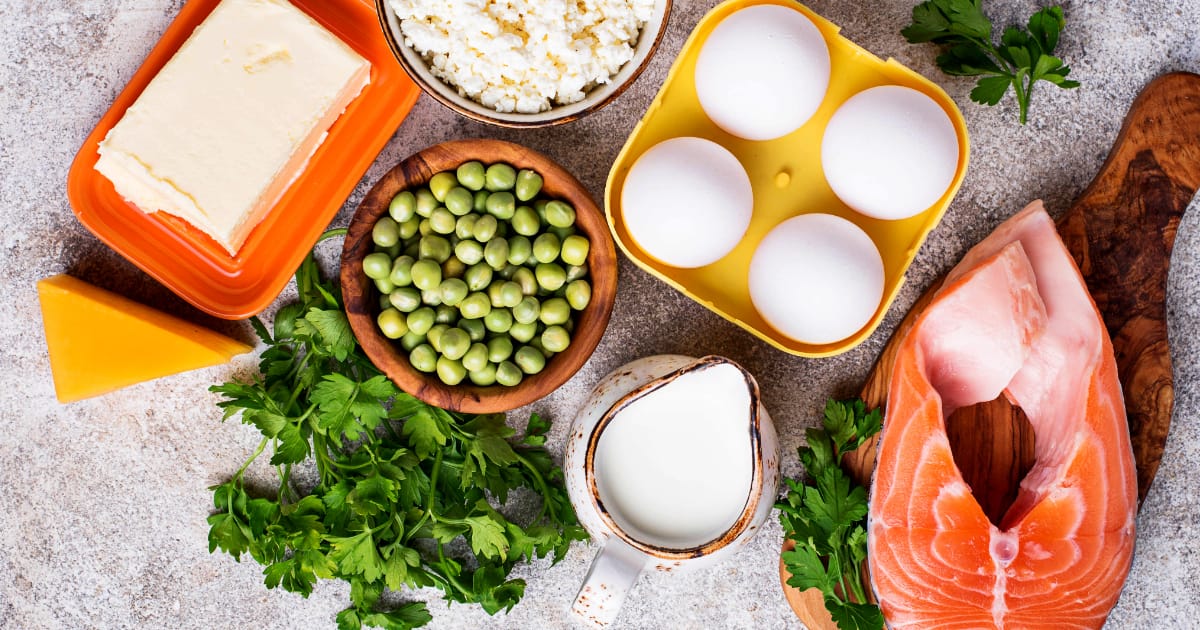
Have you ever noticed how a sunny day can instantly boost your mood? Well, that’s not just a c...
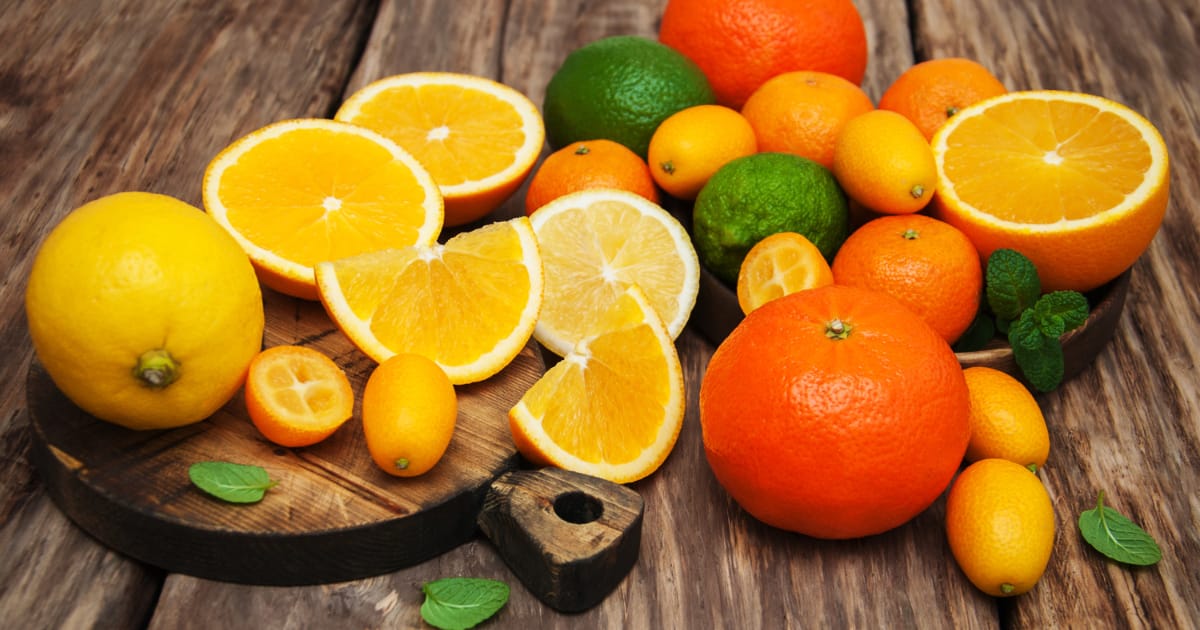
Vitamin C stands out as the go to vitamin for maintaining optimal healt. This essential vitamin, als...
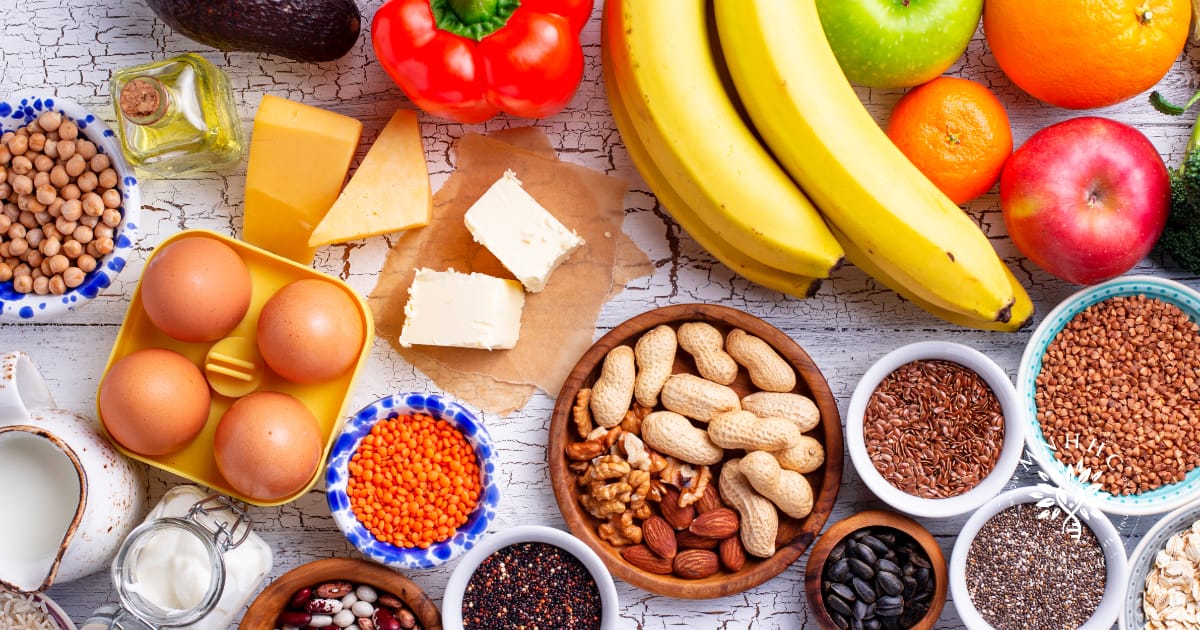
B vitamins play a crucial role in maintaining optimal health. These essential nutrients are water-so...
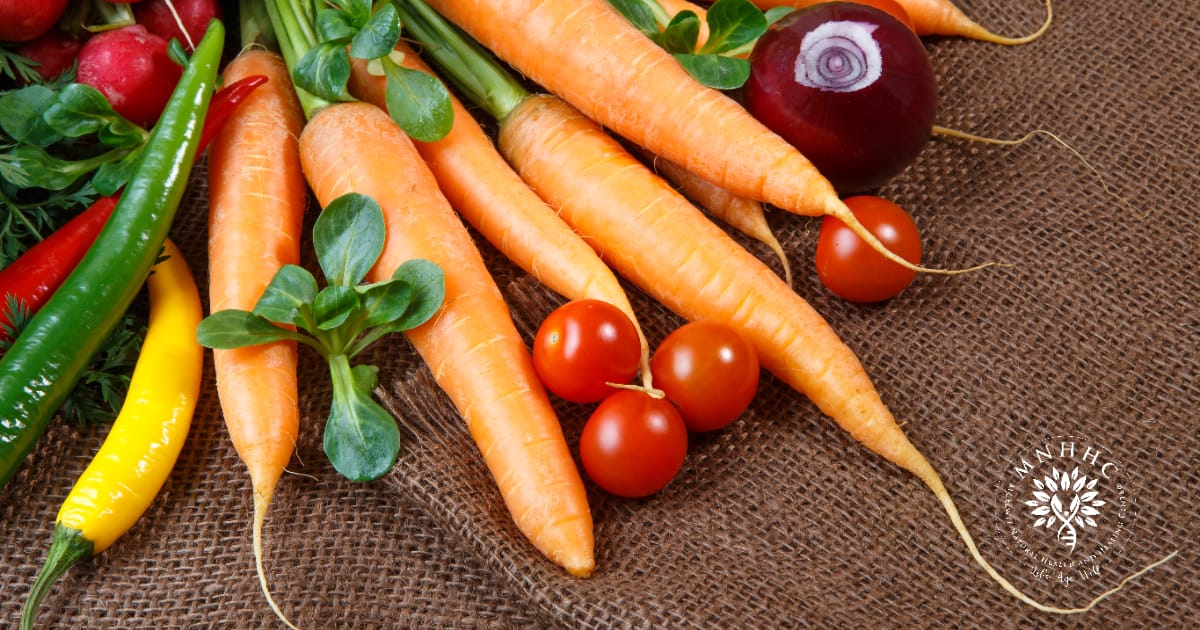
Vitamin A is an essential vitamin that is vital for various bodily functions. We often hear about th...
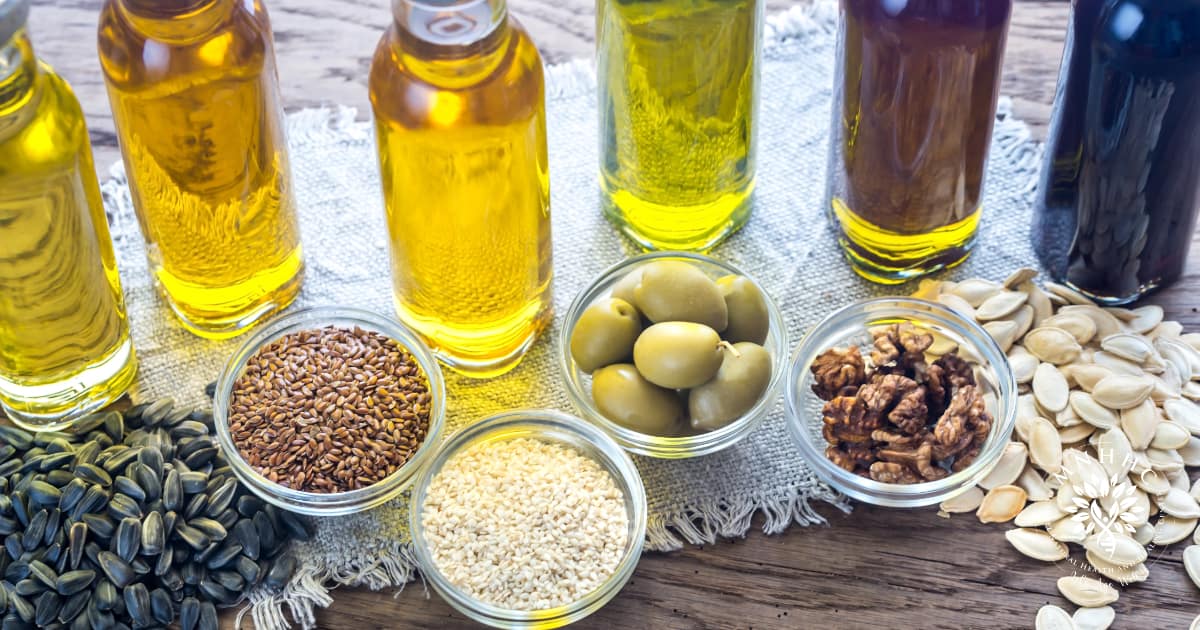
In today’s health-conscious world, many people are becoming more aware of the impact of their...

Imagine biting into a juicy, ripe tomato only to find that it lacks vibrant flavor and essential nut...

When you pick up a packaged food item from the grocery store shelf, chances are you’ll see the term...

Houseplants are not only a beautiful addition to your home decor, but they also offer numerous healt...

Feeling tired all the time is a common complaint among many people today. It can be a frustrating an...

Our bodies are constantly bombarded with toxins from the environment, food, and even the products we...

As our Dads age, it becomes increasingly important to prioritize their health and well-being. From e...

As a holistic health practice, McElwee Natural Health and Healing is dedicated to enhancing overall...

Electromagnetic fields (EMFs) are invisible lines of force that surround electronic devices and powe...

Are you seeking a natural method to enhance your overall wellness? Discover the PEMF mat at McElwee...

At McElwee Natural Health and Healing, we believe proper health is about more than just the absence...

Imagine stepping outside your home on a bright morning, the birds chirping, the sun shining, and the...

Red Dye #3, or Erythrosine, is a synthetic red coloring used in various food and cosmetic products. It is commonly used to give a vibrant red color to items such as candies, baked goods, beverages, and medications. However, recent concerns have been raised regarding the safety of Red Dye #3 and its potential health effects on consumers.
Red Dye #3 debuted in 1907, offering a cost-effective way to color foods, beverages, and medications. In the 1980s, the Food and Drug Administration (FDA) in the United States conducted studies that raised red flags about the safety of Red dye #3. These studies suggested that the dye could potentially cause thyroid tumors in laboratory rats, leading to growing concerns among consumers and health officials.
Despite its ban in cosmetics and topical drugs in 1990 due to potential carcinogenic effects, it continued to color our candies, cakes, and medicines until recently.
In a landmark decision on January 15, 2025, the U.S. Food and Drug Administration (FDA) announced a ban on Red Dye #3 in foods, beverages, and ingested drugs. This decision came after decades of debate over the safety of this dye and its link to various health concerns.
One of the main health concerns associated with Red Dye #3 is its potential link to hyperactivity and behavioral issues in children. Some studies have suggested that consuming foods and beverages containing this artificial dye may exacerbate symptoms of attention deficit hyperactivity disorder (ADHD) in susceptible individuals.
Furthermore, Red Dye #3 has been implicated in causing allergic reactions in some people, ranging from mild skin irritation to severe anaphylaxis. This has raised red flags among health professionals and consumer advocacy groups, prompting calls for more extensive research into the safety of this widely used food coloring.
Another significant health concern associated with Red Dye #3 is its potential link to cancer in lab animals. This led to its ban under the Delaney Clause of the Federal Food, Drug, and Cosmetic Act. The Delaney Clause prohibits substances known to cause cancer in animals from being used in food, thereby playing a crucial role in the regulatory process of food additives like Red Dye #3.
Despite these concerns, the Food and Drug Administration (FDA) in the United States has deemed Red Dye #3 as safe for consumption in limited quantities. However, the European Food Safety Authority (EFSA) has taken a more cautious approach, recommending a stricter limit on the acceptable daily intake of this controversial dye.
Red Dye #3 is used in a wide range of food products, from candies and beverages to baked goods and snacks. Its bright red color makes it a popular choice for manufacturers looking to enhance the visual appeal of their products.
Many consumers are unaware of the presence of Red Dye #3 in their favorite foods, as the ingredient may be listed under its scientific name, Erythrosine, or simply as “artificial color.” This lack of transparency underscores the need for clearer labeling practices and increased awareness of the potential risks associated with synthetic food dyes. By advocating for these changes, consumers can take more control over their food choices.
As more people become conscious of the ingredients in their food, demand for products free of artificial colors like Red Dye #3 is on the rise. This growing trend is encouraging food manufacturers to explore natural alternatives that can provide the same vibrant colors without the use of synthetic dyes. This shift towards natural alternatives is a positive development for the future of food production.
In a landmark decision on January 15, 2025, the U.S. Food and Drug Administration (FDA) announced a ban on Red Dye #3 in foods, beverages, and ingested drugs. This decision came after decades of debate over the safety of this dye and its link to various health concerns.
The Red Dye #3 ban is a monumental step for public health, signaling a shift towards safer food colorants. Products containing this dye must be reformulated by 2027 for food and 2028 for drugs. This could spur an increased use of natural alternatives like beet juice or carmine.
Food manufacturers now face the challenge of maintaining their products’ visual appeal without Red Dye #3. However, it is expected that the transition will be smooth, as many companies are already using alternative dyes in markets where Red Dye #3 is banned, such as the European Union.
Health advocates and consumer groups that have long campaigned against the dye have broadly welcomed the ban. There’s a palpable sense of victory among those who advocate for safer food additives. However, there’s also criticism regarding the time it took for this ban to be enacted, with some calling for a more proactive FDA in reviewing potentially harmful additives. Regardless, people hope the incoming administration will continue to push for transparency and change.
The ban on Red Dye #3 is a significant step towards ensuring the safety of the food supply in the United States. It reflects a growing awareness and demand for transparency and safety in food ingredients. As consumers, we’re encouraged to remain vigilant, reading labels and supporting products, prioritizing health over aesthetics. This development might also spur further scrutiny of other food dyes and additives, potentially leading to a broader overhaul of food safety regulations. We are hopeful there will be more actions like this in the news in the coming year!

The “Make America Healthy Again” (MAHA) movement emerges at a crucial time when the United States faces significant health challenges. Chronic diseases like obesity, heart disease, and diabetes have become endemic, costing the nation not only in terms of healthcare expenditure but also in quality of life. According to recent statistics, America has some of the highest rates of preventable diseases among developed nations, with lifestyle-related conditions at the forefront.
Today we will discuss how we got here and why it’s crucial to make changes.
Our current health crisis has been a long time coming. Since the beginning of mass production and over regulation our food system has seen a steady decline. The American diet has shifted dramatically toward ultra-processed foods, high in sugars, fats, and additives, which have been linked to rising obesity and related diseases.
Agricultural policies have favored large-scale production of crops like corn and soy, which are predominantly used in processed foods rather than healthier alternatives. The use of pesticides has led to the degradation of our soil and decreased nutritional value of our crops.
Additionally, the pharmaceutical industry’s influence on health policy and research has led to a focus on treatment rather than prevention. The MAHA movement points to this as a significant contributor to the nation’s health decline, suggesting that a systemic overhaul is necessary.
The goals of the MAHA movement are ambitious and multifaceted:
The MAHA movement aims to tackle these issues head-on.
Health is not just a personal issue but a national one; it impacts economic productivity, military readiness, and social services. The high cost of healthcare in the U.S., which exceeds that of many other countries, places an enormous burden on both individuals and the government. Addressing these health issues could reduce this financial strain while improving the overall well-being of the population.
Moreover, with the recent focus on health during the global health crisis, there’s an unprecedented opportunity to mobilize public and political will towards health reform. MAHA advocates argue that prioritizing health now could prevent a future where chronic diseases continue to drain resources and vitality from the nation.
Beyond identifying if you are blocked or switched and fostering a regulated autonomic nervous system, McElwee Natural Health and Healing fits into the broader context of the “Make America Healthy Again” (MAHA) movement by emphasizing a holistic and natural approach to health and wellness. Here’s how McElwee integrates into this movement:
In essence, McElwee Natural Health and Healing serves as a practical, local embodiment of the principles MAHA stands for, providing tangible examples of how health can be approached differently to potentially influence wider health policy and practice in line with the movement’s objectives.
“Make America Healthy Again” isn’t just a catchy slogan; it’s a call to action for a nation in dire need of a health overhaul. Whether it can navigate the complexities of politics, science, and public opinion to achieve its goals remains to be seen. McElwee Natural Health and Healing Center is here to implement practical solutions no matter the final outcome in Washington. Contact us today for an evaluation and to start your journey towards better health today.

The holidays are a time of coming together to get caught up in the lives of loved ones, share fond memories, and enjoy delicious treats and family favorites. However, for many, the season also brings concerns about overindulgence and its impact on our health.
The good news? You can savor all the festive flavors of the season without guilt by practicing moderation and making mindful choices. Here’s how to indulge in your holiday favorites while keeping your health in check, and most importantly, enjoying every bite.
Denying yourself the joy of your favorite holiday foods can lead to feelings of deprivation, which might result in overindulgence later. Instead, aim for balance. Here are some tips:
Not all holiday foods are created equal. Some options are naturally lighter and packed with nutrients. Keep an eye out for these waistline-friendly holiday treats:
One way to enjoy holiday foods in moderation is to incorporate healthy substitutes for traditional dishes. For example:
Simple substitutions allow you to enjoy your favorite holiday dishes guilt-free while still nourishing your body.
While enjoying holiday meals, digestion can sometimes feel sluggish due to rich and indulgent foods. This is where whole-food enzymes can be a game changer.
At McElwee Natural Health and Healing Center, we offer a range of high-quality whole-food enzyme supplements designed to support your digestive health. These enzymes:
Adding these enzymes to your holiday routine can make a noticeable difference, allowing you to enjoy your favorite foods without the dreaded “food coma.”
Portion control is essential when it comes to enjoying holiday foods in moderation. Here are a few strategies:
The holidays are about joy, togetherness, and making memories—not stressing over every bite you eat. You can have a happy and healthy holiday season by practicing moderation, choosing waistline-friendly options, and supporting your digestion with whole-food enzymes from McElwee Natural Health and Healing Center.
Whether you’re indulging in a slice of pumpkin pie or savoring a roasted turkey dinner, remember to listen to your body, chew your food slowly, and savor each bite. With a little mindfulness and balance, you can navigate the holiday season with ease and enjoy all its delicious foods.
Contact us today to learn more about our whole-food enzymes and other natural health solutions that can support you this holiday season that can support you this holiday season.

The thyroid gland, a small but crucial butterfly-shaped organ in the neck, regulates a myriad of bodily functions. From metabolism to heart rate, its influence on overall health is significant. Understanding its functions and the health implications of its dysfunction is not just informative, but essential for maintaining optimal well-being.
Today, we will provide a comprehensive understanding of the workings of the thyroid gland, exploring both hyperactive thyroid (hyperthyroidism) and hypoactive thyroid (hypothyroidism). By examining the symptoms, complications, and hidden variations of these conditions, we aim to leave no stone unturned in our exploration of how the thyroid affects our health.
The thyroid gland produces hormones that regulate metabolism, growth, and development. One key hormone, thyroxine (T4), controls the body’s metabolic rate. Additionally, the thyroid produces triiodothyronine (T3), another hormone that influences metabolism, heart rate, and body temperature.
Furthermore, the thyroid gland is vital in maintaining calcium balance, essential for bone health and muscle function. The thyroid acts as a master regulator of various bodily functions, ensuring that our bodies function optimally.
When the thyroid gland functions correctly, the body is in equilibrium, with all systems working harmoniously. However, when the thyroid becomes overactive or underactive, it can lead to various health issues.
Hyperthyroidism occurs when the thyroid gland produces an excess of thyroid hormones, leading to an overactive metabolism. Common symptoms of hyperthyroidism include unexplained weight loss, rapid heartbeat, tremors, and anxiety. Individuals with hyperthyroidism may also experience heat intolerance, sweating, and fatigue.
Complications of hyperthyroidism can include heart problems, such as atrial fibrillation, osteoporosis due to bone loss, and thyroid storm, a potentially life-threatening condition characterized by a severe increase in thyroid hormone levels.
Conversely, hypothyroidism occurs when the thyroid gland does not produce enough thyroid hormones, resulting in a slowed metabolism. Symptoms of hypothyroidism can include weight gain, fatigue, constipation, and depression. Individuals with hypothyroidism may also experience cold intolerance, dry skin, and hair loss.
Complications of hypothyroidism can include cardiovascular issues, such as high cholesterol and heart disease, as well as myxedema coma, a rare but life-threatening condition characterized by extreme hypothyroidism.
There may be times when the thyroid pulses at 10, and the bloodwork is normal, but symptoms are present. If this is the case, McElwee Natural Health and Healing Center can evaluate for a hidden thyroid stressor under activity.
When evaluating for a hidden thyroid weakness, we have the client run in place for one minute and then pulse the thyroid. If the thyroid pulses less than 10, a hidden hypothyroid may be the issue. If the thyroid pulses above 10, a hidden hyperthyroid may be present. We then identify which whole-food supplements will help bring the thyroid into balance.
The thyroid gland regulates various bodily functions, from metabolism to growth and development. Understanding the thyroid functions and the potential health implications of hyperthyroidism and hypothyroidism is essential for maintaining overall health.
A healthy thyroid is the cornerstone of a healthy body. It’s important to listen to your body and notice any changes. If you suspect thyroid dysfunction, don’t hesitate to call us today for an evaluation. Your proactive approach to your health could make a significant difference!

Maintaining good health relies on essential vitamins and minerals like vitamin C, calcium, and iron. Selenium is just as crucial. Today, we will delve into selenium’s pivotal role in the body, its dietary sources, health benefits, signs of deficiency, potential risks of toxicity, and the use of selenium supplements, empowering you with comprehensive knowledge about this essential mineral.
Selenium is a trace mineral essential for various bodily functions, from supporting the immune system to protecting against oxidative stress. It can be found in soil, water, and certain foods. Selenium is incorporated into proteins to make selenoproteins, which are important enzymes that help regulate thyroid function, support immune health, and protect cells from damage caused by free radicals. The body cannot produce selenium independently, so it must be obtained through diet or supplements.
Selenium is naturally found in various foods. Good dietary sources of selenium include Brazil nuts, seafood (such as tuna, halibut, and shrimp), organ meats (like liver and kidney), poultry, eggs, and dairy products.
Selenium can also be found in plant-based foods, but the amount depends on the selenium content of the soil in which they were grown. Consuming a balanced diet with these selenium-rich foods can help you meet your daily needs.
Selenium offers various health benefits due to its antioxidant properties and role in supporting various bodily functions. Some of the key health benefits of selenium include:
Incorporating selenium-rich foods into your diet can help support overall health and well-being by providing the body with essential nutrients and antioxidants for optimal functioning.
While selenium deficiency is rare in developed countries, certain populations may be at risk of inadequate selenium intake. Some signs of selenium deficiency include:
McElwee Natural Health and Healing offers whole-food supplements to boost selenium levels if you think you are deficient.
While selenium is essential for good health, it can overload the body. Too much selenium is caused by excessive intake through supplements, environmental exposure, or the inability to break down the mineral. Some potential risks of selenium overload include:
McElwee Natural Health and Healing can help identify if selenium contributes to your symptoms.
Selenium is an essential mineral critical in supporting overall health and well-being. From immune support to antioxidant protection, selenium offers many health benefits that are vital for optimal health.
By understanding the importance of selenium for health, being aware of signs of deficiency, and taking steps to ensure adequate selenium intake through diet and supplements, you can support your immune system, protect against oxidative stress, and promote overall wellness for a healthy and thriving life. Contact us today for an evaluation!

When we think about the essential nutrients contributing to our overall health, our minds often gravitate toward familiar vitamins and minerals. Yet, there is another crucial element that often goes overlooked: sulfur. This remarkable mineral plays a critical role in various bodily functions and processes, contributing to our well-being in ways that may surprise you. From supporting the synthesis of amino acids to aiding detoxification, sulfur is a vital component that deserves more attention in discussions about nutrition and health.
Sulfur, the third most abundant mineral in the human body after calcium and phosphorus, is present in every cell and vital for various physiological processes. This abundance underscores the importance of sulfur for health and its significant role in our overall well-being.
Sulfur is a versatile mineral that plays a crucial role in various bodily functions. One of its primary functions is forming important amino acids like cysteine and methionine, which are building blocks of proteins. These amino acids are essential for the structure and function of proteins, enzymes, and molecules.
Additionally, sulfur is a key component of glutathione. This powerful antioxidant helps protect cells from damage caused by free radicals. Glutathione also plays a vital role in detoxification processes in the liver, helping to eliminate harmful substances from the body.
Furthermore, sulfur is involved in the synthesis of collagen and keratin, which are essential for maintaining the health of skin, hair, and nails. It also plays a role in the proper functioning of enzymes and hormones and in the regulation of various metabolic pathways.
While sulfur is present in small amounts in most plant and animal foods, some sources are particularly rich in this mineral. Foods high in sulfur include garlic, onions, cruciferous vegetables (such as broccoli, cabbage, and Brussels sprouts), eggs, meat, fish, and dairy products. A varied diet that includes these sulfur-rich foods can help ensure an adequate intake of this essential mineral.
In addition to dietary sources, sulfur can also be obtained from supplements like MSM (methylsulfonylmethane), a naturally occurring compound popular for those looking to increase their sulfur intake.
By incorporating sulfur-rich foods into your diet and supplementing when needed, you can support the various functions of sulfur in the body and promote overall health and well-being.
The health benefits of sulfur are extensive and significant. As mentioned earlier, sulfur is crucial in forming amino acids, antioxidants, and structural proteins, all of which are essential for overall health and vitality.
Furthermore, sulfur’s role in detoxification and antioxidant defense can help protect cells from damage, reduce inflammation, and support immune function. This mineral is also believed to have anti-inflammatory and pain-relieving properties, potentially beneficial for arthritis and other inflammatory disorders.
Overall, ensuring an adequate intake of sulfur through diet and supplementation can improve health, vitality, and resilience against various health challenges.
While sulfur deficiency is rare, certain factors, such as poor dietary choices, digestive disorders, and specific medical conditions, can increase the risk of inadequate sulfur levels in the body. Being aware of these factors can help you maintain your current health status and take necessary precautions if needed.
Due to its diverse functions and potential benefits, sulfur may support various health conditions. For example, sulfur’s antioxidant properties and role in detoxification may benefit individuals with liver disorders, chronic inflammation, or oxidative stress-related conditions.
Additionally, sulfur’s involvement in collagen synthesis and joint health makes it a potential ally for those dealing with arthritis, joint pain, or skin conditions like eczema. Its anti-inflammatory properties may also relieve individuals with inflammatory bowel diseases or respiratory conditions.
While sulfur is not a cure-all, its role in supporting vital physiological processes can make it a valuable addition to a comprehensive approach to managing certain health conditions.
While sulfur supplementation is generally considered safe for most people, some precautions should be taken when adding sulfur-containing supplements to your routine.
Individuals with certain medical conditions, such as kidney disease or allergies to sulfur-containing compounds, should exercise caution when supplementing with sulfur. Pregnant or breastfeeding women should also consult with their healthcare provider before starting any new supplement regimen to ensure it is safe for them and the baby.
Sulfur may not always be in the spotlight when it comes to discussions about nutrition and health. Still, its importance for our overall well-being cannot be understated. From supporting protein synthesis and antioxidant defenses to promoting skin health and joint function, sulfur plays a vital role in numerous physiological processes.
By incorporating sulfur-rich foods into your diet, considering supplementation when needed, and being aware of the signs of deficiency, you can support your body’s requirements for this essential mineral and promote optimal health and vitality. Contact us today for an evaluation.