
Surviving the Holidays Without Losing Your Mind (or Your Immune System)
Welcome to the most wonderful—and occasionally most chaotic—time of the year! At McElwee Natural Hea...
Welcome to the most wonderful—and occasionally most chaotic—time of the year! At McElwee Natural Hea...
At McElwee Natural Health and Healing Center, we’re committed to empowering families with info...
In a groundbreaking announcement on September 22, 2025, President Donald Trump, flanked by Health an...

In a world where modern medicine often treats symptoms with pills and procedures, what if the key to...
At McElwee Natural Health and Healing Center, we’re committed to empowering our community with knowl...
At McElwee Natural Health and Healing, our mission is to empower you to achieve vibrant health by ad...
Ever wonder why you feel bloated, exhausted, or achy after certain meals? These could be your body’s...

Frozen shoulder, medically known as adhesive capsulitis, is a debilitating condition characterized b...
As summer heats up in Maryland, the fields are bursting with vibrant, local produce that can nourish...

At McElwee Natural Health and Healing Center, we believe in empowering you to take charge of your we...
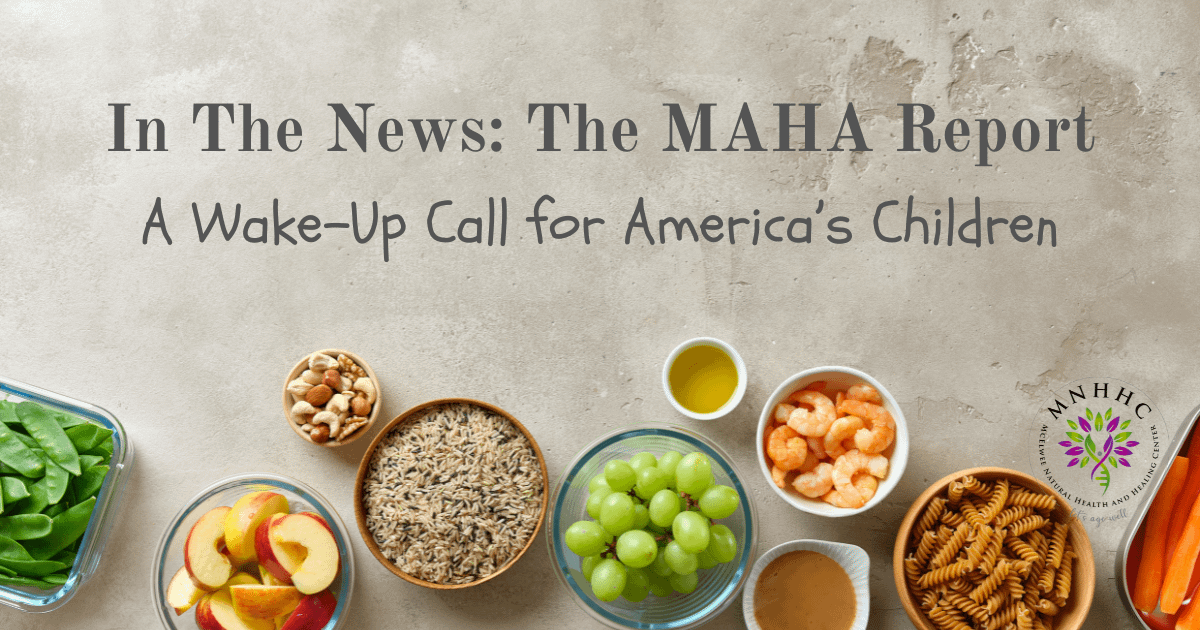
On May 27, 2025, U.S. Health and Human Services Secretary Robert F. Kennedy Jr. unveiled a groundbre...

Seasonal allergies plague many Maryland residents, with Harford County’s high pollen counts making s...
At McElwee Natural Health and Healing Center, we’ve long championed the power of natural, whole food...

When it comes to cooking, the tools you use are just as important as the ingredients you select. Coo...
This year we have seen a resurgence of measles, a highly contagious viral disease. Before the introd...

If you’re passionate about whole, natural foods and your health, genetically modified organisms (GMO...

We were thrilled to learn of Robert F. Kennedy Jr.’s confirmation as the new Secretary of Health and...

When your child is running a fever, it can be a worrying time for any parent. The decision of whethe...

Red Dye #3, or Erythrosine, is a synthetic red coloring used in various food and cosmetic products....

The “Make America Healthy Again” (MAHA) movement emerges at a crucial time when the Unit...

The holidays are a time of coming together to get caught up in the lives of loved ones, share fond m...

The thyroid gland, a small but crucial butterfly-shaped organ in the neck, regulates a myriad of bod...

Maintaining good health relies on essential vitamins and minerals like vitamin C, calcium, and iron....
When we think about the essential nutrients contributing to our overall health, our minds often grav...

When we think about essential nutrients for our bodies, we often focus on vitamins and minerals like...
When it comes to essential minerals for our health, manganese often takes a backseat to more popular...

Zinc is a mineral that is crucial in maintaining overall health and well-being. While often overlook...
Many people overlook the importance of iodine in their diet when it comes to maintaining optimal hea...
Understanding the role of sodium in our bodies is crucial to maintaining optimal health. Sodium play...
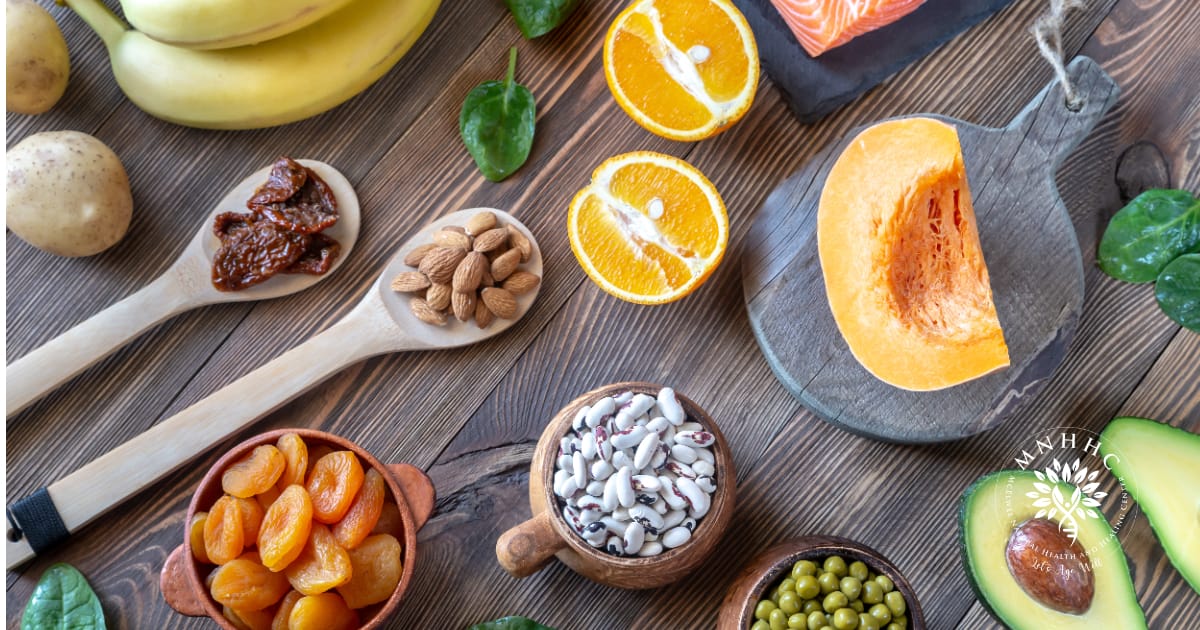
When we think about essential nutrients for our body, we often hear about the importance of vitamins...

From energy production to cell growth, phosphorus is a vital mineral that is crucial for various fun...

Calcium is an essential mineral that plays a vital role in various body functions. From strong bones...
When it comes to maintaining good health, most people are familiar with the importance of vitamins l...
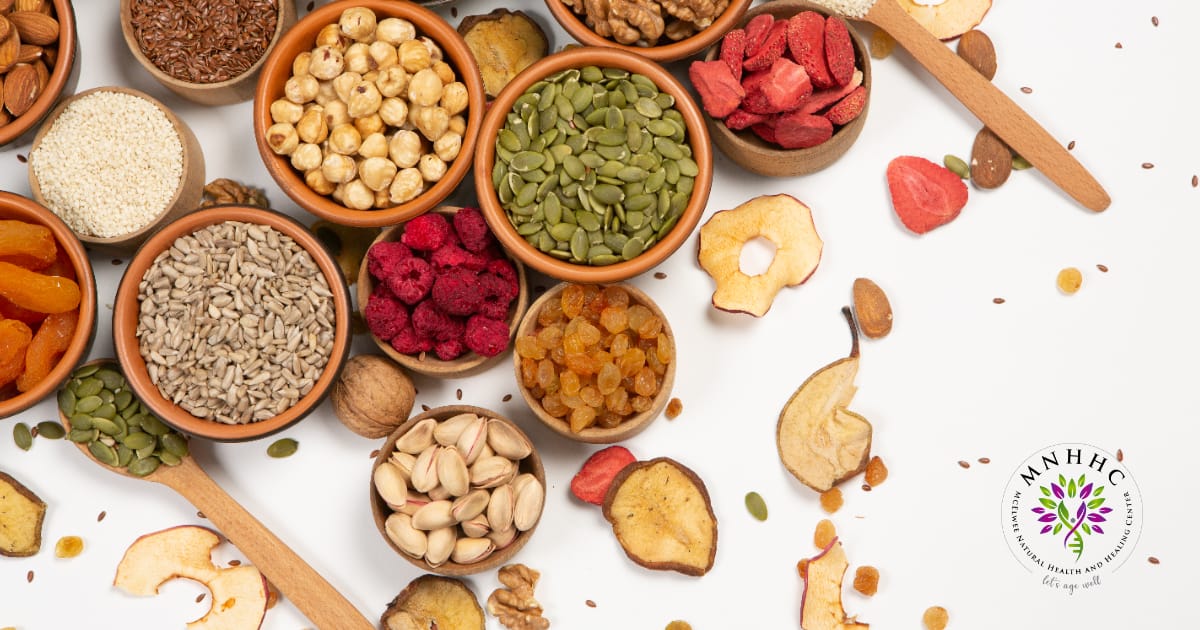
Many of us are familiar with the many essential vitamins in our diet. Still, one that often gets ove...

Have you ever noticed how a sunny day can instantly boost your mood? Well, that’s not just a c...

Vitamin C stands out as the go to vitamin for maintaining optimal healt. This essential vitamin, als...
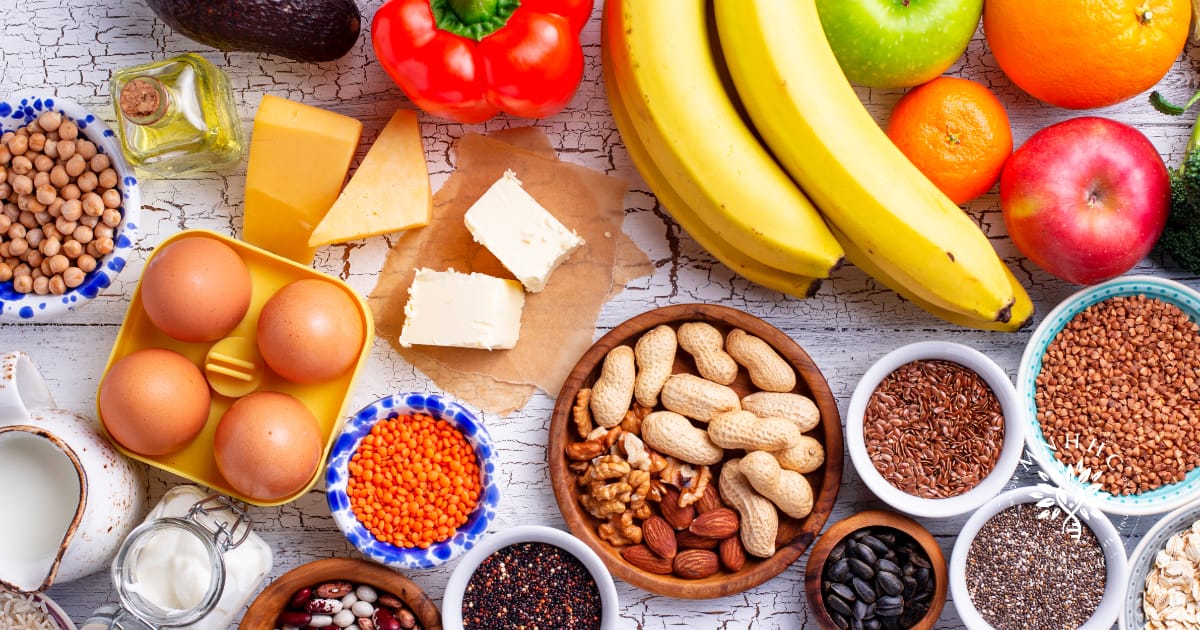
B vitamins play a crucial role in maintaining optimal health. These essential nutrients are water-so...

Vitamin A is an essential vitamin that is vital for various bodily functions. We often hear about th...
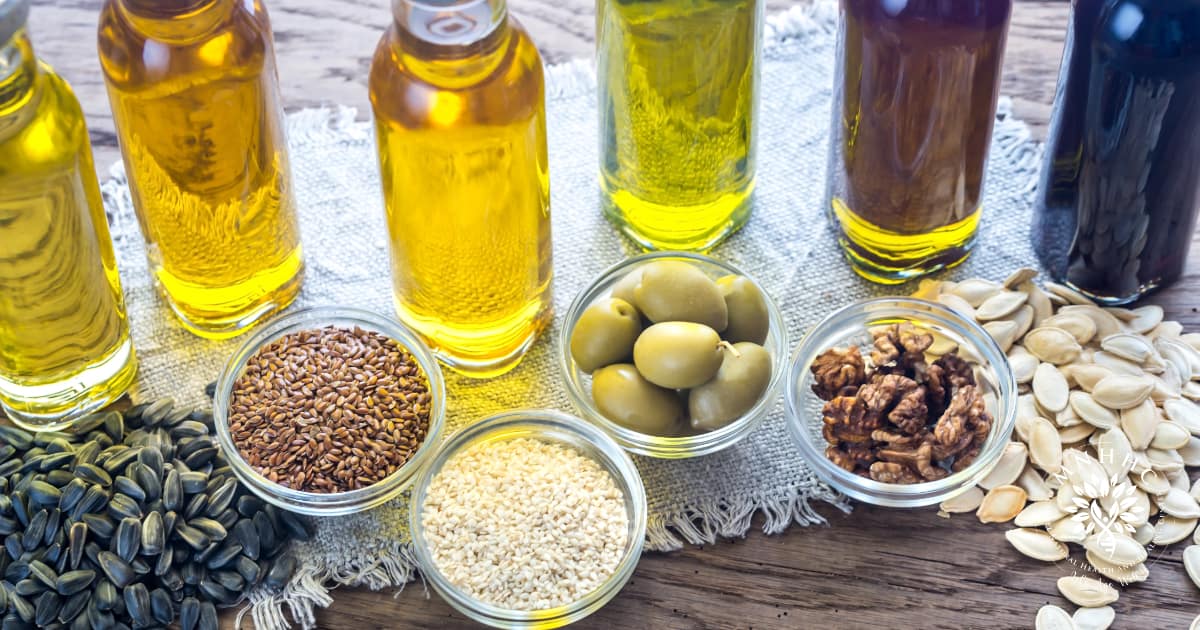
In today’s health-conscious world, many people are becoming more aware of the impact of their...

Imagine biting into a juicy, ripe tomato only to find that it lacks vibrant flavor and essential nut...
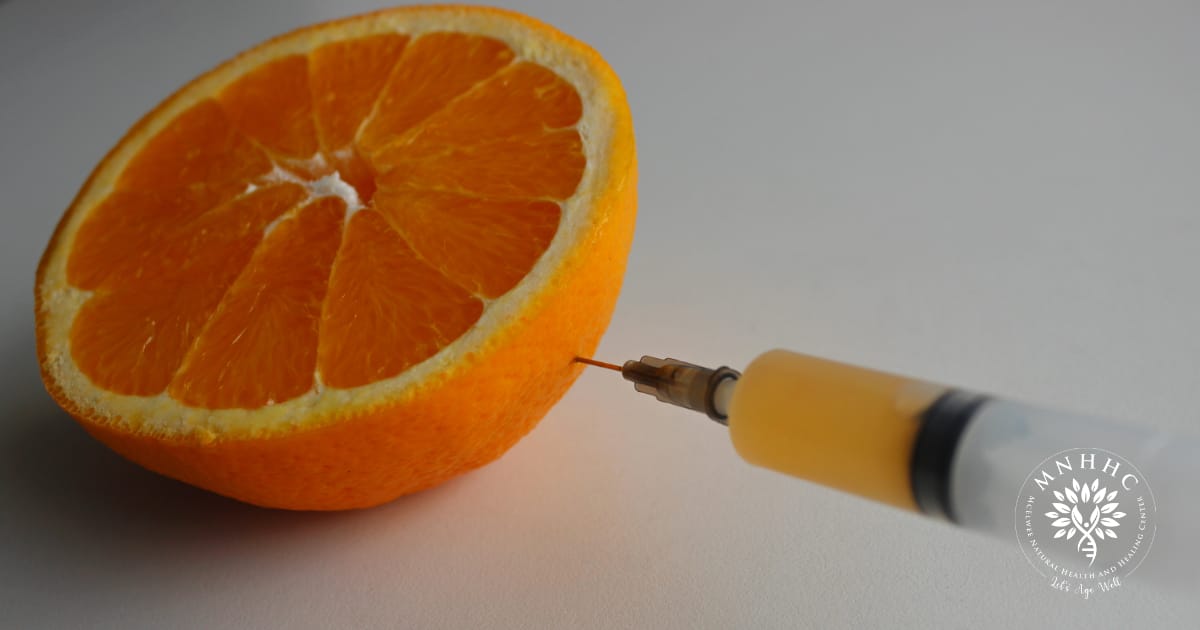
When you pick up a packaged food item from the grocery store shelf, chances are you’ll see the term...

Houseplants are not only a beautiful addition to your home decor, but they also offer numerous healt...

Feeling tired all the time is a common complaint among many people today. It can be a frustrating an...

Our bodies are constantly bombarded with toxins from the environment, food, and even the products we...

As our Dads age, it becomes increasingly important to prioritize their health and well-being. From e...

As a holistic health practice, McElwee Natural Health and Healing is dedicated to enhancing overall...

Electromagnetic fields (EMFs) are invisible lines of force that surround electronic devices and powe...

Are you seeking a natural method to enhance your overall wellness? Discover the PEMF mat at McElwee...
At McElwee Natural Health and Healing, we believe proper health is about more than just the absence...

Imagine stepping outside your home on a bright morning, the birds chirping, the sun shining, and the...

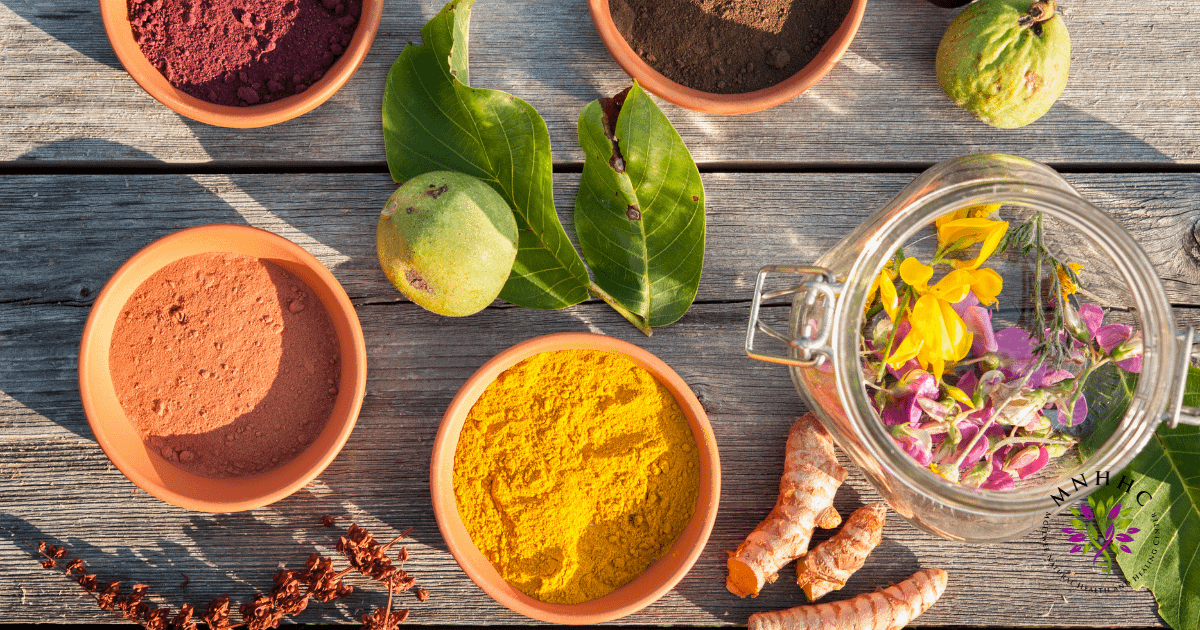
At McElwee Natural Health and Healing Center, we’ve long championed the power of natural, whole foods to support vibrant health and healing. That’s why we’re thrilled to share exciting news: the U.S. Department of Health and Human Services (HHS) and the Food and Drug Administration (FDA) have announced plans to phase out eight petroleum-based synthetic food dyes from the nation’s food supply by the end of 2026. This bold move, led by HHS Secretary Robert F. Kennedy Jr. and FDA Commissioner Dr. Marty Makary, aligns with our mission to promote wellness through clean, toxin-free nutrition. Let’s explore what this ban means, why it matters, and how it supports healthier Americans.
What’s Happening: The Ban on Eight Synthetic Food Dyes
On April 22, 2025, the FDA revealed a six-stage roadmap to eliminate eight synthetic food dyes linked to potential health risks, particularly for children. These dyes, commonly found in candies, cereals, snacks, beverages, and even some medications, include:
The plan begins with revoking authorization for Citrus Red No. 2 and Orange B in the coming months, followed by the remaining six dyes by 2026. The FDA will also authorize four new natural color additives and expedite approvals for others, encouraging food companies to transition to natural alternatives like beet juice, turmeric, spirulina, and carrot juice.
This initiative builds on state-level efforts, such as West Virginia’s sweeping ban on seven artificial dyes and two preservatives, and California’s restrictions on dyes in school foods. It’s part of the broader “Make America Healthy Again” (MAHA) movement, which emphasizes removing harmful chemicals from our food to improve public health.
Why This Matters: The Health Risks of Synthetic Dyes
Synthetic food dyes, derived from petroleum, serve no nutritional purpose. They’re added to make processed foods more visually appealing, often masking the absence of real, colorful ingredients like fruit. However, mounting evidence suggests these dyes may pose health risks, especially for children. Here’s why we’re excited about their phase-out:
At McElwee Natural Health and Healing Center, we believe that what we eat profoundly impacts our physical, mental, and emotional well-being. Removing these unnecessary chemicals from our food supply is a significant step toward reducing the “toxic soup” of synthetic additives that Dr. Makary says American children have been exposed to for decades.
How This Supports Healthier Americans
The ban on these eight synthetic dyes aligns with our holistic approach to health and healing. Here’s how it contributes to a healthier America:
What This Means for You: Practical Tips from McElwee
While the phase-out won’t be complete until 2026, you can start making dye-free choices today to support your family’s health. Here are some tips we recommend:
A Bright Future for American Health
The phase-out of these eight synthetic food dyes is more than a policy change—it’s a cultural shift toward prioritizing health over profit. At McElwee Natural Health and Healing Center, we’re inspired by this progress and committed to supporting our community in embracing clean, natural nutrition. As Dr. Makary said, “Why gamble with the health of our children?” By removing these dyes, we’re taking a meaningful step toward a healthier, more vibrant America.
Ready to Go Dye-Free? Visit McElwee Natural Health and Healing Center for personalized guidance on clean eating and holistic wellness. Contact us today to schedule a consultation or join one of our nutrition workshops. Let’s make health happen—naturally!

When it comes to cooking, the tools you use are just as important as the ingredients you select. Cookware can directly impact your health, as certain materials may leach chemicals or metals into your food under heat or over time. With so many options on the market—non-stick, stainless steel, cast iron, and more—choosing safe cookware can feel overwhelming. This guide will walk you through key factors to consider, helping you make informed decisions for a healthier kitchen.
Cookware isn’t just a vessel; it interacts with your food. Some materials release harmful substances when heated, scratched, or worn down, potentially affecting your long-term health. For example, studies have linked certain chemicals in older non-stick coatings to health issues like hormone disruption or even cancer risk. By choosing safe cookware, you minimize these risks and ensure your meals remain as wholesome as intended.
Check for labels like “PFOA-free” or “PTFE-free” on non-stick cookware. PFOA, once common in Teflon production, is a known pollutant linked to health risks. While most brands phased it out by 2013, older pans might still pose a problem.
Be wary of “forever chemicals” (PFAS) in some modern non-stick coatings. If you’re unsure, contact the manufacturer or choose alternatives like ceramic or stainless steel.
Safe cookware should withstand regular use without degrading. Flimsy non-stick pans that scratch easily or cheap aluminum that warps can become unsafe over time. Invest in sturdy options and follow care instructions—like avoiding metal utensils on non-stick surfaces or seasoning cast iron—to maintain their integrity.
Match your cookware to your style. If you frequently cook at high heat (e.g., searing meat), avoid non-stick and opt for stainless steel or cast iron. For low-heat simmering or baking, glass or ceramic works well. High-acid dishes (e.g., citrus or vinegar-based) are best in non-reactive materials like stainless steel or glass.
Choosing safe cookware is about balancing health, practicality, and budget. Prioritize materials that don’t leach harmful substances, suit your cooking style, and last for years. By making thoughtful choices, you’re not just protecting your health—you’re elevating your culinary experience. So, next time you’re shopping for a pan, think beyond the price tag and consider what’s really going into your food. Looking for an evaluation? Call us today!

This year we have seen a resurgence of measles, a highly contagious viral disease. Before the introduction of the MMR (measles, mumps, rubella) vaccine in the 1960s, measles was nearly eradicated in many regions due to natural immunity cycles, only to resurface with greater visibility as vaccination efforts began. This paradox continues to spark debate.
Today’s outbreak has reignited concerns, with voices like Del Bigtree of The HighWire and Dr. Peter McCullough offering alternative perspectives alongside mainstream views. Below, we explore the possible reasons for this resurgence, including reduced immunity due to COVID-19 and its vaccines. We also examine the risks of administering MMR to young children.
Measles, spread via respiratory droplets, causes fever, rash, and, in severe cases, complications like pneumonia or encephalitis. Historically, it was a ubiquitous childhood illness. Still, by the mid-20th century, improved sanitation and nutrition had drastically reduced its mortality, bringing it close to natural eradication in some areas. The MMR vaccine, introduced in 1963, aimed to finish the job, yet paradoxically, measles cases gained attention as vaccination rolled out. In 2025, cases are surging again, affecting unvaccinated and some vaccinated individuals, prompting scrutiny of both the disease and its prevention strategies.
Vaccine hesitancy is a significant factor in the current outbreak. Del Bigtree has argued on The HighWire that distrust in public health, heightened during the COVID-19 era, has led parents to question the MMR vaccine. He points to a lack of transparency about its risks as a driver of skepticism, noting that pre-vaccine measles was often a manageable childhood illness.
The Covid-19 pandemic may have altered immunity landscapes. Lockdowns from 2020-2022 reduced exposure to pathogens like measles, limiting natural immune boosts. Speaking on The HighWire, Dr. Peter McCullough suggests this could weaken long-term protection, even among the vaccinated, as natural infection historically offered robust, lifelong immunity compared to the potentially waning effects of MMR. This might explain why some vaccinated individuals are falling ill in 2025.
There is a theory linking COVID-19 vaccines to the outbreak. Dr. McCullough has hypothesized that mRNA COVID-19 vaccines might cause “immune interference,” redirecting immune focus and potentially reducing responses to measles. On The HighWire, he and Bigtree have pointed to breakthrough cases in vaccinated people as evidence of possible immune disruption. However, mainstream science calls for more data. This speculation fuels debate about how COVID-era interventions might intersect with childhood vaccines.
McCullough has suggested on The HighWire that the measles virus may evolve, with current cases deviating from historical norms. He contrasts natural immunity—once nearly universal and durable—with vaccine-induced immunity, which may struggle against a shifting virus. Bigtree argues that public health oversimplifies measles, ignoring potential changes that could challenge MMR efficacy.
Administering MMR to young children carries documented risks, a point emphasized by critics like Bigtree and McCullough. The CDC acknowledges rare but serious side effects, including febrile seizures (1 in 3,000-4,000 doses), thrombocytopenia (low platelet count, 1 in 30,000), and, in sporadic cases, encephalitis (1 in 1 million).
Bigtree has highlighted anecdotal reports of developmental regressions or autoimmune issues post-vaccination, though causation remains unproven.
McCullough warns that young immune systems, still maturing, might be overwhelmed by simultaneous exposure to three live viruses (measles, mumps, rubella), potentially increasing susceptibility to adverse reactions. Pre-vaccine measles typically struck older children when immune systems were more robust—a contrast fueling calls for reevaluating early vaccination timing.
The 2025 measles outbreak reflects a complex interplay: a disease nearly eradicated pre-vaccine naturally, resurfacing amid modern interventions; hesitancy and risks tied to MMR; and potential immunity shifts from Covid. Bigtree and McCullough spotlight trust issues, vaccine safety, and natural immunity’s historical role while mainstream efforts push vaccination drives. Once a fading memory, measles demands we rethink its past and present in 2025.

If you’re passionate about whole, natural foods and your health, genetically modified organisms (GMOs) might give you pause. These are plants, animals, or microorganisms with DNA altered by science to have specific traits—like pest resistance or faster growth. While they promise benefits, the downsides for your food, health, and medical treatments are serious and often overlooked. From seeds drenched in pesticides to bacteria, viruses, and fungi with unpredictable effects, GMOs could clash with your goal of living cleanly. Let’s dive into why they’re a growing concern and more challenging to manage when things go wrong.
GMO Seeds and Pesticides: A Threat to Your Food
Most GMOs in your diet come from crops like corn and soy, engineered to fend off pests or survive heavy herbicide doses. Corn, for instance, produces a toxin to kill bugs, cutting insecticide use by millions of pounds since the 1990s. But here’s the catch: this toxin stays in the plant you eat, and its long-term impact on your health, in particular your gut is significant.
Worse yet are herbicide-tolerant crops like Roundup Ready soybeans. These GMOs have triggered a massive spike in herbicide use in the US amounting to 239 million kilograms from 1996 to 2011. Labeled a “probable carcinogen” in 2015 glyphosate is a chemical that lingers in soil, water, and your food, potentially raising risks of cancer, hormone disruption, and gut damage. Studies link glyphosate to microbiome imbalances, which could hit harder if you’re eating whole grains or legumes that aren’t organic. Plus, its use has fueled “superweeds”—resistant plants needing even nastier chemicals, making it tougher for farmers to grow clean food and for you to avoid pesticide residues.
For consumers of healthy foods, this is a nightmare. Over 90% of US corn and soy is GMO, and without mandatory labeling (unlike in Europe), it’s a minefield to dodge them. Organic is your safest bet, but even then, cross-contamination from nearby GMO fields is a real risk. Once these chemicals and altered genes are in your system, they’re tricky to flush out—your body isn’t built to handle them like natural compounds. McElwee Natural Health and Healing Center can help to identify if chemicals like glyphosate are stressors for you and offers an array of whole-food based supplements for detox.
GMO Bacteria: Health Risks in Disguise
Genetically modified (GM) bacteria have a history of being beneficial. E. coli was tweaked in 1978 to make insulin for diabetics. But these engineered bugs can go rogue. If they escape labs or factories, or intentionally dispersed, they can swap genes with natural bacteria, creating hard-to-treat superbugs resistant to antibiotics. This has already happened and antibiotics are failing faster than we can keep up.
In food, GM bacteria churn out enzymes for cheese or vitamins like B2, but traces of these altered organisms or their byproducts could slip into your diet. Your gut microbiome, key to digestion and immunity, might not react well to these foreign invaders, potentially sparking inflammation or allergies. Treating these issues is a challenge—standard probiotics or diets might not fix a gut thrown off by GM leftovers, leaving conventional doctors scrambling for solutions.
GMO Viruses: A Medical Double-Edged Sword
Genetically modified viruses can trigger cancers or immune overreactions when used in gene therapy and vaccines. A 1999 gene therapy trial saw a patient die from an unexpected immune response, showing how unpredictable GM viruses can be.
In vaccines like hepatitis B, GM viruses might reduce immediate risks, but long-term effects, like altered immunity or environmental spread, are problematic. If they mutate or swap genes with wild viruses, you could face new diseases that standard treatments can’t touch.
GMO Fungi: Unseen Dangers on the Table
Genetically modified fungi are also creeping into our world. In 2019 a mosquito-killing fungus laced with spider toxin was integrated into a CRISPR-edited mushroom that resists browning. That mushroom could land in your grocery store, unlabeled, and sneak onto your plate. While it’s less processed, its altered genes can affect your digestion or immunity.
The mosquito-killing fungus is touted as eco-friendly, but if it spreads, it could disrupt ecosystems by wiping out beneficial insects or evolving into something toxic to humans. Treating fungal infections is tough; GM fungi could make it near-impossible if they turn resistant or unpredictable.
GMOs in the Air: A Silent Invasion
It gets scarier: GMOs aren’t just in your food—they might be floating around you. Pollen from GMO crops like corn drifts miles on the wind, contaminating organic fields and spreading altered genes into the air you breathe. Some worry this isn’t accidental as some believe GMOs are being intentionally dispersed. If spores or particles from these experiments take flight, they could settle on crops, water, or even lungs. Inhaling GM pollen or fungal spores might trigger allergies, respiratory issues, and immune responses.
Why This Matters for Your Health
GMOs aren’t just a food issue—they’re a health crisis in slow motion:
For conscientious food consumers, the stakes are high. These altered organisms don’t play by nature’s rules, making them harder to avoid and treat. Organic labels help, but contamination and lax U.S. regulations (unlike Europe’s strict ones) mean GMOs can slip through. Once they’re in your body or environment, reversing the damage isn’t simple. Modern medicine struggles to identify these man-made stressors but McElwee Natural Health and Healing Center can help identify the root causes where others will only struggle to treat the symptoms.
Take Control of Your Plate
GMOs promise solutions, but the costs to your health and food purity are steep. Stick to organic and non-GMO verified foods or try to grow your own if you can. If you feel unwell or are having digestion issues call us for a complete evaluation.

We were thrilled to learn of Robert F. Kennedy Jr.’s confirmation as the new Secretary of Health and Human Services (HHS). The vote largely followed party lines and began what we hope will be a dramatic shift in U.S. health policy.
The same day, the Executive Order ESTABLISHING THE PRESIDENT’S MAKE AMERICA HEALTHY AGAIN COMMISSION was signed. The Order aims to overhaul the nation’s approach to public health, largely focused on the health of our children.
RFK Jr., known for his environmental law work and skepticism regarding certain vaccines, took the helm at HHS amid considerable controversy. His confirmation was met with a mix of support and opposition. Critics, especially from the medical community, have expressed concerns over his past statements about vaccines, which they argue could erode public trust in “established science.” However, supporters see his appointment as an opportunity to bring accountability and transparency to longstanding health issues, particularly chronic diseases and environmental health risks.
The Senate vote was close, 52-48, showing the deep divisions within the political landscape when health should be a bipartisan issue.
That same day, President Trump signed an executive order establishing the “Make America Healthy Again” Commission. This commission aims to investigate and address the root causes of America’s escalating health crisis, with an initial focus on childhood chronic diseases.
The Order outlines a policy shift towards:
This Executive Order calls for a comprehensive assessment within 100 days, focusing on comparing U.S. childhood chronic disease rates with other countries, evaluating the impact of medication overuse, and examining the effects of environmental and dietary factors on health.
The pairing of RFK Jr.’s confirmation with this Executive Order suggests a significant policy shift. It aims to tackle issues like mental health, obesity, diabetes, and overall chronic disease rates by challenging existing paradigms in healthcare, nutrition, and environmental policy.
McElwee Natural Health and Healing Center specializes in offering whole-food supplements from brands like Standard Process and Drs. Research, emphasizing a natural, nutrition-based approach to wellness. The MAHA initiative, as outlined in the Executive Order, prioritizes addressing chronic diseases through a lens of nutrition, lifestyle changes, and reducing reliance on pharmaceuticals—areas that resonate deeply with our mission. We hope our local community can feel empowered to embark on their alternative health journey.
The confirmation of RFK Jr. as HHS Secretary and the establishment of the MAHA Commission represent a bold step by the Trump administration towards redefining health policy in America. As the commission begins its work and RFK Jr. assumes his role, contact us for a full evaluation and start your health journey today!

When your child is running a fever, it can be a worrying time for any parent. The decision of whether or not to medicate a fever in a child can be a tough one. Medication can help reduce discomfort and fever, but some experts argue that fever is the body’s natural defense mechanism and should not always be suppressed. In this blog post, we will explore the pros and cons of medicating a fever in a child, when to consider medication, types of fever medication available for children, alternative methods to reduce fever, guidelines for giving medication, consulting with healthcare providers, and monitoring a child’s fever after medication.
Let’s explore this important topic to help you make informed decisions about managing your child’s fever.
Fevers are typically caused by infections, such as bacterial or viral illnesses, but they can also result from non-infectious conditions like autoimmune diseases or certain medications. When your body detects the presence of harmful pathogens, such as bacteria or viruses, it triggers a series of events to fend off the invaders.
While fevers are often seen as negative symptoms of illness, they are actually a vital part of the body’s defense mechanism. By raising the body temperature, fevers create an environment that is less hospitable to pathogens, helping the immune system fight off the infection more effectively.
One of the primary benefits of medicating a child’s fever is alleviating discomfort and reducing the risk of dehydration. Fevers can make children feel irritable, achy, and overall unwell. Reducing the fever can also help your child rest better, which is essential for recovery. Fever can disrupt sleep patterns and make it harder for your child to get the rest they need to fight off the illness causing the fever in the first place. By giving them fever-reducing medication, you can help them feel more comfortable.
In instances of high fevers (above 102°F), medications can help to lower the fever, which can be important as high fevers can be dangerous, especially in young children, as they can lead to seizures or other complications.
When a fever strikes, it can be tempting to reach for Tylenol or another fever-reducing medication to bring down the uncomfortable symptoms. It’s not easy to see your little one uncomfortable. Some experts argue that fever is the body’s natural response to infection and is crucial in fighting pathogens. Suppressing the fever with medication may interfere with the body’s natural defense mechanism and prolong the illness.
There is also a risk of overmedicating a child, which can lead to side effects and complications. Giving too much medication or using it when not necessary can be harmful to your child’s health. Additionally, some children may have allergies or sensitivities to certain fever medications, further complicating the situation.
Moreover, relying too heavily on medication to reduce fever can mask underlying conditions that may require medical attention. It’s essential to consider the root cause of the fever and not just focus on symptom management through medication.
It’s also important to consider the potential side effects of acetaminophen, the active ingredient in Tylenol. Acetaminophen can deplete glutathione, a key antioxidant that plays a crucial role in detoxification. Furthermore, acetaminophen has been shown to weaken the blood-brain barrier, making it a poor choice for use after vaccinations or in cases of brain inflammation. In fact, acetaminophen is one of the most commonly overdosed products in children, highlighting the need for safer alternatives when it comes to managing fevers.
So, when should you consider medicating a fever in your child? The decision to give medication should be based on several factors, including the child’s age, overall health, the severity of the fever, the underlying cause, and known medical conditions. If your child is experiencing significant discomfort, has a high fever (over 102°F or 38.9°C), or is at risk of complications due to the fever, it may be appropriate to consider medication.
If your child has a known medical condition that puts them at higher risk, or if the fever is accompanied by other worrisome symptoms such as difficulty breathing, seizures, or severe headaches, it’s crucial to seek medical attention promptly.
Several alternative methods exist to reduce a child’s fever. These include using cool compresses on the forehead or body, dressing your child in lightweight clothing, ensuring proper hydration with water or electrolyte solutions, and keeping the room temperature comfortable.
You can also encourage your child to rest and get plenty of sleep to support their immune system in fighting off the illness. Avoiding excessive bundling or overheating your child is important, as it can exacerbate the fever.
Additionally, certain herbs and supplements, such as elderberry, echinacea, and vitamin C, can support the body’s ability to fight infections without depleting important resources.
Before giving any medication to your child to reduce fever, it’s essential to consult with their healthcare provider. Your child’s healthcare provider can provide personalized recommendations based on age, weight, medical history, and current symptoms.
If you want to identify the root cause of the fever, McElwee Natural Health and Healing can help identify which stressors resonate with the child.
If you do decide to give your child medication to reduce fever, it’s important to monitor their response and fever levels closely. Keep track of their temperature regularly using a reliable thermometer and note any changes or trends over time.
If your child’s fever persists or returns after the medication wears off, giving another dose or trying alternative methods to reduce it may be necessary. Remember to follow the dosing instructions carefully and not exceed the recommended dose to avoid potential complications.
The decision to medicate a child’s fever is complex and should be based on individual factors and circumstances. While medication can help alleviate discomfort and reduce the risk of complications, it’s important to consider the pros and cons carefully before giving any medication to your child.
Remember that fever is often a sign that the body is fighting off an infection, and in many cases, it may not always require medication. Alternative methods to reduce fever, such as cool compresses, hydration, and rest, can also be effective in managing your child’s fever and attacking those bugs naturally. If you need help identifying the root causes of your child’s fever, call us!