
Surviving the Holidays Without Losing Your Mind (or Your Immune System)
Welcome to the most wonderful—and occasionally most chaotic—time of the year! At McElwee Natural Hea...
Welcome to the most wonderful—and occasionally most chaotic—time of the year! At McElwee Natural Hea...

At McElwee Natural Health and Healing Center, we’re committed to empowering families with info...
In a groundbreaking announcement on September 22, 2025, President Donald Trump, flanked by Health an...

In a world where modern medicine often treats symptoms with pills and procedures, what if the key to...
At McElwee Natural Health and Healing Center, we’re committed to empowering our community with knowl...
At McElwee Natural Health and Healing, our mission is to empower you to achieve vibrant health by ad...
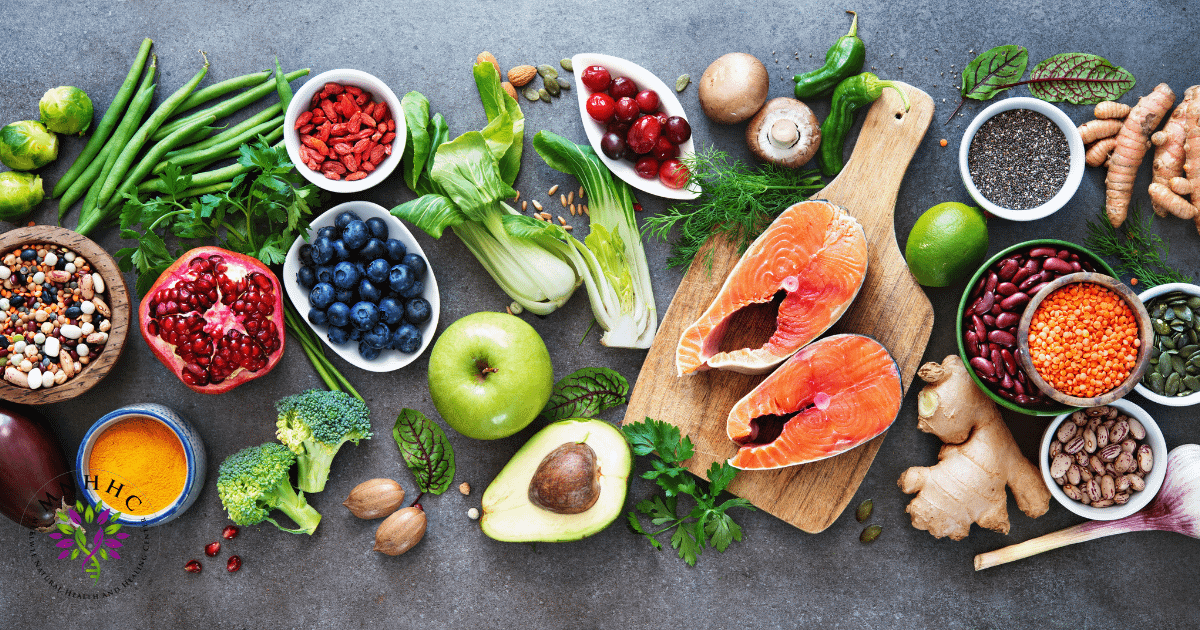
Ever wonder why you feel bloated, exhausted, or achy after certain meals? These could be your body’s...
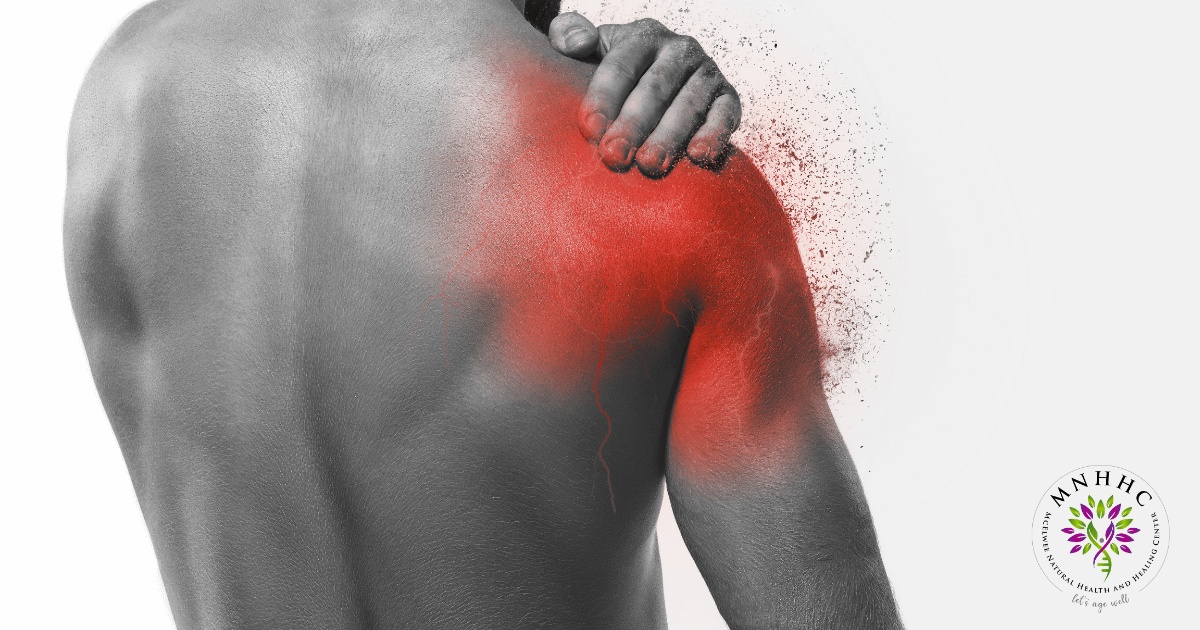
Frozen shoulder, medically known as adhesive capsulitis, is a debilitating condition characterized b...
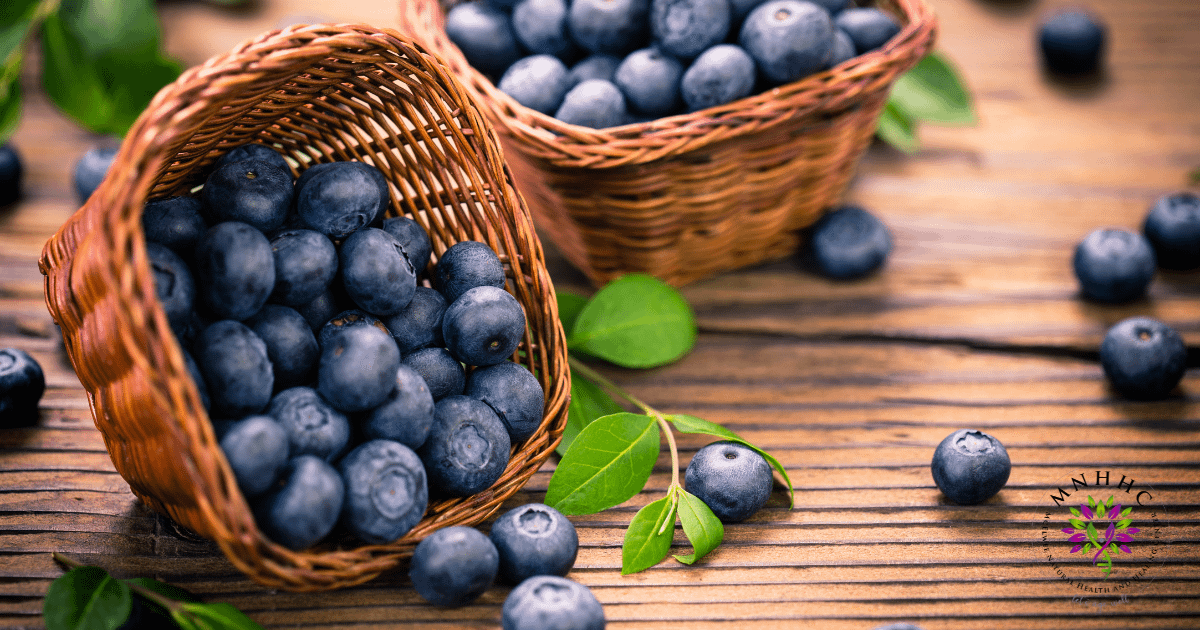
As summer heats up in Maryland, the fields are bursting with vibrant, local produce that can nourish...
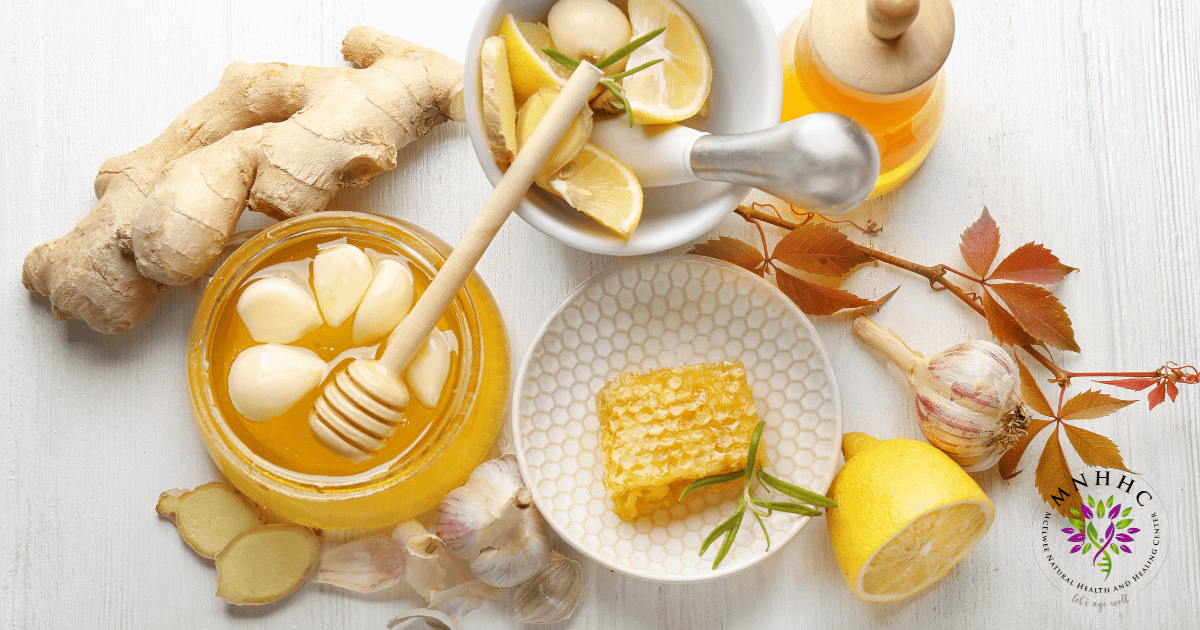
At McElwee Natural Health and Healing Center, we believe in empowering you to take charge of your we...
On May 27, 2025, U.S. Health and Human Services Secretary Robert F. Kennedy Jr. unveiled a groundbre...

Seasonal allergies plague many Maryland residents, with Harford County’s high pollen counts making s...
At McElwee Natural Health and Healing Center, we’ve long championed the power of natural, whole food...

When it comes to cooking, the tools you use are just as important as the ingredients you select. Coo...

This year we have seen a resurgence of measles, a highly contagious viral disease. Before the introd...

If you’re passionate about whole, natural foods and your health, genetically modified organisms (GMO...

We were thrilled to learn of Robert F. Kennedy Jr.’s confirmation as the new Secretary of Health and...

When your child is running a fever, it can be a worrying time for any parent. The decision of whethe...

Red Dye #3, or Erythrosine, is a synthetic red coloring used in various food and cosmetic products....

The “Make America Healthy Again” (MAHA) movement emerges at a crucial time when the Unit...
The holidays are a time of coming together to get caught up in the lives of loved ones, share fond m...
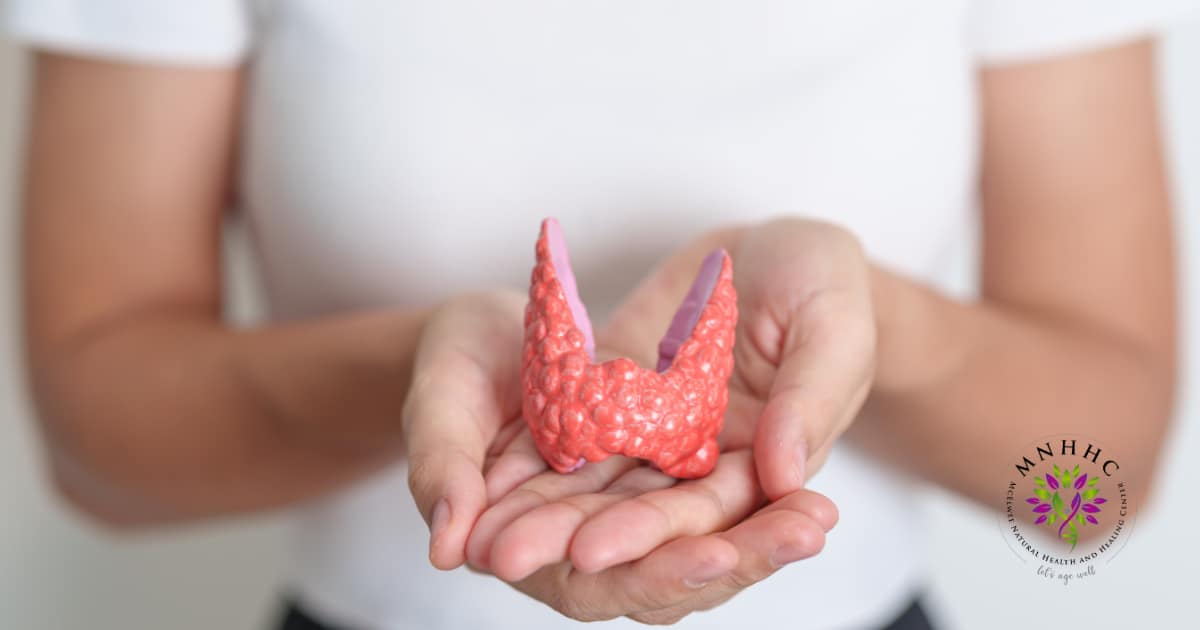
The thyroid gland, a small but crucial butterfly-shaped organ in the neck, regulates a myriad of bod...
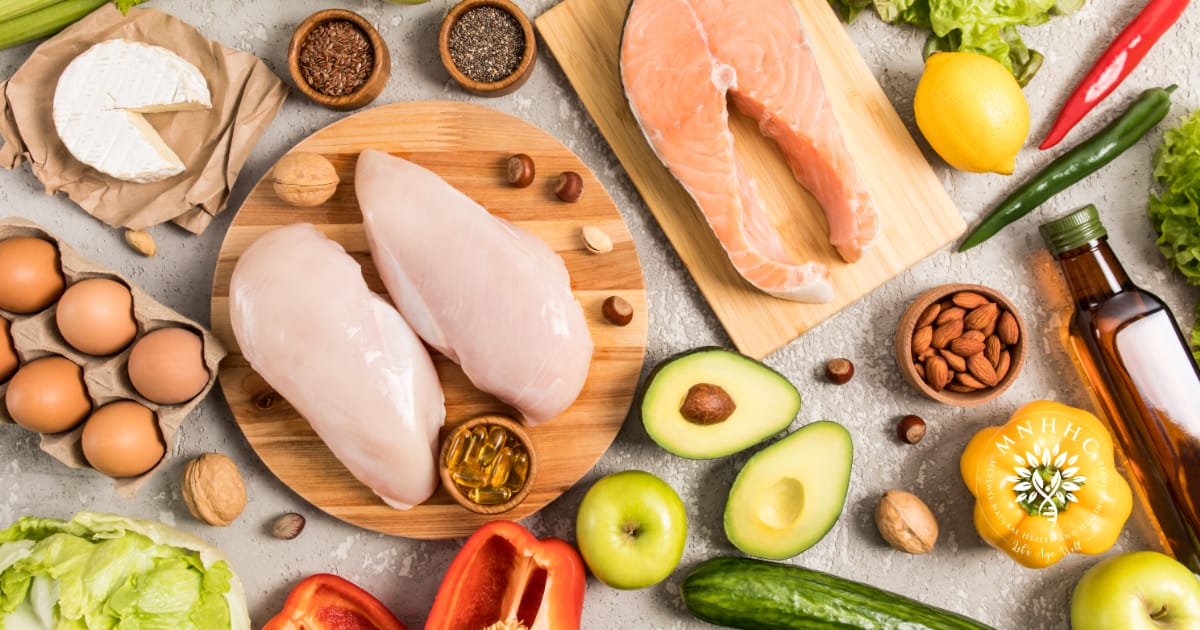
Maintaining good health relies on essential vitamins and minerals like vitamin C, calcium, and iron....
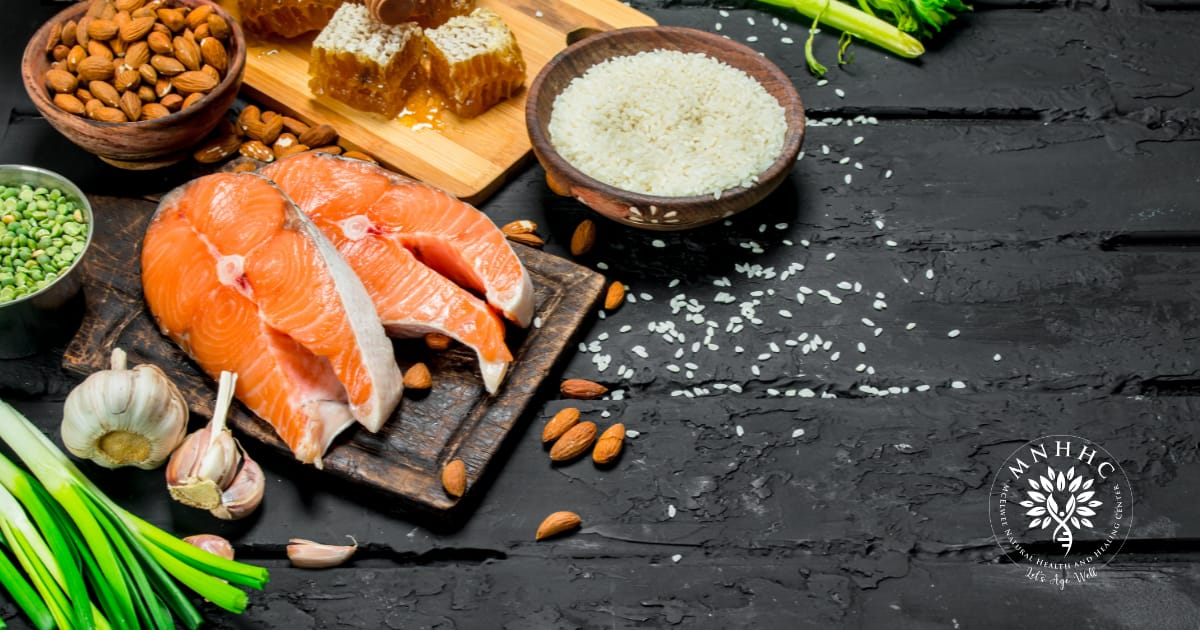
When we think about the essential nutrients contributing to our overall health, our minds often grav...
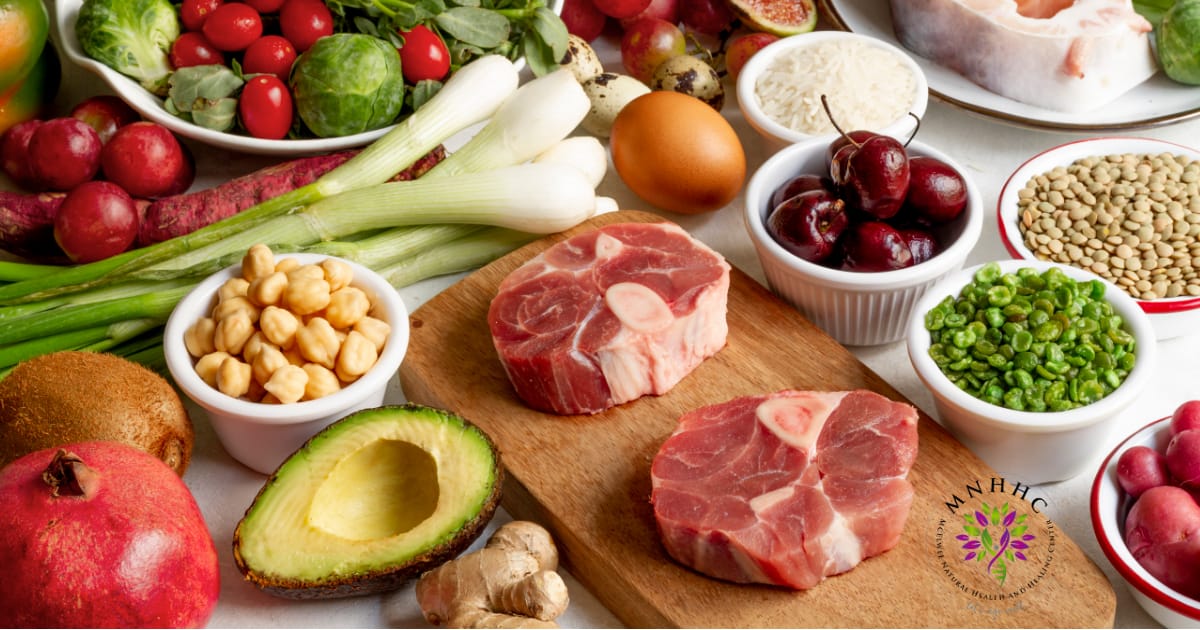
When we think about essential nutrients for our bodies, we often focus on vitamins and minerals like...
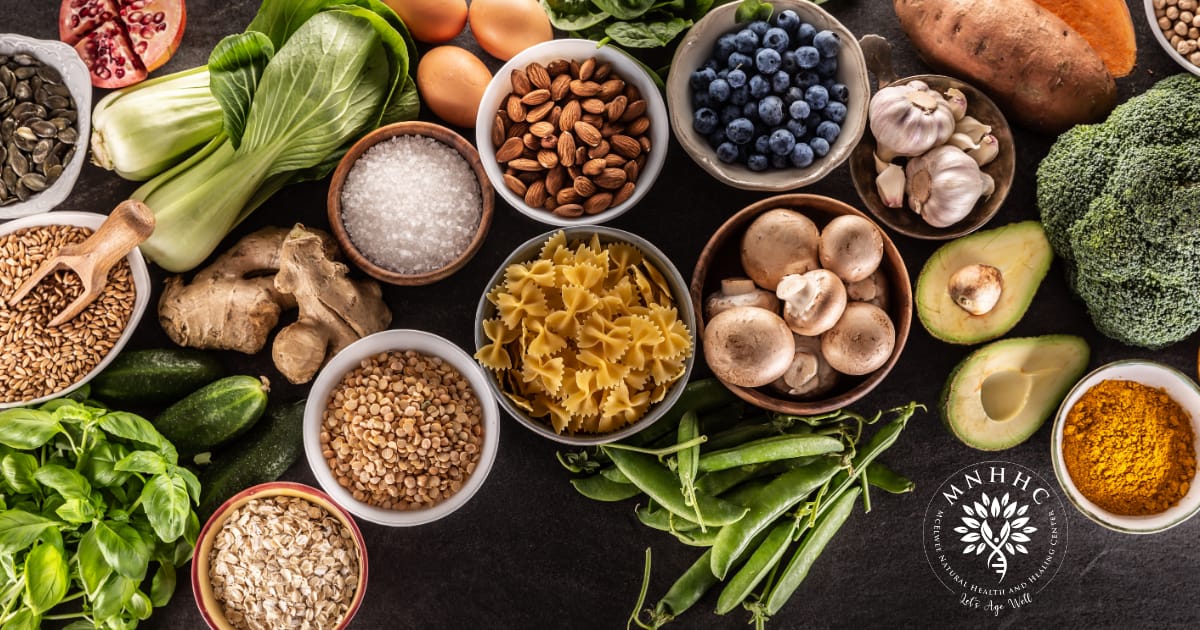
When it comes to essential minerals for our health, manganese often takes a backseat to more popular...
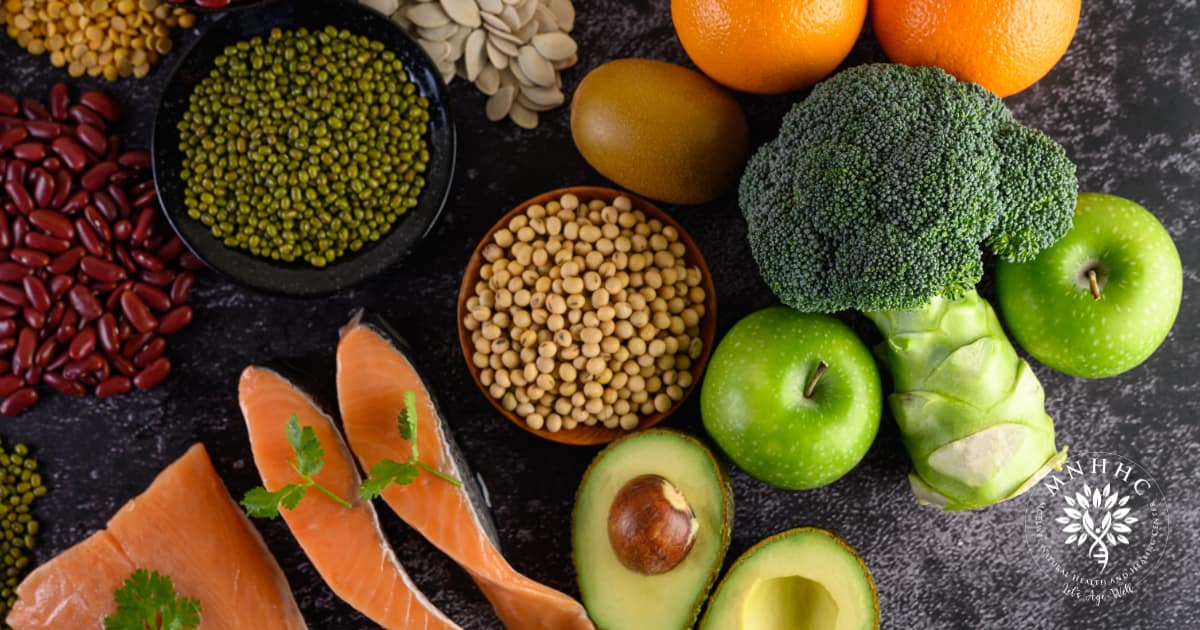
Zinc is a mineral that is crucial in maintaining overall health and well-being. While often overlook...
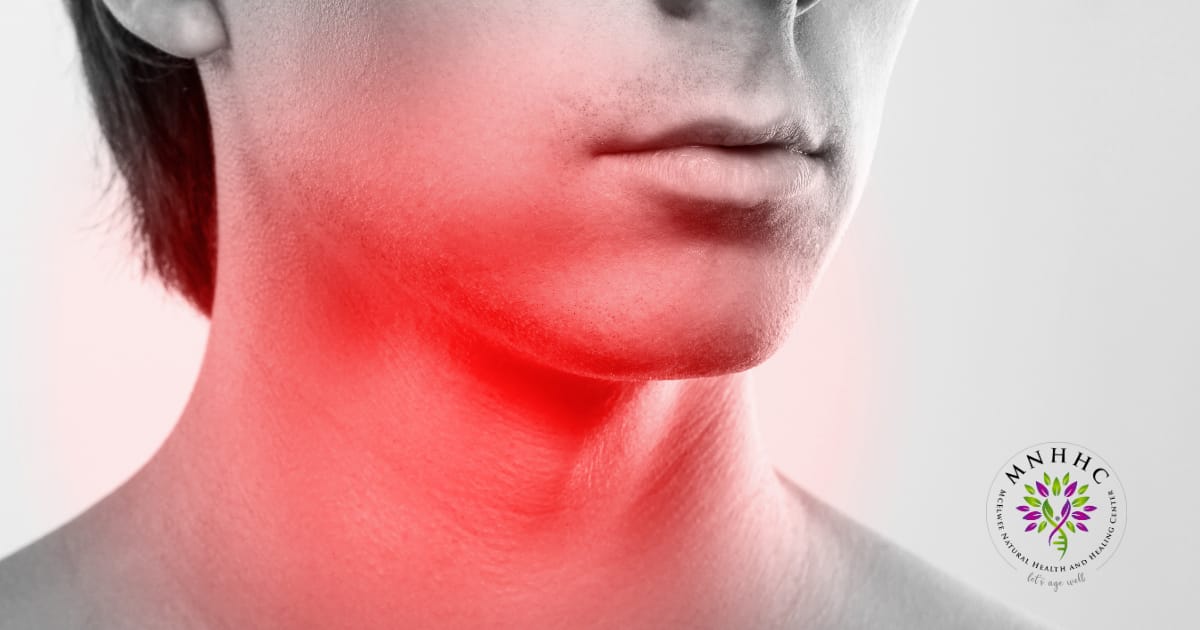
Many people overlook the importance of iodine in their diet when it comes to maintaining optimal hea...
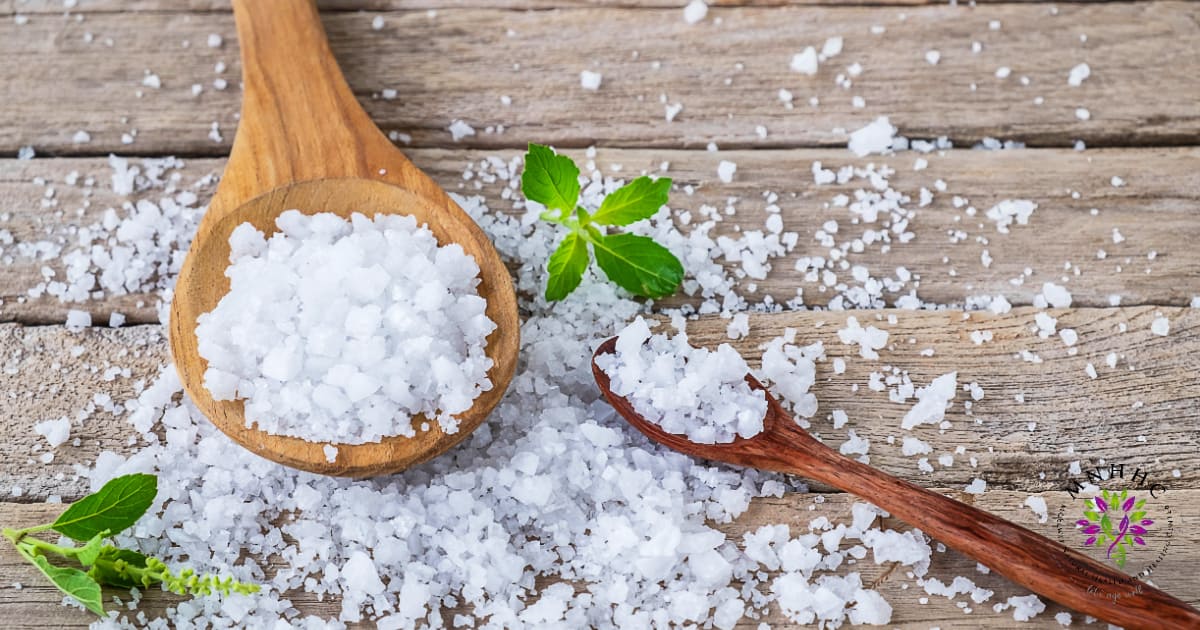
Understanding the role of sodium in our bodies is crucial to maintaining optimal health. Sodium play...
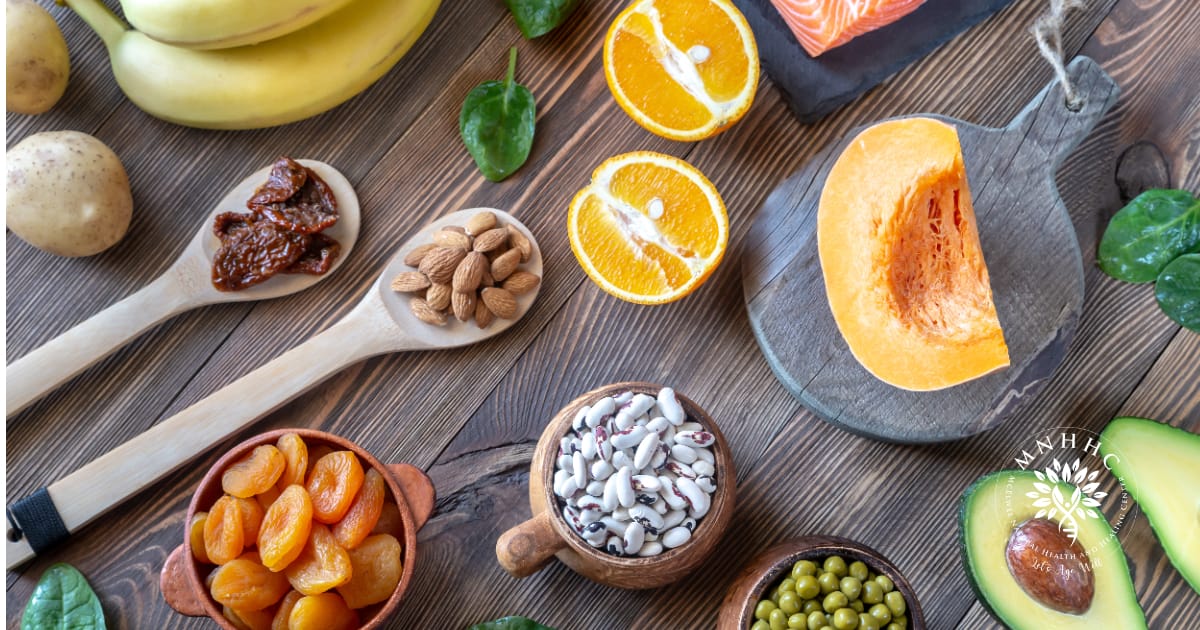
When we think about essential nutrients for our body, we often hear about the importance of vitamins...
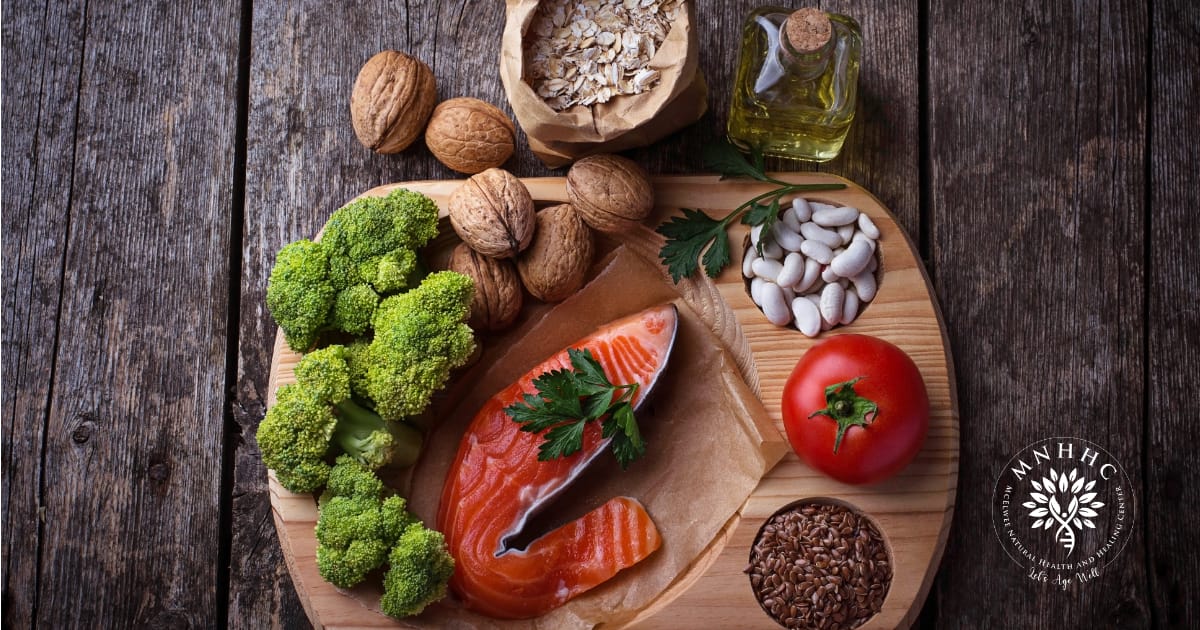
From energy production to cell growth, phosphorus is a vital mineral that is crucial for various fun...
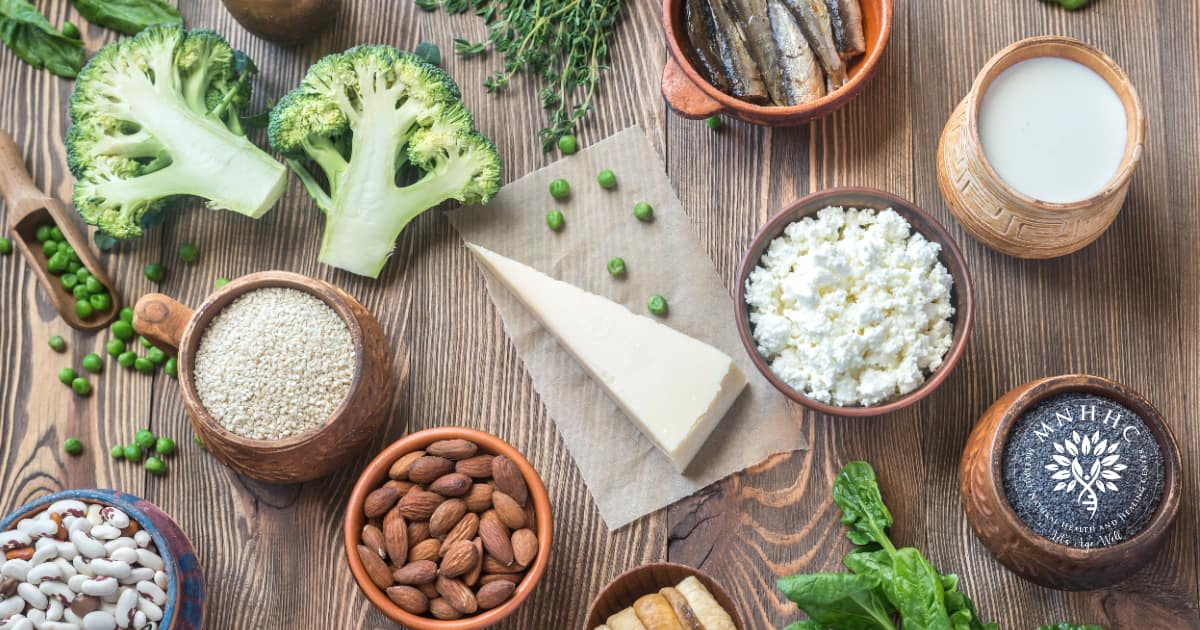
Calcium is an essential mineral that plays a vital role in various body functions. From strong bones...
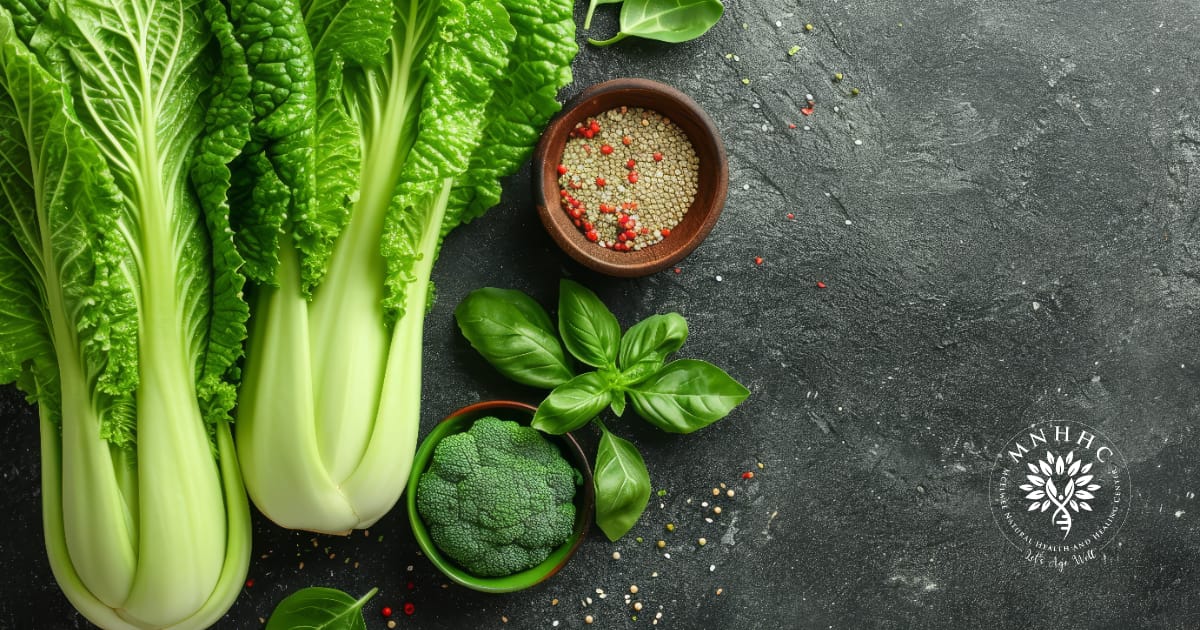
When it comes to maintaining good health, most people are familiar with the importance of vitamins l...
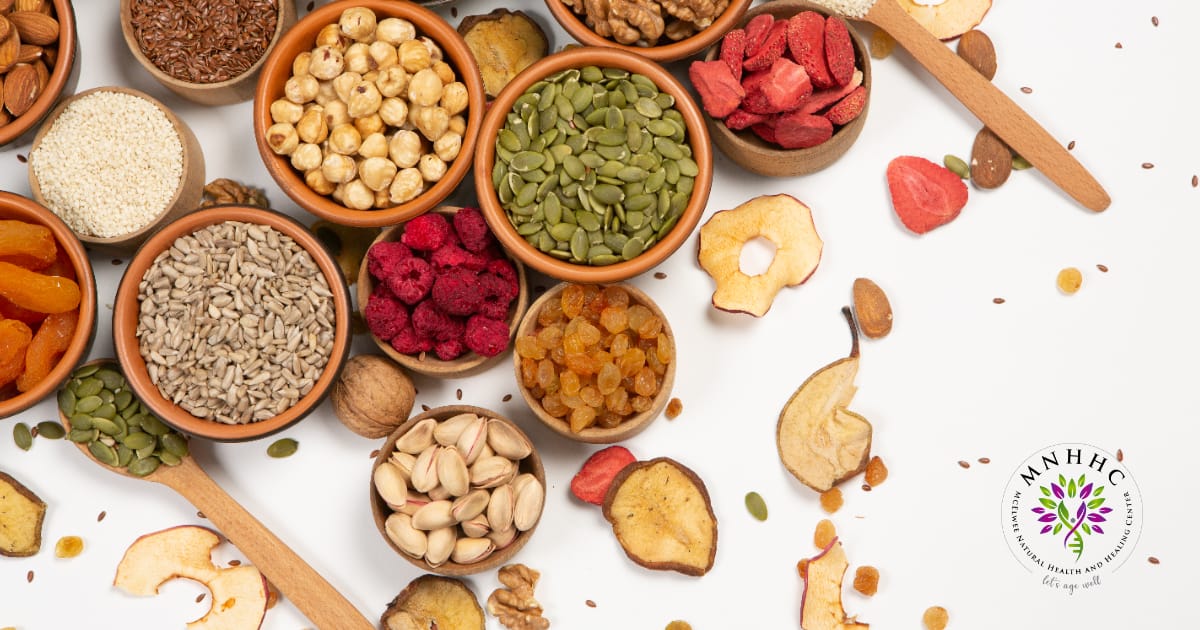
Many of us are familiar with the many essential vitamins in our diet. Still, one that often gets ove...
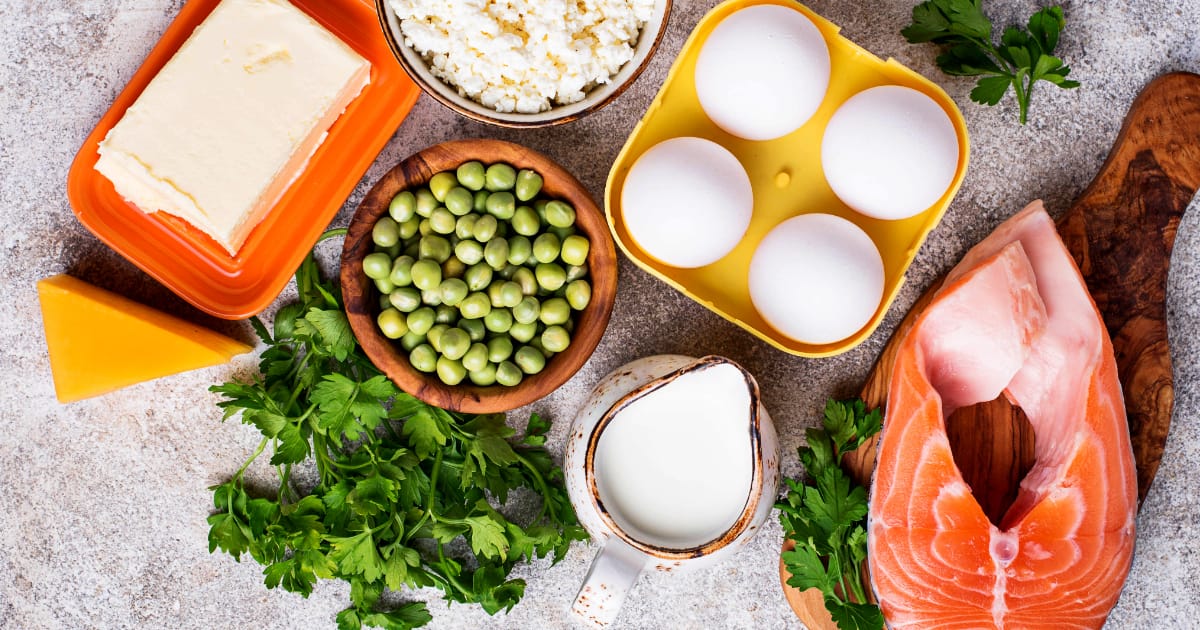
Have you ever noticed how a sunny day can instantly boost your mood? Well, that’s not just a c...
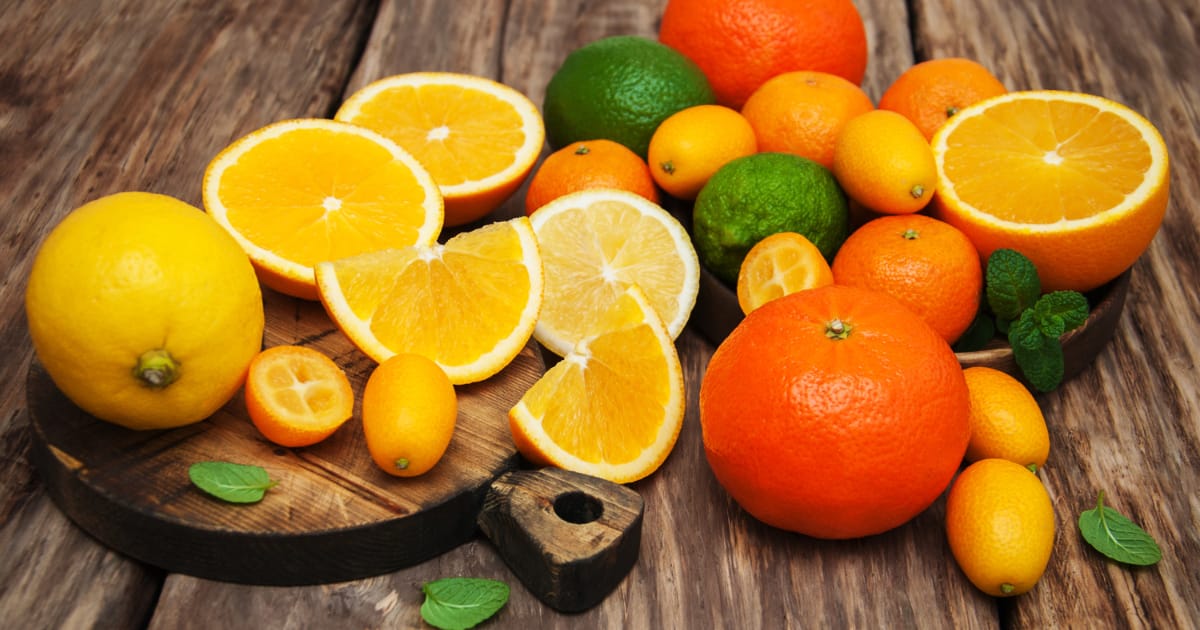
Vitamin C stands out as the go to vitamin for maintaining optimal healt. This essential vitamin, als...
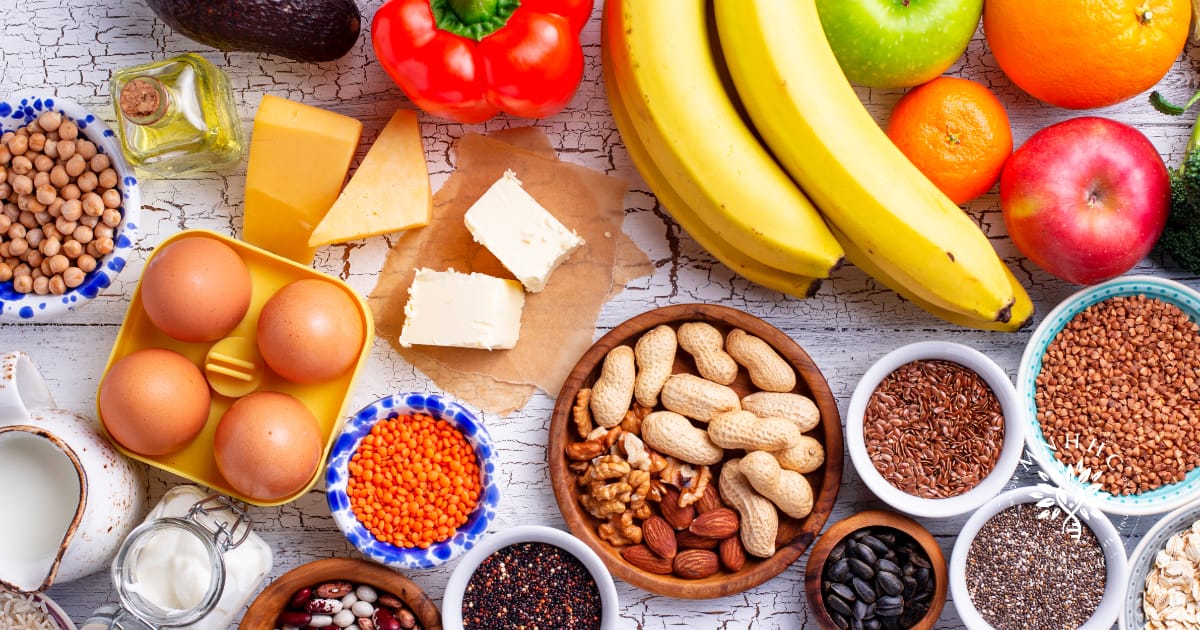
B vitamins play a crucial role in maintaining optimal health. These essential nutrients are water-so...
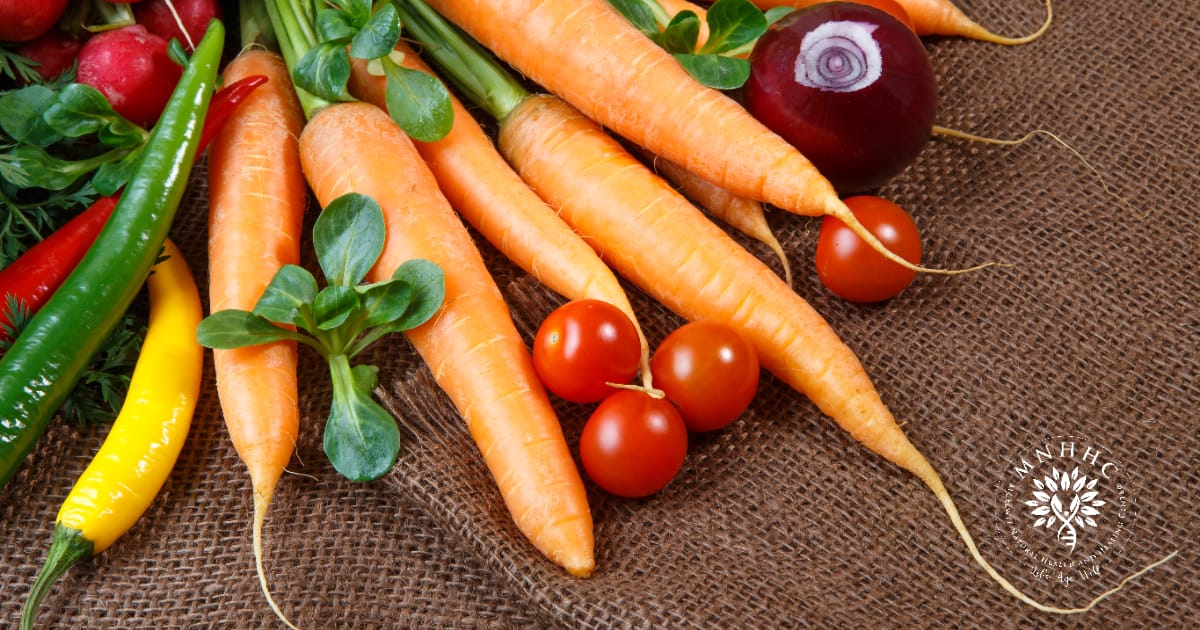
Vitamin A is an essential vitamin that is vital for various bodily functions. We often hear about th...
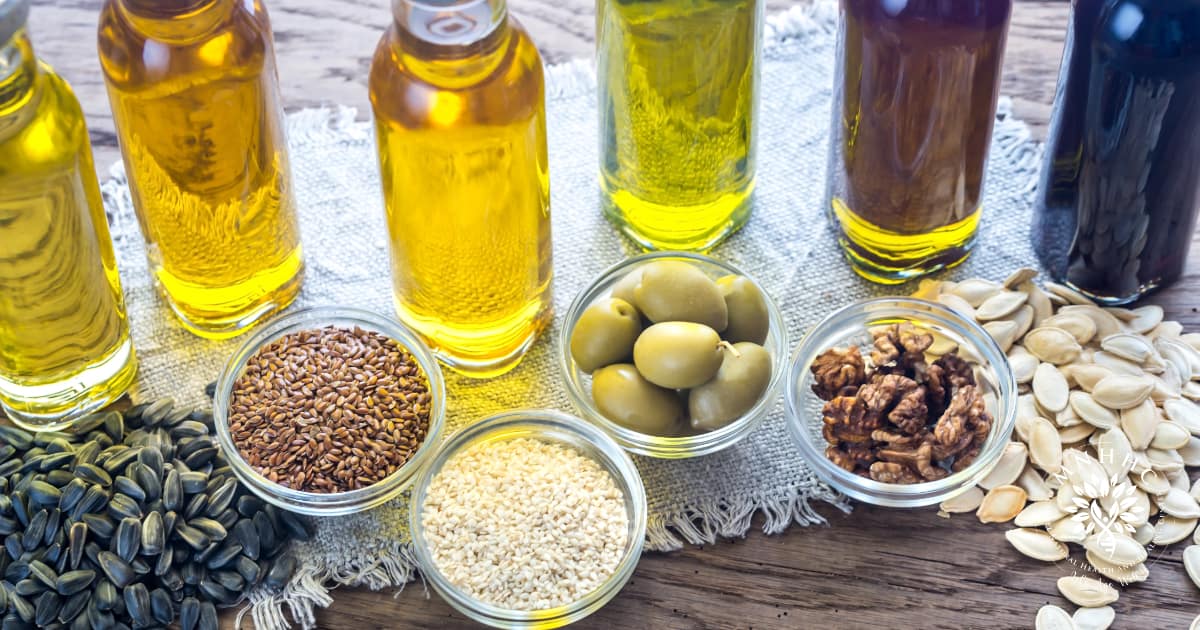
In today’s health-conscious world, many people are becoming more aware of the impact of their...

Imagine biting into a juicy, ripe tomato only to find that it lacks vibrant flavor and essential nut...
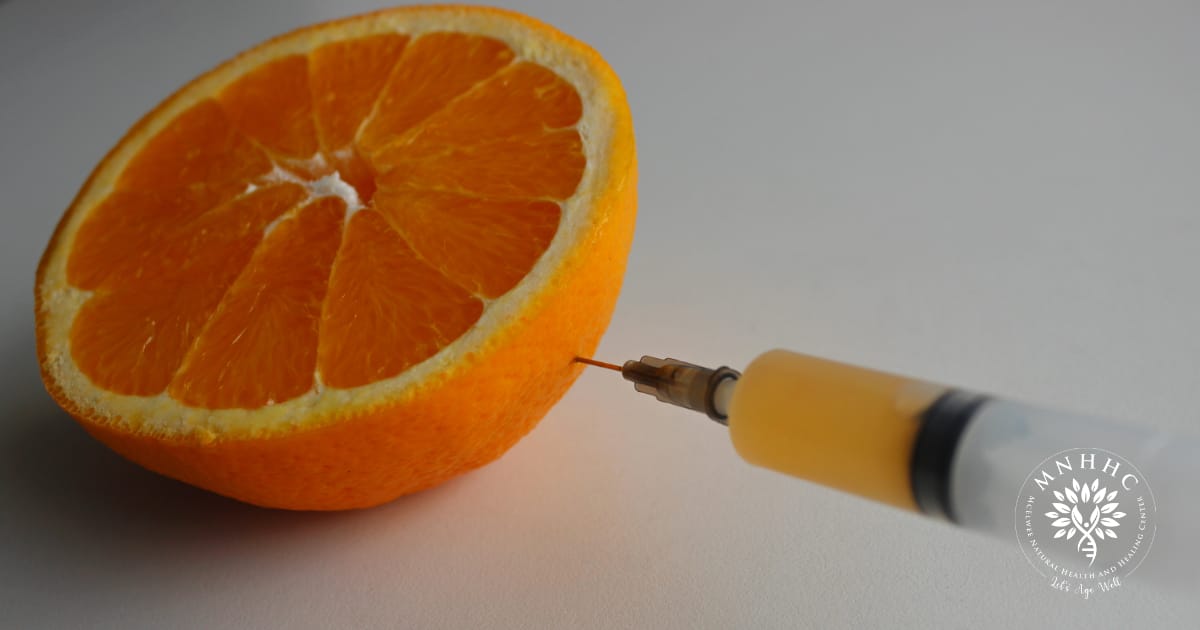
When you pick up a packaged food item from the grocery store shelf, chances are you’ll see the term...
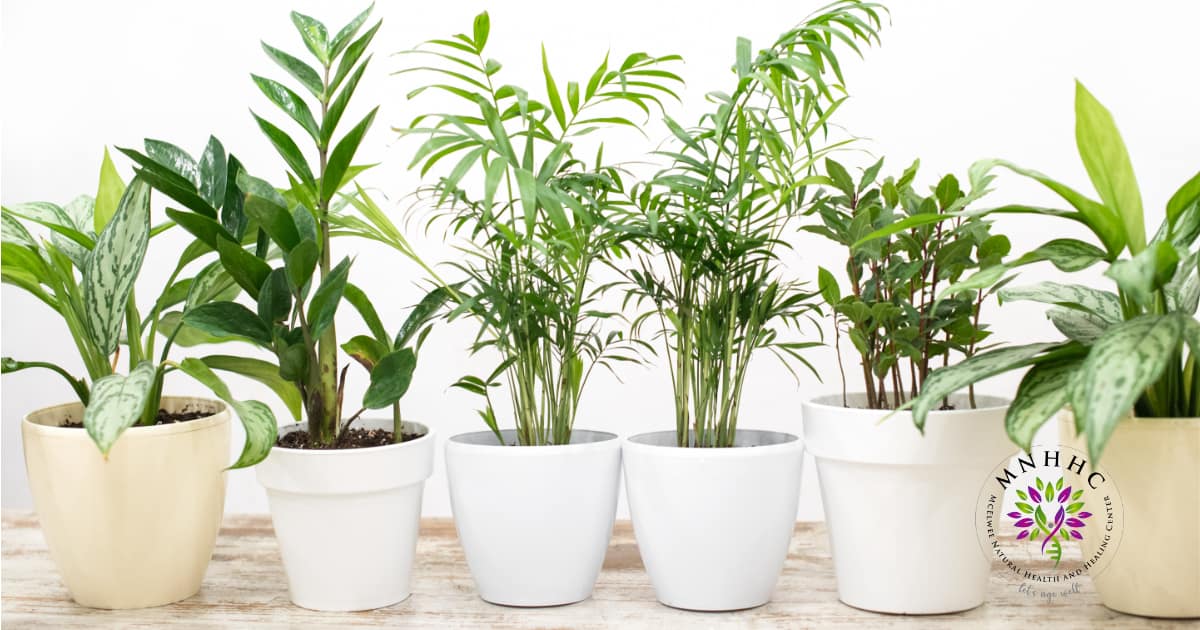
Houseplants are not only a beautiful addition to your home decor, but they also offer numerous healt...

Feeling tired all the time is a common complaint among many people today. It can be a frustrating an...

Our bodies are constantly bombarded with toxins from the environment, food, and even the products we...

As our Dads age, it becomes increasingly important to prioritize their health and well-being. From e...

As a holistic health practice, McElwee Natural Health and Healing is dedicated to enhancing overall...

Electromagnetic fields (EMFs) are invisible lines of force that surround electronic devices and powe...

Are you seeking a natural method to enhance your overall wellness? Discover the PEMF mat at McElwee...

At McElwee Natural Health and Healing, we believe proper health is about more than just the absence...
Imagine stepping outside your home on a bright morning, the birds chirping, the sun shining, and the...

Ever wonder why you feel bloated, exhausted, or achy after certain meals? These could be your body’s way of waving a red flag about food sensitivities. Unlike dramatic food allergies, sensitivities are subtle, with symptoms that can linger, show up hours later, or last for years, making them easy to miss. At McElwee Natural Healing, we’re passionate about helping you decode these signals to restore vibrant health. Let’s dive into the key signs of food sensitivities, why they matter, and how you can take charge of your well-being.
Food sensitivities happen when your body reacts negatively to certain foods, often sparking inflammation or immune responses. Common triggers include gluten, dairy, soy, eggs, or processed foods, but everyone’s sensitivities are unique. Unlike lactose intolerance, which involves a specific enzyme, sensitivities can affect your gut, energy, and even mood. They often stem from imbalances in the gut, which is why our holistic approach at McElwee Natural Healing emphasizes personalized nutrition to address root causes.
Left unchecked, food sensitivities can chip away at your health, contributing to chronic issues like digestive disorders or autoimmune conditions. Recognizing the signs early can prevent bigger problems and help you feel your best.
Your body is always sending signals, and food sensitivities show up in ways you might not expect. Here’s what to look for:
Bloating, gas, or abdominal discomfort after eating are classic red flags. You might also notice irregular bowel movements, like diarrhea or constipation, that seem tied to specific foods. These symptoms suggest your gut is struggling to process certain foods, leading to inflammation or irritation.
Do you feel drained or mentally foggy even after sleeping well? Food sensitivities can zap your energy by causing inflammation that impairs nutrient absorption. For instance, gluten or dairy sensitivities might block your body from using key nutrients, leaving you sluggish.
Aching joints or stiffness that flares up after meals could point to a sensitivity. Inflammatory foods can worsen conditions like arthritis or mimic autoimmune symptoms. Many people find that cutting out trigger foods eases joint pain significantly.
Your skin often mirrors internal health. Rashes, eczema, or acne flare-ups can be linked to food sensitivities. Dairy, for example, is notorious for triggering skin issues by promoting inflammation or hormonal imbalances.
Surprisingly, what you eat can affect your brain. Food sensitivities may cause anxiety, irritability, or brain fog, especially after eating trigger foods. This happens because inflammation disrupts the gut-brain connection, impacting mental clarity and mood.
Other signs to watch for include frequent headaches, unexplained weight changes, or chronic sinus issues. If these sound familiar, your diet might be the culprit.
Food sensitivities aren’t just annoyances—they can have long-term consequences. Chronic inflammation from trigger foods can lead to conditions like leaky gut, where the intestinal lining weakens, allowing toxins to enter the bloodstream. This can fuel autoimmune disorders, metabolic issues, or chronic pain. Catching sensitivities early stops this cycle, reducing inflammation and supporting your body’s natural balance. At McElwee Natural Healing, we view this as a cornerstone of holistic health—treating the whole person, not just symptoms.
Pinpointing sensitivities takes a bit of detective work. Here are three effective ways to start:
Once you’ve identified trigger foods, the goal is to eliminate them while nourishing your body. Start by cutting out suspects for a few weeks and focusing on whole foods like vegetables, lean proteins, and healthy fats. Support your gut with probiotics, bone broth, or fermented foods to promote healing. Staying hydrated and managing stress also help your body recover.
Partnering with a practitioner can streamline the process. At McElwee Natural Healing, we’ve seen clients transform their health by addressing sensitivities. For example, one client struggled with chronic fatigue and bloating. Through Nutrition Response Testing, we identified soy as a trigger. After removing soy sources and providing whole food supplements to detox from lingering soy in the tissues, they reported more energy, clearer skin, and no more digestive issues within weeks.
Food sensitivities don’t have to control your life. By recognizing signs like bloating, fatigue, joint pain, skin issues, or mood changes, you can take proactive steps toward healing. Your body is unique, and so is its path to wellness. At McElwee Natural Healing, we’re here to help you listen to those signals and address the root causes.
Ready to uncover your food sensitivities? Reach out to McElwee Natural Healing to explore Nutrition Response Testing or learn about our holistic approach. Start your journey to better health today—your body deserves it.

Frozen shoulder, medically known as adhesive capsulitis, is a debilitating condition characterized by pain, stiffness, and limited range of motion in the shoulder joint. It can significantly impact daily activities, from reaching for a shelf to getting dressed. While the exact causes remain elusive, emerging research suggests that disruptions in calcium metabolism may play a contributing role. In this blog, we’ll explore what frozen shoulder is, how calcium metabolism might influence its development, and what you can do to manage or prevent it.
Frozen shoulder develops when the capsule surrounding the shoulder joint becomes inflamed and thickens, forming adhesions that restrict movement. The condition typically progresses through three stages:
Frozen shoulder is more common in people aged 40-60, women, and those with certain health conditions like diabetes, thyroid disorders, or a history of injury. While these risk factors are well-documented, the potential link to calcium metabolism is less explored but intriguing.
Calcium is essential for strong bones, muscle function, and nerve signaling. Its levels in the body are tightly regulated by hormones like parathyroid hormone (PTH), calcitonin, and vitamin D. When this balance is disrupted, it can lead to issues in muscles, joints, and connective tissues. Below, we’ll dive into how abnormalities in calcium metabolism might contribute to frozen shoulder.
One of the most direct connections between calcium metabolism and frozen shoulder is calcific tendinitis, a condition where calcium hydroxyapatite crystals deposit in the rotator cuff tendons. These deposits can trigger intense inflammation, causing pain and restricted movement. Over time, this inflammation may spread to the shoulder capsule, leading to the fibrosis and adhesions characteristic of frozen shoulder.
Calcific tendinitis is relatively common, affecting about 3-20% of the population, particularly those over 40. While not all cases progress to frozen shoulder, the inflammatory cascade initiated by calcium deposits can set the stage for adhesive capsulitis. For example, the body’s attempt to resorb these deposits can cause localized tissue damage, further stiffening the joint capsule.
Calcium levels in the blood and tissues are critical for musculoskeletal health. Two conditions tied to calcium imbalance may contribute to frozen shoulder:
Both imbalances disrupt the delicate interplay between muscles, tendons, and joints, creating an environment ripe for inflammatory conditions like frozen shoulder.
The parathyroid glands regulate calcium and phosphate levels through PTH. In hyperparathyroidism, excessive PTH can lead to abnormal calcium deposition in soft tissues, including the shoulder. This may promote inflammation or fibrosis, contributing to the thickening of the shoulder capsule seen in adhesive capsulitis. While direct studies linking hyperparathyroidism to frozen shoulder are limited, the role of PTH in soft tissue calcification suggests a plausible connection.
Vitamin D is crucial for calcium absorption in the gut and maintaining bone and muscle health. A deficiency can disrupt calcium metabolism, weakening connective tissues and increasing susceptibility to inflammatory conditions. Research shows that low vitamin D levels are common in patients with chronic musculoskeletal pain, including frozen shoulder. For example, a 2020 study found that vitamin D deficiency was prevalent in patients with adhesive capsulitis, suggesting that correcting this deficiency might improve outcomes.
Vitamin D also has anti-inflammatory properties, and its absence may allow unchecked inflammation, contributing to the development or persistence of frozen shoulder.
Frozen shoulder is strongly associated with metabolic conditions like diabetes, which affects 20-30% of patients with adhesive capsulitis. Diabetes can disrupt calcium metabolism indirectly by promoting glycosylation of connective tissues, reducing their elasticity and contributing to joint stiffness. Additionally, chronic inflammation in diabetes may exacerbate calcium-related issues, such as abnormal tissue deposition, further linking metabolic dysfunction to frozen shoulder.
Thyroid disorders, another risk factor for frozen shoulder, can also affect calcium metabolism. Hypothyroidism, for instance, may slow tissue repair and increase inflammation, while hyperthyroidism can elevate calcium levels, potentially contributing to soft tissue calcification.
Chronic inflammation is a hallmark of frozen shoulder, and disruptions in calcium metabolism may amplify this process. For example, abnormal calcium deposits can trigger an immune response, leading to synovial inflammation and capsular fibrosis. Over time, this creates a vicious cycle of stiffness and pain, hallmark features of adhesive capsulitis.
While the link between calcium metabolism and frozen shoulder is not fully established, addressing potential imbalances can support overall shoulder health. Here are some strategies:
Frozen shoulder is a complex condition with multiple contributing factors, and calcium metabolism may play a subtle but significant role. From calcific tendinitis to vitamin D deficiency and metabolic disorders, disruptions in calcium homeostasis can exacerbate inflammation and stiffness in the shoulder. By understanding these connections and taking proactive steps—like monitoring nutrient levels and managing underlying conditions—you can support your shoulder health and overall well-being. If you suspect a frozen shoulder or have concerns about calcium metabolism, schedule an assessment with us today!

As summer heats up in Maryland, the fields are bursting with vibrant, local produce that can nourish your body and align with nature’s rhythms. At McElwee Natural Health and Healing Center, we believe that eating seasonally not only boosts your health but also connects you to the earth’s natural cycles, fostering holistic wellness. By choosing organic, locally grown foods, you’re fueling your body with nutrient-dense ingredients at their peak freshness while supporting Maryland’s thriving farming community. Let’s explore the benefits of seasonal eating, highlight what’s fresh in Maryland this June, and share some recipes infused with Maryland flair to inspire your kitchen.
Why Seasonal Nutrition Matters
Eating with the seasons means consuming foods when they’re naturally harvested, maximizing flavor, nutrition, and sustainability. Seasonal produce is picked at its ripest, delivering higher levels of vitamins, minerals, and antioxidants compared to out-of-season options shipped from afar. Plus, choosing local, organic foods reduces your environmental footprint and supports Maryland farmers who prioritize sustainable practices.
In June, your body craves lighter, hydrating foods to stay energized in the summer sun. Maryland’s early summer harvest offers juicy fruits, crisp vegetables, and fragrant herbs that align perfectly with this need, boosting immunity, hydration, and overall vitality. By eating mindfully and in harmony with the seasons, you’re not just nourishing your body—you’re cultivating a deeper connection to nature.
Maryland’s June Bounty: What’s in Season
Maryland’s warm June climate yields a rich variety of produce at its peak. Here’s a snapshot of what’s fresh and organic at local farms and markets this month, based on seasonal guides from Maryland’s agricultural resources:
These ingredients are available at local farmers’ markets, farm stands, or through Community Supported Agriculture (CSA) programs. Check Maryland’s Best or the Seasonal Food Guide to find markets and farms near you.
The Benefits of Seasonal Nutrition
Incorporating Maryland’s June produce into your diet offers numerous health benefits:
By eating seasonally, you’re also practicing mindfulness, savoring the unique flavors of early summer and appreciating the effort of local farmers.
Recipes with Maryland Flair
To bring Maryland’s June harvest to your table, we’ve crafted two recipes that highlight seasonal produce and incorporate the state’s culinary traditions, including its love for seafood and bold flavors.
Chesapeake Blueberry Crab Salad
This refreshing salad combines Maryland’s sweet blueberries and crisp cucumbers with a nod to the Chesapeake Bay’s seafood heritage.
Ingredients (Serves 4):
Instructions:
Health Benefits: Blueberries and cucumbers provide antioxidants and hydration, while crab meat adds lean protein and omega-3s for heart health.
Grilled Zucchini with Old Bay Basil Butter
This dish celebrates Maryland’s iconic Old Bay seasoning, paired with tender summer zucchini.
Ingredients (Serves 4):
Instructions:
Health Benefits: Zucchini supports digestion and hydration, while Old Bay adds flavor without extra calories.
Connect with Nature and Your Community
At McElwee Natural Health and Healing Center, we encourage you to embrace seasonal eating as a form of self-care and wellness. Visit local farms to connect with the source of your food. These activities not only nourish your body but also deepen your appreciation for Maryland’s agricultural heritage.
Ready to start your seasonal eating journey? Head to a nearby farmers’ market, try our recipes, and share your creations with us! Let’s celebrate Maryland’s summer harvest together, one delicious bite at a time. Contact us today!

At McElwee Natural Health and Healing Center, we believe in empowering you to take charge of your wellness using nature’s gifts. Herbal remedies have been used for centuries to support health and vitality, and many can be made right in your own kitchen with simple, safe ingredients. Below, we share five easy at-home herbal remedies to help you address common everyday concerns like stress, digestion, and sleep. These remedies are beginner-friendly, but always consult with a healthcare professional before trying new treatments, especially if you have pre-existing conditions or are taking medications.
Chamomile is a gentle, calming herb known for its ability to ease stress and promote restful sleep. Its mild, apple-like flavor makes it a soothing bedtime ritual.
How to Make It:
Why It Works: Chamomile contains apigenin, an antioxidant that may help reduce anxiety and promote sleep. It’s a great option for winding down after a hectic day.
Safety Tip: Chamomile is generally safe but may cause allergic reactions in those sensitive to ragweed or similar plants.
Ginger is a powerhouse for soothing digestive discomfort, whether it’s nausea, bloating, or an upset stomach. It’s a staple in many natural health practices for its warming, anti-inflammatory properties.
How to Make It:
Why It Works: Ginger contains compounds like gingerol that support digestion and may reduce nausea. It’s especially helpful after heavy meals or for morning sickness (with medical approval).
Safety Tip: Ginger may interact with blood-thinning medications. Check with your healthcare provider if you’re on such medications or pregnant.
Peppermint is a refreshing herb that can help ease tension headaches when used as an aromatherapy remedy. Its cooling menthol effect is both invigorating and calming.
How to Make It:
Why It Works: Peppermint’s menthol may help relax muscles and improve blood flow, potentially reducing headache discomfort.
Safety Tip: Essential oils are potent. Never ingest them or apply directly to skin. Avoid it if you have sensitive skin or respiratory conditions like asthma.
Lavender is a beloved herb for its calming scent, perfect for reducing stress or creating a peaceful environment at home. A simple lavender sachet can be a game-changer for relaxation.
How to Make It:
Why It Works: Lavender’s aroma has been shown to lower stress levels and promote relaxation, making it ideal for busy days or restless nights.
Safety Tip: Ensure the lavender is clean and free of pesticides. Discontinue use if you experience skin irritation or allergic reactions.
Stinging nettle is a nutrient-rich herb that may help ease mild seasonal allergy symptoms like sneezing or itchy eyes, thanks to its natural antihistamine properties.
How to Make It:
Why It Works: Nettle may reduce inflammation and histamine response, offering relief from mild allergy symptoms. It’s also packed with vitamins and minerals.
Safety Tip: Nettle is generally safe but may interact with certain medications, like diuretics or blood pressure drugs. Consult your doctor before use.
While these remedies are simple and made from widely available herbs, everyone’s body is unique. Always start with small amounts to test for sensitivities. At McElwee Natural Health and Healing Center, we’re here to guide you in safely incorporating natural remedies into your wellness routine. Contact us today!

On May 27, 2025, U.S. Health and Human Services Secretary Robert F. Kennedy Jr. unveiled a groundbreaking shift in public health policy, announcing that the CDC will no longer recommend routine COVID-19 vaccinations for healthy children and pregnant women. Flanked by FDA Commissioner Dr. Marty Makary and NIH Director Dr. Jay Bhattacharya, Kennedy celebrated the decision as a victory for personal freedom and evidence-based policy. By prioritizing individual choice over one-size-fits-all mandates, this move empowers families to make their own health decisions while aligning with the evolving science of a post-pandemic world. Here’s why this change is a refreshing and positive step forward.
The decision to remove COVID-19 vaccine recommendations for healthy children and pregnant women marks a significant departure from the era of blanket mandates. Kennedy, a long-time advocate for medical autonomy, emphasized that “families should have the freedom to decide what’s best for their health.” By bypassing the traditional CDC Advisory Committee on Immunization Practices (ACIP) process, HHS has acted decisively to eliminate what many see as outdated and overly prescriptive guidelines. Dr. Makary noted that many countries have already stopped recommending routine COVID-19 vaccines for healthy children, while Dr. Bhattacharya hailed the move as “common sense” and “good science.”
This policy rejects the notion that mandated vaccines are the only path to public health. Instead, it trusts individuals to work with their doctors to make informed choices, reflecting a growing global consensus that personal autonomy should take precedence over top-down directives.
The decision is rooted in a clear-eyed assessment of the current COVID-19 landscape and a commitment to empowering families:
This policy shift brings a host of positive outcomes for families and communities:
This policy is a breath of fresh air in a world that has often leaned on mandates to drive public health. By removing routine COVID-19 vaccine recommendations for healthy children and pregnant women, HHS is embracing a future where families are trusted to make their own decisions. As Kennedy put it, “This is about getting back to common sense.” The decision reflects the reality of a virus that’s less threatening to low-risk groups, thanks to widespread immunity and milder variants.
For parents and expectant mothers, this change means freedom to choose what’s best for their families, guided by personal circumstances and medical advice—not government mandates. Contact us today for an evaluation!

Seasonal allergies plague many Maryland residents, with Harford County’s high pollen counts making spring and fall particularly challenging. At McElwee Natural Health and Healing Center in Churchville, we’ve seen an increase in allergy sufferers. Patients can achieve significant allergy relief by addressing gut health. This article explores the gut-allergy connection and outlines natural, evidence-based strategies to reduce symptoms, highlighting our center’s expertise in holistic care.
Your gut houses trillions of microorganisms, collectively called the gut microbiome, which regulates digestion, vitamin production, and immune function. About 70-80% of your immune cells reside in the gut, where specialized tissues (gut-associated lymphoid tissue, or GALT) distinguish between harmful and harmless substances, like pollen. A balanced microbiome supports immune tolerance, but dysbiosis—microbial imbalance—can make the immune system hyperreactive, worsening allergies.
“Leaky gut” (increased intestinal permeability) occurs when the gut lining becomes compromised by stress, poor diet, or medications, allowing undigested particles to enter the bloodstream. This triggers systemic inflammation, heightening allergic responses. A compromised gut barrier can amplify seasonal allergy symptoms, making pollen season more severe.
Key indicators include:
Diet is a cornerstone of restoring gut health and reducing the severity of allergic responses. By nourishing the gut microbiome, calming systemic inflammation, and supporting immune regulation, specific foods and dietary habits can significantly alleviate allergy symptoms. Below are evidence-based strategies to incorporate into your daily routine, tailored to address the gut-allergy connection.
Chronic inflammation drives both gut dysfunction and allergic hypersensitivity, making anti-inflammatory foods essential for relief. These foods reduce the body’s inflammatory load, support gut barrier integrity, and modulate immune responses, often leading to noticeable improvements in allergy symptoms within 2-3 weeks.
Certain foods contain compounds that naturally stabilize mast cells (which release histamine during allergic reactions) and reduce allergy symptoms without the side effects of conventional antihistamines, such as drowsiness. These foods are particularly effective during high-pollen seasons.
A balanced gut microbiome is critical for immune regulation and allergy relief. Fermented foods deliver live beneficial bacteria, while prebiotic-rich foods nourish existing gut flora, restoring microbiome harmony and reducing allergic sensitization.
Certain foods exacerbate gut inflammation, disrupt microbiome balance, and amplify allergic responses, particularly during peak allergy seasons. Limiting these allows the gut to heal and reduces immune hyperactivity.
Beyond diet, lifestyle factors profoundly influence gut health and allergic resilience. Stress, sleep, exercise, and hydration directly impact the gut-immune axis, modulating inflammation and barrier function. These practices, when implemented consistently, enhance the body’s ability to manage allergens and promote overall wellness.
The gut-brain connection, mediated by the vagus nerve, means stress directly impairs gut barrier integrity and microbiome balance, amplifying allergic responses. Targeted stress-reduction techniques calm the nervous system, improve digestion, and reduce inflammation, offering both immediate and long-term benefits. Practice diaphragmatic breathing, mindfulness meditation, yoga, and exposure to nature.
Sleep and gut health are bidirectional: poor gut function disrupts sleep, while inadequate sleep worsens gut permeability and immune dysregulation. Quality sleep supports the gut’s repair processes and recalibrates allergic responses. Aim for 7-9 hours nightly, as less than 6 hours increases inflammatory markers. In addition keep the bedroom dark (use blackout curtains), cool (60-67°F), and quiet. Also, remove electronic devices to minimize blue light exposure, which suppresses melatonin.
Moderate exercise promotes gut health by improving motility, reducing stress, and enhancing microbiome diversity, all of which support immune balance and allergy relief. However, overexertion can stress the gut, so balance is key. Start walking 30 minutes a day, ideally in the afternoon when pollen counts are lower. This will improve gut motility and circulation. Or try low-impact activities such as cycling, swimming, or gentle strength training. Just remember balance is key, intense workouts (e.g., marathon training) can temporarily increase gut permeability, worsening allergies so limit high-intensity sessions to 1-2 times weekly and monitor for fatigue or digestive upset. Finally, jump in the shower after exercising outside to remove pollen from skin and hair.
Proper hydration supports the mucous membranes of the respiratory and digestive tracts, which are critical barriers against allergens. Adequate fluid intake also maintains gut barrier function and aids detoxification. Drink half your body weight in ounces of filtered water daily (e.g., 75 oz for a 150-lb person). Add electrolytes (lemon, pinch of sea salt) during hot weather or exercise to enhance absorption.
Hydration thins mucus, maintains the intestinal mucus layer, preventing leaky gut. Include hydrating foods like cucumbers, watermelon, and celery for added nutrients.
Avoid dehydrating beverages like caffeine and sugary drinks, which can dehydrate and inflame the gut. Herbal teas (chamomile, peppermint) are excellent alternatives.
The connection between gut health and seasonal allergies represents one of the most exciting frontiers in natural medicine. By addressing the root causes of immune dysregulation—rather than simply suppressing symptoms—we can help you achieve not just temporary relief but lasting wellness.
If seasonal allergies persist despite conventional treatments, McElwee Natural Health and Healing Center is here to help. Contact us today to begin your journey toward comprehensive relief through better gut health.