
Surviving the Holidays Without Losing Your Mind (or Your Immune System)
Welcome to the most wonderful—and occasionally most chaotic—time of the year! At McElwee Natural Hea...
Welcome to the most wonderful—and occasionally most chaotic—time of the year! At McElwee Natural Hea...
At McElwee Natural Health and Healing Center, we’re committed to empowering families with info...
In a groundbreaking announcement on September 22, 2025, President Donald Trump, flanked by Health an...

In a world where modern medicine often treats symptoms with pills and procedures, what if the key to...
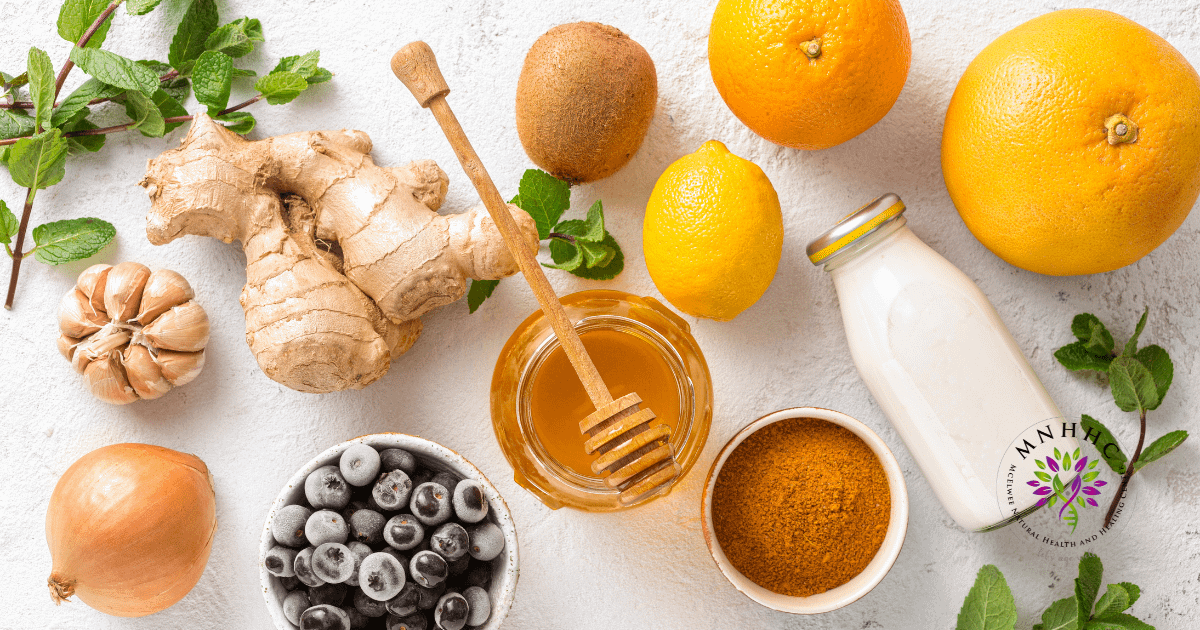
At McElwee Natural Health and Healing Center, we’re committed to empowering our community with knowl...
At McElwee Natural Health and Healing, our mission is to empower you to achieve vibrant health by ad...
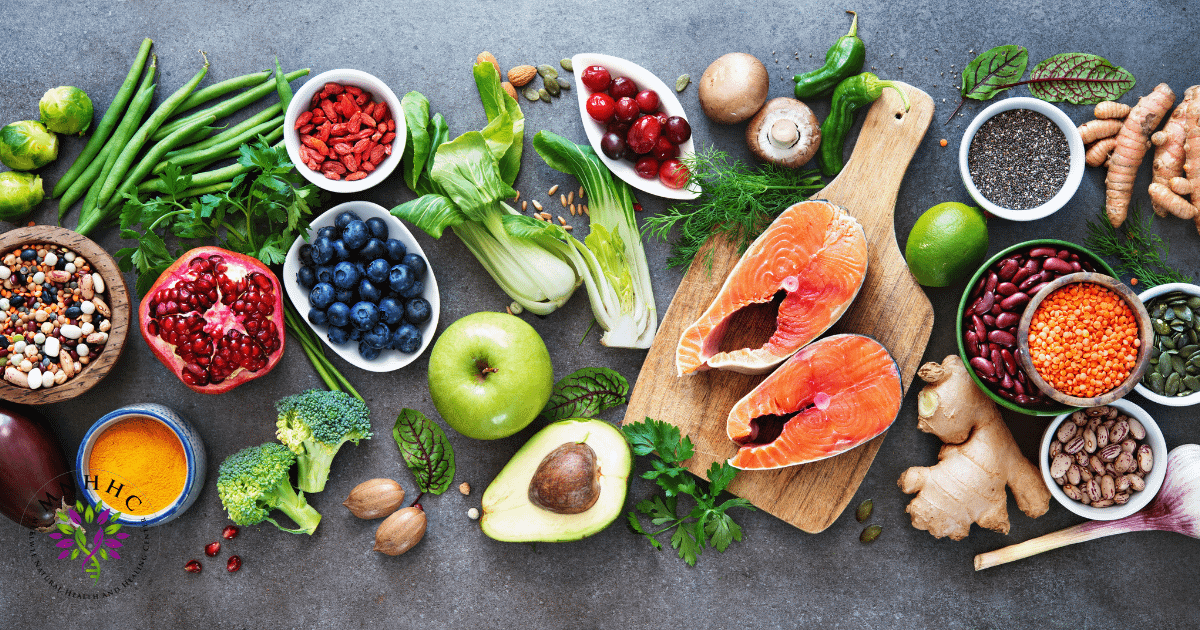
Ever wonder why you feel bloated, exhausted, or achy after certain meals? These could be your body’s...
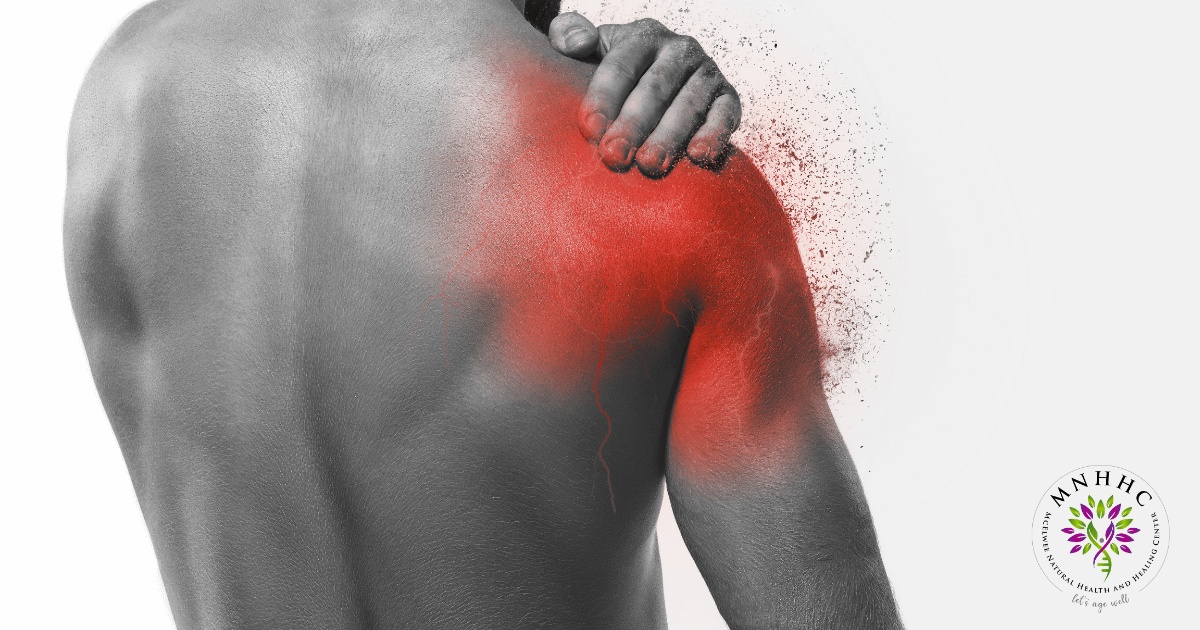
Frozen shoulder, medically known as adhesive capsulitis, is a debilitating condition characterized b...
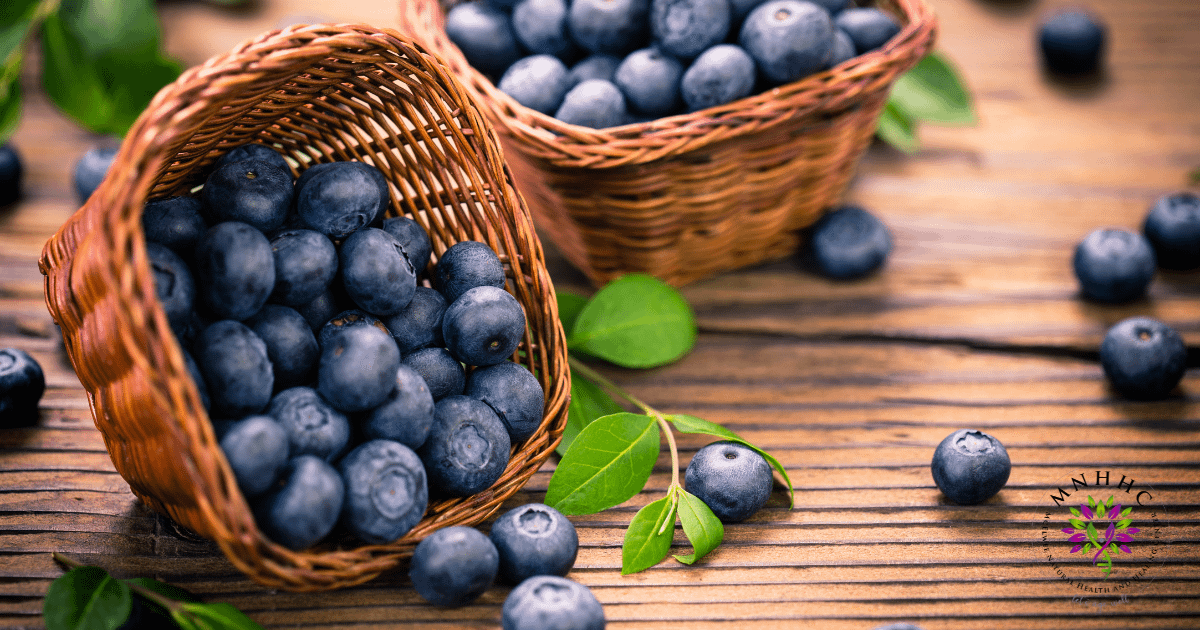
As summer heats up in Maryland, the fields are bursting with vibrant, local produce that can nourish...
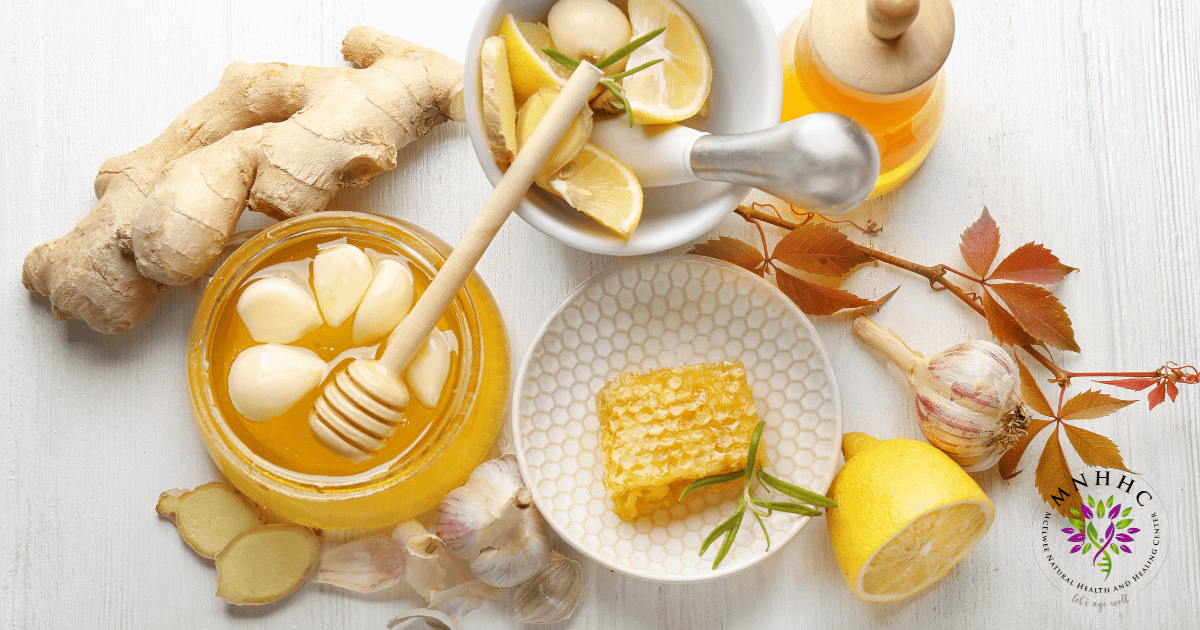
At McElwee Natural Health and Healing Center, we believe in empowering you to take charge of your we...
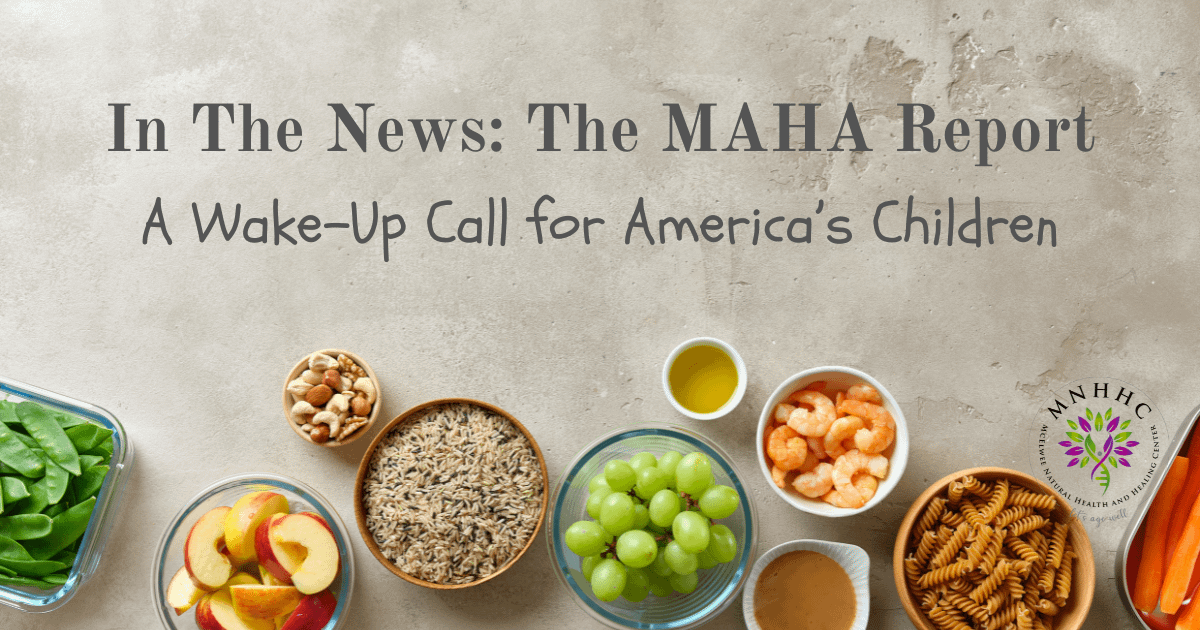
On May 27, 2025, U.S. Health and Human Services Secretary Robert F. Kennedy Jr. unveiled a groundbre...
Seasonal allergies plague many Maryland residents, with Harford County’s high pollen counts making s...
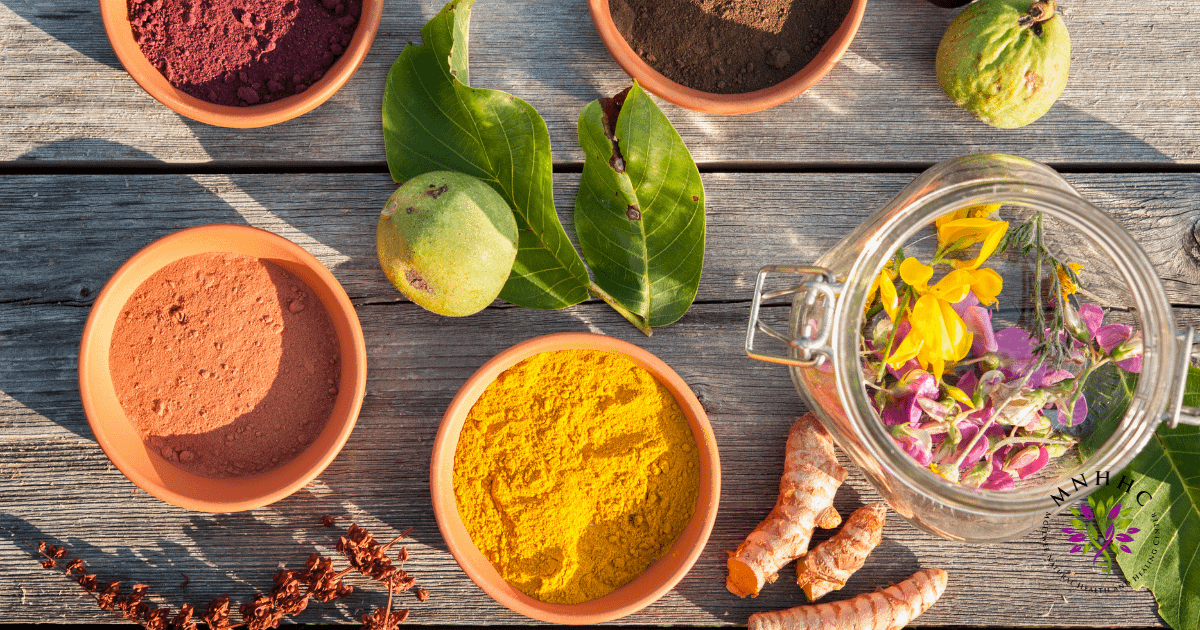
At McElwee Natural Health and Healing Center, we’ve long championed the power of natural, whole food...
When it comes to cooking, the tools you use are just as important as the ingredients you select. Coo...
This year we have seen a resurgence of measles, a highly contagious viral disease. Before the introd...
If you’re passionate about whole, natural foods and your health, genetically modified organisms (GMO...

We were thrilled to learn of Robert F. Kennedy Jr.’s confirmation as the new Secretary of Health and...

When your child is running a fever, it can be a worrying time for any parent. The decision of whethe...
Red Dye #3, or Erythrosine, is a synthetic red coloring used in various food and cosmetic products....

The “Make America Healthy Again” (MAHA) movement emerges at a crucial time when the Unit...
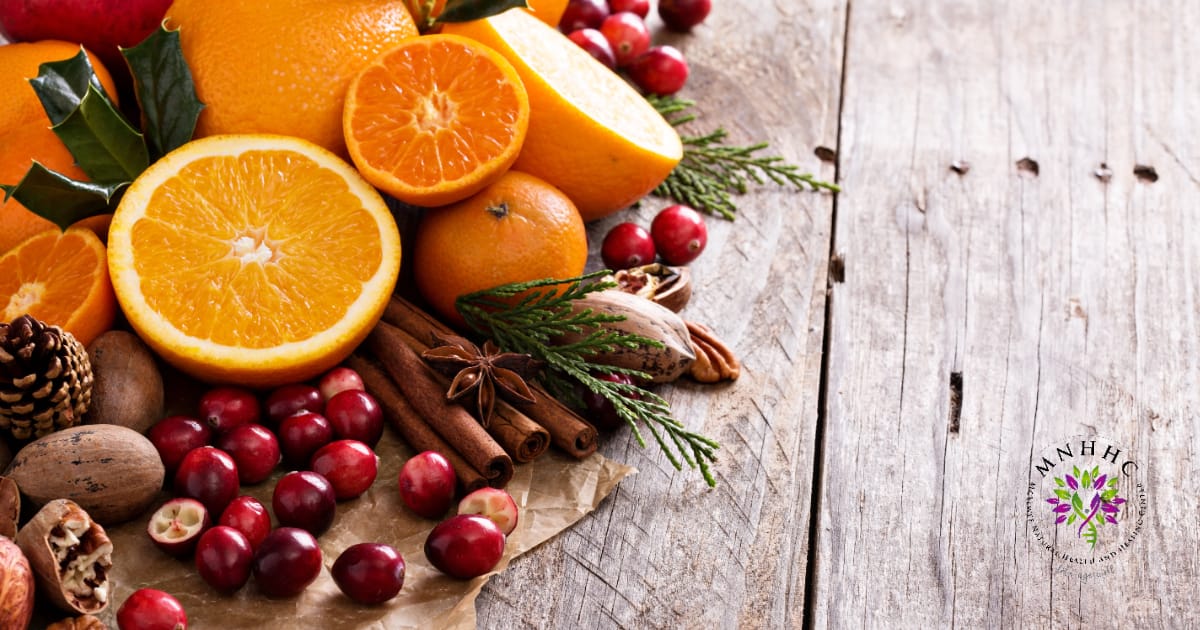
The holidays are a time of coming together to get caught up in the lives of loved ones, share fond m...
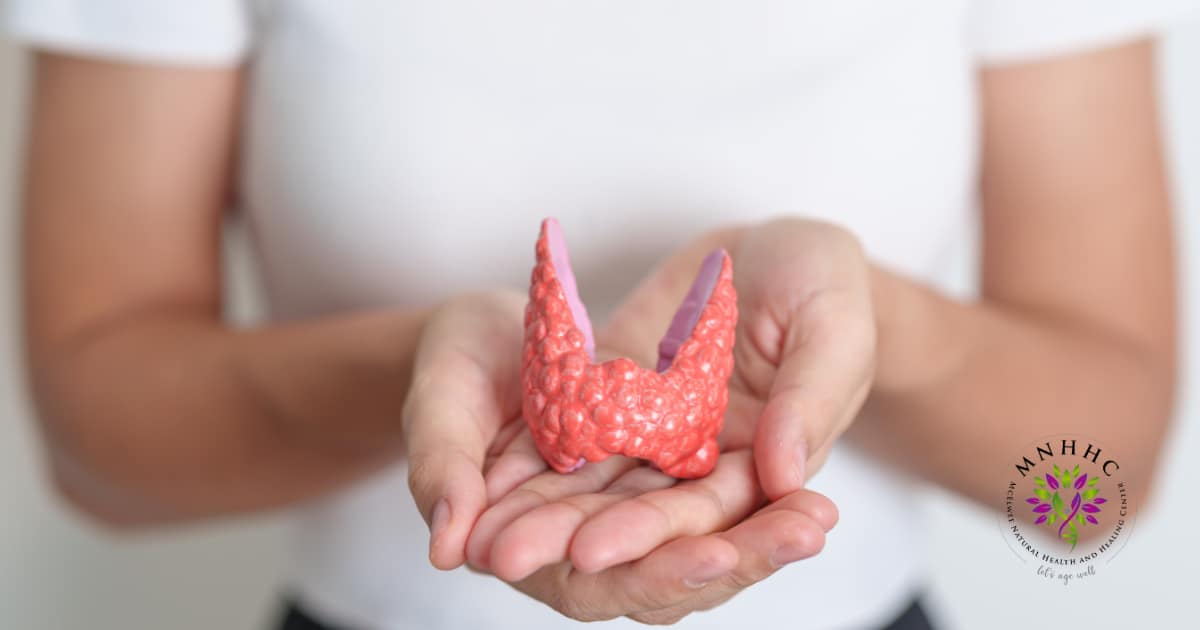
The thyroid gland, a small but crucial butterfly-shaped organ in the neck, regulates a myriad of bod...
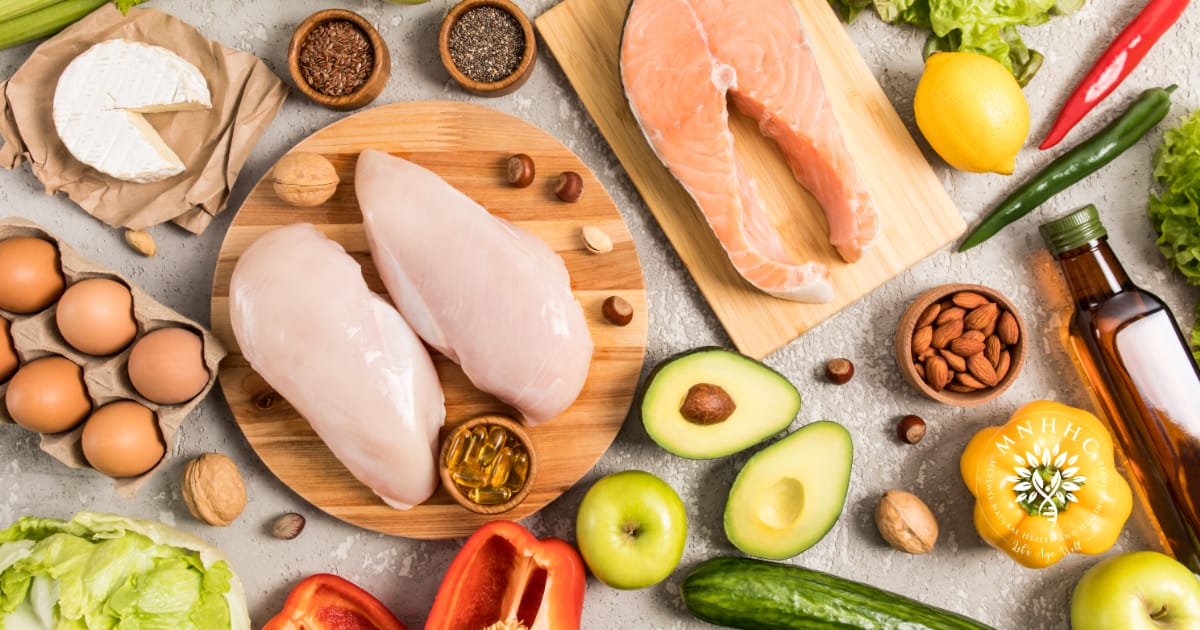
Maintaining good health relies on essential vitamins and minerals like vitamin C, calcium, and iron....
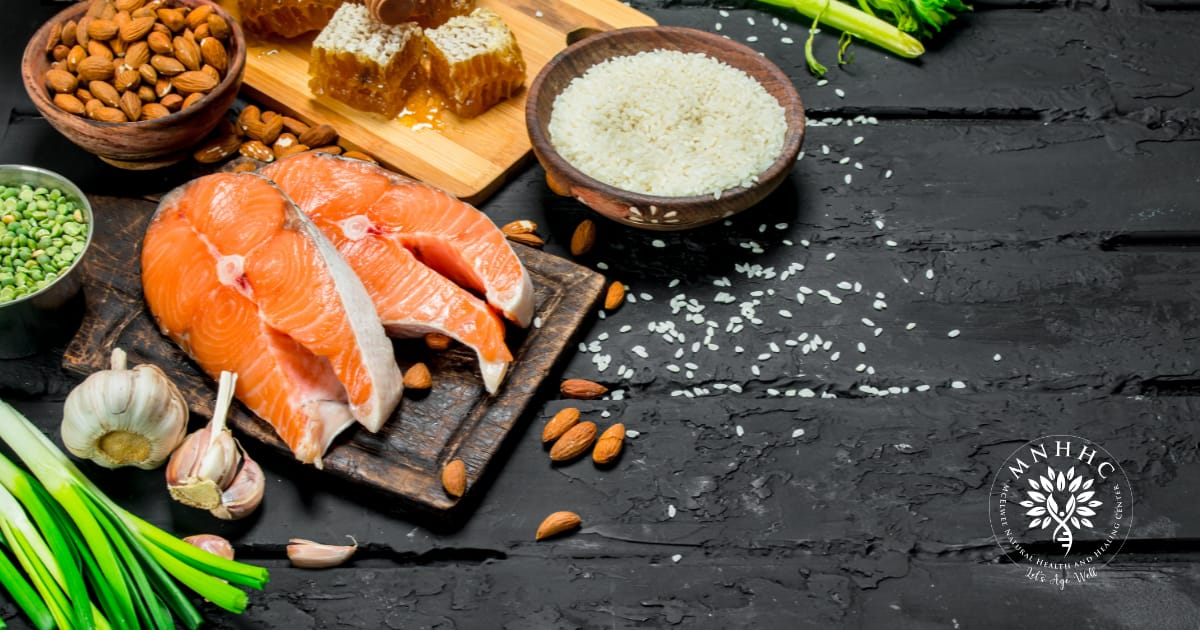
When we think about the essential nutrients contributing to our overall health, our minds often grav...
When we think about essential nutrients for our bodies, we often focus on vitamins and minerals like...
When it comes to essential minerals for our health, manganese often takes a backseat to more popular...
Zinc is a mineral that is crucial in maintaining overall health and well-being. While often overlook...
Many people overlook the importance of iodine in their diet when it comes to maintaining optimal hea...
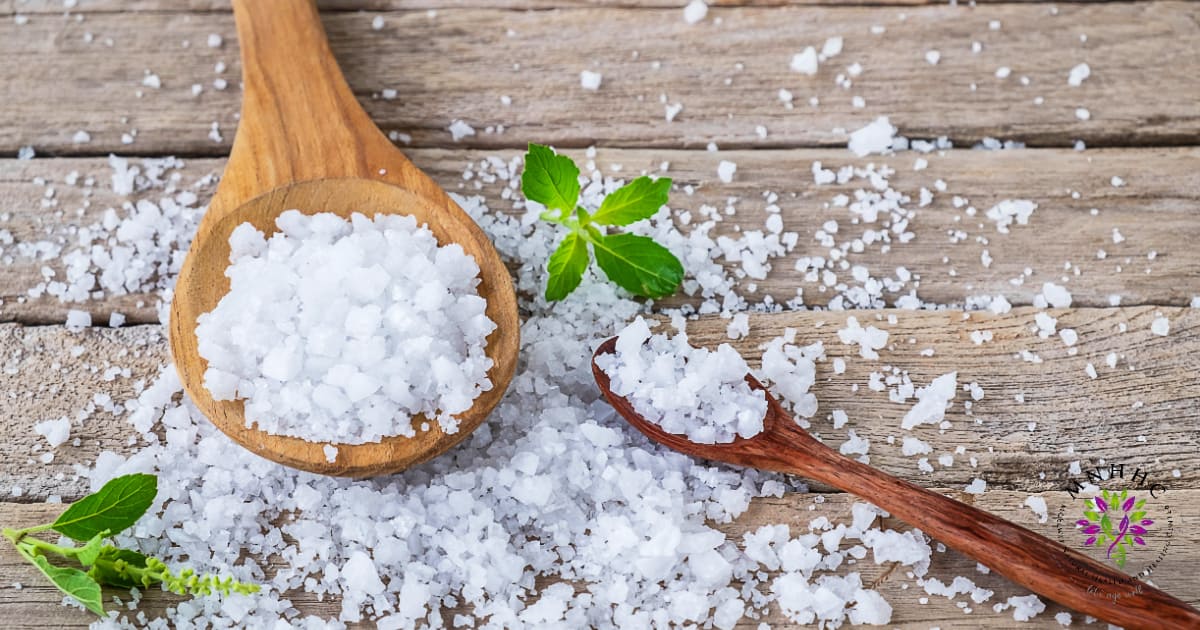
Understanding the role of sodium in our bodies is crucial to maintaining optimal health. Sodium play...
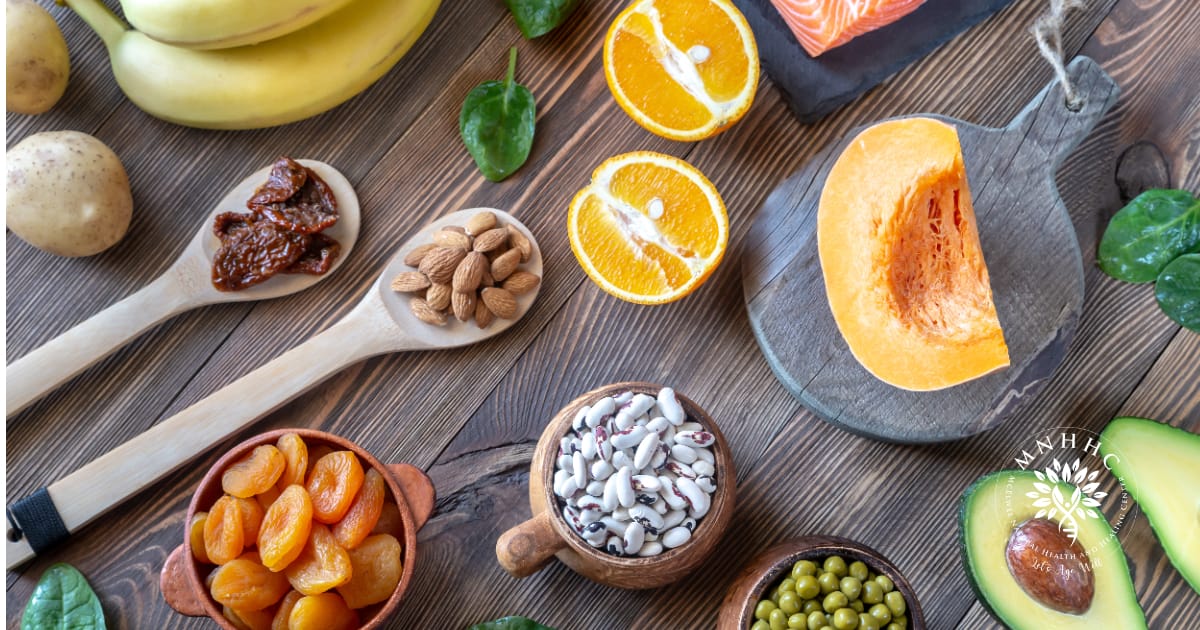
When we think about essential nutrients for our body, we often hear about the importance of vitamins...
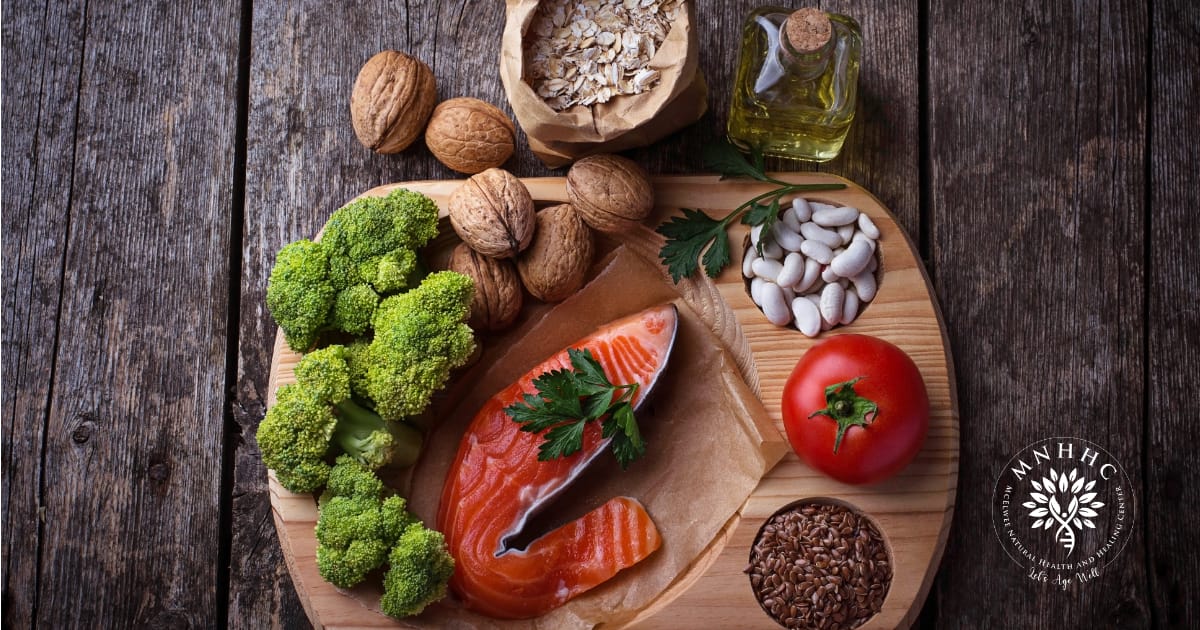
From energy production to cell growth, phosphorus is a vital mineral that is crucial for various fun...
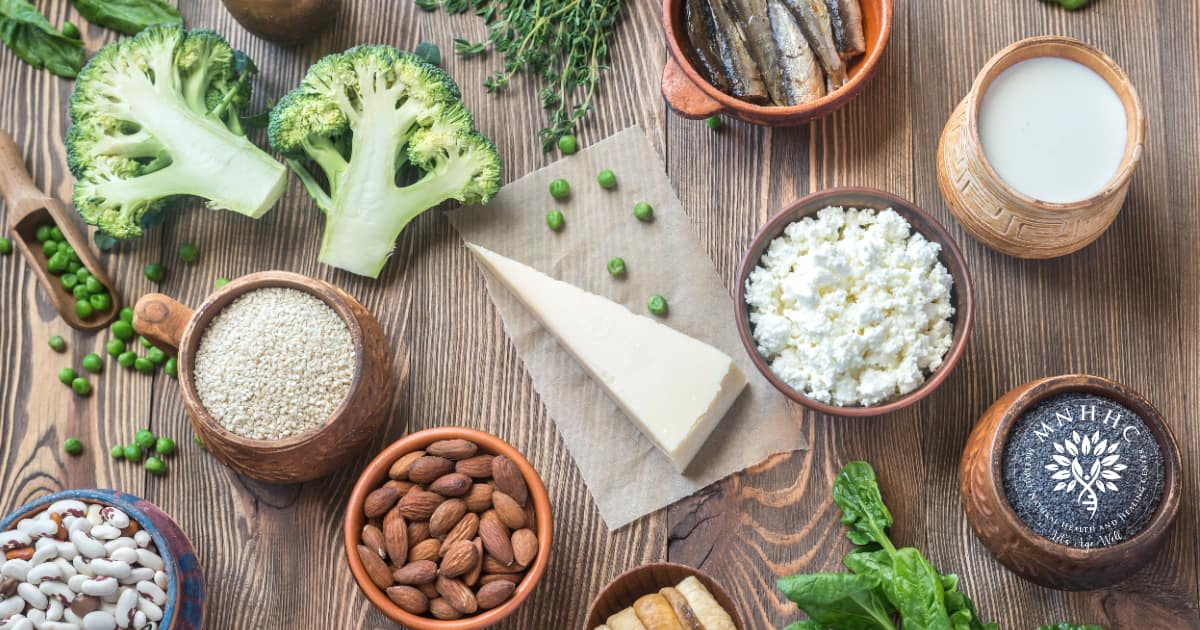
Calcium is an essential mineral that plays a vital role in various body functions. From strong bones...
When it comes to maintaining good health, most people are familiar with the importance of vitamins l...
Many of us are familiar with the many essential vitamins in our diet. Still, one that often gets ove...
Have you ever noticed how a sunny day can instantly boost your mood? Well, that’s not just a c...
Vitamin C stands out as the go to vitamin for maintaining optimal healt. This essential vitamin, als...
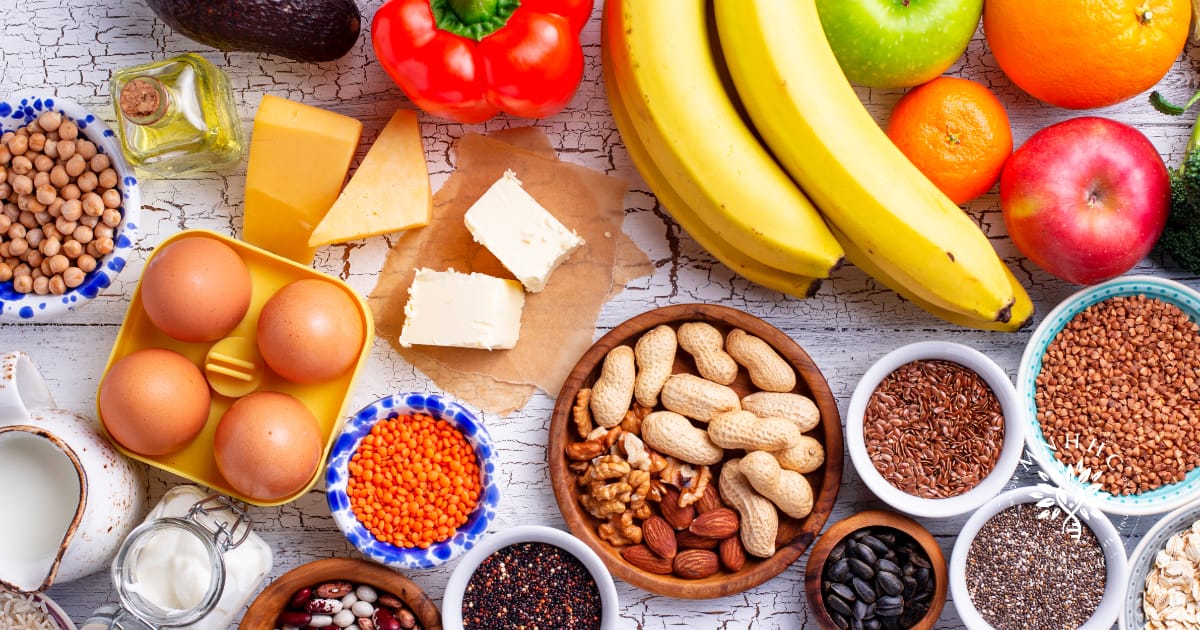
B vitamins play a crucial role in maintaining optimal health. These essential nutrients are water-so...
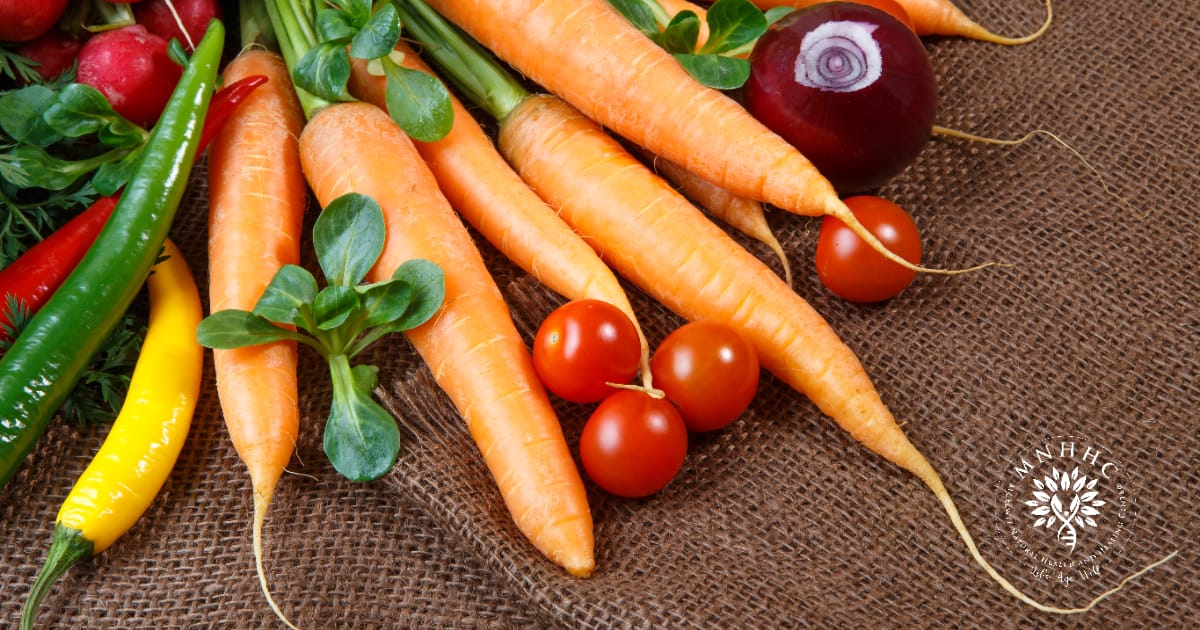
Vitamin A is an essential vitamin that is vital for various bodily functions. We often hear about th...
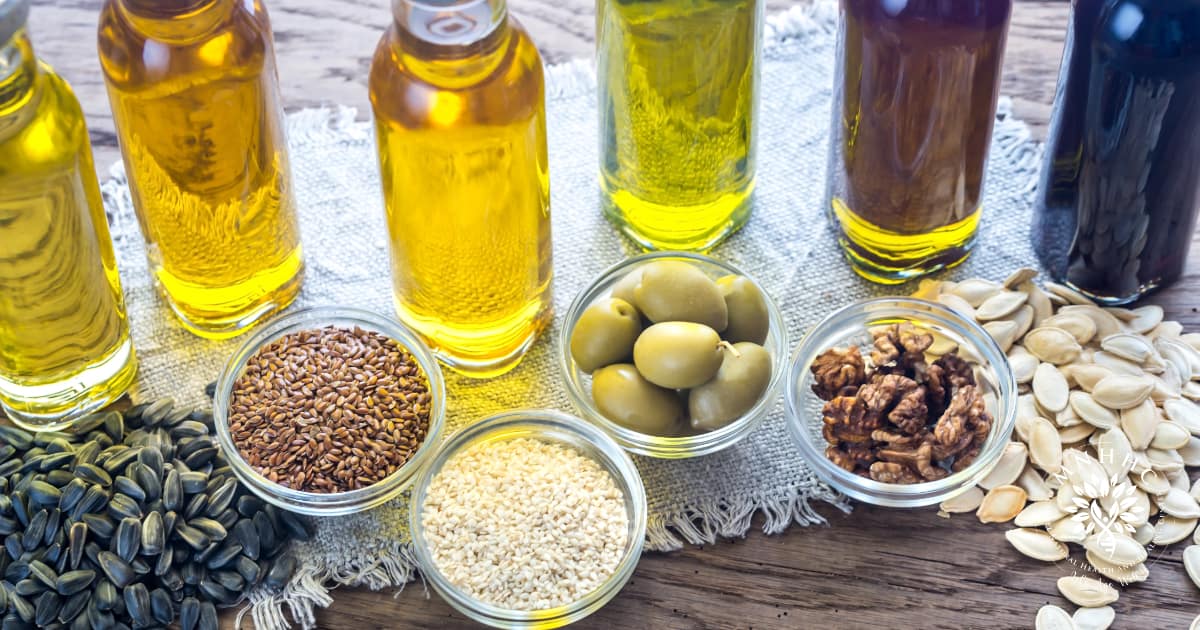
In today’s health-conscious world, many people are becoming more aware of the impact of their...

Imagine biting into a juicy, ripe tomato only to find that it lacks vibrant flavor and essential nut...
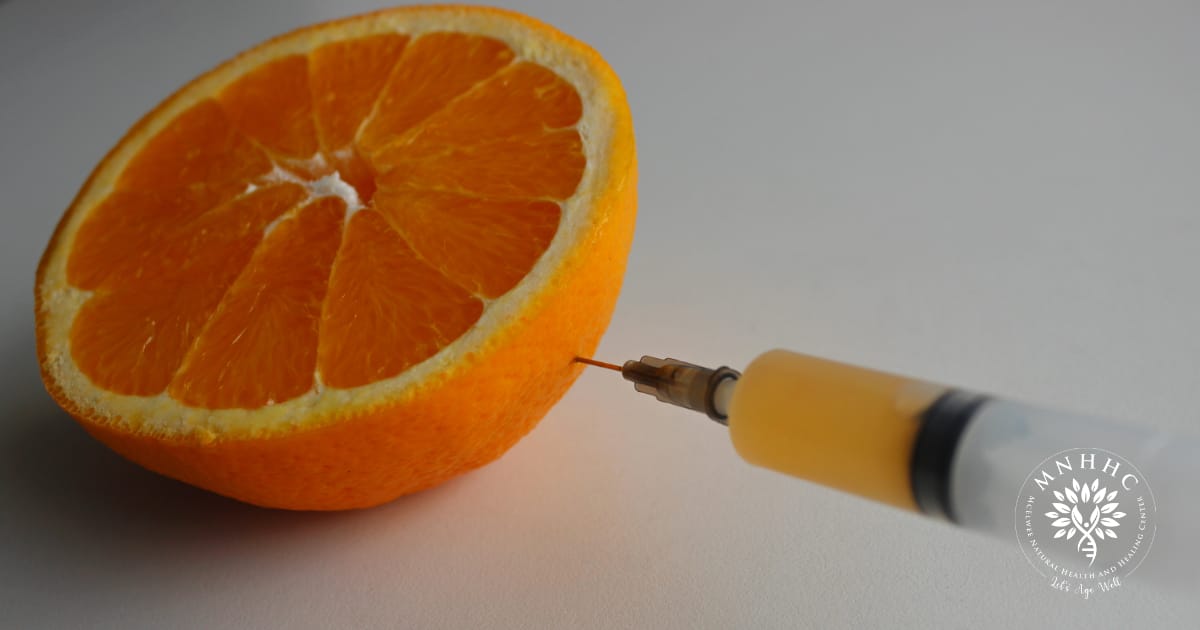
When you pick up a packaged food item from the grocery store shelf, chances are you’ll see the term...
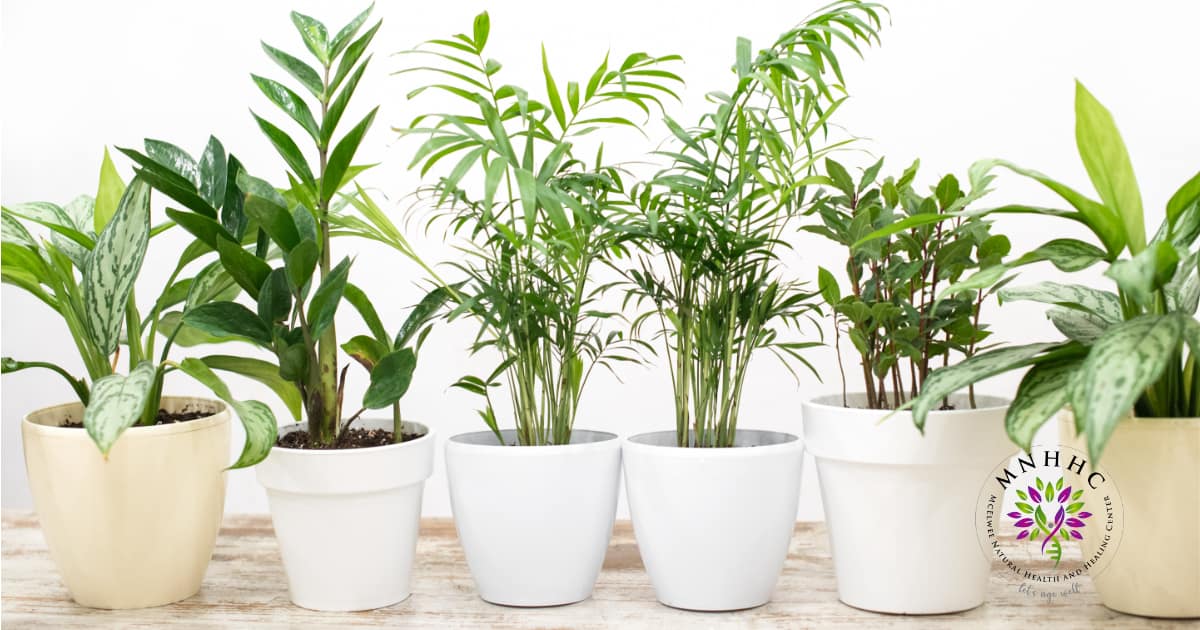
Houseplants are not only a beautiful addition to your home decor, but they also offer numerous healt...

Feeling tired all the time is a common complaint among many people today. It can be a frustrating an...
Our bodies are constantly bombarded with toxins from the environment, food, and even the products we...

As our Dads age, it becomes increasingly important to prioritize their health and well-being. From e...

As a holistic health practice, McElwee Natural Health and Healing is dedicated to enhancing overall...

Electromagnetic fields (EMFs) are invisible lines of force that surround electronic devices and powe...
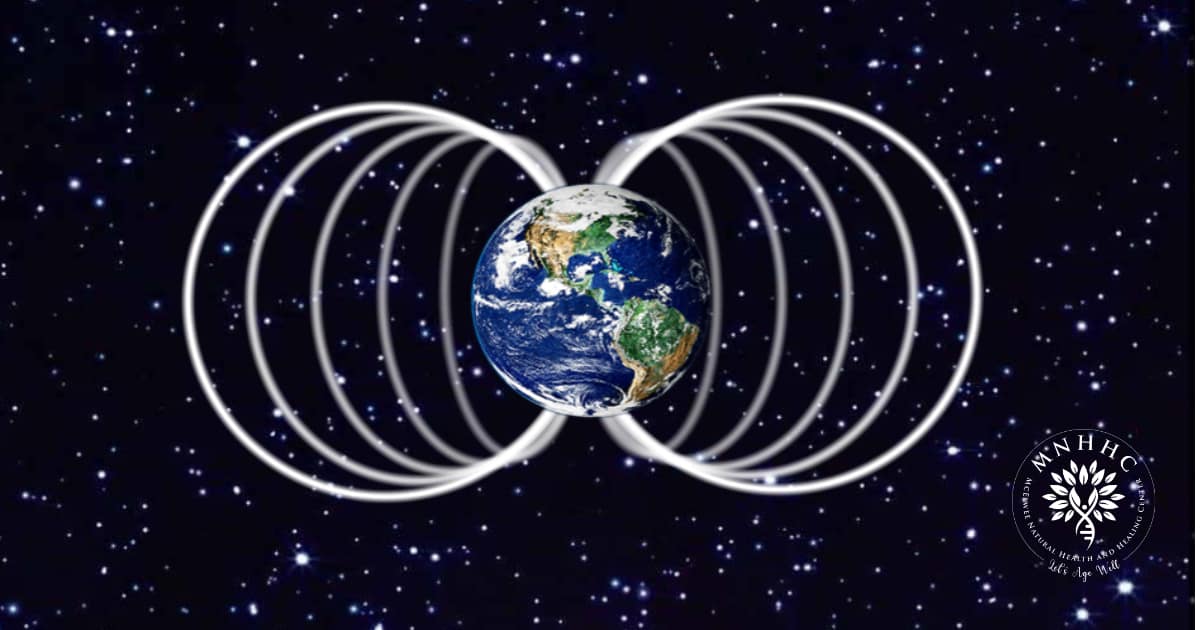
Are you seeking a natural method to enhance your overall wellness? Discover the PEMF mat at McElwee...
At McElwee Natural Health and Healing, we believe proper health is about more than just the absence...
Imagine stepping outside your home on a bright morning, the birds chirping, the sun shining, and the...

Ingredients:
***You can use this recipe with regular flour and bread if you are not gluten free. Or if you have people in the household who are gf and some who are not. For example, I double this recipe. I make a full loaf of gluten free French Toast first. Then use the left over gluten free liquid mixture for a little more than half a sliced sourdough loaf. In my example photos, the smaller sliced bread is the gluten free French Toast – made first. The larger bread is the sliced sourdough bread and was made after all the gluten free loaf was cooked.***
Instructions:
You can dress this fresh toast up however you like. My son loves his French Toast with homemade jelly. While my daughter prefers hers sprinkled with a little organic powdered sugar or syrup. Fresh fruit is a fantastic topping for this French Toast. See below for my homemade non pectin jam recipe.

Ingredients:
Salt to 1 cup Nuts/Seeds ratio:
Instructions:
*NOTE* If using almonds, it is best to peel them after soaking, as the skin contains some enzyme inhibitors. Simply squeeze the nut and the skin should slide off. If this does not happen easily, your almonds have likely been pasteurized.

Ingredients:
Instructions:
Maple-Mustard Dressing
Ingredients:
Instructions:
Whisk the mustard, maple syrup, salt, olive oil, and vinegar together in a small bowl. Season with more salt as needed.

Chemical hazards and toxic substances are a huge risk to our health. There is a wide range of symptoms such as irritation, sensitization, and carcinogenicity, and physical hazards such as flammability, corrosion, and explosibility.
There are several things which can influence the degree of poisoning caused by a chemical or heavy metals. The following are a few examples:
Inhaling contaminated air is one of the most common ways to be exposed. Some chemicals can enter through the skin, our biggest organ. Less commonly, chemicals may be swallowed, for example from contaminated food or alike.
Sudden or short term chemical or metal exposures in larger amounts can overwhelm the body. This may happen through:
Another way is by repeated exposures over a long period of time. This too can cause a massive build up of toxicity leaving the body at dis-ease. The following are a few examples of chronic toxicity:
The mainstream medical system runs a lot of invasive tests to determine what someone has been exposed to. They also like to induce vomiting to remove the chemical or metal from the body. You can read about their approach here:
Here at McElwee Natural Health and Healing, we believe in non invasive treatments utilizing a chelator, binder, and sometimes adding a drainage supplement as well. The most basic nutritional supplementation for assisting the body through a gentle chemical and heavy metal detox almost always starts with Standard Process Parotid PMG. The theory behind this is that the parotid gland produces enzymes which enable chemicals and metals to unbind from the cells and tissues they have infiltrated. Due to chronic toxicity, the parotid gland goes into exhaustion and needs the extra support by Parotid PMG. As a companion to Parotid PMG, we recommend a very good binder. Some people also need an additional drainage supplement. The binder will “grab onto” these toxins once they are freed from their cellular attachments and carry them through the body into the intestinal track where they can be safely removed. For some people, its carried out through the skin in the form of rashes, boils, blisters, etc.
If you feel you might be struggling with chemical exposure or heavy metals, give us a call or send us an email to schedule your scan!

Dermatitis is a general term that describes a common skin irritation. It has many causes and forms and usually involves itchy, dry skin or a rash. Or it might cause the skin to blister, ooze, crust or flake off. It’s safe to say that most people experience at least one rash during their lifetime, if not many.
Rashes are caused by a multitude of reasons. Some of these reasons may include but are not limited to:
Rash symptoms may include:
The mainstream medical system likes to throw hydrocortisone creams at rashes. This surpasses the immune system which pushes the rash, and its root cause, deeper within the body. Read more about how the mainstream medical system treats rashes:
Here at McElwee Natural Health and Healing we believe corticosteroid creams, gels or ointments are not the answer. We help our members identify the root cause of their rash(es) and come up with a personalized nutritional protocol to support the body’s specific needs. If you or your child are dealing with an unknown rash, give us a call to schedule a Nutrition Response Testing scan!

Ingredients:
Instructions:
* 4 Ingredient Spelt Pizza Dough
Ingredients:
Instructions:
**Kale – Walnut Pesto ~ 1 cup
Ingredients:
Instructions: