
Surviving the Holidays Without Losing Your Mind (or Your Immune System)
Welcome to the most wonderful—and occasionally most chaotic—time of the year! At McElwee Natural Hea...

Welcome to the most wonderful—and occasionally most chaotic—time of the year! At McElwee Natural Hea...
At McElwee Natural Health and Healing Center, we’re committed to empowering families with info...
In a groundbreaking announcement on September 22, 2025, President Donald Trump, flanked by Health an...

In a world where modern medicine often treats symptoms with pills and procedures, what if the key to...
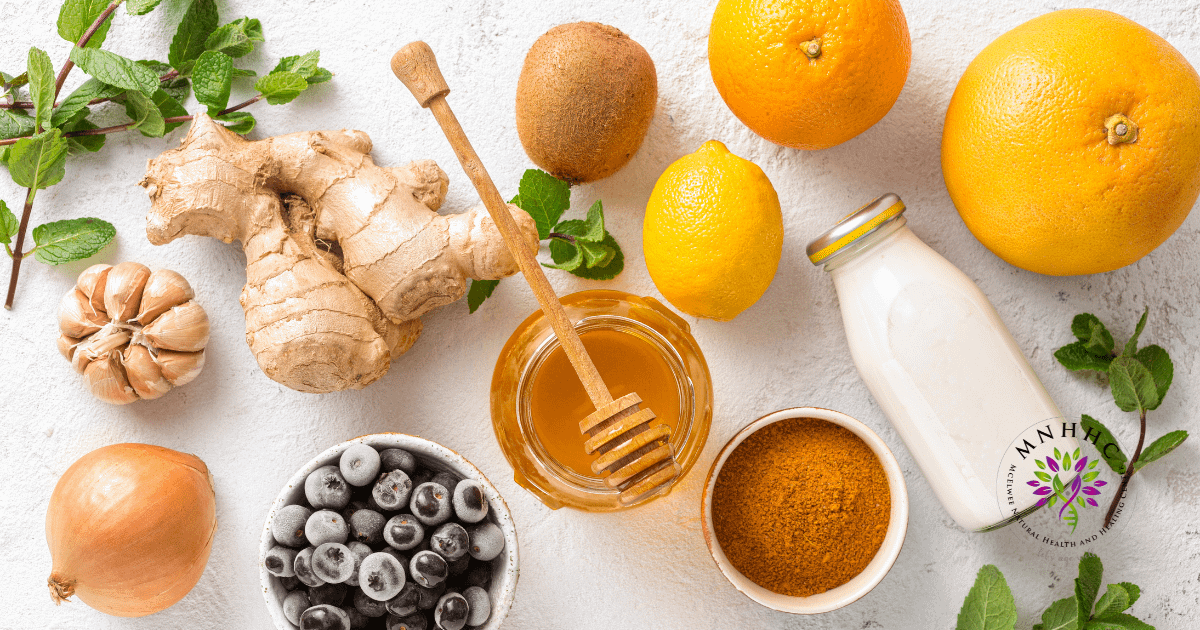
At McElwee Natural Health and Healing Center, we’re committed to empowering our community with knowl...
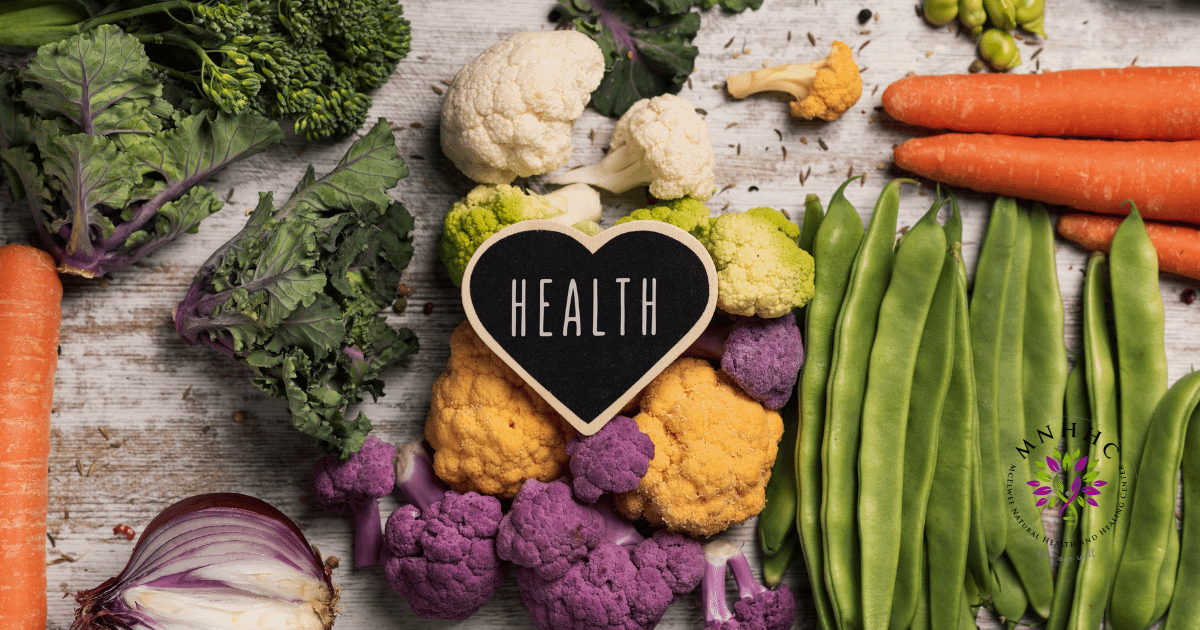
At McElwee Natural Health and Healing, our mission is to empower you to achieve vibrant health by ad...
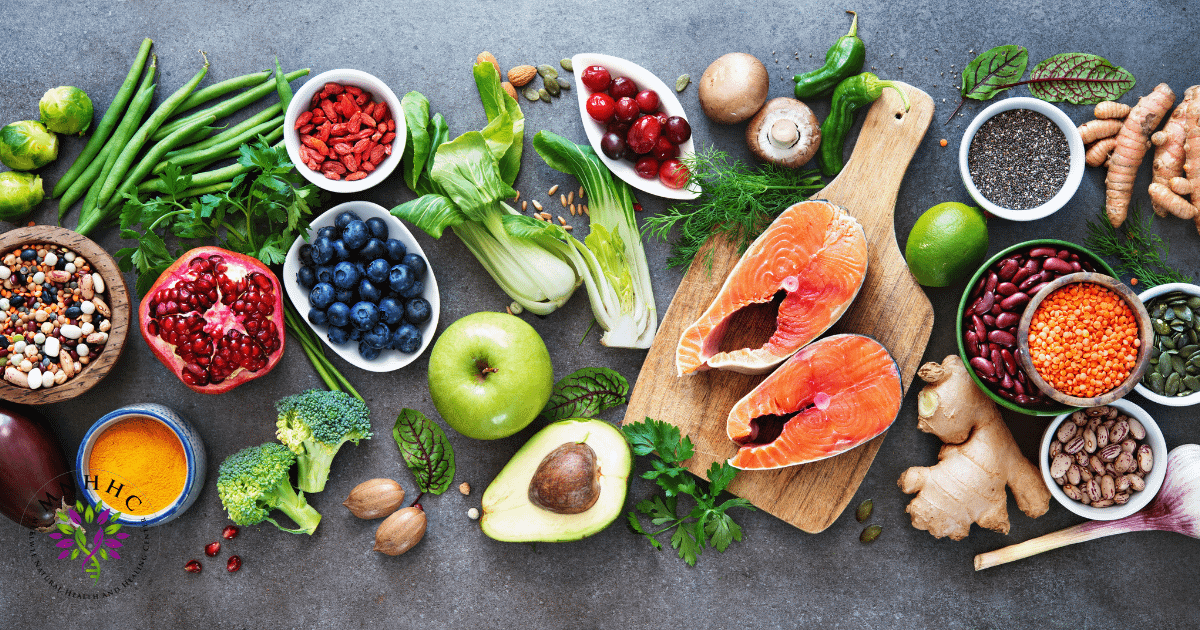
Ever wonder why you feel bloated, exhausted, or achy after certain meals? These could be your body’s...
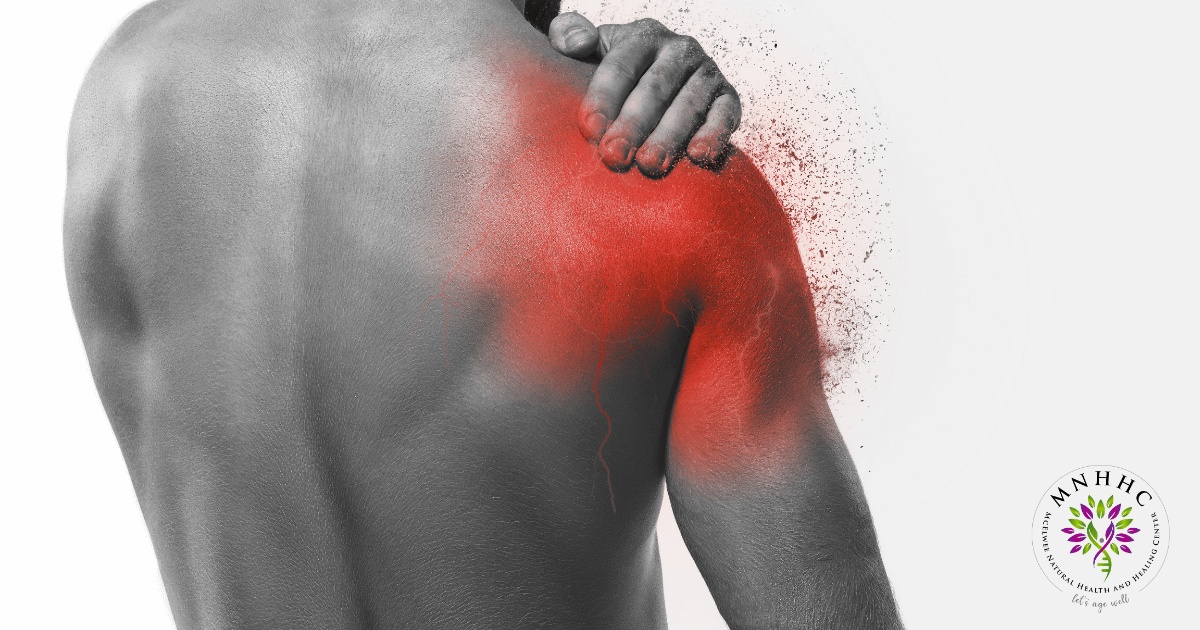
Frozen shoulder, medically known as adhesive capsulitis, is a debilitating condition characterized b...
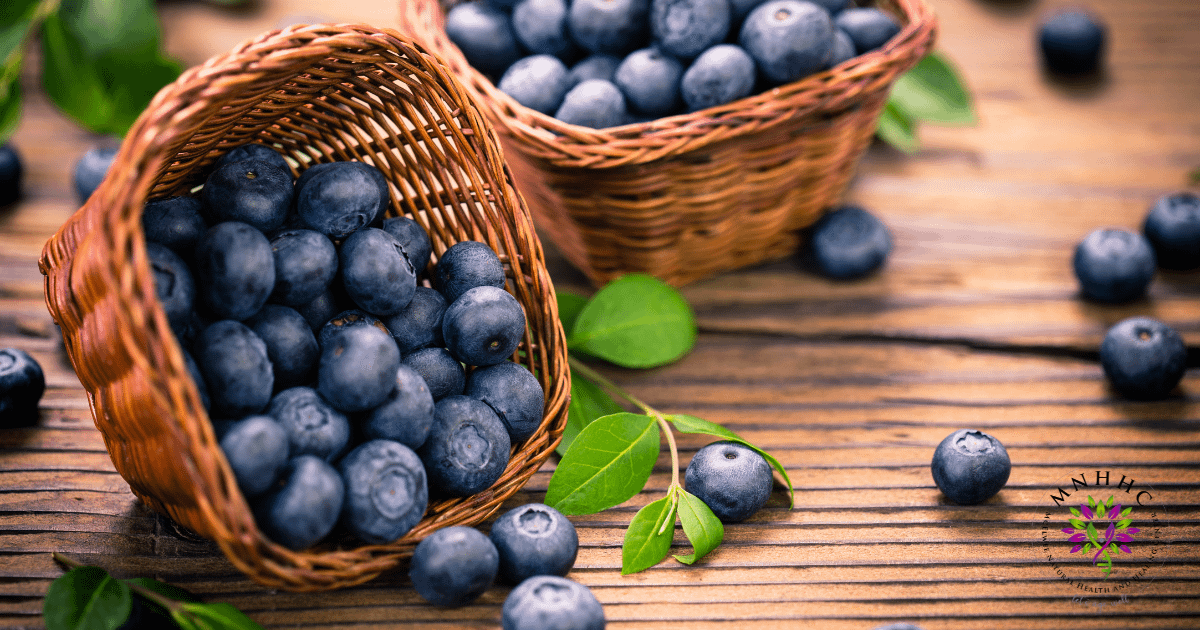
As summer heats up in Maryland, the fields are bursting with vibrant, local produce that can nourish...
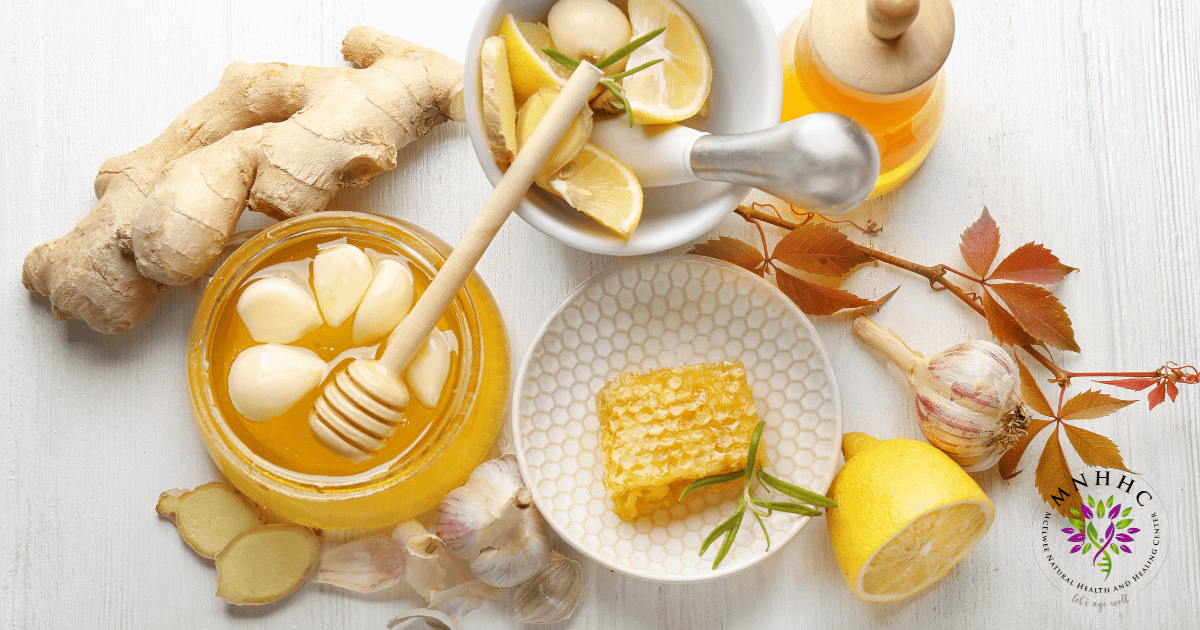
At McElwee Natural Health and Healing Center, we believe in empowering you to take charge of your we...
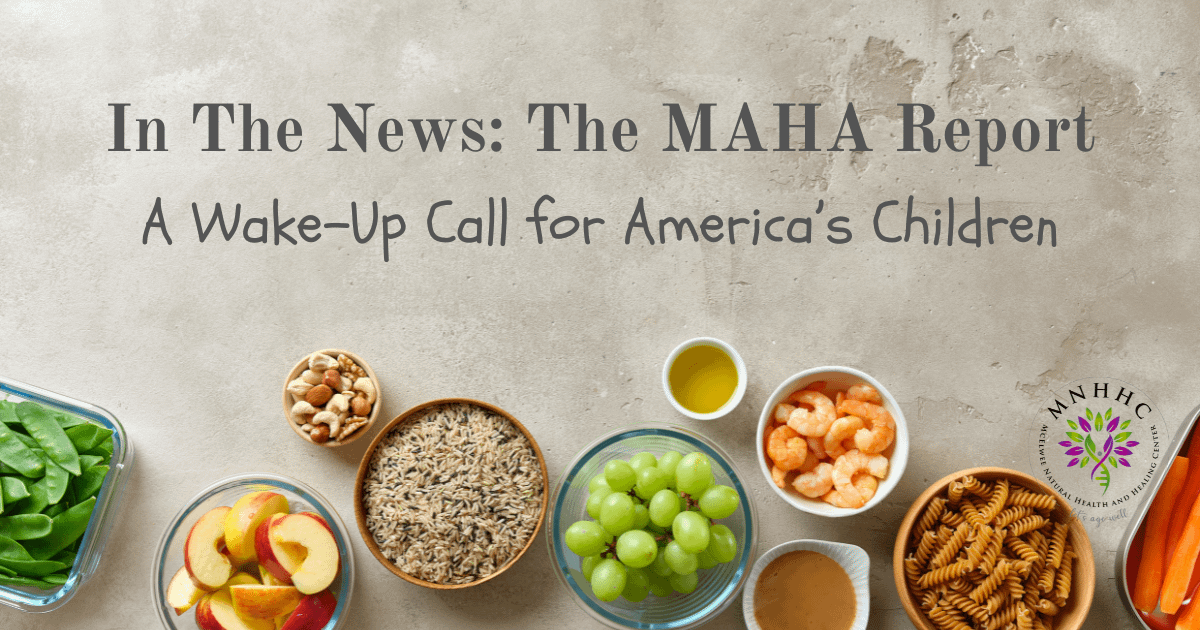
On May 27, 2025, U.S. Health and Human Services Secretary Robert F. Kennedy Jr. unveiled a groundbre...
Seasonal allergies plague many Maryland residents, with Harford County’s high pollen counts making s...
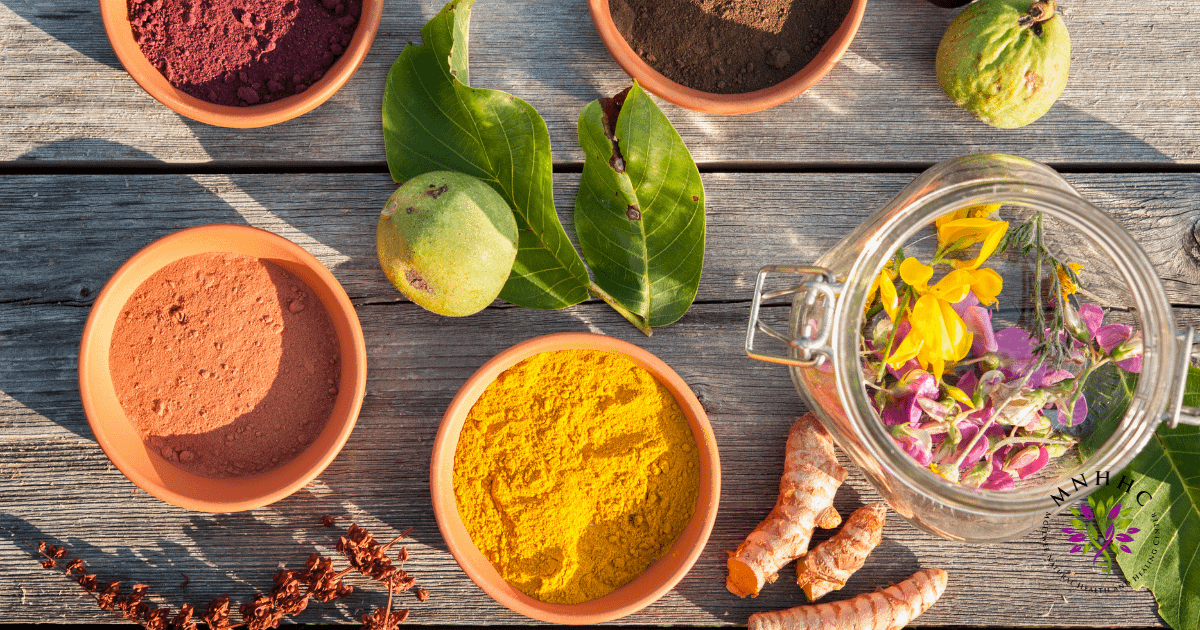
At McElwee Natural Health and Healing Center, we’ve long championed the power of natural, whole food...
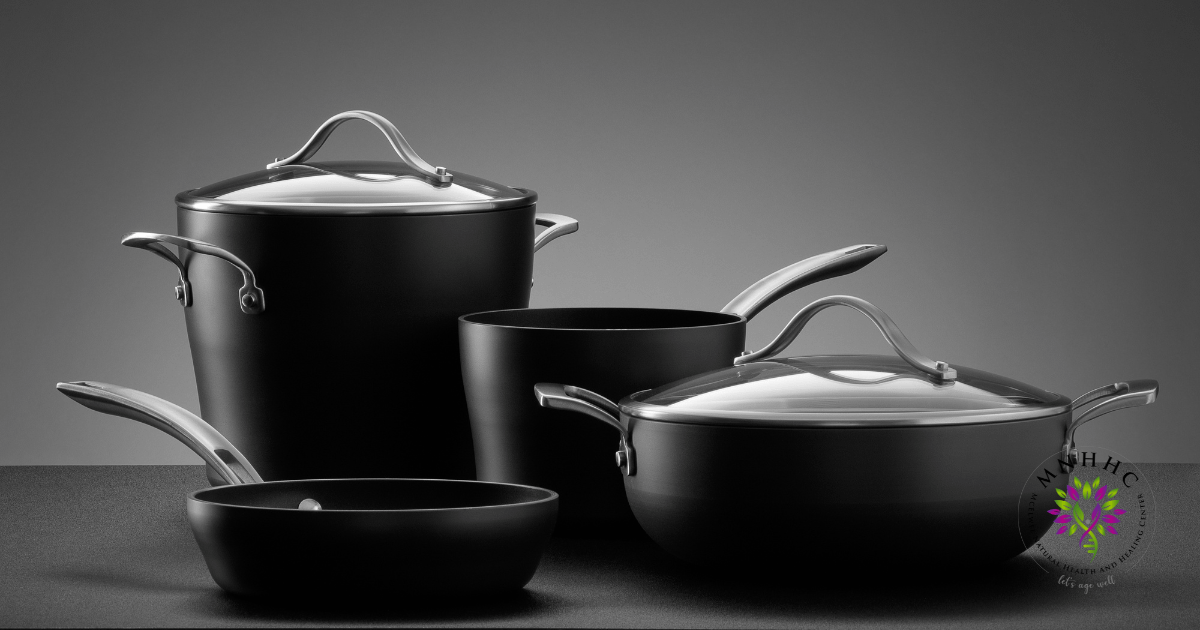
When it comes to cooking, the tools you use are just as important as the ingredients you select. Coo...
This year we have seen a resurgence of measles, a highly contagious viral disease. Before the introd...

If you’re passionate about whole, natural foods and your health, genetically modified organisms (GMO...

We were thrilled to learn of Robert F. Kennedy Jr.’s confirmation as the new Secretary of Health and...

When your child is running a fever, it can be a worrying time for any parent. The decision of whethe...

Red Dye #3, or Erythrosine, is a synthetic red coloring used in various food and cosmetic products....

The “Make America Healthy Again” (MAHA) movement emerges at a crucial time when the Unit...
The holidays are a time of coming together to get caught up in the lives of loved ones, share fond m...
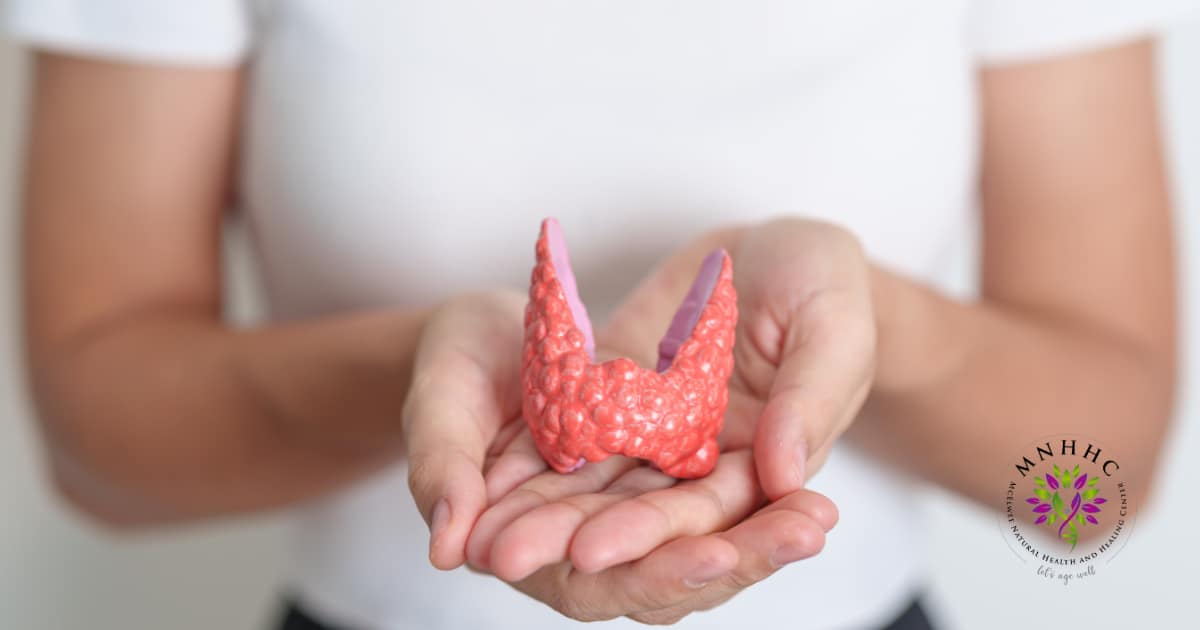
The thyroid gland, a small but crucial butterfly-shaped organ in the neck, regulates a myriad of bod...
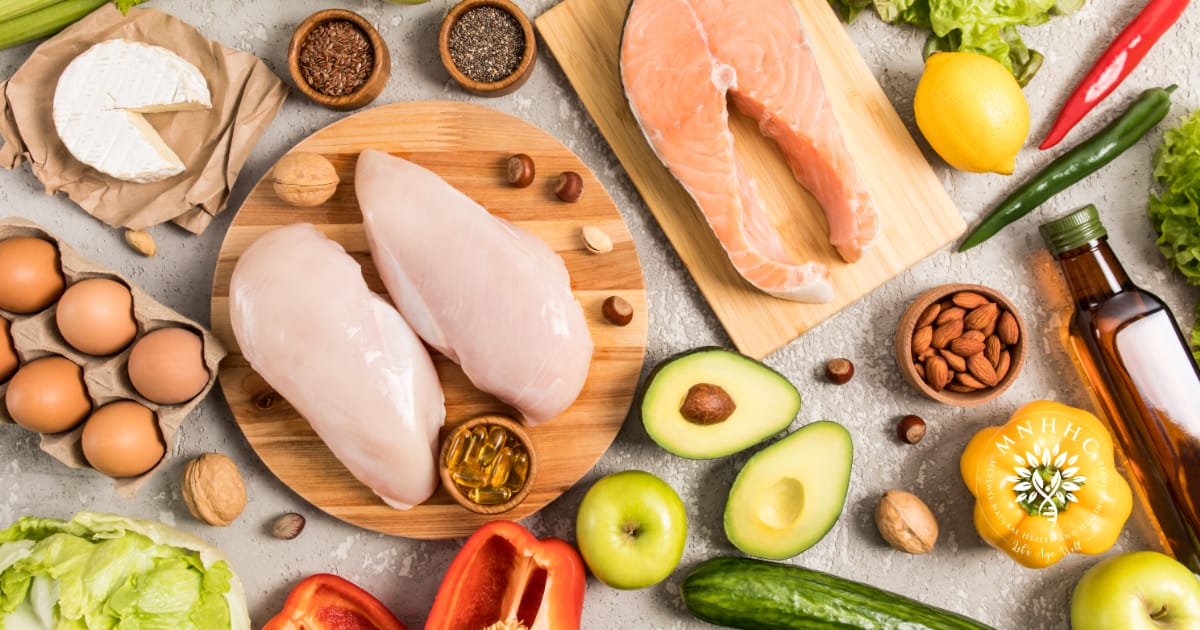
Maintaining good health relies on essential vitamins and minerals like vitamin C, calcium, and iron....
When we think about the essential nutrients contributing to our overall health, our minds often grav...
When we think about essential nutrients for our bodies, we often focus on vitamins and minerals like...
When it comes to essential minerals for our health, manganese often takes a backseat to more popular...
Zinc is a mineral that is crucial in maintaining overall health and well-being. While often overlook...
Many people overlook the importance of iodine in their diet when it comes to maintaining optimal hea...
Understanding the role of sodium in our bodies is crucial to maintaining optimal health. Sodium play...
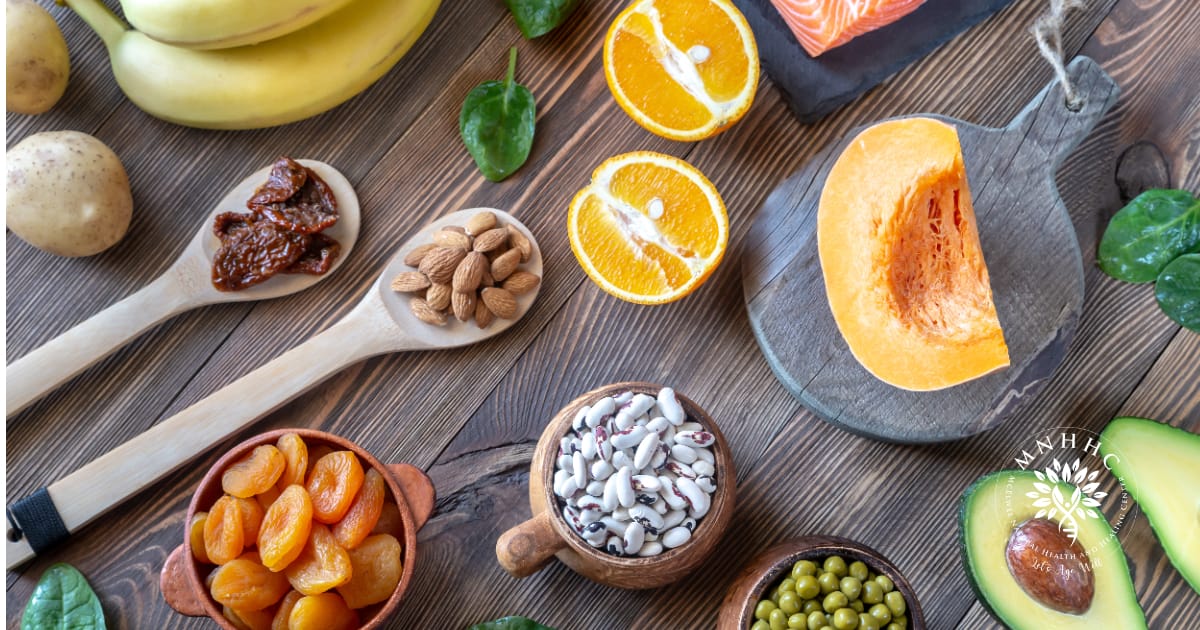
When we think about essential nutrients for our body, we often hear about the importance of vitamins...
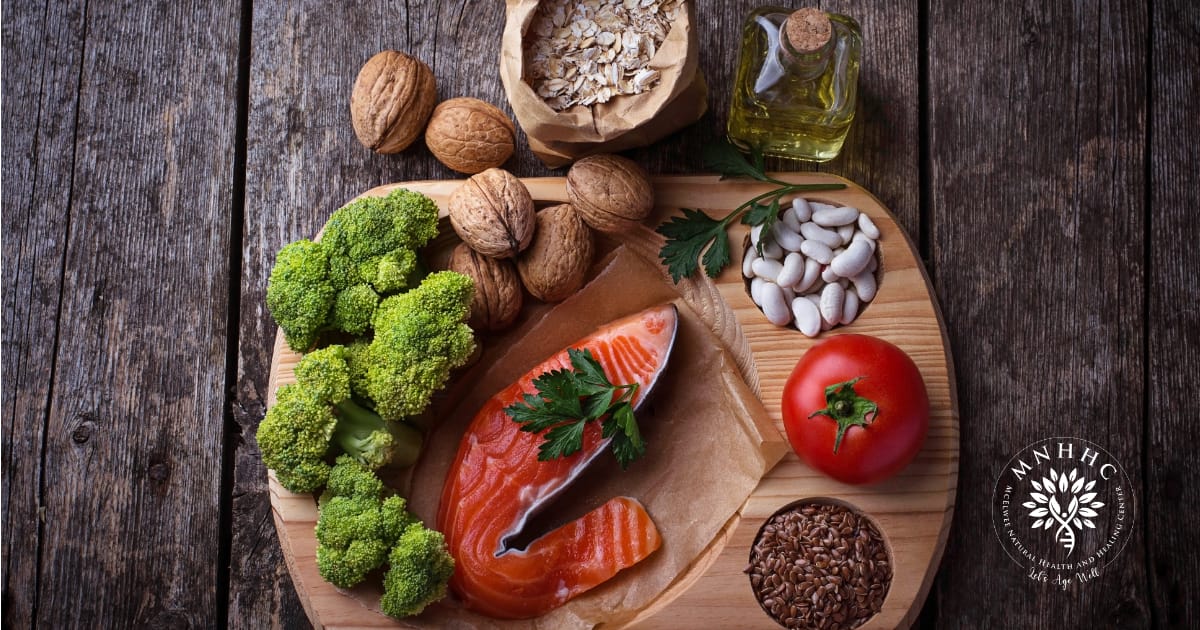
From energy production to cell growth, phosphorus is a vital mineral that is crucial for various fun...
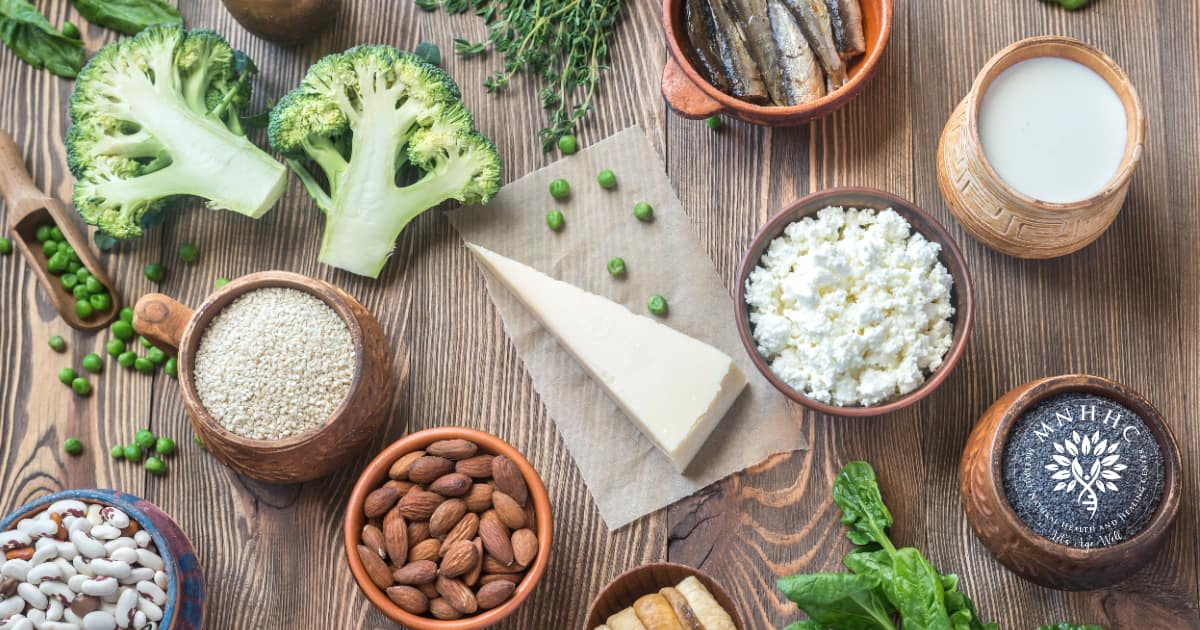
Calcium is an essential mineral that plays a vital role in various body functions. From strong bones...
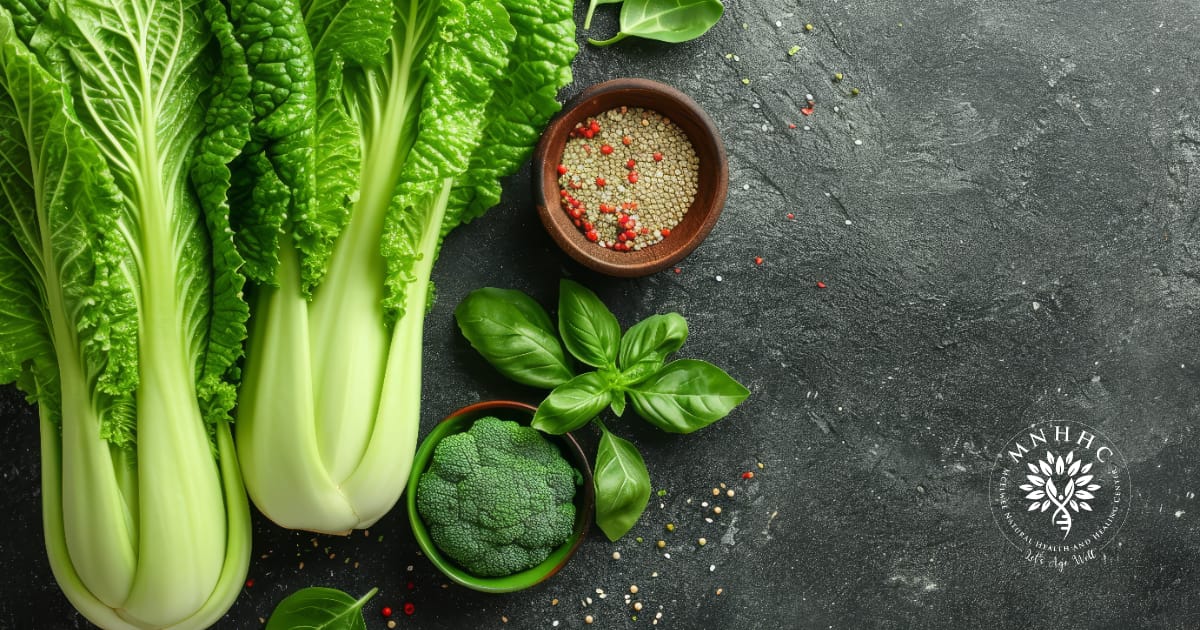
When it comes to maintaining good health, most people are familiar with the importance of vitamins l...
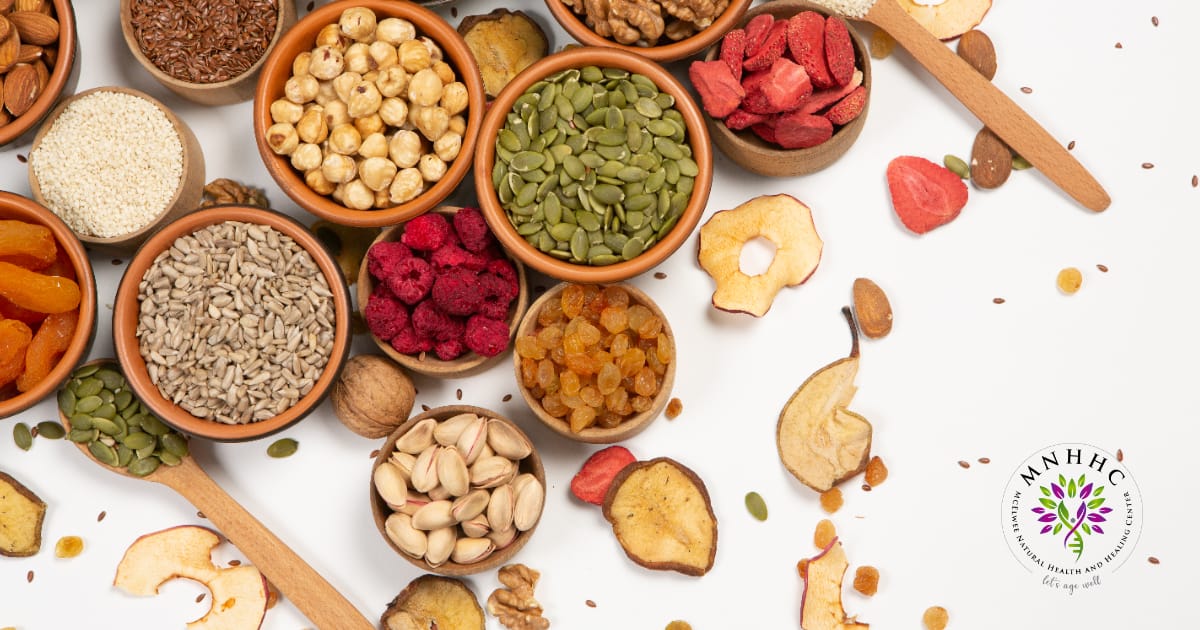
Many of us are familiar with the many essential vitamins in our diet. Still, one that often gets ove...
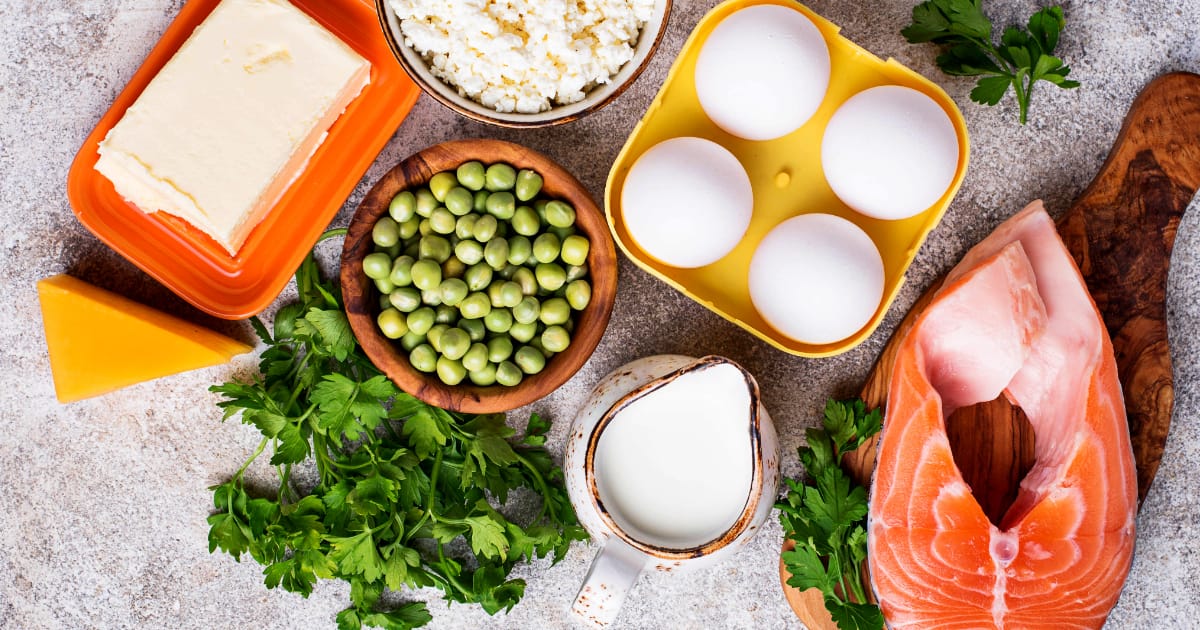
Have you ever noticed how a sunny day can instantly boost your mood? Well, that’s not just a c...
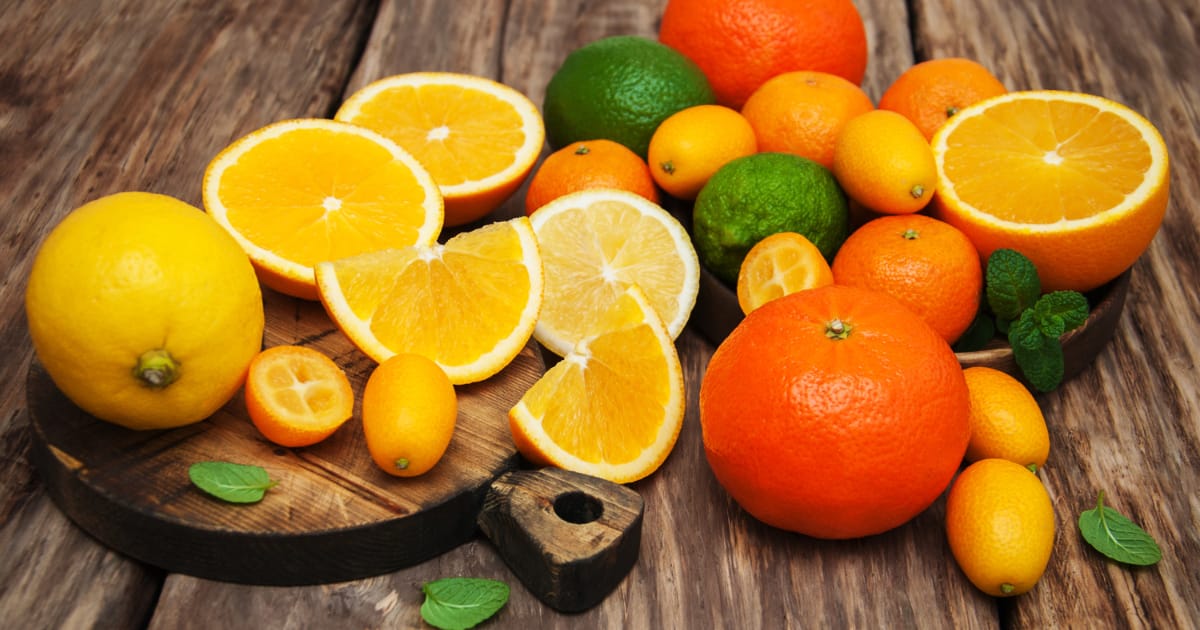
Vitamin C stands out as the go to vitamin for maintaining optimal healt. This essential vitamin, als...
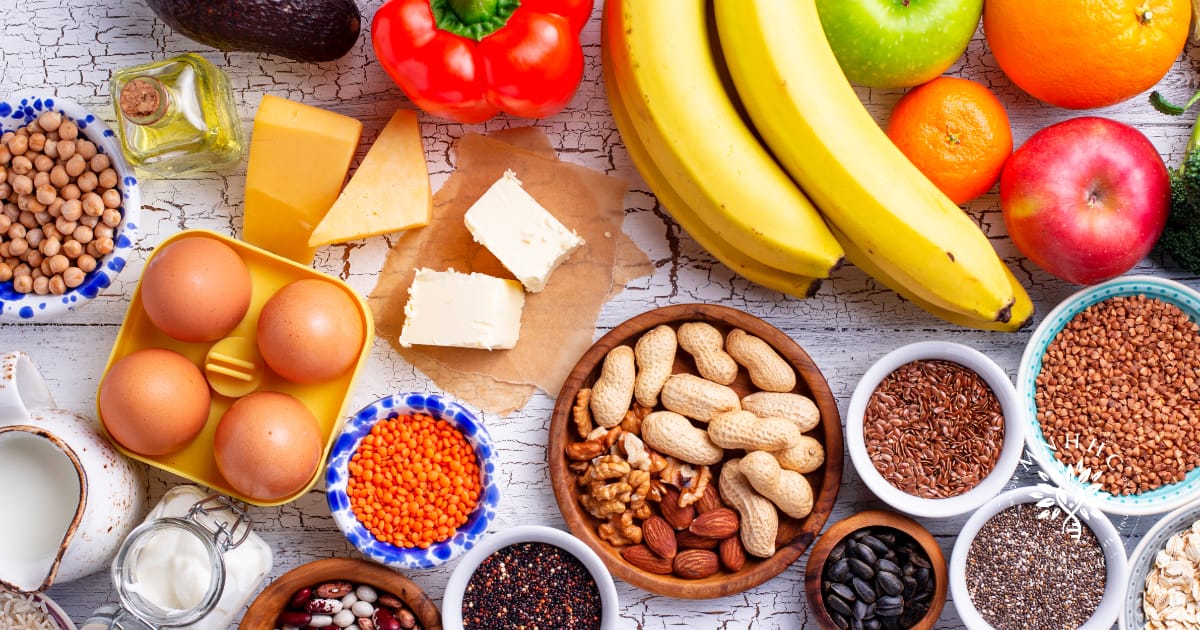
B vitamins play a crucial role in maintaining optimal health. These essential nutrients are water-so...
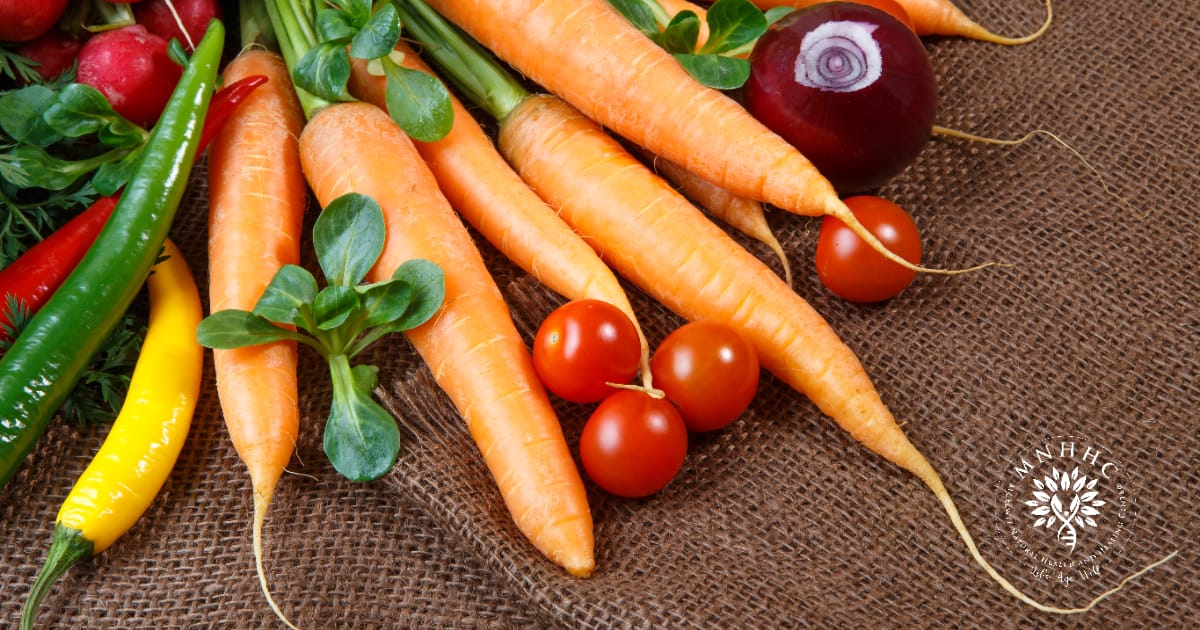
Vitamin A is an essential vitamin that is vital for various bodily functions. We often hear about th...
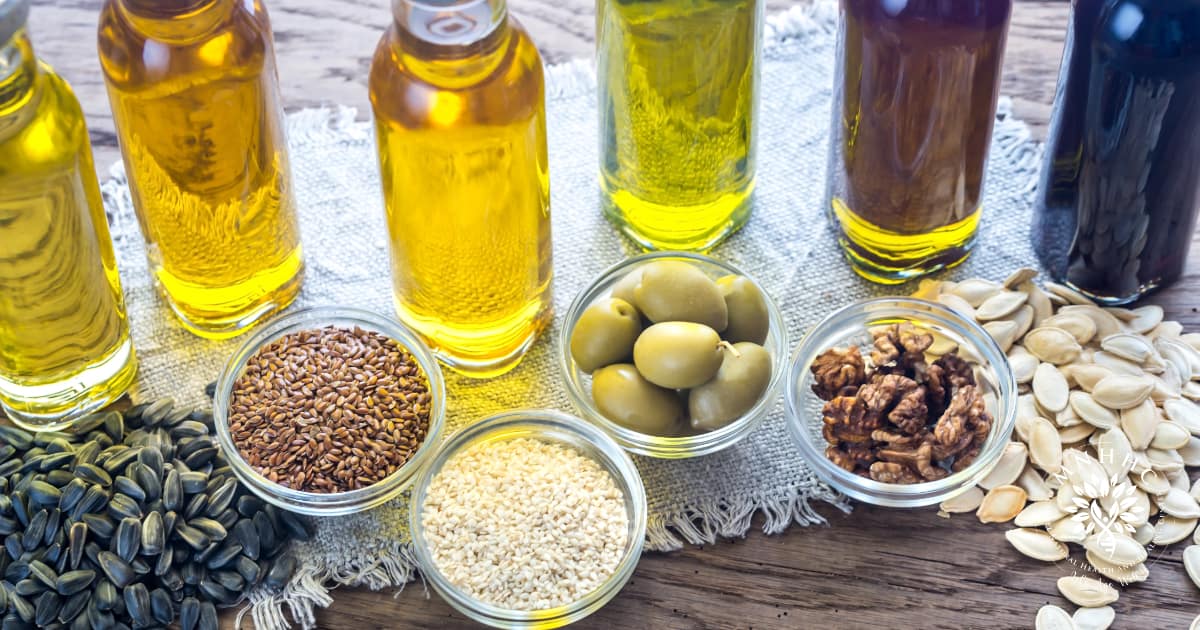
In today’s health-conscious world, many people are becoming more aware of the impact of their...

Imagine biting into a juicy, ripe tomato only to find that it lacks vibrant flavor and essential nut...
When you pick up a packaged food item from the grocery store shelf, chances are you’ll see the term...
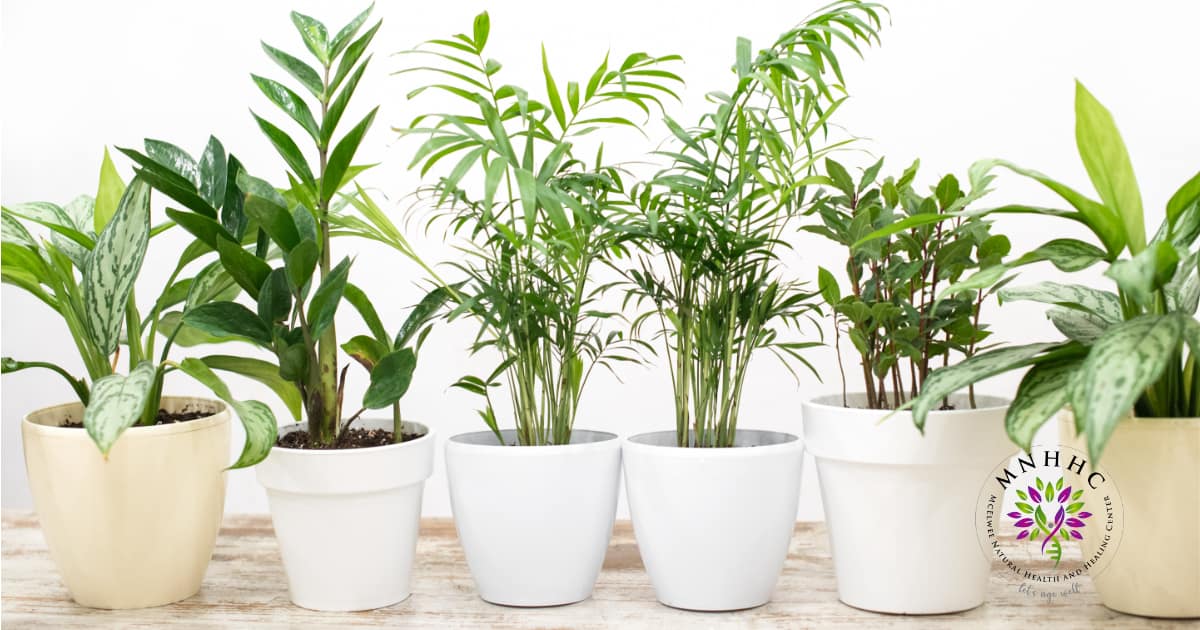
Houseplants are not only a beautiful addition to your home decor, but they also offer numerous healt...

Feeling tired all the time is a common complaint among many people today. It can be a frustrating an...
Our bodies are constantly bombarded with toxins from the environment, food, and even the products we...

As our Dads age, it becomes increasingly important to prioritize their health and well-being. From e...

As a holistic health practice, McElwee Natural Health and Healing is dedicated to enhancing overall...

Electromagnetic fields (EMFs) are invisible lines of force that surround electronic devices and powe...

Are you seeking a natural method to enhance your overall wellness? Discover the PEMF mat at McElwee...
At McElwee Natural Health and Healing, we believe proper health is about more than just the absence...
Imagine stepping outside your home on a bright morning, the birds chirping, the sun shining, and the...

Ingredients – organic when possible:
Instructions:

For my family, I try to avoid seed oils as much as possible. You may be asking yourself “why”? Well, we already get an unhealthy amount in processed foods. Foods like bread, tortilla, chips, crackers, occasional fried food in restaurants, etc. I don’t need to add seed oils to the foods I cook at home.
Lets take a look at the problems with seed oils..

Your kid is sick. Now what?
Over and over again I read posts like “My kid has a fever of 102.6 (give or take) and is miserable. He/she won’t eat. It’s been 24 hours (give or take) and they haven’t eaten anything! They slept all day. How can I make them eat?!”
What if I told you, at times, the body is pretty clever by reducing the desire to eat when you don’t feel well? What if I told you that it’s totally normal and healthy for your child to naturally fast during times of dis-ease. Not only children, but adults, and even animals alike. If you truly paid attention during your next illness, you might notice a decrease in appetite and a desire to stay in bed.
We notice it more in children and animals because most of them actually pay attention to their body’s needs and have a pure desire to follow instinct to feel better. Adults, not so much. Adults have a hard time slowing down to rest, listening to their body’s needs, and allow their body to do its job in repairing itself. The indoctrination of “you can’t afford to rest,” “you have too much to get done to spend the day in bed” or “you must eat 3 meals a day, every day to be healthy” has been drilled into our heads. If we don’t eat for a day or so, it’s not healthy.
The truth is our body instinctively chooses the priority to heal. Whatever is causing us the most dis-stress at a given time is what the body wants to focus on. It throws all its energy trying to repair the dis-ease – whatever it may be.
When our body is battling illness, it often wants to focus fully on batting the invaders, the “bugs” so to speak. Some researchers claim intermittent fasting also lowers the inflammation response and forces the body to burn fat for energy during dis-ease. When we make ourselves eat during these times, our body is forced to retreat from battling those “bug” invaders because now it has to digest and break down the food(s) you just ate. In turn, also increasing the inflammation which allows the cycle to continue longer.
I’m not saying every illness will cause a lack of appetite. There is an old saying “feed a cold, starve a fever.” Bacteria loads and Viral loads act differently with glucose levels. My biggest advice is to follow instinct. Bottom line, if you are hungry, eat foods that will boost your immune system, feed the good bacteria in your gut, and help you recover. If you lost your appetite, don’t force it. Even if it’s been a full day or two, that’s okay. Listen to the body!
Eventually your kid will come to you and ask for food. This is when nutrition becomes extremely important. Feed easy to digest, high in antioxidants, nutritionally dense food, and foods that rebalance the microbiome during these times. Let your child, or yourself, eat as much or as little as they want of these items or alike. Don’t force a full meal if they aren’t ready.
Fantastic choices:
Okay, now that we’ve talked about the food aspect, let’s spend time on sleep/resting. Why is it so important to allow your child, or yourself, to sleep the day away?
Like natural fasting, our body naturally wants to rest/sleep during times of dis-ease. While we sleep, our body is able to use all of its energy to aid in recovery. Cytokines, a type of protein that targets infections, are produced and released during our sleep cycles. Sleeping actually helps boost the immune response to illness. Less sleep = less energy our body has to aid in repair. As long as your child, or yourself, remember to drink fluids when you wake throughout the day, and if feeling up to it eat something small, sleeping the entire day or several days is completely normal. If, however, there is no improvement after several days to a full week, you need to figure out why.
If you would like to figure out a personalized nutritional protocol to aid in recovery, support the body’s specific needs, and help rebuild nutrition during times of dis-ease, give us a call to schedule a nutritional consultation and or scan. We want to help our members during these difficult times. If you physically cannot make it out of bed, we can schedule a remote session through zoom so you can still get the support you need.
Additional Resources:
https://pubmed.ncbi.nlm.nih.gov/24434759/
https://www.medicalnewstoday.com/articles/fasting-while-sick#different-illnesses
https://pubmed.ncbi.nlm.nih.gov/33076307/
https://www.ncbi.nlm.nih.gov/pmc/articles/PMC7362776/
https://www.healthline.com/health/sleeping-when-sick#how-much-is-too-much
https://www.ncbi.nlm.nih.gov/pmc/articles/PMC2839418/
https://www.sleepfoundation.org/physical-health/how-sleep-affects-immunity

Ingredients:
Some people like to add cumin or even paprika to add flavor. Some like to sprinkle the soup with cheese. Get creative!
Instructions:
*To thicken soup, reduce it down in the Instapot with the lid off by turning the simmer setting back on to low. stir frequently. Alternatively, you can add a little psyllium husk or flour to thicken the soup.*

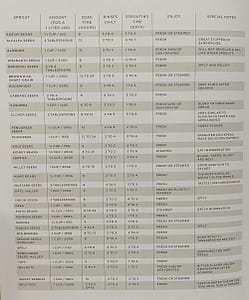
Basic Sprouts – You will need a glass mason jar, a fine mesh mason jar lid for growing sprouts, or cheesecloth and a rubber band for this recipe.
Things you’ll need:
Instructions:

We’ve all experienced a bout of respiratory illness at some point in our loves. Today we will look at some causes and symptoms of respiratory illness and disease.
A few examples may involve:
The mainstream medical system classifies the top 8 respiratory illnesses and diseases as followed:
Modern medical professionals typically treat these illnesses and diseases with pharmaceutical medications. Medications like antihistamines, decongestants, inhaled steroids, and allergy shots.
Learn more about how western medicine addresses respiratory illnesses:
Here at McElwee Natural Health and Healing, we believe finding the root cause of your symptoms is the key to recovery. Once we determine the stressors, we find the best nutritional protocol to meet the individual body’s need(s) to heal.
Do you struggle with chronic respiratory illness and disease? You don’t have to live that way! Call us today to schedule a scan.