
Surviving the Holidays Without Losing Your Mind (or Your Immune System)
Welcome to the most wonderful—and occasionally most chaotic—time of the year! At McElwee Natural Hea...
Welcome to the most wonderful—and occasionally most chaotic—time of the year! At McElwee Natural Hea...

At McElwee Natural Health and Healing Center, we’re committed to empowering families with info...

In a groundbreaking announcement on September 22, 2025, President Donald Trump, flanked by Health an...

In a world where modern medicine often treats symptoms with pills and procedures, what if the key to...

At McElwee Natural Health and Healing Center, we’re committed to empowering our community with knowl...

At McElwee Natural Health and Healing, our mission is to empower you to achieve vibrant health by ad...

Ever wonder why you feel bloated, exhausted, or achy after certain meals? These could be your body’s...
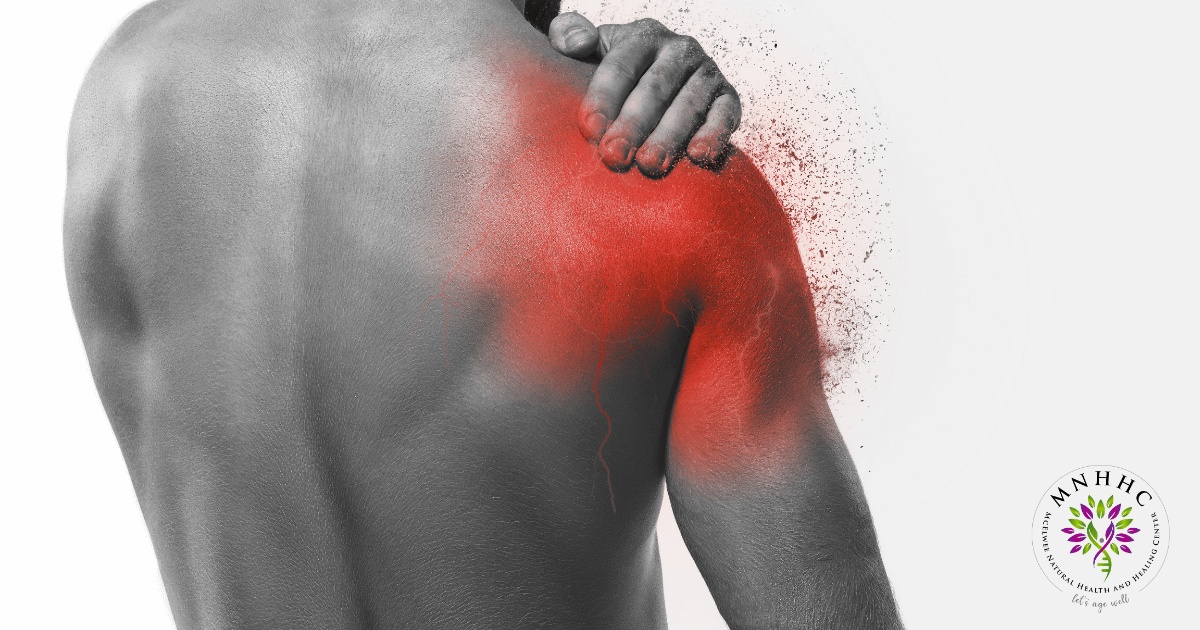
Frozen shoulder, medically known as adhesive capsulitis, is a debilitating condition characterized b...

As summer heats up in Maryland, the fields are bursting with vibrant, local produce that can nourish...

At McElwee Natural Health and Healing Center, we believe in empowering you to take charge of your we...

On May 27, 2025, U.S. Health and Human Services Secretary Robert F. Kennedy Jr. unveiled a groundbre...

Seasonal allergies plague many Maryland residents, with Harford County’s high pollen counts making s...
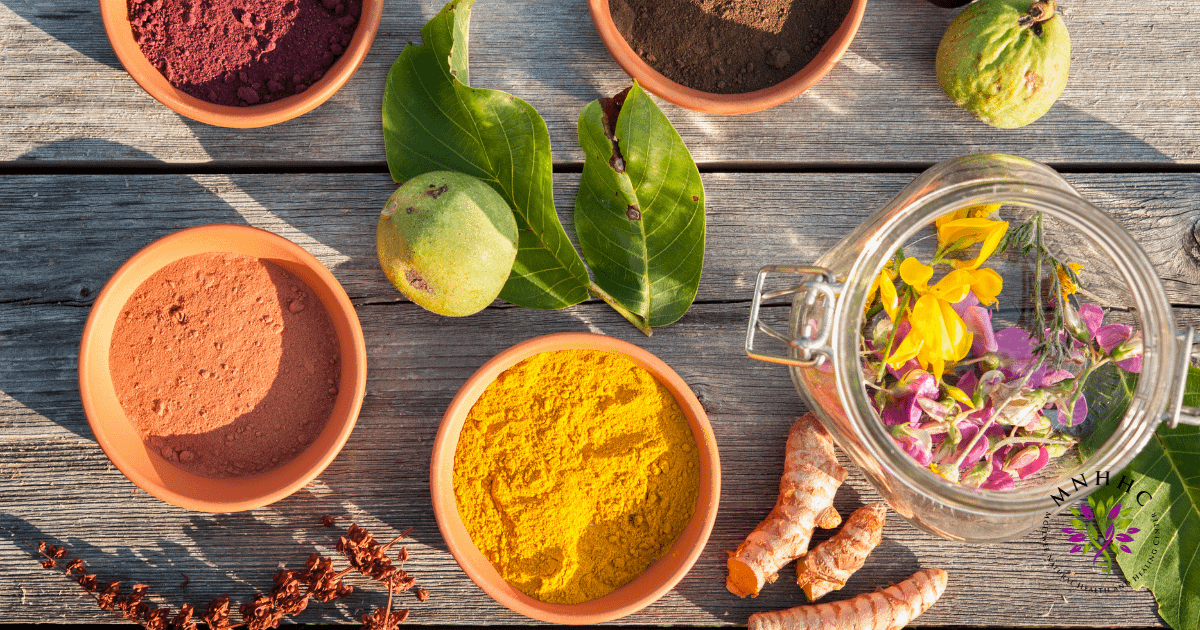
At McElwee Natural Health and Healing Center, we’ve long championed the power of natural, whole food...
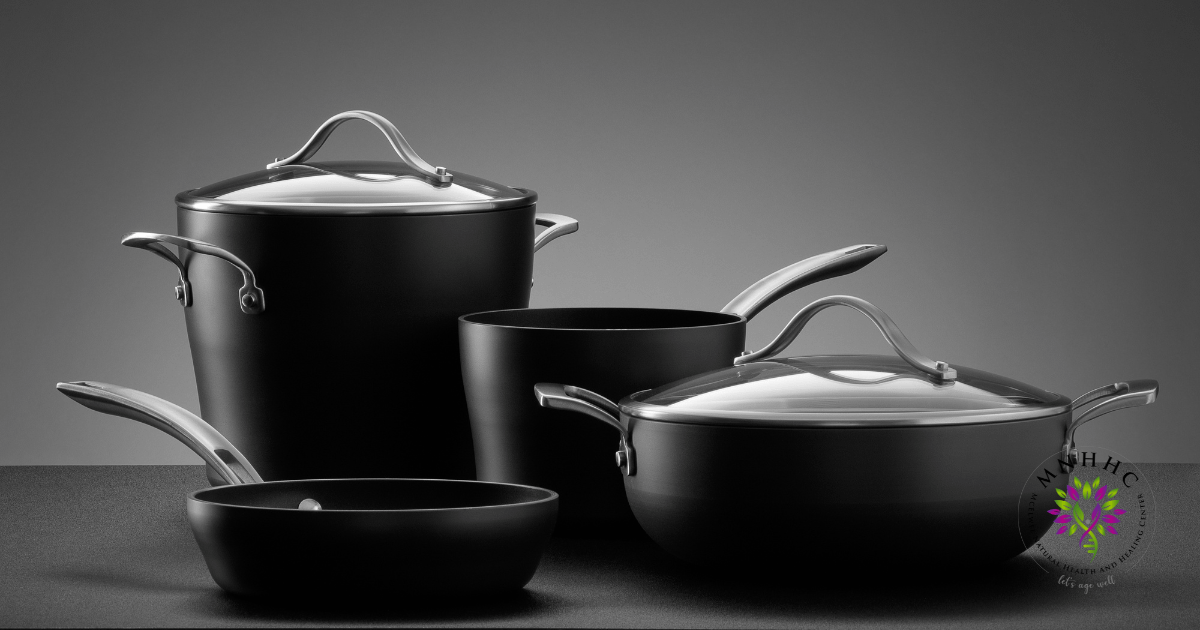
When it comes to cooking, the tools you use are just as important as the ingredients you select. Coo...

This year we have seen a resurgence of measles, a highly contagious viral disease. Before the introd...

If you’re passionate about whole, natural foods and your health, genetically modified organisms (GMO...

We were thrilled to learn of Robert F. Kennedy Jr.’s confirmation as the new Secretary of Health and...

When your child is running a fever, it can be a worrying time for any parent. The decision of whethe...

Red Dye #3, or Erythrosine, is a synthetic red coloring used in various food and cosmetic products....

The “Make America Healthy Again” (MAHA) movement emerges at a crucial time when the Unit...

The holidays are a time of coming together to get caught up in the lives of loved ones, share fond m...
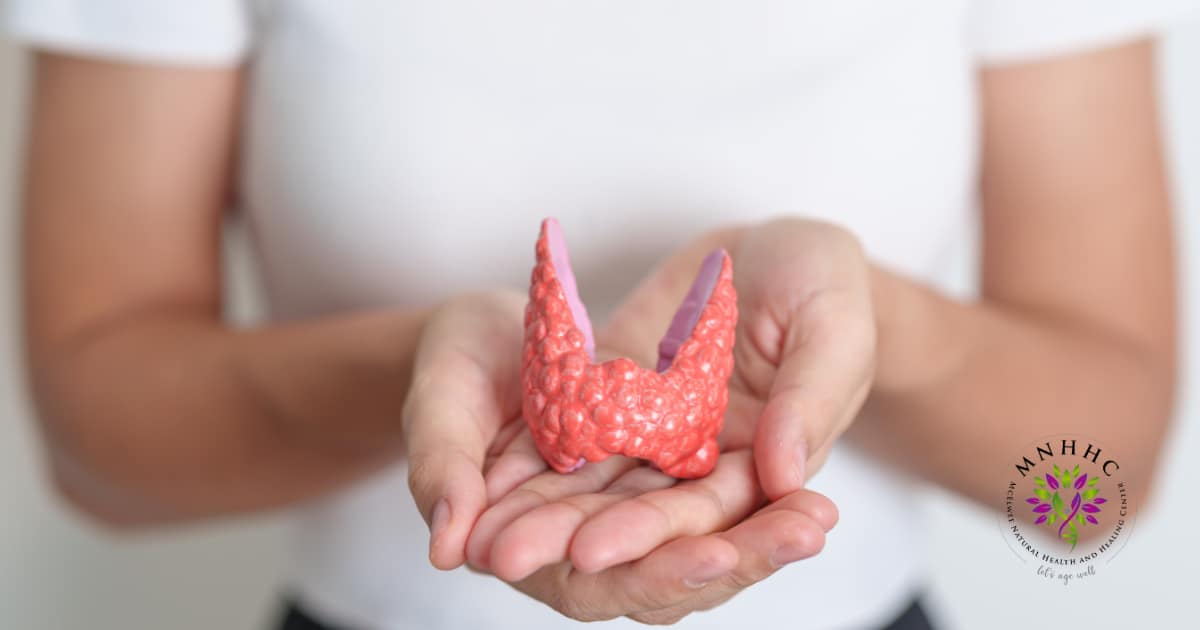
The thyroid gland, a small but crucial butterfly-shaped organ in the neck, regulates a myriad of bod...

Maintaining good health relies on essential vitamins and minerals like vitamin C, calcium, and iron....

When we think about the essential nutrients contributing to our overall health, our minds often grav...

When we think about essential nutrients for our bodies, we often focus on vitamins and minerals like...

When it comes to essential minerals for our health, manganese often takes a backseat to more popular...

Zinc is a mineral that is crucial in maintaining overall health and well-being. While often overlook...
Many people overlook the importance of iodine in their diet when it comes to maintaining optimal hea...
Understanding the role of sodium in our bodies is crucial to maintaining optimal health. Sodium play...

When we think about essential nutrients for our body, we often hear about the importance of vitamins...

From energy production to cell growth, phosphorus is a vital mineral that is crucial for various fun...

Calcium is an essential mineral that plays a vital role in various body functions. From strong bones...
When it comes to maintaining good health, most people are familiar with the importance of vitamins l...
Many of us are familiar with the many essential vitamins in our diet. Still, one that often gets ove...

Have you ever noticed how a sunny day can instantly boost your mood? Well, that’s not just a c...

Vitamin C stands out as the go to vitamin for maintaining optimal healt. This essential vitamin, als...

B vitamins play a crucial role in maintaining optimal health. These essential nutrients are water-so...

Vitamin A is an essential vitamin that is vital for various bodily functions. We often hear about th...

In today’s health-conscious world, many people are becoming more aware of the impact of their...

Imagine biting into a juicy, ripe tomato only to find that it lacks vibrant flavor and essential nut...
When you pick up a packaged food item from the grocery store shelf, chances are you’ll see the term...
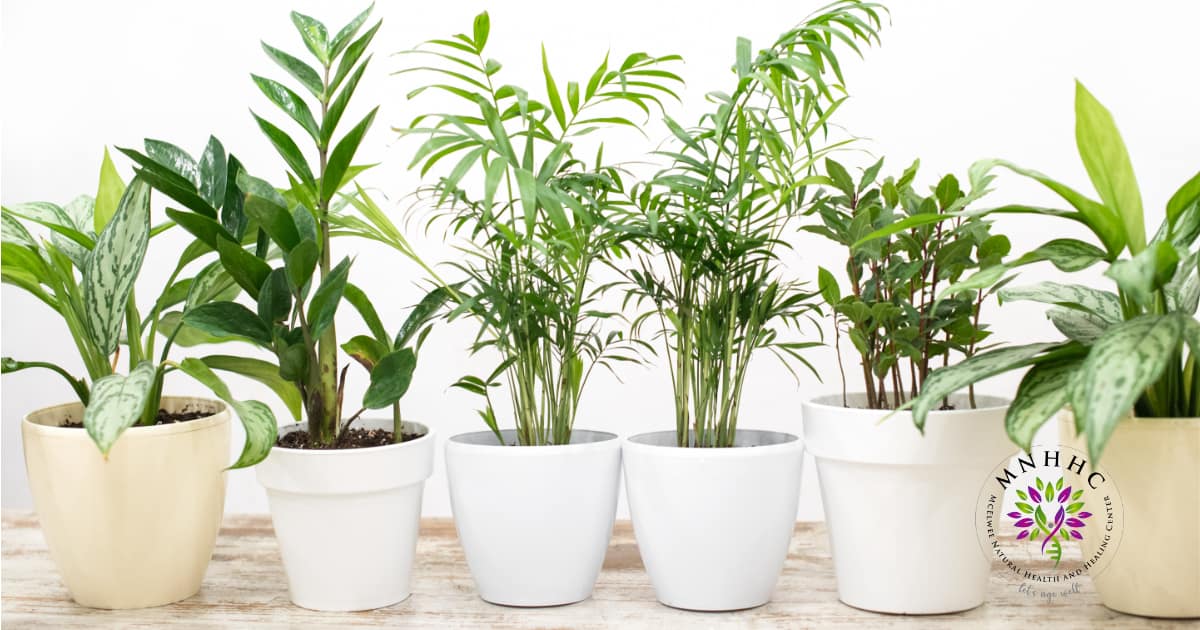
Houseplants are not only a beautiful addition to your home decor, but they also offer numerous healt...

Feeling tired all the time is a common complaint among many people today. It can be a frustrating an...
Our bodies are constantly bombarded with toxins from the environment, food, and even the products we...

As our Dads age, it becomes increasingly important to prioritize their health and well-being. From e...

As a holistic health practice, McElwee Natural Health and Healing is dedicated to enhancing overall...

Electromagnetic fields (EMFs) are invisible lines of force that surround electronic devices and powe...

Are you seeking a natural method to enhance your overall wellness? Discover the PEMF mat at McElwee...
At McElwee Natural Health and Healing, we believe proper health is about more than just the absence...

Imagine stepping outside your home on a bright morning, the birds chirping, the sun shining, and the...

Guest blog by Elise
It’s probably safe to say that you never imagined reading a blog about coffee enemas. And you probably never knew how beneficial coffee enemas were in detoxification. When I first looked up the practice, I was in full incognito mode on the old laptop. This was definitely not something I wanted to appear as an ad during my kid’s latest internet search.
Have no fear; it’s not as bad as I am sure you are expecting. At least it wasn’t for me. When Robyn suggested it, I was like, “Eh, I don’t know. It’s kinda gross. And weird. And gross.” But after she explained the benefits and how it could help with my detox journey, I reluctantly committed to at least try it.
So I hopped on Amazon to purchase my first enema bag! It was like Christmas in July. Jk, I was mortified, but I am an adult, so I got over it. I then headed to the health food store for some light roast (medium is ok, too) organic ground coffee. Make sure to use organic coffee. We don’t want to reintroduce more toxins!
After searching YouTube for a “how to”, I was ready to give it a go. I will give you the rundown (pun intended) on how it went. But first, a little bit about coffee enemas and their benefits.
Sometimes it’s hard for us to imagine that before modern medicine, our ancestors healed through, shall we say, unconventional means. You may have seen some of the weird devices used in medieval times or heard about some of the horrors that doctors would put people through, and this is not that.
A coffee enema is a procedure that involves introducing coffee into the rectum using a tube. The coffee is then held in the colon for a few minutes before being released. While this may sound strange to some, coffee enemas have been used for centuries as a natural remedy for various health conditions.
Civilizations from ancient Egypt to medieval Arabia recognized the unparalleled potential of coffee’s essence. They cherished it not just for its invigorating effects when consumed orally but also as a potent elixir for delivering healing and rejuvenation through the backdoor, quite literally. The powerful benefits of using coffee enemas have been passed down for generations.
The idea behind coffee enemas is that the caffeine in the coffee helps stimulate the liver and gallbladder to release toxins from the body. When you use a coffee enema, caffeine is absorbed into the bloodstream through the walls of the colon. This allows caffeine and other beneficial compounds to have a more direct and potent effect on the liver and gallbladder.
Those other compounds include:
All these combined stimulate the production of glutathione, a powerful antioxidant and detoxification agent found abundantly in the liver. This process may enhance the liver’s ability to eliminate toxins and waste products from the body.
Some of the most commonly cited benefits of coffee enemas include detoxification, digestive health, and even known to help in cancer treatments.
Coffee enemas are thought to help detoxify the liver and gallbladder by stimulating bile production and flushing out toxins from the body.
Coffee enemas are believed to decrease inflammation in the gut and improve digestion by increasing the production of digestive enzymes.
Some alternative health practitioners believe that coffee enemas can help cure cancer by detoxifying the body and boosting the immune system. However, there is no modern scientific evidence to support this claim. Please consult your physician.
As with most things, there are a few cautions to be aware of, including:
If you have any pre-existing conditions around your rectum or colon, it’s essential to speak with your doctor before trying a coffee enema to ensure it’s safe for you. If you experience any side effects or complications after doing a coffee enema, seek medical attention right away.
Now that you’ve gotten the 411 on coffee enemas, let me tell you what they don’t tell you.
Something will go wrong. The stopper won’t be on, the connection between the tube and the bag won’t be tight enough, or like what happened to me, the stopper falls out. The first time I performed a coffee enema, I had coffee on the walls! It’s really hard to think logically when you either have the enema tip inserted or are trying to keep your bum clenched.
You’ll wish you had more hands, but this is not what I would consider a couples endeavor, so do your best. After you do a few enemas, you will get more comfortable handling the equipment and two hands are enough.
Create a comfortable space but don’t do as I did for the first time. I had pillows, a comforter folded in four, and a towel on top of the comforter. (Like that towel was gonna stop coffee gushing from the unclamped tube!)
Do it in the bathroom. It may be tempting to be on a carpeted floor or your bed, but you can never be too careful. There always will be the possibility that coffee will go rogue. It wasn’t nearly as messy the second time I performed my coffee enema. Still, you never know what shenanigans will ensue.
Laugh.
It’s just coffee. Mentally, I had to get it straight in my head that what was coming from the bag was not gross; it was just coffee. The “contaminated” part is just the enema tip. Unless you don’t make it to the toilet, in which case what leaks from your bum is contaminated, and you should take proper precautions to disinfect any area where you had a bit of leakage.
Definitely undress. Don’t be modest. It’s just you and your bathroom floor.
Don’t try to be a hero. This is your first time; baby steps are completely fine. If you can only hold it for 10 minutes, then you can only hold it for 10 minutes. The next time, try to hold for 12 minutes; if you can’t, you can’t. Obviously, you will want to work up to the recommended 15-20 minutes to realize the benefits of the coffee enema, but don’t rush it, and most importantly, don’t beat yourself up! For my first time, I could barely hold it for 10 minutes. My second time was completely different, and I made it to 20 minutes.
It’s awkward. Until you find your flow, it’s weird and cumbersome to manipulate the tubing. Just know you will figure it out. I found that having the bag in front of me worked better for me. Seeing everything helped. But most people put the bag behind them, which makes total sense. The point is whatever works for you is fine.
Laugh again.
Use coconut oil to lubricate the tip. This makes inserting the tip so much easier, and it just glides right in.
Lay on your right side. You can lay in whatever position is best for you but the recommendation is the right side. This traps the coffee in the area of the portal vein. You can read more about positioning here.
Open your mouth, relax, and take deep breaths with your mouth open. Speaking of gliding in, I knew that if the mouth was open, it would be easier to insert the tip. The tip went fine for my first time, but no fluid was draining. After fumbling with the stopper, I took deep breaths with my mouth open, which did the trick. The coffee began to flow!
Timing. Try to make sure you are homebound when you first start your enemas. At least for the first few times until you know how your body will handle it. After my first time, I showered, cleaned up, and thought I was free and clear. That is until I sat down to have breakfast. I don’t know if it was the sitting position or the act of eating, but as soon as I started eating, I found myself rushing to the bathroom. After that, I was completely fine the rest of the day. So just be cautious.
Drink lots of water! You are flushing out your colon, so stay hydrated – drink before, during, and after.
Yield 1000 ml (1 enema)
Put 4 cups of water into a pot. Add 2 tablespoons of coffee to the water and bring to a boil. Boil for 5 minutes. Cool. You’ll want the coffee to be about room temperature.
You can make a big batch and store the coffee in big mason jars in the refrigerator. If you do store the coffee in the refrigerator, make sure you heat up the coffee evenly.
When performing the coffee enema, introduce around 500ML of coffee and then turn off the coffee. Everyone’s anatomy is different so if you can not tolerate 500ML back it off to 400ML or even 300ML. The goal is to introduce enough coffee to reach the insertion of the portal vein to the colon. You may “feel full” when you have likely had enough. Hold the coffee in for 15-20 minutes and then evacuate. Again, if you can not hold for 15 minutes don’t sweat it. A circulatory cycle is 1-3 minutes. As long as you hold for at least 3 minutes you are benefitting from the coffee enema.
For a full explanation on how to perform a coffee enema, tropicos girl has two great videos on YouTube (Linked below). Watching her go through the process was very helpful and comforting. She does the entire process twice but you do not have to do that. In fact I typically just do it once.
Please note – I can not vouch for any of her other videos.
If you still have questions contact Robyn and she will help you through it. It really is worth the effort and so helpful for the detoxification process.
Videos
Enema Bag Kit
Elise, who has been a member of McElwee Natural Health and Healing for over a year, originally sought relief from chronic fatigue, brain fog, and hormone imbalance. Since then, Robyn and she have really gotten to the root cause of her health challenges. Elise is a writer and when she recently found herself with some free time she could not think of anything she would rather write about than her journey with McElwee Natural Health and Healing.

Let’s face it. We know our body better than anyone else, and we know when something “just isn’t right.” Often we head to the doctor only to be told, “You’re healthy. Or “You’re fine.” But we know something is wrong; we just can’t pinpoint it. So we say, “Ok,” pay our copay and head out the door. We have become so accustomed to accepting what the modern medical professional says that we ignore what our bodies are trying to tell us.
I have been telling modern medical professionals that something is wrong for years. There is no way when rolling over in bed, one should feel the fluid drain from one side to the other. That isn’t right. Something is going on there, and it took guidance from Robyn to finally address the issue.
How about you? Have you ever felt bloated or swollen? Do you get frequent infections? Are you tired frequently? When the lymphatic system is not functioning correctly, it can lead to various symptoms. These may include:
For me, aside from fatigue which we all know could be anything, I didn’t have these symptoms. But, as I said, I could feel the fluid draining every time I rolled over from one side to the other. So my lymphatic system was not behaving as expected.
The lymphatic system is a network of vessels and tissues that work together to remove waste, toxins, and other unwanted bodily substances. This system filters harmful substances and ensures that only healthy fluids and nutrients are circulated throughout the body. However, there are times when the lymphatic system needs a little help to function correctly.
There are many reasons why one’s lymphatic system is not operating as intended. Lymphedema is a condition that occurs when the lymphatic system is unable to properly drain excess fluid from the tissues, resulting in swelling and discomfort. This condition can be caused by a variety of factors, including surgery, radiation therapy, and infection.
In addition to lymphedema, many other conditions can affect the lymphatic system and make it difficult to function properly. These include autoimmune disorders, infections, and certain types of cancer.
To help support the lymphatic system, you can do a few things. One of the most effective ways to promote lymphatic drainage is through exercise. Regular physical activity can stimulate lymphatic fluid flow and encourage the body to remove waste and toxins more efficiently. Also, eating a healthy diet, staying hydrated, and avoiding exposure to environmental toxins and pollutants are great ways to support your lymphatic system.
Additionally, during a session with Robyn, she may suggest supplements to support the lymphatic system by opening up the passageways.
While these are all important, the lymphatic system sometimes needs a little extra manual support to function correctly. This is where lymphatic massage comes in.
Lymphatic massage, also known as lymphatic drainage
, is a type of massage that targets the lymphatic system. It uses gentle, rhythmic strokes to stimulate lymphatic flow and help the body eliminate toxins and waste.
Lymphatic massage has numerous benefits for both physical and mental health.
If you are on a detoxification journey, lymphatic massage can help the body move toxins out of the body.
If you have a condition that causes swelling, such as lymphedema or post-surgery swelling, lymphatic massage can help reduce the swelling and discomfort.
The lymphatic system plays a critical role in the immune system, so by stimulating lymphatic flow, lymphatic massage can help boost your body’s ability to fight off infections and illnesses.
When the lymphatic system is sluggish, it can affect digestion and lead to bloating and constipation. Lymphatic massage can help stimulate lymphatic flow in the digestive system, improving digestion and reducing bloating.
In conjunction with a natural parasitic, lymphatic massage can help move parasites out of the body.
Lymphatic massage is a gentle, soothing massage that can help reduce stress and promote relaxation.
Some studies have shown that lymphatic massage can help reduce the appearance of cellulite by improving lymphatic flow and reducing fluid retention.
A lymphatic massage session typically lasts between 60 and 90 minutes. The therapist will use gentle, rhythmic strokes to stimulate lymphatic flow, working in a specific order to ensure that all areas of the body are addressed.
You will likely lie on a massage table with your clothes on during the massage. The therapist may use a light, unscented oil to help the strokes glide smoothly over your skin.
It’s important to note that lymphatic massage is very gentle and should not be painful. If you experience any discomfort during the massage, let your therapist know.
You can do your own massage if a professional therapist is outside the budget. I chose this route for just that reasons. I wanted to go “full steam ahead” and perform massages daily, so a professional massage therapist wasn’t in my budget. Plus, I didn’t have time to drive back and forth to and from the therapist daily.
Like the professional therapist, an at-home self-lymphatic massage involves gentle, rhythmic movements that help move the lymphatic fluid through the lymph vessels and towards the lymph nodes.
To perform a self-lymphatic massage, start by finding the lymph nodes in the areas of the body you want to target. These nodes are typically located in the neck, armpits, groin, and behind the knees. Use gentle, circular motions to stimulate and move the lymphatic fluid toward the lymph nodes. I chose to perform a lymphatic massage on my entire body as I didn’t have a particular area affected by excessive fluid.
As I did when I wanted to learn more about coffee enemas, I took to YouTube to get a step-by-step process. There I found an excellent instructor, Kelly Reed. Kelly is a certified lymphedema and oncology therapist. Each of her videos is broken down by body part. Since I wanted to do the entire body, I just watched all the videos and then made a little routine for myself. My entire process takes about 15-30 minutes.
Lymphatic massage is generally safe as it involves light touch and non-invasive techniques. However, if you have any of the following, you should seek advice from a professional before starting your massage:
Drinking plenty of water after a lymphatic massage is essential to help flush out the toxins and waste products that have been released. Additionally, it’s vital to avoid alcohol and caffeine, which can dehydrate the body and make it more difficult for the lymphatic system to function correctly. You can perform your massage at any time of the day. However, the morning is usually best. Finally, light exercise after your massage will help your body remove toxins.
Lymphatic massage is a gentle, soothing massage that can benefit physical and mental health. Whether you’re dealing with swelling or digestion issues or on your detoxification journey, lymphatic massage may be worth exploring. Contact us today to see if a lymphatic massage is right for you!
Elise, who has been a member of McElwee Natural Health and Healing for over a year, originally sought relief from chronic fatigue, brain fog, and hormone imbalance. Since then, Robyn and she have really gotten to the root cause of her health challenges. Elise is a writer who recently found herself with some free time on her hands and could not think of anything she would rather write about than her journey with McElwee Natural Health and Healing.

Good nutrition is essential for good health and mind, but understanding your body’s needs can be a challenge. Nutrition Response Testing ™ is a non-invasive assessment technique that can help you identify your body’s nutritional deficiencies and imbalances. This technique is gaining popularity among people looking for a natural and holistic approach to healthcare. Today, we will explore what is, how it works, and the potential benefits and drawbacks of this technique.
Nutrition Response Testing ™ is a non-invasive technique that uses muscle testing to assess the body’s nutritional needs. It was developed by Dr. Freddie Ulan, a chiropractor, and nutritionist, in the 1990s. The technique is based on the principle that the body has an innate ability to heal itself if given the proper nutrients. Nutrition Response Testing ™ identifies the underlying causes of health problems by identifying imbalances in the body’s organs and systems.
There are several thousand practitioners who use this technique in their clinical practice. These practitioners may have a variety of backgrounds, including chiropractors, naturopaths, acupuncturists, and nutritionists. Some may have received specific training in Nutrition Response Testing ™, while others may have learned the technique through workshops or seminars. Robyn McElwee of McElwee Natural Health and Healing is a naturopathic doctor. She is board certified in holistic health and started her career as a speech-language pathologist. Robyn is a certified Nutrition Response Tester.
Let’s look at what a typical session with Robyn looks like!
Step 1: Consultation – Robyn will first discuss your health concerns and medical history to understand your overall health status and any underlying conditions. New members will complete a new member intake form before the consultation.
Step 2: Muscle Testing – Robyn will then test specific points on your body using muscle testing. The testing is done by applying gentle pressure to a muscle while asking you to resist the pressure. The muscle response is evaluated to determine if it is strong or weak, and a weak response indicates an imbalance or deficiency in the corresponding organ or system.
Step 3: Investigation – Next, Robyn will determine the source of the imbalance.
Step 4: Analysis – Then Robyn will analyze the muscle testing results to identify what natural food supplements may be beneficial, if any.
Step 5: Recommendations – Based on the analysis, Robyn will recommend a personalized nutritional program that may include dietary changes, nutritional supplements, and lifestyle modifications to address the underlying imbalances. The program is designed to support the body’s natural healing processes and restore balance.
One of the biggest challenges of Nutrition Response Testing ™ is explaining Nutrition Response Testing ™! When Nutrition Response Testing ™ is performed, we are asking your body to reveal where there is a lack of energy or an imbalance. When a part of your body lacks energy or is not operating at 100%, your autonomic nervous system protects that area. This is commonly referred to as a person’s fight-or-flight response.
For example, a member with diabetes may have a weak muscle response when Robyn stimulates the area of the pancreas. The muscle goes weak because the pancreas is not performing as intended and the body’s energy focuses on the pancreas to protect itself from the “stress” of the muscle testing felt on the body. If a real-food supplement can benefit this member, then Robyn will test the supplement in conjunction with stimulating the pancreas. When the muscle is strong, it means the supplement is helpful to the pancreas. If the muscle is still weak, then this particular supplement is not ideal.
Nutrition Response Testing ™ identifies imbalances and deficiencies in the body’s organs and systems. These imbalances can lead to various health problems, including allergies, chronic fatigue, digestive disorders, hormonal imbalances, and immune system dysfunction.
The technique can also identify the underlying causes of health problems, such as nutritional deficiencies, food sensitivities, environmental toxins, and stress. Nutrition Response Testing ™ gets to the root cause of ill health to support the body’s natural healing processes and restore balance.
Everyone! We take a page from how medicine has been practiced for a thousand years and listen to what your body says, no matter who you are, how old you are, or your concerns.
Generally, Nutrition Response Testing ™ is helpful for people looking for a natural and holistic approach to healthcare or who have not found relief in other more mainstream methods. Most of our members come to see us after things “just don’t seem to be getting any better.”
Generally, this depends on your perspective. Nutrition Response Testing ™ is a non-invasive and painless technique with no known side effects. Sometimes, due to muscle weakness, it may be difficult for some members to participate in testing. In these circumstances, one of our dedicated staff members is available to assist.
Also, the personalized nutrition program that may be required to bring your body into balance might require significant changes in your diet and lifestyle. Sometimes these changes can be challenging to adjust to.
Finally, Nutrition Response Testing ™ is not widely accepted within the medical community. As a result some healthcare professionals view the technique as unproven and lacking scientific evidence. However, real-world outcomes far exceed these concerns. Many people have reported positive results from Nutrition Response Testing ™, and continues to gain popularity among those seeking a natural and holistic approach to healthcare.
After just one session, you will see how your body is the best source of information about how it is operating. McElwee Natural Health and Healing helps you learn how to listen.
Contact us today to find balance again!

It is estimated that 31% of US adults experience anxiety disorder at some point in their lives. Today, we will give an overview of what anxiety is, its signs and symptoms, examine some root causes to anxiety, and provide insight into how we address anxiety with natural solutions.
The dictionary describes anxiety as a feeling of worry, nervousness, or unease, typically about an imminent event or something with an uncertain outcome. In some cases, a mental condition characterized by excessive apprehensiveness about real or perceived threats, typically leading to avoidance behaviors and often to physical symptoms such as increased heart rate and muscle tension.
I’m sure most of us, if not all, have experienced anxiety during out lifetime. Perhaps some more than others.
Common signs and symptoms include:

Why do some people struggle with anxiety more than others?
The western medical system treats anxiety with anti anxiety medications, anti depressants, beta blockers, and sometimes therapies. To learn more about this approach see:
Here at McElwee Natural Health and Healing, we support the whole body in a holistic manner. We:
If you or your child are struggling with anxiety, don’t hesitate to contact us today. We can help!

Ingredients:
Instructions:

Ingredients – organic when possible:
Instructions: