
Surviving the Holidays Without Losing Your Mind (or Your Immune System)
Welcome to the most wonderful—and occasionally most chaotic—time of the year! At McElwee Natural Hea...

Welcome to the most wonderful—and occasionally most chaotic—time of the year! At McElwee Natural Hea...

At McElwee Natural Health and Healing Center, we’re committed to empowering families with info...

In a groundbreaking announcement on September 22, 2025, President Donald Trump, flanked by Health an...

In a world where modern medicine often treats symptoms with pills and procedures, what if the key to...

At McElwee Natural Health and Healing Center, we’re committed to empowering our community with knowl...

At McElwee Natural Health and Healing, our mission is to empower you to achieve vibrant health by ad...

Ever wonder why you feel bloated, exhausted, or achy after certain meals? These could be your body’s...
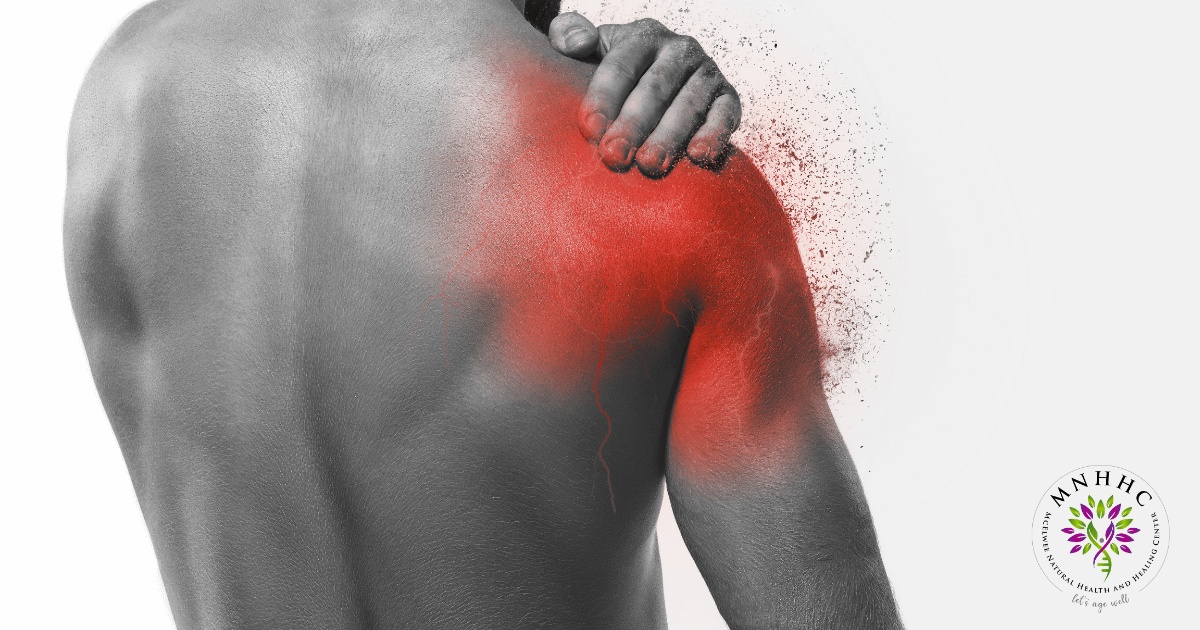
Frozen shoulder, medically known as adhesive capsulitis, is a debilitating condition characterized b...

As summer heats up in Maryland, the fields are bursting with vibrant, local produce that can nourish...

At McElwee Natural Health and Healing Center, we believe in empowering you to take charge of your we...

On May 27, 2025, U.S. Health and Human Services Secretary Robert F. Kennedy Jr. unveiled a groundbre...

Seasonal allergies plague many Maryland residents, with Harford County’s high pollen counts making s...

At McElwee Natural Health and Healing Center, we’ve long championed the power of natural, whole food...

When it comes to cooking, the tools you use are just as important as the ingredients you select. Coo...

This year we have seen a resurgence of measles, a highly contagious viral disease. Before the introd...

If you’re passionate about whole, natural foods and your health, genetically modified organisms (GMO...

We were thrilled to learn of Robert F. Kennedy Jr.’s confirmation as the new Secretary of Health and...

When your child is running a fever, it can be a worrying time for any parent. The decision of whethe...

Red Dye #3, or Erythrosine, is a synthetic red coloring used in various food and cosmetic products....

The “Make America Healthy Again” (MAHA) movement emerges at a crucial time when the Unit...

The holidays are a time of coming together to get caught up in the lives of loved ones, share fond m...

The thyroid gland, a small but crucial butterfly-shaped organ in the neck, regulates a myriad of bod...

Maintaining good health relies on essential vitamins and minerals like vitamin C, calcium, and iron....

When we think about the essential nutrients contributing to our overall health, our minds often grav...

When we think about essential nutrients for our bodies, we often focus on vitamins and minerals like...

When it comes to essential minerals for our health, manganese often takes a backseat to more popular...

Zinc is a mineral that is crucial in maintaining overall health and well-being. While often overlook...
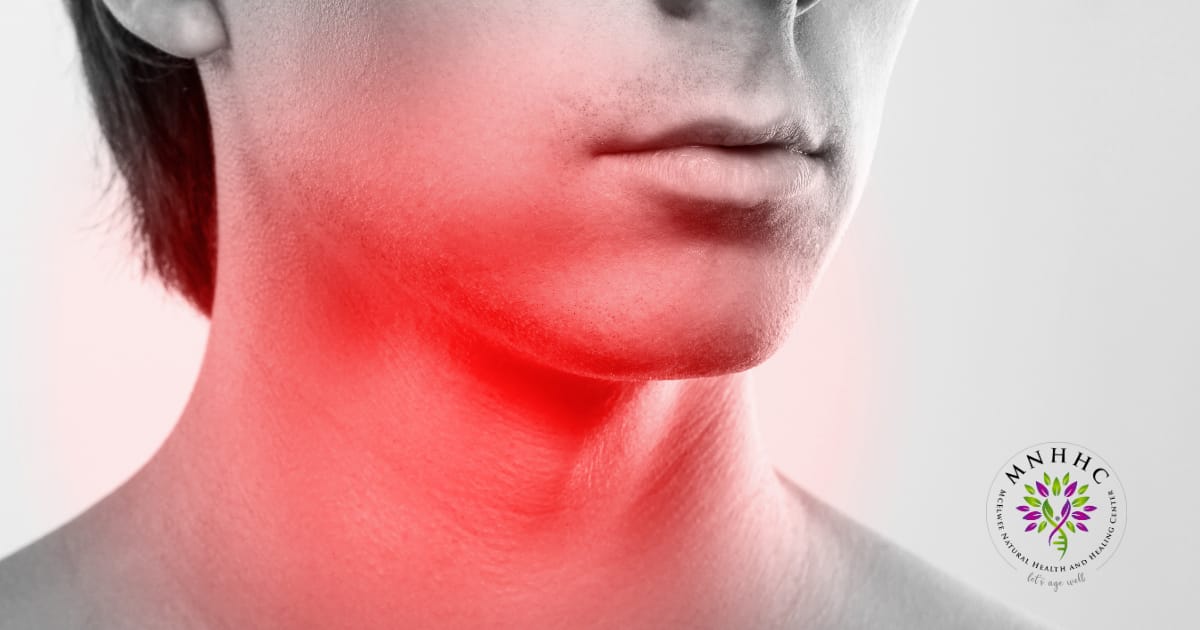
Many people overlook the importance of iodine in their diet when it comes to maintaining optimal hea...

Understanding the role of sodium in our bodies is crucial to maintaining optimal health. Sodium play...

When we think about essential nutrients for our body, we often hear about the importance of vitamins...

From energy production to cell growth, phosphorus is a vital mineral that is crucial for various fun...

Calcium is an essential mineral that plays a vital role in various body functions. From strong bones...

When it comes to maintaining good health, most people are familiar with the importance of vitamins l...

Many of us are familiar with the many essential vitamins in our diet. Still, one that often gets ove...

Have you ever noticed how a sunny day can instantly boost your mood? Well, that’s not just a c...

Vitamin C stands out as the go to vitamin for maintaining optimal healt. This essential vitamin, als...

B vitamins play a crucial role in maintaining optimal health. These essential nutrients are water-so...

Vitamin A is an essential vitamin that is vital for various bodily functions. We often hear about th...

In today’s health-conscious world, many people are becoming more aware of the impact of their...

Imagine biting into a juicy, ripe tomato only to find that it lacks vibrant flavor and essential nut...

When you pick up a packaged food item from the grocery store shelf, chances are you’ll see the term...

Houseplants are not only a beautiful addition to your home decor, but they also offer numerous healt...

Feeling tired all the time is a common complaint among many people today. It can be a frustrating an...

Our bodies are constantly bombarded with toxins from the environment, food, and even the products we...

As our Dads age, it becomes increasingly important to prioritize their health and well-being. From e...

As a holistic health practice, McElwee Natural Health and Healing is dedicated to enhancing overall...

Electromagnetic fields (EMFs) are invisible lines of force that surround electronic devices and powe...

Are you seeking a natural method to enhance your overall wellness? Discover the PEMF mat at McElwee...
At McElwee Natural Health and Healing, we believe proper health is about more than just the absence...

Imagine stepping outside your home on a bright morning, the birds chirping, the sun shining, and the...

Our digestive system plays a crucial role in our overall health and well-being, and it is responsible for breaking down food into nutrients and eliminating waste from our bodies. However, when something goes wrong with our digestive system, it can lead to uncomfortable symptoms and health issues. If you’re experiencing digestive health issues, you’re not alone. According to the National Institutes of Health, approximately 60 to 70 million Americans are affected by digestive diseases. Today, we’ll explore some of the most common digestive health issues, their symptoms, and treatment options and how McElwee Natural Health and Healing in Churchville uses Nutrition Response Testing™ to identify the triggers that may be leading to your symptoms.
Acid reflux occurs when the acid in your stomach flows back up into your esophagus, causing a burning sensation in your chest or throat. It is a common condition, and occasional reflux is normal. The issue arises when you find yourself battling reflux regularly. If that sounds familiar, you may have gastroesophageal reflux disease (GERD).
The symptoms of GERD include heartburn, regurgitation of food, and difficulty swallowing. Treatment options include lifestyle changes such as avoiding trigger foods, losing weight, and quitting smoking. Modern medical professionals prescribe antacids, H2 blockers, and proton pump inhibitors for relief.
Constipation is a common digestive health issue caused by various factors, including a low-fiber diet, dehydration, and certain medications.
The symptoms of constipation include abdominal pain, bloating, and discomfort. You can combat constipation naturally by drinking more water, increasing fiber intake, and exercising regularly can help. Over-the-counter laxatives can also provide relief.
Diarrhea is a common digestive health issue caused by various factors, including infection, medication, and certain health conditions. Loose, watery stools characterize it and can lead to dehydration if left untreated.
The symptoms of diarrhea include frequent bowel movements, abdominal pain, and cramping. Treatment options include staying hydrated, avoiding trigger foods, and over-the-counter medications such as loperamide.
Gas is a normal part of the digestive process, but excessive gas can be uncomfortable and embarrassing. It is caused by the breakdown of food in the digestive tract and can be worsened by certain foods and beverages.
The symptoms of gas include bloating, abdominal pain, and flatulence. Treatment options include avoiding trigger foods, exercising regularly, and taking over-the-counter gas relief medication.
Indigestion, or dyspepsia, is a common digestive health issue caused by various factors, including overeating, stress, and certain medications. It presents as discomfort or pain in the upper abdomen.
The symptoms of indigestion include bloating, nausea, and heartburn. Treatment options include lifestyle changes such as eating smaller meals and avoiding trigger foods. Treatment also includes over-the-counter medications such as antacids and proton pump inhibitors.
Lactose intolerance is a common digestive health issue that occurs when the body cannot digest lactose, a sugar found in milk and dairy products. It is caused by a deficiency in the enzyme lactase, which breaks down lactose.
The symptoms of lactose intolerance include bloating, gas, and diarrhea after consuming milk or dairy products. Treatment options include avoiding lactose-containing foods and beverages and taking lactase supplements.
Peptic ulcers are found on the lining of the stomach or small intestine. The open sores are caused by a range of factors, including infection with the bacteria, Helicobacter pylori, long-term use of nonsteroidal anti-inflammatory drugs (NSAIDs), and stress.
The symptoms of peptic ulcers include abdominal pain, bloating, and nausea. Treatment options include medication to heal the ulcers and reduce acid production, as well as lifestyle changes such as avoiding trigger foods and quitting smoking.
Celiac disease is an autoimmune disorder that affects the small intestine. People with celiac disease are unable to process gluten, a protein found in wheat, barley, and rye. The reaction can damage the small intestine’s lining, leading to a range of symptoms.
The symptoms of celiac disease include diarrhea, abdominal pain, bloating, fatigue, and weight loss. Treatment involves following a strict gluten-free diet, which can help alleviate symptoms and prevent complications such as malnutrition and anemia.
Crohn’s disease affects the digestive tract and occurs when the immune system attacks the digestive system, leading to inflammation and damage.
The symptoms of Crohn’s disease can vary but may include abdominal pain, diarrhea, weight loss, and fatigue. Modern medical professionals typically prescribe medications to reduce inflammation and suppress the immune system, as well as surgery to remove damaged portions of the digestive tract.
Irritable bowel syndrome (IBS) is a common digestive health issue that affects the large intestine. IBS symptoms can differ for everyone but may include diarrhea, constipation, abdominal pain, bloating, and changes in bowel habits.
Treatment options include lifestyle changes such as managing stress and avoiding trigger foods. Additionally, prescribed medications can also alleviate symptoms.
Ulcerative colitis is an inflammatory bowel disease (IBD) affecting the colon and rectum. It is characterized by inflammation and sores in the lining of the colon.
The symptoms of ulcerative colitis can vary but may include abdominal pain, diarrhea, and rectal bleeding. Treatment options include medication to reduce inflammation and suppress the immune system and surgery to remove the colon in severe cases.
The liver plays a crucial role in the digestive process, producing bile to aid in the digestion of fats. Liver disease can occur when the liver is damaged or inflamed, leading to various symptoms.
The symptoms of liver disease can vary but may include abdominal pain, jaundice, and fatigue. Treatment options depend on the underlying cause of the liver disease and may include lifestyle changes, medication, or surgery.
At the McElwee Natural Health and Healing Center, we get to the root cause of your digestive health issues to address what’s really going on with your body. We consider the entirety of you and only you when assessing your symptoms. We understand that your digestive health issues can originate from any number of reasons, including stress, lifestyle choices, environmental factors, your genome, or your physical self.
During the Nutrition Response Testing™ session with Robyn, she works with you to identify triggers that may lead to your symptoms. Together we can design a non-invasive plan geared to your body and environment that may include whole-food nutrition, lifestyle changes, detoxification, and increasing your gut biome to strengthen your digestive system and give you the relief you have been searching for.
Don’t let your digestive health issues disrupt your daily life. If you are in Harford County or the surrounding area, contact us today for a free consultation or a complete evaluation!

Are you feeling tired, sluggish, or unwell? Do you struggle with weight issues, allergies, or chronic diseases? If so, you may be suffering from a heavy toxic load. Heavy toxic load is when your body is overloaded with harmful substances from various sources, such as food, water, air, cosmetics, plastics, medications, heavy metals, and more. These toxins can damage your tissues, organs, hormones, and immune system and cause various health problems. Today we will discuss the symptoms of a heavy toxic load and offer ways to reduce exposure and detoxify your body.
High toxicity load refers to the amount of harmful substances accumulating in our bodies over time. While specific symptoms can vary depending on the type of toxins involved, the body’s response, and individual factors, here are some general signs that may indicate a high toxicity load:
These symptoms are non-specific and can also be caused by various other conditions. Contact us for a full screening if you suspect an elevated toxicity load.
At McElwee Health and Healing Center, we take a two-prong approach to help you reduce your toxic load. Reduce and Detoxify.
Reducing toxic load involves adopting healthy lifestyle practices and making conscious choices to minimize exposure to toxins. Here are some strategies to decrease toxicity load.
Reduce exposure to pesticides, heavy metals, and other harmful substances by choosing organic produce and filtered water. Choose organic fruits and vegetables free of pesticides and chemical fertilizers. Choose meats from free-range and grass-fed animals that feed on organic pastures.
Ensure that the water you consume and use on your body is free from added chemicals and toxins. Use distilled water or filters to eliminate toxins and added chemicals.
Reduce exposure to pesticides, heavy metals, and other harmful substances by choosing organic produce and filtered water.
Be mindful of the products you use in your home and personal care routine. Opt for natural and non-toxic cleaning products, cosmetics, and personal care items. Keep your living and working spaces clean and well-ventilated to minimize exposure to indoor pollutants. Use air purifiers and houseplants that can help improve indoor air quality.
Limit or eliminate alcohol and tobacco as they can introduce toxins into your system and burden your liver and other organs.
Once you reduce your exposure, we recommend you start on a detoxification journey. Detoxification refers to eliminating toxins from the body and supporting the body’s natural detoxification pathways. Everyone’s length of detoxification can vary depending on the elements used and their body. Here are some commonly practiced methods for detoxification.
Drink an adequate amount of water daily to support the elimination of toxins through urine and sweat. Aim for at least 8 cups (64 ounces) of water daily, adjusting for individual needs.
Avoid processed foods. Instead, eat whole foods, rich in nutrients. Include plenty of fruits, vegetables, and fiber to support your body’s natural detoxification processes. Consider incorporating foods specifically supporting liver health, such as leafy greens, cruciferous vegetables (broccoli, cabbage, cauliflower), and garlic.
McElwee Natural Health and Healing offers whole food supplements and herbs for detoxification, such as Spanish Black Radish, Antronex, Colon Clear, BIND, and Bowel Mover.
Using a sauna or engaging in heat therapy can induce sweating, which helps eliminate toxins through the skin. Engage in physical activity to promote circulation, lymphatic drainage, and sweating, which can help eliminate toxins from the body. Forgo the activities that you dread. Instead, pick things you like doing alone or with a friend.
Deep breathing exercises and meditation techniques can help reduce stress and promote relaxation. Prioritize quality sleep to allow your body to rest, repair, and detoxify. Try to get at least 7-9 hours of sleep each night. This can support the body’s natural detoxification processes, as chronic stress can interfere with them.
Lymphatic massage can help stimulate the lymphatic system and promote the elimination of toxins through the skin. It can be beneficial for supporting the body’s detoxification processes by removing waste, toxins, and excess bodily fluid. Lymphatic massage uses a gentle and rhythmic massage technique designed to stimulate the lymphatic system and promote the flow of lymph fluid. Lymphatic massage can also help reduce swelling and fluid retention and boost immune function.
Learn more about lymphatic massage here!
The liver is a primary organ involved in detoxification. You can support its function by consuming foods such as artichokes, beets, carrots, dandelion greens, and green tea. Additionally, milk thistle and turmeric are herbs that are often used to support liver health.
Coffee enemas are used as a complementary therapy for detoxification. Coffee enemas involve introducing a mixture of coffee and water into the rectum and colon so that the coffee mixture enters the portal vein. The portal vein goes to the liver, where the coffee stimulates glutathione production, a powerful antioxidant and detoxification agent naturally found in the liver.
Learn more about coffee enemas here!
Contact us today to start your detoxification journey!

The human immune system is a complex network of cells, tissues, and organs that protect the body from infections and diseases caused by harmful pathogens such as bacteria, viruses, and fungi. A healthy immune system can distinguish between foreign invaders and the body’s cells and tissues, preventing autoimmune diseases. However, the immune system can sometimes overreact to certain stimuli, leading to inflammation and tissue damage. Today we will look closer at the immune system and the inflammatory response function, including what they are, who is affected, symptoms, and treatments.
The immune system comprises specialized cells and proteins that protect the body from foreign invaders. One of the key players in the immune system is white blood cells, also known as leukocytes, which are produced in the bone marrow and circulate throughout the body via the bloodstream. There are two types of white blood cells: phagocytes, which engulf and destroy pathogens, and lymphocytes, which produce antibodies that recognize and neutralize specific antigens.
When a foreign invader enters the body, the immune system mounts an attack to eliminate it. This response is called the immune response and involves several steps.
A healthy immune system is essential for maintaining overall health and preventing infections. However, aging, chronic stress, poor nutrition, and certain medical conditions can weaken the immune system and increase the risk of infections and diseases.
Inflammation is a normal response to injury or infection. It is a complex process that involves various immune cells and signaling molecules that work together to eliminate the offending agent and repair the damaged tissue. However, sometimes the immune system can overreact to certain stimuli, leading to chronic inflammation that can damage healthy tissues and organs.
Chronic inflammation has been linked to several medical conditions, including autoimmune diseases, cardiovascular diseases, and cancer. Symptoms of chronic inflammation include pain, swelling, redness, heat at the site of inflammation, fatigue, fever, and loss of appetite.
The inflammatory response is closely related to the immune system and is integral to the body’s defense against infections, tissue damage, and other harmful stimuli. It is a complex biological process that involves various cells, molecules, and signaling pathways.
When the body detects an injury, infection, or any other form of tissue damage, immune cells, primarily white blood cells, are recruited to the site of the damage. These immune cells release chemical signals called cytokines, which trigger an inflammatory response. Cytokines include interleukins, tumor necrosis factor-alpha (TNF-alpha), and chemokines.
The inflammatory response is tightly regulated to ensure an appropriate and controlled immune reaction. Once the threat has been eliminated, anti-inflammatory signals are released to dampen the response and initiate healing.
It’s important to note that while inflammation is a normal and essential part of the immune response, chronic or excessive inflammation can contribute to various diseases, including autoimmune disorders, allergies, and chronic inflammatory conditions.
The symptoms of immune system disorders and chronic inflammation vary depending on the underlying condition. For example, autoimmune diseases such as rheumatoid arthritis, lupus, and multiple sclerosis can cause joint pain, fatigue, and muscle weakness. Chronic inflammation in the lungs can cause shortness of breath, coughing, and wheezing, while chronic inflammation in the digestive tract can cause abdominal pain, diarrhea, and weight loss.
Treatment for immune system disorders and chronic inflammation depends on the underlying condition and the severity of the symptoms. In some cases, lifestyle changes such as regular exercise, a healthy diet, and stress management can help improve immune function and reduce inflammation. In other cases, modern medical professionals prescribe medications such as nonsteroidal anti-inflammatory drugs (NSAIDs), corticosteroids, and immunosuppressants may be prescribed to manage the symptoms and prevent further damage to the tissues.
Inflammation can manifest with various symptoms, depending on the location and severity of the inflammatory response. Common symptoms of inflammation include:
It’s important to note that these symptoms can vary depending on the underlying cause and the specific tissues or organs affected. Additionally, some individuals may experience inflammation without exhibiting noticeable symptoms.
A compromised immune system is a weakened or dysfunctional immune response from various factors such as certain medical conditions, medications, genetic disorders, or lifestyle choices. The symptoms of a compromised immune system can vary depending on the specific underlying cause and the severity of the immune impairment. Here are some common signs that may indicate a compromised immune system:
It’s important to note that these symptoms are not specific to a compromised immune system and can also be caused by various other factors.
Autoimmune disorders are a group of conditions in which the immune system mistakenly attacks and damages healthy tissues in the body. Each autoimmune disorder affects parts of the body differently and produces distinct symptoms.
The list of autoimmune diseases is extensive, and pretty much anything you can think of is included.
Modern medical professionals often diagnose and treat autoimmune disorders through medical history assessment, physical examination, blood tests, imaging studies. Additionally, specialized evaluations by healthcare professionals such as rheumatologists, endocrinologists, or gastroenterologists may be utilized. The journey to identify the autoimmune disease is long, often followed by an even longer journey to symptom-free living.
At McElwee Natural Health and Healing, we identify the underlying cause of your inflammatory symptoms to address the origin of your immune system weakness. Through non-invasive testing, we listen to what your body needs to quiet the chronic inflammatory response. Once the source is identified, you and Robyn will work together to develop a plan that works for you!
This list of available strategies is non-exhaustive. The key here is that we offer individualized assessments and support that consider the entirety of you. When addressing immune system diseases, this holistic approach considers various aspects of your physical, mental, emotional, and spiritual well-being.
The immune system and the inflammatory response function are critical components of the human body’s defense against infections and diseases. When they are not operating as intended it’s important to get to the root of your specific symptoms. Start living a symptom free life. Contact us today for a full assessment!

Parasitic infections affect millions of people in the US every year. These organisms go undetected in millions more, hiding or masquerading as pain. Parasites live on or inside another organism (called the host) and obtain nutrients at the host’s expense. They come in various forms, including protozoa, helminths (worms), and ectoparasites like ticks and lice. Today we will explore parasites, their symptoms, and how McElwee Natural Health and Healing Center can help you rid your body of parasites naturally.
Parasites can enter the body through various routes, including contaminated food or water, insect bites, sexual contact, or direct contact with infected individuals or animals.
Some standard modes of transmission are:
As with most things, practicing good hygiene and sanitation, such as washing hands with soap and water, using clean toilets and latrines, disposing of feces properly, and avoiding contact with animal feces, is the number one way to resist these organisms.
Other ways to avoid parasites are to clean and filter food and water, use insect repellents, keep pets and livestock healthy, and avoid contact with affected people or animals.
You often won’t know you have a parasite but may experience some symptoms. The symptoms of a parasitic infection vary depending on the type of parasite and the affected organ or system. Common symptoms include gastrointestinal issues (diarrhea, abdominal pain, nausea), fatigue, weight loss, anemia, skin rashes, fever, and muscle aches.
At McElwee Health and Healing Center, we have found that our members with parasites often have pain in a localized area such as the hips, shoulders, or feet. In fact, resident guest blogger, Elise, had parasites in both of her hips. The pain was so bad that she was convinced she would need hip replacements!
Diagnosis of a parasitic infection in modern medicine typically involves analyzing stool or blood samples for the presence of parasite eggs, larvae, or antibodies. In some cases, imaging techniques or biopsies may be used.
At McElwee Health and Healing Center, we use the energy of parasites to determine where and what kind may be causing your symptoms.
Prevention and hygiene are excellent first steps to limit your exposure to parasites. Modern medical professionals may use antiparasitic medications. According to the Cleveland Clinic, Antiparasitic medications can have serious side effects if not taken as directed or taken for too long. These include kidney failure, vision problems, nerve damage in the hands and feet, hearing loss, and balance problems. Other reported side effects include tinnitus, allergic reactions, urine discoloration, muscle weakness, abnormal liver function test, leukopenia, numbness or tingling of hands or feet, and visual impairment.
At McElwee Health and Healing Center, we consider how the body, mind, and spirit are connected. When treating parasites, we may employ a combination of natural remedies and lifestyle modifications in a holistic parasite cleanse specially designed for you.
We may utilize herbs with antimicrobial and antiparasitic properties. Common herbs include black walnut, wormwood, cloves, garlic, oregano oil, and grapefruit seed extract. These herbs are believed to help eliminate parasites from the body.
We may recommend dietary modifications to create an environment less conducive to parasites. Some changes involve avoiding processed foods, refined sugars, and excessive carbohydrates, which can promote parasite growth. Instead, a diet rich in fresh fruits and vegetables, whole grains, lean proteins, and healthy fats may be suggested to support overall health and immune function.
Since parasites can disrupt the natural balance of gut flora, we may recommend probiotics or fermented foods to restore healthy gut bacteria. Probiotics can support digestion, strengthen the immune system, and help create an unfavorable environment for parasites.
We firmly believe in detoxification to support the body’s natural elimination processes. We recommend fasting, juicing, or specific detox protocols to help cleanse the body and eliminate toxins that parasites thrive on. If you’ve never tried a coffee enema, check out this guide!
Chronic stress weakens the immune system, making the body more susceptible to infections, including parasitic infestations. We may suggest stress reduction techniques like meditation, yoga, deep breathing exercises, or other relaxation practices to support overall well-being.
Practicing good hygiene, such as regular handwashing, proper food handling, and maintaining a clean living environment, is crucial to prevent reinfection or the spread of parasites. We’re here to guide these practices.
We may recommend that you assist your lymphatic system in moving parasites out of your body through lymphatic massage.
A parasite cleanse is a natural way to support your body’s ability to eliminate parasites and restore balance and health. Some of the benefits of a parasite cleanse are:
The duration of a parasite cleanse may vary depending on the cleanse, the products used, and the individual’s response. Some sources suggest that a parasite cleanse can last anywhere from two days to six weeks. However, everyone is different, and your body will let you know when you are free of parasites.
Contact us today for a parasite screening!

Have you ever wondered how your body regulates your metabolism, growth, mood, and reproduction? The answer lies in a complex system of glands and hormones communicating with each other and your organs. This system is called the endocrine system, and it plays a vital role in controlling and coordinating many of the body’s functions. Today, we will specifically explore two organs, the thyroid and the adrenals, which, when not operating as intended, lead to dysregulation of this critical body system. But first, the endocrine system.
The endocrine system is a complex network of glands and organs that produce and secrete hormones, which are chemical messengers regulating various body processes. The hormones released by the endocrine system help control growth, development, metabolism, reproduction, mood, and many other physiological functions.
There are several glands within the endocrine system. These include:
Endocrine glands secrete hormones into the bloodstream. Hormones travel throughout the body, binding to specific receptors on target cells or organs, triggering specific responses. Hormones regulate many functions, including metabolism, growth and development, reproduction, stress response, electrolyte balance, and more.
The endocrine system operates through intricate feedback mechanisms to maintain hormone balance. Negative feedback loops involve regulating hormone release in response to changing levels of a particular hormone. For example, when the concentration of a hormone in the blood reaches a certain threshold, it inhibits further release of that hormone.
The endocrine system and the nervous system work closely together to maintain homeostasis. The hypothalamus, in particular, acts as a bridge between the two systems, receiving and interpreting signals from the nervous system and initiating hormone release accordingly.
Disruptions or abnormalities within the endocrine system can lead to various conditions and disorders, including thyroid dysfunction and adrenal disorders.
Thyroid dysregulation refers to any disruption or abnormality in the function of the thyroid gland. The thyroid plays a vital role in regulating various metabolic processes in the body by producing and releasing thyroid hormones. It is one of the most misdiagnosed processes our members encounter.
Modern medical professionals diagnose thyroid dysregulation through blood tests that measure the levels of thyroid hormones (thyroxine – T4 and triiodothyronine – T3) and thyroid-stimulating hormone (TSH. Additional imaging tests, such as ultrasound or nuclear scans, may be used to evaluate the structure and function of the thyroid gland.
There are two main types of thyroid dysregulation: hypothyroidism and hyperthyroidism.
This condition occurs when the thyroid gland does not produce enough thyroid hormones. Common causes of hypothyroidism include autoimmune diseases (such as Hashimoto’s thyroiditis), surgical thyroid gland removal, radiation therapy, certain medications, and congenital abnormalities.
The symptoms of hypothyroidism (underactive thyroid) can vary in severity and may develop gradually over time. Common hypothyroidism symptoms:
Modern medical professionals treat hypothyroidism with daily oral synthetic thyroid hormone medication. The medication, typically levothyroxine (such as Synthroid or Levothroid), helps to restore normal thyroid hormone levels in the body. After starting thyroid hormone replacement, it is essential to monitor hormone levels regularly through blood tests. The medication dosage may need to be adjusted to maintain optimal hormone levels. This monitoring is typically done annually or as directed by a healthcare professional.
Lifestyle modifications such as maintaining a balanced diet, regular exercise, managing stress levels, and avoiding excessive consumption of goitrogenic foods (foods that interfere with thyroid function, such as cruciferous vegetables) can help manage hypothyroidism.
Hyperthyroidism is when the thyroid gland produces excessive amounts of thyroid hormones. The most common cause of hyperthyroidism is an autoimmune disorder called Graves’ disease, in which the immune system mistakenly stimulates the thyroid gland. Other causes include thyroid nodules or thyroid gland inflammation (thyroiditis). Symptoms of hyperthyroidism can include weight loss, rapid or irregular heartbeat, anxiety, irritability, heat intolerance, increased sweating, tremors, and difficulty sleeping.
The symptoms of hyperthyroidism (overactive thyroid) can vary from person to person, and their severity depends on the individual and the underlying cause. Here are some common symptoms associated with hyperthyroidism:
Modern medical professionals treat hyperthyroidism with medications, radioactive iodine therapy, and surgery. Hyperthyroidism that is caused by conditions such as Graves’ disease can be managed with antithyroid medications that help reduce the production of thyroid hormones. These medications block the production of thyroid hormones in the thyroid gland.
Sometimes beta-blockers are prescribed to manage symptoms of hyperthyroidism, such as rapid heart rate, tremors, and anxiety. Beta-blockers do not treat the underlying cause but help alleviate specific symptoms.
In cases where medication fails to control hyperthyroidism or when there is an enlarged thyroid gland (goiter), radioactive iodine therapy may be recommended. The patient ingests a radioactive iodine substance that specifically targets and destroys the overactive thyroid cells. This treatment often leads to a permanent reduction in thyroid hormone production, resulting in hypothyroidism. Subsequently, synthetic thyroid hormone replacement may be required.
Surgical removal of all or part of the thyroid gland may sometimes be necessary. This approach is typically considered when medications and radioactive iodine therapy are contraindicated or not preferred. After a thyroidectomy, lifelong thyroid hormone replacement therapy is required.
Adrenal dysregulation refers to any disruption or abnormality in the function of the adrenal glands, which are small triangular-shaped glands located on top of the kidneys. The adrenal glands produce essential hormones to regulate metabolism, blood pressure, immune response, and stress.
There are different types of adrenal dysregulation, including adrenal insufficiency (also known as Addison’s disease) and adrenal overactivity (such as Cushing’s syndrome).
Adrenal insufficiency is a condition that occurs when the adrenal glands do not produce enough of the hormones cortisol and aldosterone. These hormones help regulate many bodily functions, such as blood pressure, metabolism, immune system, and stress response.
Adrenal insufficiency can be either primary or secondary. Primary adrenal insufficiency (Addison’s disease) is when the adrenal glands are damaged by an autoimmune disease, infection, cancer, or genetic disorder. Secondary adrenal insufficiency is from a lack of ACTH (adrenocorticotropin) production. ACTH stimulates the adrenal glands to make cortisol which helps you manage stress.
Symptoms can vary and often mimic other disease processes.
Modern medical professionals treat adrenal insufficiency with hormone replacement therapy to replace the deficient adrenal hormones. This typically involves daily oral administration of glucocorticoids (e.g., hydrocortisone) and mineralocorticoids (e.g., fludrocortisone) to restore hormone levels. Treatment also includes managing stress, maintaining a balanced diet, and regular follow-up with an endocrinologist.
Adrenal overactivity is a condition that occurs when the body has too much of the hormone cortisol. Cortisol helps regulate many bodily functions, such as blood sugar, blood pressure, inflammation, immune system, and stress response.
The causes of adrenal overactivity can be endogenous or exogenous. Endogenous means that the body produces excess cortisol from a tumor in the pituitary or adrenal gland or other body parts such as the lungs, pancreas, or thyroid. Exogenous means that the excess cortisol comes from outside the body from long-term use of oral or injectable steroid medications, such as prednisone, hydrocortisone, or dexamethasone, as well as topical or inhaled steroid medications such as creams, ointments, sprays, and inhalers.
Modern medical professionals treat adrenal overactivity depending on the underlying cause. Surgery may be required to remove tumors or medications to reduce the overproduction of cortisol. Sometimes, a combination of treatments, including surgery, radiation therapy, and medications, may be necessary. Close monitoring and follow-up with an endocrinologist are essential.
Certain underlying disease processes within the endocrine system can mimic thyroid or adrenal issues. These conditions may present symptoms similar to those seen in thyroid or adrenal dysregulation. Here are a few examples:
At McElwee Natural Health and Healing, we get to the root cause of your symptoms and offer natural solutions to help you address your concerns. Our non-invasive individualized testing reveals where your body is experiencing an imbalance. Armed with that information, we work with you to design a holistic plan to address the source of your symptoms finally.
Your plan may include all dietary and/or lifestyle changes as well as whole-food natural supplements to replace what your body is lacking. It may also be helpful to start a detoxification regime to reset your system.
Whatever plan we design together, McElwee Natural Health and Healing Center is here to help you through the entire process. Contact us today to find balance again!

Have you ever felt a burning sensation in your chest, ever experienced regurgitation of food or sour liquid in your mouth? If yes, then you may be suffering from acid reflux. Acid reflux, also known as gastroesophageal reflux disease (GERD), affects millions worldwide. Today we will look at what acid reflux is, what causes it, its symptoms, and the available treatment options.
Acid reflux is a digestive disorder that occurs when stomach acid flows back into the esophagus, causing irritation and inflammation. The esophagus connects the throat to the stomach. When we eat, food moves through the esophagus into the stomach. At the bottom of the esophagus is a circular muscle called the lower esophageal sphincter (LES) that acts as a barrier between the esophagus and the stomach. The LES opens to allow food into the stomach and then closes to prevent stomach acid from flowing back into the esophagus.
The LES may not function correctly in some people, leading to acid reflux. When the LES is weak or relaxes inappropriately, stomach acid can flow back into the esophagus, causing irritation and inflammation. This can result in a burning sensation in the chest (heartburn), regurgitation of food or sour liquid in the mouth, and difficulty swallowing.
Obesity, smoking, pregnancy, hiatal hernia, and certain medications can all contribute to the development of reflux. A hiatal hernia occurs when part of the stomach protrudes through the diaphragm into the chest cavity, weakening the LES and increasing the risk of reflux.
Other contributing factors include immune challenges, food allergies or sensitivities, inflammation, respiratory/pulmonary issues, muscle weakness, and neurological events such as stroke, cardiopulmonary attack, or MS.
The most common symptom of acid reflux is heartburn, a burning sensation in the chest that can range from mild to severe. Other symptoms include:
Not everyone with reflux experiences all of these symptoms, and the severity of the symptoms can vary from person to person. However, if you experience any of these symptoms regularly and want to try to alleviate your symptoms naturally, the team at McElwee Natural Health and Healing offers non-invasive solutions.
McElwee Natural Health and Healing is a holistic health center offering various natural healthcare services to help individuals achieve optimal wellness.
Our practitioners specialize in taking an all-natural approach to acid reflux, including herbs, whole-food supplements, and other natural remedies to address health concerns.
Acid reflux can significantly impact the everyday lives of those who experience it, causing discomfort and sometimes pain. Some of the ways that reflux affects people’s daily lives include:
Eating habits: Those with acid reflux often need to change their diet significantly. This might involve avoiding trigger foods that can worsen symptoms, such as spicy or acidic foods, caffeine, and alcohol. Additionally, some people with acid reflux may need to eat smaller, more frequent meals to prevent symptoms from occurring.
Sleep disturbances: Acid reflux can also make getting a good night’s sleep difficult. This is because lying down can allow stomach acid to flow back into the esophagus, causing discomfort and pain . People with acid reflux may need to elevate the head of their bed to prevent symptoms from occurring at night.
Social activities: Acid reflux can also impact social activities. For example, those with acid reflux may be hesitant to go out to eat or attend parties where trigger foods may be present. Additionally, they may need to avoid certain activities, such as exercise or bending over, that can worsen symptoms.
The overall quality of life: Finally, acid reflux can make life less enjoyable. Discomfort and pain can make it difficult to focus on work or enjoy hobbies and other activities. Additionally, the stress of dealing with acid reflux can take a toll on mental health, leading to anxiety and depression in some cases.
Acid reflux can impact risk factors for respiratory complications. Individuals with a history of asthma, emphysema, COPD, and/or dysphasia are at greater risk for aspiration of the reflux material leading to hospitalization or, in some cases, death.
If you have any of these disease processes and are experiencing acid reflux, contact us today for a screening. Robyn holds a Master of Science Speech-Language Pathology and has extensive knowledge of how reflux can contribute to respiratory complications.
Modern medical practitioners start by treating reflux with lifestyle changes. For mild cases of reflux, lifestyle changes may be enough to relieve the symptoms. These changes may include:
If lifestyle changes are not enough to relieve the symptoms of reflux, traditional medical providers may prescribe medications. The most commonly prescribed medications for reflux are proton pump inhibitors (PPIs) and H2 blockers. PPIs reduce the amount of acid produced by the stomach, while H2 blockers reduce the amount of acid released by the cells in the stomach lining.
In severe cases of reflux, surgery may be necessary to strengthen the LES and prevent stomach acid from flowing back into the esophagus.
At McElwee Natural Health and Healing, we get to the root cause of your reflux. While we also emphasize lifestyle changes, we offer a more holistic approach and offer natural support to the areas of your body that contribute to reflux.
Reasons for reflux will differ amongst members, so we offer individual assessments of your symptoms to find the best solution for you.
During the assessment, your body will let Robyn know where there is an imbalance through muscle response testing. During muscle response testing, Robyn will stimulate parts of the body and measure how your muscle reacts. If your muscle is weak, that area has an imbalance.
Learn more about response testing in Find Balance with Nutrition Response Testing ™
If an imbalance is identified, we will help you identify areas that may be leading to your symptoms. We can also help you build a nutritional program to limit reflux episodes. Sometimes we may suggest whole-food nutritional supplements to support the affected area.
At McElwee Natural Health and Healing, we believe in treating the whole person, not just the symptoms. We take a comprehensive approach to healthcare, addressing the underlying causes of illness and working with our patients to develop personalized treatment plans that support their unique needs and goals.
Whether you’re looking to manage chronic pain, improve your digestion, or enhance your overall well-being, our team of experienced practitioners is here to help. Contact us today!