
Surviving the Holidays Without Losing Your Mind (or Your Immune System)
Welcome to the most wonderful—and occasionally most chaotic—time of the year! At McElwee Natural Hea...

Welcome to the most wonderful—and occasionally most chaotic—time of the year! At McElwee Natural Hea...

At McElwee Natural Health and Healing Center, we’re committed to empowering families with info...

In a groundbreaking announcement on September 22, 2025, President Donald Trump, flanked by Health an...

In a world where modern medicine often treats symptoms with pills and procedures, what if the key to...

At McElwee Natural Health and Healing Center, we’re committed to empowering our community with knowl...
At McElwee Natural Health and Healing, our mission is to empower you to achieve vibrant health by ad...
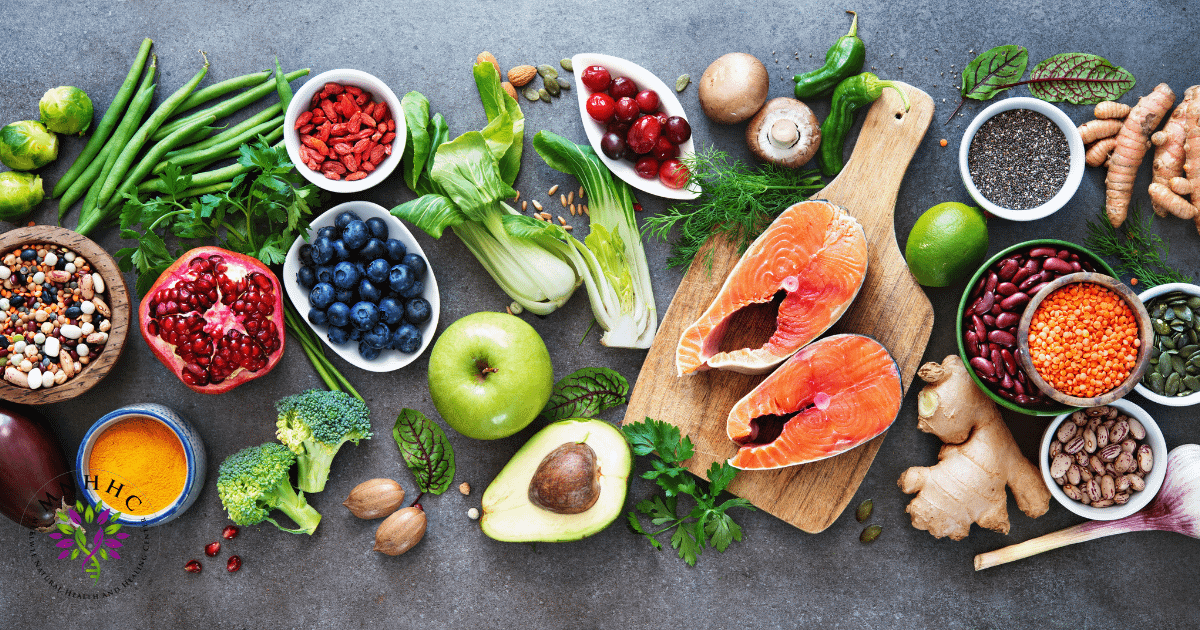
Ever wonder why you feel bloated, exhausted, or achy after certain meals? These could be your body’s...
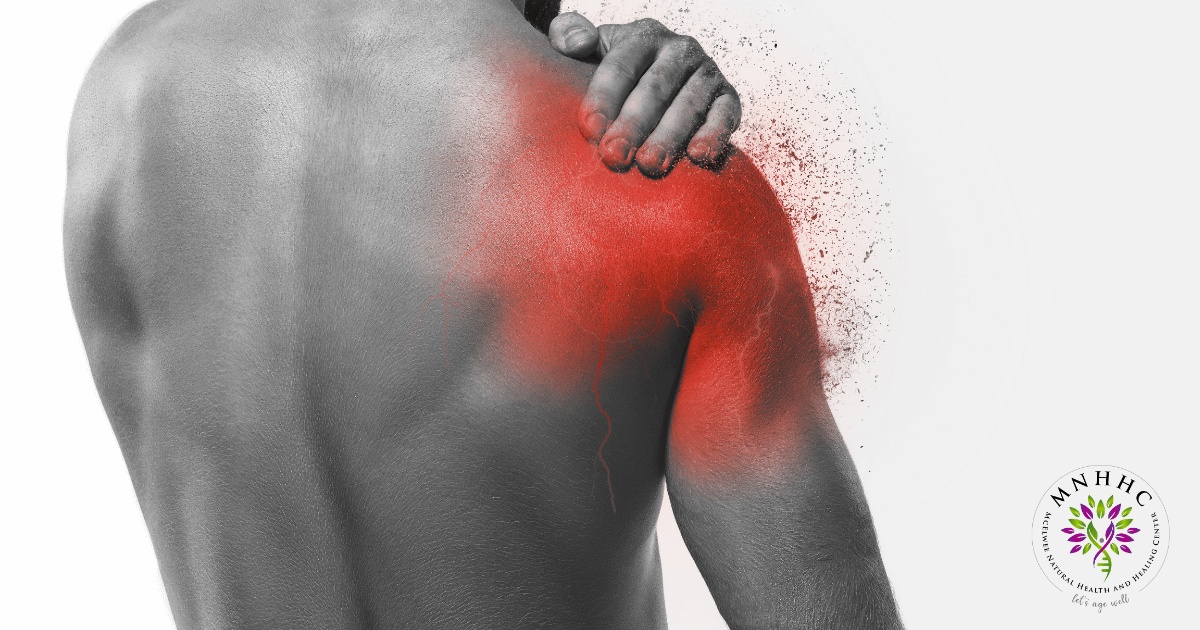
Frozen shoulder, medically known as adhesive capsulitis, is a debilitating condition characterized b...

As summer heats up in Maryland, the fields are bursting with vibrant, local produce that can nourish...

At McElwee Natural Health and Healing Center, we believe in empowering you to take charge of your we...

On May 27, 2025, U.S. Health and Human Services Secretary Robert F. Kennedy Jr. unveiled a groundbre...

Seasonal allergies plague many Maryland residents, with Harford County’s high pollen counts making s...

At McElwee Natural Health and Healing Center, we’ve long championed the power of natural, whole food...

When it comes to cooking, the tools you use are just as important as the ingredients you select. Coo...

This year we have seen a resurgence of measles, a highly contagious viral disease. Before the introd...

If you’re passionate about whole, natural foods and your health, genetically modified organisms (GMO...

We were thrilled to learn of Robert F. Kennedy Jr.’s confirmation as the new Secretary of Health and...

When your child is running a fever, it can be a worrying time for any parent. The decision of whethe...

Red Dye #3, or Erythrosine, is a synthetic red coloring used in various food and cosmetic products....

The “Make America Healthy Again” (MAHA) movement emerges at a crucial time when the Unit...

The holidays are a time of coming together to get caught up in the lives of loved ones, share fond m...

The thyroid gland, a small but crucial butterfly-shaped organ in the neck, regulates a myriad of bod...

Maintaining good health relies on essential vitamins and minerals like vitamin C, calcium, and iron....
When we think about the essential nutrients contributing to our overall health, our minds often grav...
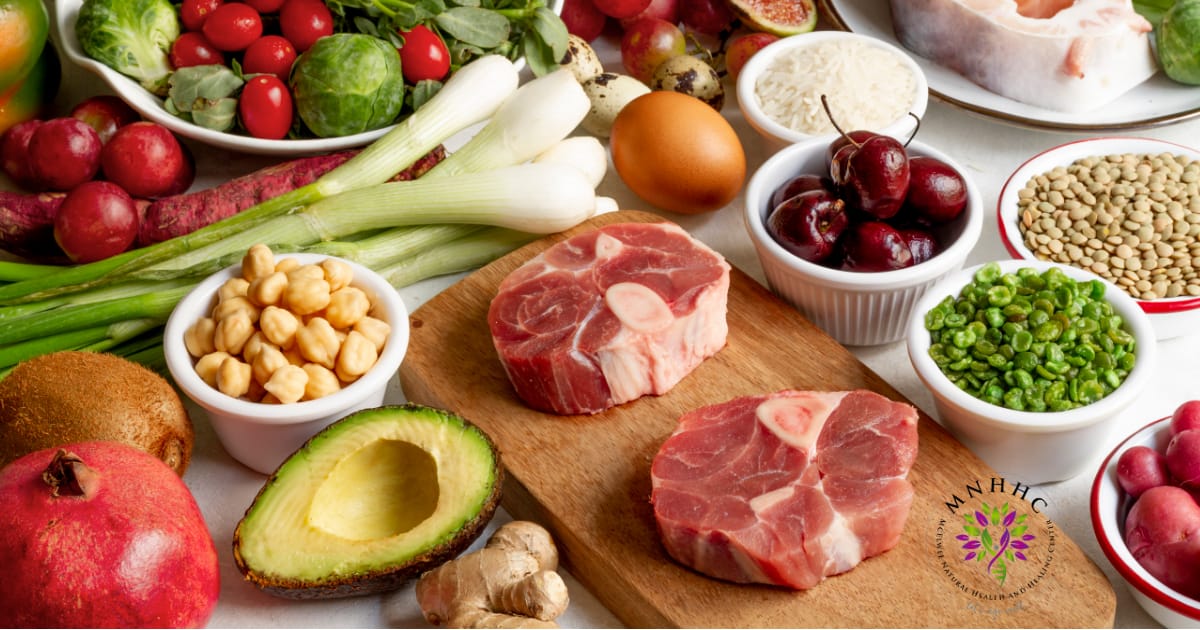
When we think about essential nutrients for our bodies, we often focus on vitamins and minerals like...
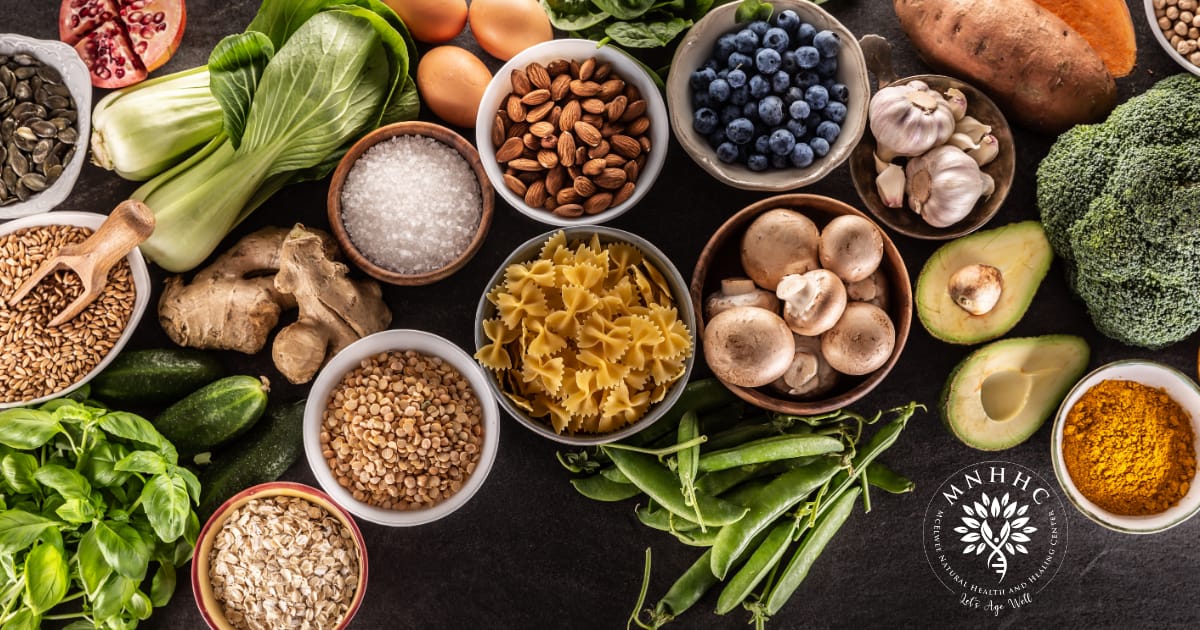
When it comes to essential minerals for our health, manganese often takes a backseat to more popular...
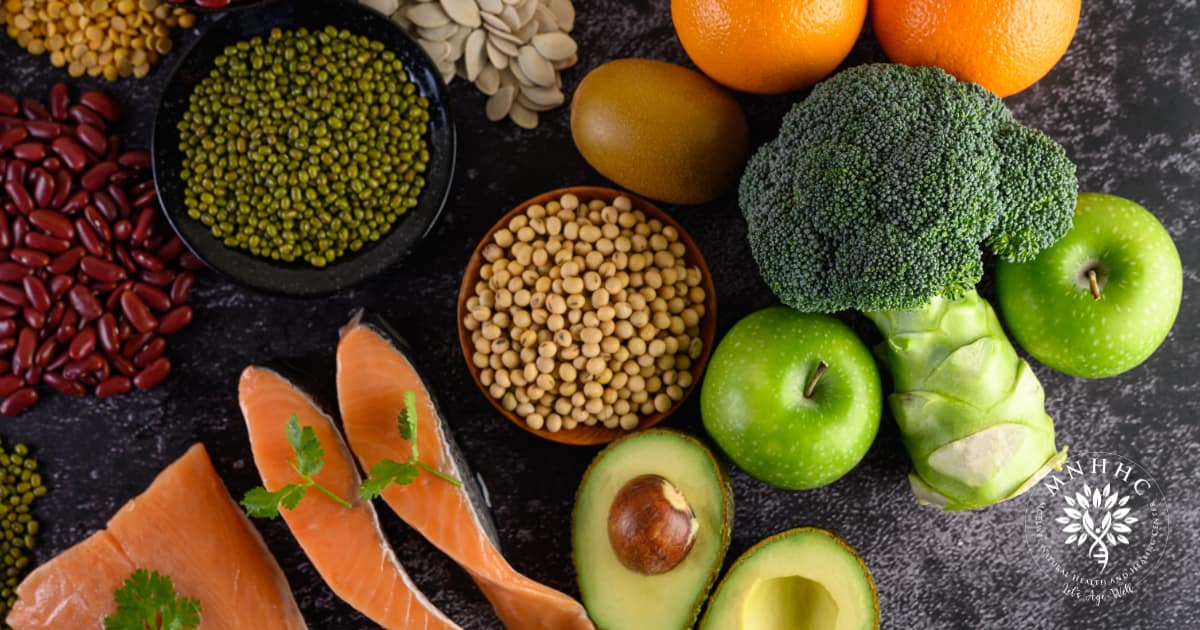
Zinc is a mineral that is crucial in maintaining overall health and well-being. While often overlook...
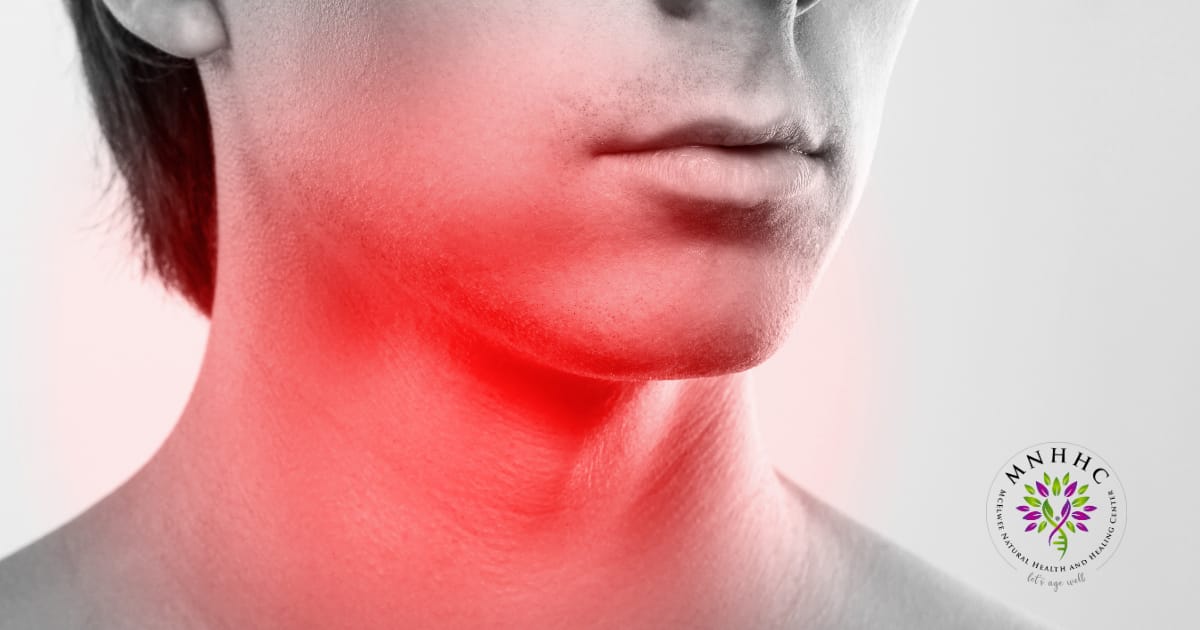
Many people overlook the importance of iodine in their diet when it comes to maintaining optimal hea...

Understanding the role of sodium in our bodies is crucial to maintaining optimal health. Sodium play...

When we think about essential nutrients for our body, we often hear about the importance of vitamins...
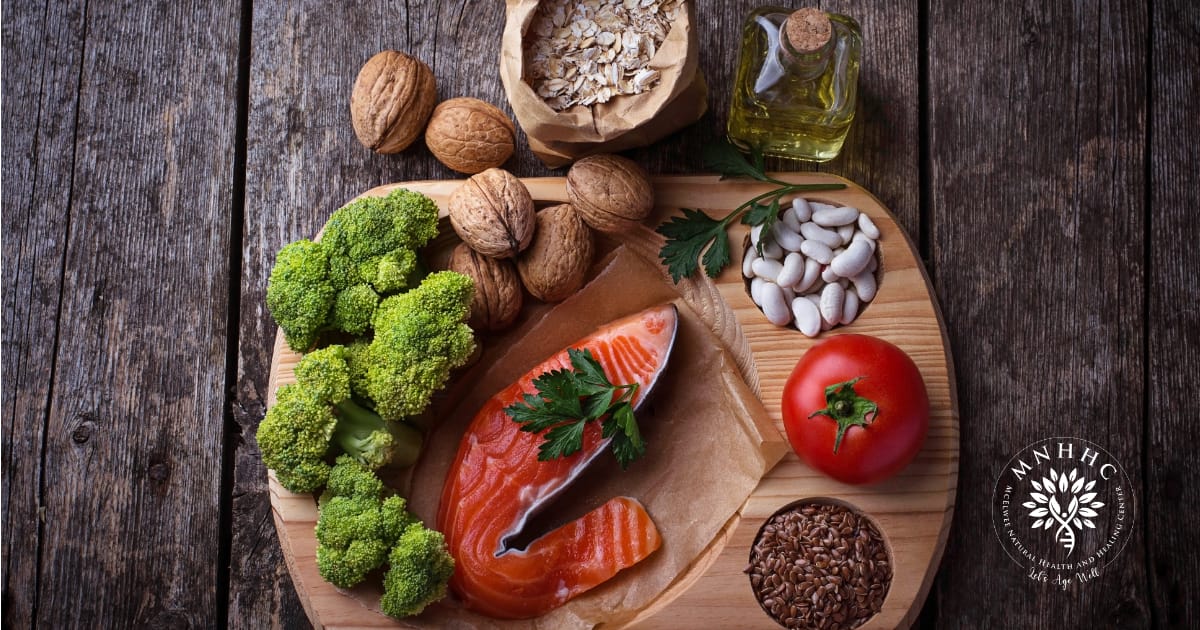
From energy production to cell growth, phosphorus is a vital mineral that is crucial for various fun...
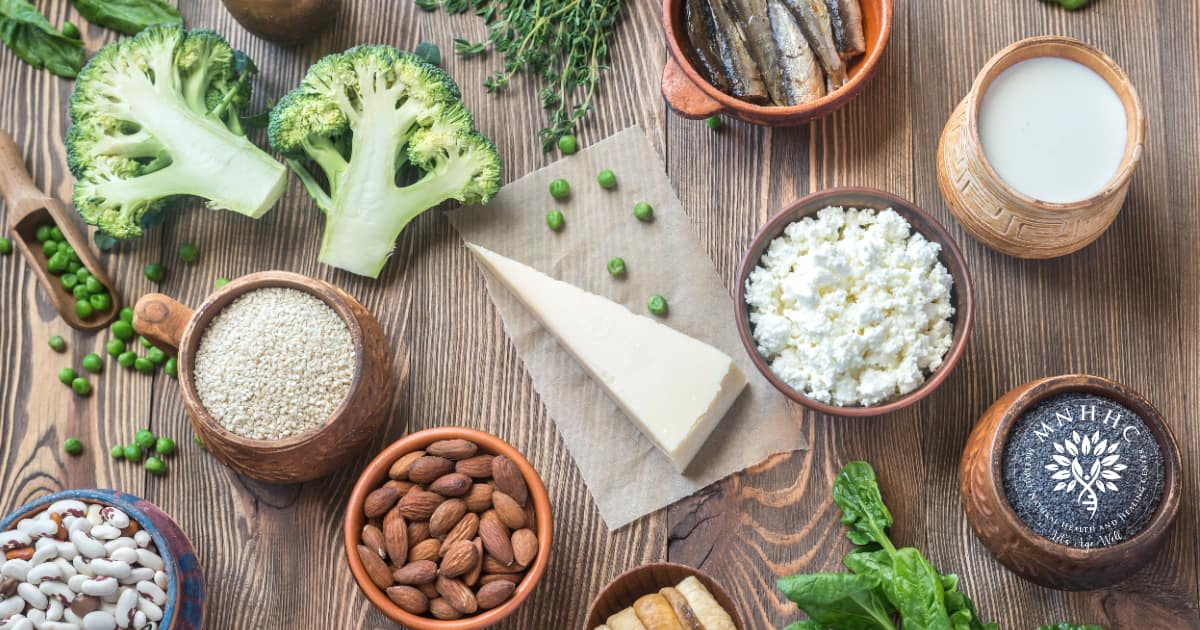
Calcium is an essential mineral that plays a vital role in various body functions. From strong bones...
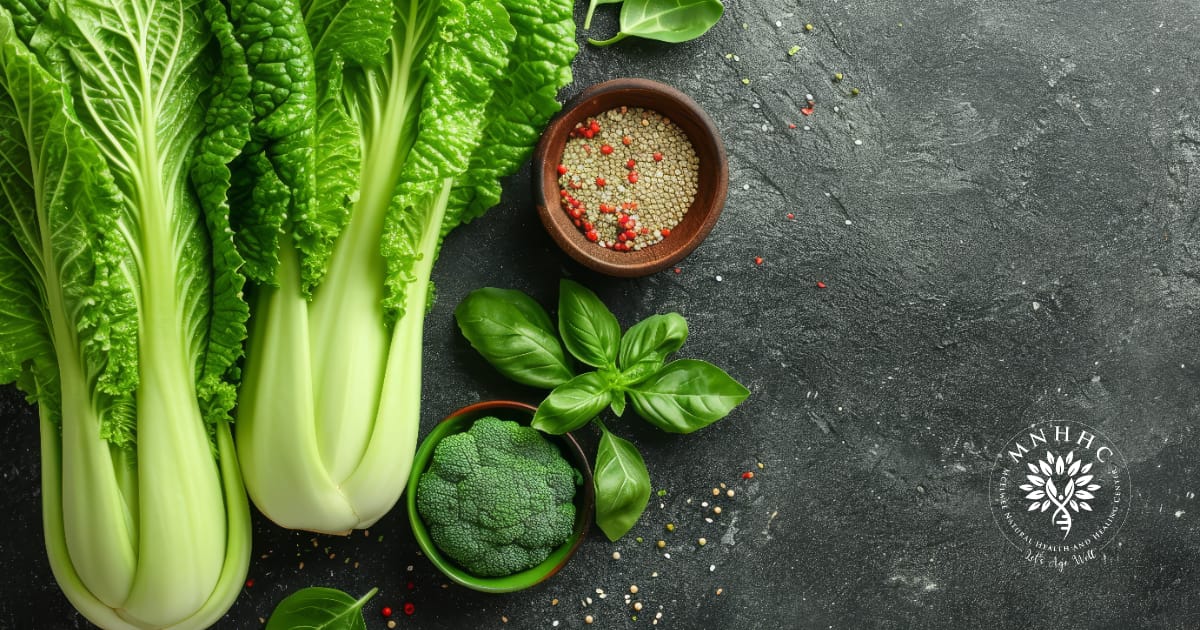
When it comes to maintaining good health, most people are familiar with the importance of vitamins l...
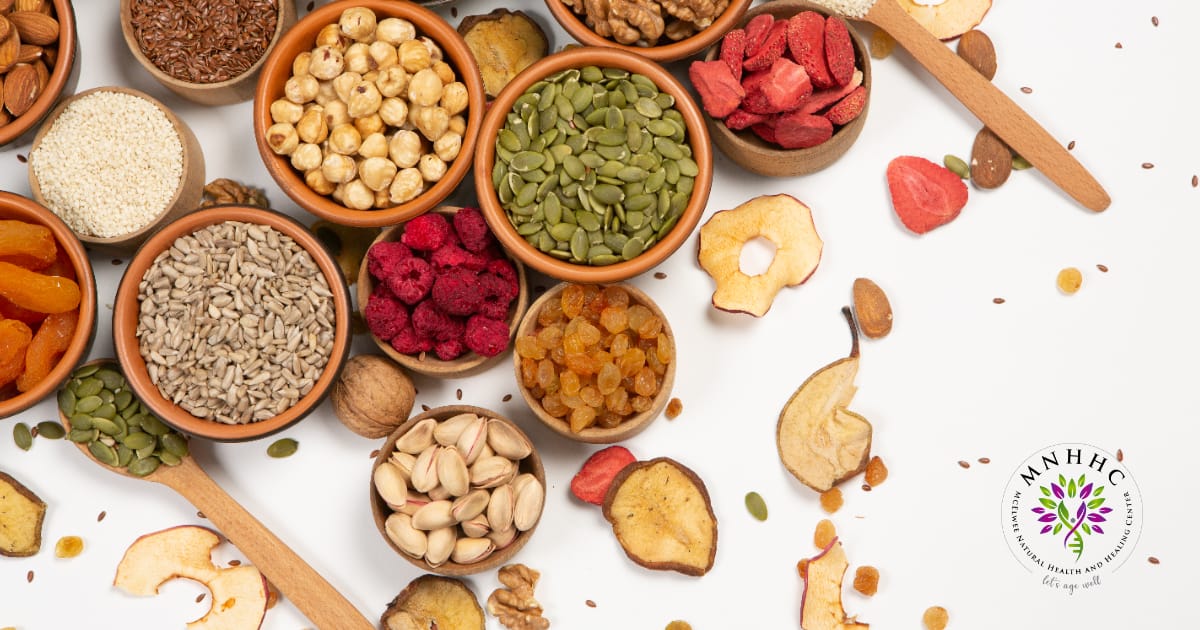
Many of us are familiar with the many essential vitamins in our diet. Still, one that often gets ove...

Have you ever noticed how a sunny day can instantly boost your mood? Well, that’s not just a c...

Vitamin C stands out as the go to vitamin for maintaining optimal healt. This essential vitamin, als...
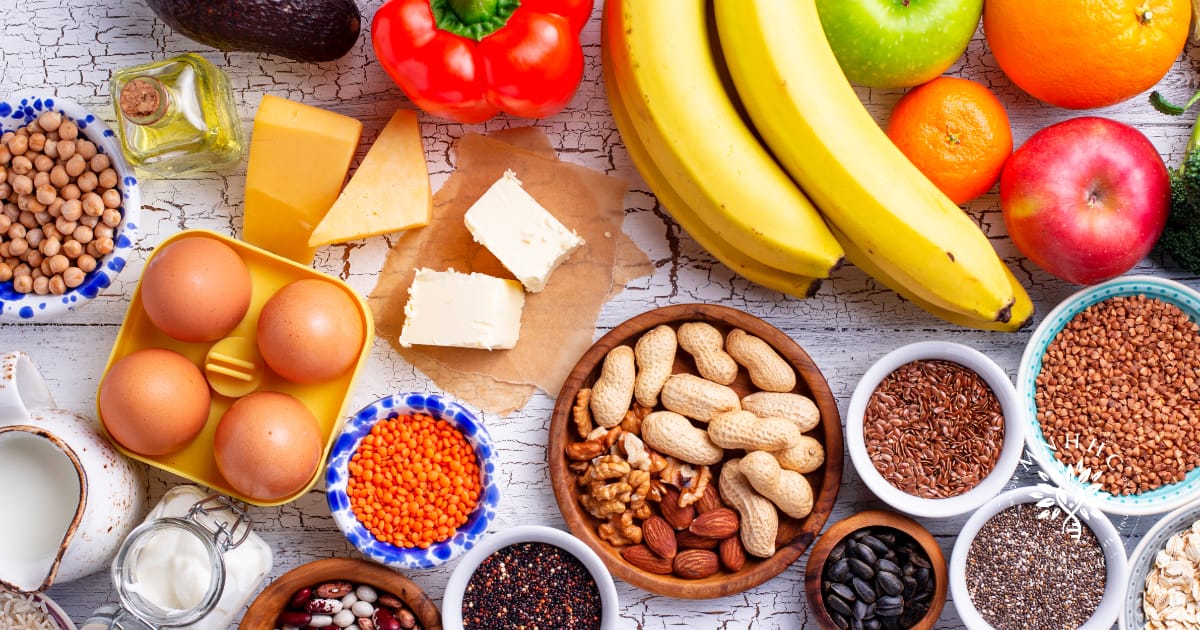
B vitamins play a crucial role in maintaining optimal health. These essential nutrients are water-so...

Vitamin A is an essential vitamin that is vital for various bodily functions. We often hear about th...
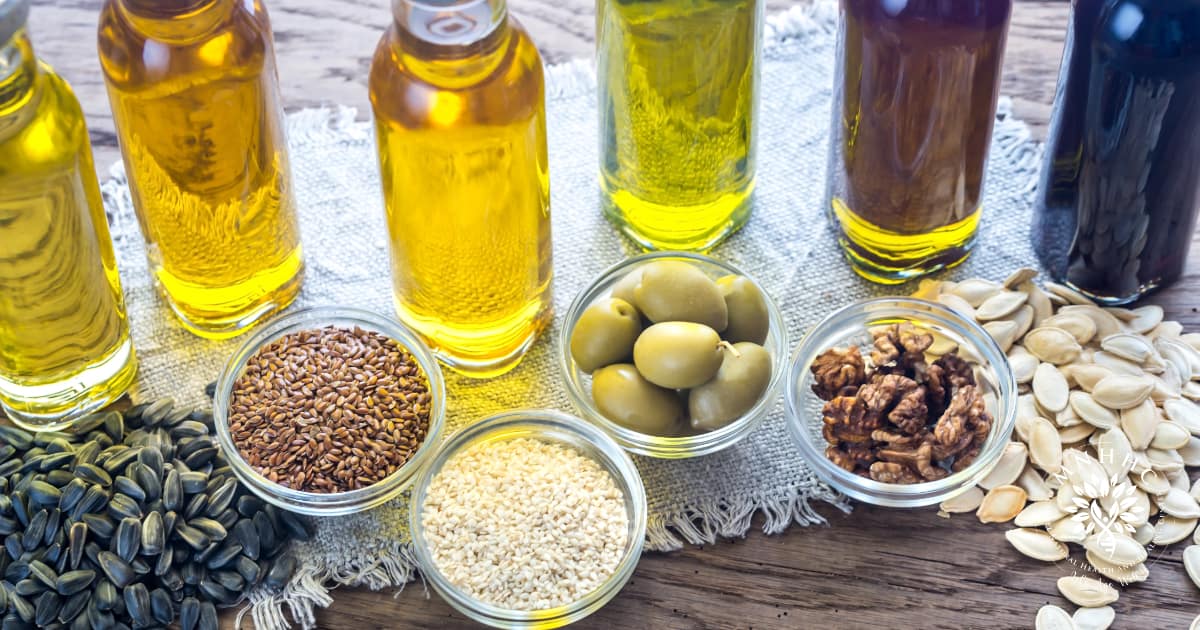
In today’s health-conscious world, many people are becoming more aware of the impact of their...

Imagine biting into a juicy, ripe tomato only to find that it lacks vibrant flavor and essential nut...

When you pick up a packaged food item from the grocery store shelf, chances are you’ll see the term...

Houseplants are not only a beautiful addition to your home decor, but they also offer numerous healt...

Feeling tired all the time is a common complaint among many people today. It can be a frustrating an...

Our bodies are constantly bombarded with toxins from the environment, food, and even the products we...

As our Dads age, it becomes increasingly important to prioritize their health and well-being. From e...

As a holistic health practice, McElwee Natural Health and Healing is dedicated to enhancing overall...

Electromagnetic fields (EMFs) are invisible lines of force that surround electronic devices and powe...

Are you seeking a natural method to enhance your overall wellness? Discover the PEMF mat at McElwee...
At McElwee Natural Health and Healing, we believe proper health is about more than just the absence...

Imagine stepping outside your home on a bright morning, the birds chirping, the sun shining, and the...

In today’s fast-paced world, women face many challenges that can impact their health and well-being. From menstruation to childbearing and menopause, the female body undergoes significant hormonal changes throughout a woman’s life. These changes can often lead to various health issues, such as irregular periods, fertility problems, and mood swings. However, nutrition is one powerful tool that can support women’s health and help address these issues.
At McElwee Natural Health and Healing Center, we understand the importance of nutrition in maintaining hormonal balance and overall well-being in women of all ages. Our holistic approach focuses on identifying and addressing the root causes of health issues rather than simply treating symptoms. Today, we will explore the role of nutrition in supporting healthy and hormonally balanced women and how our center can help women achieve optimal health through personalized nutrition plans.
So, let’s dive into the fascinating world of nutrition and its impact on women’s health!
Menstruation is an essential part of a woman’s reproductive cycle. However, many women experience uncomfortable symptoms during their periods, such as bloating, cramps, and mood swings. These symptoms are exacerbated by hormone imbalances, particularly estrogen and progesterone.
Fortunately, nutrition plays a crucial role in supporting healthy menstruation. Women can alleviate menstrual symptoms and support hormonal balance by consuming a diet rich in essential nutrients. For example, foods high in omega-3 fatty acids, such as salmon and flaxseeds, have been shown to reduce inflammation and relieve menstrual pain. Additionally, incorporating iron-rich foods, such as leafy greens and lean meats, can help combat the fatigue and low energy levels often experienced during menstruation.
At McElwee Natural Health and Healing Center, we work closely with women to help them create meal plans that promote hormonal balance, alleviate menstrual symptoms, and identify which foods your body may have difficulty digesting.
We also offer whole-food supplements as additional support. Some options include:
By focusing on nutrient-dense foods that your body can digest, avoiding processed and inflammatory foods, and adding support where needed, women can experience more comfortable and regular menstrual cycles.
When it comes to childbearing, proper nutrition is vital for both the mother and the developing baby. During pregnancy, a woman’s body undergoes significant changes, including increased blood volume, hormonal fluctuations, and energy needs. Women must prioritize their nutritional intake to support a healthy pregnancy and ensure optimal fetal development.
A well-balanced diet rich in essential nutrients, such as folate, iron, calcium, and omega-3 fatty acids, is crucial during pregnancy. These nutrients support the development of the baby’s brain, bones, and immune system. Additionally, adequate protein intake is essential for the growth and repair of maternal and fetal tissues.
We work closely with expectant mothers at McElwee Natural Health and Healing Center to develop tailored nutrition plans that meet their unique needs. By focusing on nutrient-dense whole foods, we help women optimize their nutrient intake and support a healthy pregnancy. We also provide guidance when selecting supplements, as certain nutrients may be challenging to obtain solely through diet. Our whole-food supplements do not contain synthetics and are easier to digest, especially if you have imbalances. Some options include:
Another stage in women’s health that needs support is menopause. This stage marks the end of a woman’s reproductive years. During this transition, hormonal fluctuations can lead to a wide range of symptoms, including hot flashes, night sweats, mood swings, and weight gain. While menopause is a normal process, the symptoms can significantly impact a woman’s quality of life.
Nutrition plays a crucial role in managing menopausal symptoms and supporting overall well-being. Certain foods, such as soy products and flaxseeds, contain phytoestrogens that can help alleviate hot flashes and support hormonal balance. Additionally, increasing calcium and vitamin D intake is essential for maintaining bone health, as women are at an increased risk of osteoporosis during and after menopause.
At McElwee Natural Health and Healing Center, we understand women’s unique challenges during menopause. We work closely with menopausal women to develop personalized nutrition plans that address their specific symptoms and support hormonal balance. We also work with you to identify if you have any food stressors, such as soy, and offer alternatives if needed. In cases where additional support is required, some whole-food supplements include:
By incorporating nutrient-dense foods and implementing lifestyle modifications, women can navigate this transitional phase with greater ease and optimal health.
Nutrition plays a fundamental role in supporting healthy and hormonally balanced women at every stage of life. From menstruation to childbearing to menopause, a well-balanced diet rich in essential nutrients can alleviate symptoms, support hormonal balance, and optimize overall well-being.
No matter what reproductive stage you are in, McElwee Natural Health and Healing Center in Churchville offers support for bone health, stress management, missing enzymes, vitamins and minerals, and digestive and immune health. We are dedicated to helping women achieve optimal health by addressing the root causes of their health issues. Through personalized nutrition plans, we empower women to take control of their health and embrace a balanced and vibrant life.
If you’re ready to embark on a journey towards hormonal balance and overall well-being, contact us today. Our team is here to support and guide you every step of the way!

Have you ever wondered why fats are an essential part of our diet? Despite their notorious reputation, they are crucial to our overall health and well-being. In the last of our series on macronutrients, we will delve into the world of dietary fats. We will explore the importance of healthy fats and discuss the risks associated with not consuming enough. We will also talk about the dangers of consuming too many unhealthy fats while discussing natural supplements and holistic solutions for individuals who struggle to process or digest fats effectively. So, let’s dive in and uncover the truth behind fats and their impact on our bodies.
Fats are often misunderstood and wrongly associated with weight gain and health issues. However, healthy fats are essential to a balanced diet and are vital for our body’s proper functioning. One of the primary benefits of healthy fats is that they provide a concentrated energy source, supplying our bodies with the fuel they need to perform various tasks throughout the day.
Furthermore, healthy fats are crucial for absorbing fat-soluble vitamins, such as A, D, E, and K. These vitamins play a vital role in maintaining healthy skin, regulating hormones, supporting bone health, and boosting our immune system.
Additionally, healthy fats help promote optimal brain function by providing the building blocks for brain cells and facilitating communication between our neurons. Consuming a diet rich in healthy fats has also been associated with improved cognitive function and a reduced risk of neurodegenerative diseases, such as Alzheimer’s.
It is essential to distinguish between healthy and unhealthy fats to make informed dietary choices. Healthy fats, such as monounsaturated and polyunsaturated fats, benefit our bodies and should be included in our diet. These fats can be found in avocados, olive oil, nuts, and seeds. They have been associated with various health benefits, including improved heart health, reduced inflammation, and enhanced brain function.
On the other hand, unhealthy fats should be limited or avoided altogether. Trans fats can be found in processed snacks, baked goods, and fast food, while saturated fats are commonly found in fatty meats, full-fat dairy products, and certain oils like coconut oil. By reducing the intake of unhealthy fats, we can significantly reduce the risk of developing chronic diseases and improve our overall well-being.
Understanding the difference between healthy and unhealthy fats empowers us to make conscious food choices, allowing us to prioritize our health and longevity.
Not all fats are created equal. Not consuming healthy fats or avoiding them altogether can harm our bodies. One of the risks of not getting enough healthy fats is nutrient deficiency. As mentioned earlier, fat-soluble vitamins require fats for absorption. Our bodies may struggle to absorb these essential vitamins without adequate intake, leading to deficiencies and associated health problems.
Additionally, a lack of healthy fats in our diet can hinder our body’s ability to regulate inflammation. Omega-3 fatty acids, found in fatty fish like salmon, walnuts, and flaxseeds, are known for their anti-inflammatory properties. Without these essential fats, our bodies may experience chronic inflammation, contributing to the development of various chronic diseases, including heart disease, diabetes, and certain cancers.
Moreover, insufficient fat intake can negatively impact hormone production and regulation. Hormones play a crucial role in our bodies, affecting everything from our metabolism and energy levels to our mood and reproductive health. Without enough healthy fats, our bodies may struggle to produce and balance hormones, leading to imbalances and potential health issues.
It is equally important to be aware of the risks associated with consuming too many unhealthy fats. Unhealthy fats, such as trans fats and saturated fats, have been linked to numerous health problems, including heart disease, high cholesterol levels, and obesity.
Trans fats, commonly found in processed and fried foods, are particularly harmful. They raise bad cholesterol levels (LDL) and lower good cholesterol levels (HDL), increasing the risk of cardiovascular diseases. The consumption of trans fats should be minimized as much as possible to maintain a healthy heart and overall well-being.
Saturated fats, commonly found in animal products like red meat, full-fat dairy, and butter, should also be consumed in moderation. While small amounts are not necessarily detrimental to our health, excessive intake can raise cholesterol levels and increase the risk of heart disease in some people. Opting for a larger portion of lean protein sources and reducing the consumption of saturated fats can help maintain a healthy cardiovascular system.
While most individuals can process and digest fats without any issues, some may have difficulty due to certain health conditions or genetic factors. However, natural supplements and holistic solutions are available to help aid digestion for those who need additional support.
One natural supplement that can aid in digestion is digestive enzymes. These enzymes, such as GB support, Digest Pan, Choline Complex, Enzycore, and Simply Pancreas can help break down dietary fats, making them more accessible for the body to absorb. Digestive enzyme supplements can be taken before meals to support digestion and alleviate discomfort.
In addition to supplements, certain holistic solutions can promote better digestion. For example, incorporating bitter herbs and foods, such as dandelion greens or artichokes, into your diet can stimulate bile production, which aids in the digestion and absorption of fats. Including probiotic-rich foods like yogurt and fermented vegetables can also support gut health and improve overall digestion.
Fats are not the enemy they are often made out to be. They are essential for our bodies to function optimally and maintain overall well-being. By understanding the importance of healthy fats and the risks associated with insufficient or excessive fat intake, we can make informed dietary choices to support our health. If you are struggling with digestive issues, call McElwee Natural Health and Healing Center today! We can help isolate the root cause and offer support to bring your body into balance.
Learn more about the other macronutrients:
Why Proteins are Essential and How They Affect Your Health
Thriving on Carbs: The Gluten-Free Guide to Harnessing the Power of Good Carbohydrates

There are three essential nutrients that our bodies require to function correctly. Known as macronutrients collectively, carbohydrates, proteins, and fats are the primary energy sources to support growth, development, and overall health.
Fats, also known as lipids, are an essential macronutrient. They provide energy, support cell growth, and help absorb specific vitamins. Fats are found in animal and plant-based foods, such as meat, butter, oils, avocados, nuts, and seeds. It is vital to consume healthy fats in moderation and avoid excessive intake of saturated and trans fats, which can increase the risk of heart disease.
Carbohydrates are our body’s primary source of energy. Our cells use the glucose from carbohydrates for energy. Learn more about carbohydrates and how to ensure adequate intake if on a gluten-free diet in our recent blog.
Today, we will focus our attention on proteins. Proteins play a vital role in our overall health and well-being. Join us as we delve into the world of proteins, exploring their importance, sources, and the benefits they provide. Whether you are a meat lover, vegetarian, or vegan, plenty of options are available to ensure you meet your protein requirements. Additionally, we will discuss natural supplements that can be helpful for individuals who have difficulty digesting proteins. So, let’s dive in and learn more about the power of proteins!
Proteins are referred to as the “building blocks” of life, and for good reason. Proteins are essential in the growth and repair of tissues. When you think of proteins, you might envision bulging muscles, but their importance goes far beyond bulking up. Proteins are involved in numerous biological processes, such as enzyme production, hormone regulation, and transportation of substances within the body.
Furthermore, proteins play a vital role in supporting immune function. Proteins produced by our immune system, called antibodies, help fight off infections and protect us from diseases. Without an adequate intake of proteins, our immune system may become compromised, leaving us more susceptible to illnesses.
In addition to their structural and immune-related functions, proteins are a source of energy. While carbohydrates are the body’s primary fuel source, proteins are broken down and converted into glucose. This can be particularly important during periods of prolonged fasting or when carbohydrate intake is limited.
The risks of not eating proteins can have significant negative impacts on overall health. One of the main risks of not consuming enough proteins is the potential for inadequate muscle growth and repair. Proteins are the building blocks of muscles, and without adequate intake, the body may struggle to build and maintain muscle mass. This can lead to muscle weakness, fatigue, and increased risk of injuries.
Another risk is the impaired functioning of the immune system. Proteins produce antibodies, which are crucial for fighting off infections and diseases. Without enough proteins, the immune system may weaken, making individuals more susceptible to illnesses and taking longer to recover.
Proteins are also involved in the production and synthesis of various hormones, including neurotransmitters that regulate mood and emotions. When these hormones are imbalanced, people experience swings, irritability, and even mental health disorders.
Furthermore, not eating enough proteins can affect overall satiety and appetite control. Proteins are known to be more filling than carbohydrates or fats, and a lack of protein in the diet may result in increased hunger and cravings. This can lead to overeating, weight gain, and a higher risk of developing obesity and related health conditions.
Other risks of inadequate protein consumption include:
It is essential to ensure a balanced diet with sufficient protein sources to support optimal bodily functions and maintain good health.
Whether you follow a meat-based, vegetarian, or vegan diet, plenty of options are available to meet your protein needs.
For those who consume animal products, lean meats such as chicken, turkey, and fish are excellent sources of high-quality protein. Lean meats also provide essential nutrients like iron and vitamin B12. Including these lean meats in your diet can help promote muscle growth and repair.
If you follow a vegetarian diet, there are several plant-based protein sources. Legumes, such as lentils, chickpeas, and black beans, are rich in fiber, which aids in digestion and makes you feel full.
Vegans, who avoid all animal products, can also meet their protein needs through plant-based sources. Quinoa, a grain-like seed, is a complete protein containing all essential amino acids. Other vegan protein sources include chia seeds, hemp seeds, and nutritional yeast. These options provide a wide range of essential nutrients while ensuring an adequate protein intake.
Today, several popular high-protein diets have gained traction among individuals looking to improve their overall health or achieve specific fitness goals.
One such diet is the ketogenic diet, which focuses on consuming many healthy fats, moderate in protein, and very low in carbohydrates. This approach puts the body into ketosis, burning fat for fuel instead of carbohydrates. Some foods commonly consumed on a ketogenic diet include fatty cuts of meat, fish, avocados, eggs, nuts, and seeds.
Another popular high-protein diet is the paleo diet. The Paleo diet emphasizes foods available to early humans during the Paleolithic era, such as lean meats, seafood, fruits, vegetables, nuts, and seeds. The paleo diet restricts the consumption of grains, legumes, dairy products, and processed foods.
The Atkins diet is another well-known high-protein diet that gained popularity in the early 2000s. It focuses on consuming a low amount of carbohydrates and a high amount of protein. The Atkins diet has different phases, starting with restricting carbohydrates and gradually reintroducing them in controlled amounts. This diet encourages the consumption of protein-rich foods like meat, poultry, fish, eggs, and cheese.
One more high-protein diet worth mentioning is the Dukan diet. This diet consists of four phases, with the first being the most restrictive. It focuses on lean protein sources like poultry, fish, and tofu while gradually introducing vegetables and whole grains in later phases.
Today’s popular high-protein diets provide individuals with different approaches to increasing their protein intake and potentially aid in weight loss, muscle building, or overall health improvement.
The risks of high protein intake can be significant, especially if consumed in excess or without considering other dietary factors. While protein is essential for various bodily functions, including muscle repair and hormone production, excessive consumption can lead to several health issues.
While protein is an essential nutrient, it is crucial to balance the amount of protein consumed with fats and carbohydrates for overall well-being.
For various reasons, some people have difficulty digesting protein. One common issue is lactose intolerance, which is the inability to digest lactose, a sugar in milk and dairy products. This condition occurs when the body does not produce enough lactase, the enzyme responsible for breaking down lactose. As a result, consuming proteins from dairy sources can lead to digestive problems such as bloating, gas, and diarrhea.
Another common issue is an autoimmune disorder called celiac disease. People with Celiac disease have an immune reaction to the gluten in wheat, barley, and rye, which can make it difficult to absorb nutrients such as protein. This leads to abdominal pain, diarrhea, and weight loss.
Additionally, some individuals may have an allergic reaction to specific proteins. Food allergies occur when the immune system mistakenly identifies a protein as harmful. For instance, peanut allergies are relatively common and can cause severe reactions when the body comes into contact with proteins found in peanuts. Symptoms can range from mild itching and hives to life-threatening anaphylaxis.
Problems digesting proteins can arise from lactose intolerance, celiac disease, or food allergies. These are only some common reasons why people are unable to digest proteins. Other underlying health issues and digestive disorders can lead to protein intolerance. However, sometimes the problem is quite simple. Many people lack the digestive enzymes needed to digest protein.
Digestive enzymes are essential proteins that help break down food into smaller molecules to facilitate proper digestion and absorption of nutrients.
When we say “we are missing digestive enzymes,” it means that our body is not producing enough or any of these enzymes, which can lead to various digestive issues and nutrient deficiencies.
There are several reasons why someone may be missing digestive enzymes:
Identifying the underlying cause of missing digestive enzymes is important to address the issue appropriately. Treatment options may include dietary changes, enzyme replacement therapy, managing underlying conditions, or addressing food sensitivities or intolerances.
Fortunately, there are natural supplements available that can aid in protein digestion and absorption. At McElwee Natural Health and Healing Center, we isolate the root cause of your digestive issues. Taking non-invasive steps can help you enjoy protein again.
We suggest adding probiotics to your diet. These beneficial microorganisms help maintain a healthy gut environment and optimize digestion. Incorporating probiotic-rich foods like yogurt, kefir, and sauerkraut into your diet can promote protein absorption and digestion.
In addition to probiotics, some people have found consuming pineapple or papaya can help improve protein digestion. Pineapples break down complex protein molecules into smaller, more easily digestible fragments, and papaya breaks down proteins into smaller peptides and amino acids.
We offer a range of whole-food supplements to replace missing enzymes and aid protein digestion. Multizyme and D Digest are some popular ones amongst our members. But remember, everyone is different. Call us today for an evaluation so we can identify your root cause and find the right supplement for you.

Carbohydrates are good for you. We’re not talking about Twinkies. We’re talking about the carbs that come from fruits and vegetables. From whole grains to legumes, Carbohydrates fuel our bodies and feed our brains. They aid in digestion and regulate our mood. Carbs are a vital macronutrient, so they should not be ignored.
Macronutrients consist of three primary nutrients: carbohydrates, proteins, and fats. These three nutrients are the essential nutrients that our body needs in large quantities to function correctly.
Today, we will focus on carbohydrates and explore their importance in our diet, some familiar sources of carbohydrates, and alternative ways to get carbohydrates if you are gluten intolerant.
We find carbohydrates in bread, pasta, fruits, vegetables, and grains. (All the good stuff!) Carbohydrates are made up of sugars, starches, and fibers.
Simple carbohydrates are easy to digest. They are mostly found in baked goods, sodas, candy, and fruit juices. Simple carbohydrates break down quickly, spiking your blood sugar and giving you an immediate jolt of energy. But that jolt doesn’t last long, and the crash is sometimes worse than before. Consuming simple carbohydrates doesn’t tend to have as much nutritional value as complex carbohydrates.
Complex carbohydrates are considered “good carbs” because they take longer to digest. Instead, they provide a gradual increase in blood sugar that sticks around for a longer period of time.
Some examples of nutritious complex carbs include brown rice, wild rice, oatmeal, whole-grain barley, quinoa, buckwheat, and starchy veggies like potatoes, sweet potatoes, and corn. Pasta and bread are also complex carbohydrates. When choosing, look for whole grain varieties for the most nutritional value possible.
Carbohydrates are the primary source of energy for the body. Once consumed, carbohydrates are broken down into glucose, which is then used by the body as energy and fuel for the brain.
Carbohydrates also play an essential role in digestion. Fiber, a type of carbohydrate, helps to promote healthy bowel movements and can also help to lower cholesterol levels.
Additionally, carbohydrates can impact our mood and cognitive function. Consuming carbohydrates can increase the production of the neurotransmitter serotonin, which can help to improve mood and reduce anxiety.
Not all carbohydrates contain gluten, but every product that contains gluten is a carbohydrate. Wheat, barley, and rye all contain gluten. Suppose you have bouts of abdominal pain, bloating or gas, nausea, diarrhea, constipation, headache, or brain fog after consuming wheat, barley, or rye. In that case, you may be gluten intolerant or have celiac disease.
It’s important to remember that these digestive issues may not be due to gluten at all. Some people have a problem processing the sugar from the breakdown of carbohydrates. Others may only have an issue with wheat. Contact the center for a full screening to identify the source of your symptoms.
But if you are sensitive to gluten, it’s important to find alternative sources of carbohydrates to ensure that you’re getting the nutrients your body needs to stay healthy and energized.
Quinoa is a gluten-free grain high in carbohydrates, fiber, and protein. It’s a good source of iron, magnesium, and potassium. Quinoa is versatile and can be used in various dishes, including salads and stir-fries, as a substitute for rice.
Sweet potatoes are a great source of carbohydrates, fiber, and vitamins and minerals, including vitamins A, C, and potassium. They’re also a good source of antioxidants, which can help to reduce inflammation in the body. Sweet potatoes can be baked, boiled, mashed, or roasted and can be used in soups, stews, and casseroles.
Legumes, such as lentils, chickpeas, and black beans, are a great source of carbohydrates, fiber, and protein. They’re also a good source of several vitamins and minerals, including folate, iron, and magnesium. Legumes can be used in salads, soups, and stews.
Buckwheat is a gluten-free grain that is high in carbohydrates and fiber. It’s also a good source of several vitamins and minerals, including magnesium, potassium, and zinc. Buckwheat can be used in a variety of dishes, including porridge pancakes, and as a substitute for rice.
If buckwheat isn’t your thing, you can include several gluten-free grains into a gluten-free diet. Options include rice, corn, millet, sorghum, amaranth, gluten-free oats, wild rice, teff, and chia seeds. It’s important to read labels carefully, as some packaged foods may contain gluten or be contaminated with gluten during processing.
Fruits and vegetables are a great source of carbohydrates, fiber, and vitamins and minerals. They’re also a good source of antioxidants, which can help to reduce inflammation in the body. Some good options include bananas, apples, oranges, broccoli, and spinach.
If you’re looking for crunchy gluten-free alternatives to replace your favorite snacks (or be a vessel for your hummus), here are some options you can consider:
Remember, always check the label of packaged snacks to ensure they are gluten-free, as some may contain gluten or be produced in facilities that also process gluten-containing foods.
Gluten-packed foods like breads, pasta, and snack foods are a no-brainer to avoid. But manufacturers put wheat in everything. Some surprising homes for wheat include soups, granola, sauces, salad dressings, and beer.
These days, you can find a variety of packaged options for gluten-free breads, pastas, soups, and even beer. Keep in mind that some packaged foods may be labeled as “gluten-free” but may still contain trace amounts of gluten due to cross-contamination during processing. If you have a severe gluten intolerance or celiac disease, choosing certified gluten-free products or making your own food from scratch using gluten-free ingredients is important.
This gluten-free sandwich bread is a great substitute. Remember that gluten gives bread that soft, springy texture that we have yet to find a replacement for. If you have, please let us know!
If you can adequately keep your carbohydrate intake at healthy levels while going gluten-free, the benefits depend on your individual situation. Avoiding gluten is essential for individuals with celiac disease or non-celiac gluten sensitivity to prevent symptoms and damage to the small intestine. However, for individuals without gluten intolerance or sensitivity, no evidence suggests that a gluten-free diet provides significant health benefits. That being said, some people who go gluten-free report feeling better and experiencing less digestive discomfort.
Some potential benefits of a gluten-free diet may include:
It’s important to note that this may be due to a variety of factors, such as reducing processed and refined foods, increasing fiber intake, or avoiding specific allergies or intolerances. Also, make sure that a gluten-free diet is nutritionally balanced and includes a variety of whole foods to meet nutrient needs.
If you’d like to pinpoint the source of your digestive issues, call us for a screening!

No matter where it comes from, pain is very limiting. Pain often keeps us homebound and restricts us from living our lives to their fullest. Frequently pain becomes chronic and resistant to medications. Chronic pain leads to further health issues such as fatigue, insomnia, depression, or anxiety. Pain can reduce mobility and limit the body’s normal function. Over time, this creates stiffness and spasms as well as poor posture and an imbalances within the body.
Sometimes the root cause of pain is due to tight, inflamed, or injured fascia. An impaired fascia may interfere with the affected area’s normal blood flow, nerve function, lymphatic drainage, or organ function. This may result in various disorders or dysfunctions, such as digestive problems, headaches, nerve issues, organ dysfunction, etc.
Fascial counterstrain can identify and release the specific fascial structures causing the problem and restore normal blood flow, nerve function, and movement to the area. Today we will learn about fascial counterstrain and introduce you to our Partner in Health, Tracey Eaton, who performs fascial counterstrain therapy with great success.
Fascia is the connective tissue that covers all the structures in the body, such as organs, nerves, arteries, muscles, ligaments, and more. You may be familiar with it as the silvery film you see when cutting into a piece of chicken. Its job is to connect and protect every structure in the body.
Fascial counterstrain is a type of manual therapy that aims to release spasms and inflammation in the fascia, the connective tissue that covers all the structures in the body, including the arteries, lymphatic vessels, bones, and organs. It involves finding specific tender points that indicate which fascial structure is affected and then gently shortening the tissue until the spasm and pain are relieved.
When the body experiences a strain, the brain leaps into action to protect the affected area. The brain gets a signal through pain receptors to tighten the fascia around the site to shield it from further strain. When this happens, it reduces the blood flow and traps inflammation at the site leading to decreased range of motion.
The fascia will be released once the initial strain is released. Sometimes time and rest will allow the fascia to release, but often the body needs help. Fascial counterstrain is a precise, gentle therapy that releases strained fascia throughout the body. Fascial counterstrain can treat various conditions, such as chronic pain, headaches, joint problems, digestive disorders, nerve issues, and more. This gentle technique can help restore normal function and movement in the body.
Fascial counterstrain is performed by a trained therapist who uses their hands to find and fix fascial dysfunction in the body. It can be applied to any body part, including the musculoskeletal, visceral, vascular, nervous, and lymphatic systems. Sessions may vary, but typically the therapist follows these steps:
The process is pain-free and can help release spasms and inflammation in the fascia. Fascial counterstrain can also be combined with other therapies, such as exercise, massage, or acupuncture, to enhance the results.
Our Partner in Health, Tracey, lets a client’s head guide her when performing fascial counterstrain. Sensitive areas on the head correspond to imbalances within the body that are in need of fascial counterstrain therapy.
Fascial counterstrain is a powerful and beneficial technique that can help you improve your health and well-being. It can treat acute and chronic pain and various conditions that affect the musculoskeletal, visceral, vascular, nervous, and lymphatic systems to reduce pain and reliance on pain medication.
Fascial counterstrain can enhance athletic performance and recovery by improving blood flow, nerve function, and lymphatic drainage. And it may even reduce the need for surgery by restoring normal movement and function in the affected area.
By addressing the root cause of the inflammation and spasms, you can maintain and enhance wellness by improving the body’s ability to heal and function naturally.
Fascial counterstrain is generally a safe and gentle technique that does not cause harm or adverse effects to the patient. However, as with any therapy, there may be some risks or limitations that you should be aware of before trying it.
Fascial counterstrain may not be suitable for patients who have acute injuries, such as fractures or dislocations, as the manipulation may worsen the condition or cause further damage. It may also be contraindicated for patients with infections or blood clots, as the therapy may spread the disease or dislodge the clot.
Fascial counterstrain may not be effective for patients with chronic conditions caused by factors other than fascial dysfunction. These include hormonal imbalances, nutritional deficiencies, or psychological stress. It may also not address the underlying cause of the fascial dysfunction, such as poor posture, repetitive strain, or trauma, which may require additional therapies or lifestyle changes.
If you have any conditions, consult your doctor before trying new therapies.
Once fascial counterstrain has been performed, you may experience temporary discomfort or soreness as the body adjusts and releases toxins from the tissues. Some people may even feel flu-like symptoms. Also, it may cause some emotional reactions, such as crying, laughing, or anger, as the therapy releases stored emotions or memories from the fascia.
Be sure to follow any instructions or recommendations your therapist gives you after the session, such as drinking plenty of water, resting, stretching, or applying ice or heat to the affected area.
Yes! Fascial counterstrain releases spasms and inflammation by finding and fixing specific tender points that indicate which fascial structure is affected. The therapist then gently shortens the tissue until the spasm and pain are relieved. Once the spasm is quieted pain is reduced and function improves. This process resets the nerve endings and smooth muscle cells in the fascia and restores normal blood flow, lymphatic drainage, nerve function, and movement to the affected area.
Fascial counterstrain works for a wide range of conditions that affect the musculoskeletal system. It also addresses the visceral, vascular, nervous, and lymphatic systems. It can treat acute and chronic pain and various disorders such as digestive problems, headaches, nerve issues, organ dysfunction, and more.
The results from fascial counterstrain may vary depending on the individual, the condition, and the frequency and duration of the treatment. Some people may require only a few sessions to achieve their goals. Some have even reported immediate pain relief and improvement of function after a single session! Others may need more sessions depending on the severity and chronicity of their condition. The effects of fascial counterstrain are cumulative and long-lasting, meaning that each session builds on the previous one.
Typically people have 6 to 12 sessions, each lasting 45 to 60 minutes, and visit the therapist 1-2 times a week.
Fascial counterstrain may have some advantages over traditional massage in treating pain and dysfunction in the body.
Fascial counterstrain is a pain-free technique that does not stretch or force the tissue into restriction. Instead, the tissue is placed into a position of ease and comfort. This can help reduce the risk of tissue damage or inflammation and make the therapy more comfortable and relaxing for the patient.
Also, fascial counterstrain gets to the root cause of pain and inflammation often characterized by spasms of the fascia. By releasing the fascia, the therapist can restore normal blood flow, lymphatic drainage, nerve function, and movement to the affected area. Traditional massage may only provide temporary relief by working on the superficial layers of muscle and skin.
Additionally, fascial counterstrain can treat various conditions affecting the musculoskeletal, visceral, vascular, nervous, and lymphatic systems. It can identify and release specific tender points that correspond to different structures in the body, such as organs, arteries, veins, nerves, and lymph nodes. Traditional massage may not be able to access or affect these deeper structures.
These advantages to facial counterstrain don’t mean that traditional massage is ineffective or inferior to fascial counterstrain. Both techniques have their own benefits and limitations and may work well together or separately, depending on your situation. The best way to find out which therapy suits you is to consult a qualified therapist who can assess your situation and recommend the best course of action.
Our Partner in Health, Tracey Eaton, is a graduate of Cortiva Institute. She pursued Fascial Counterstrain at the Jones Institute in Frederick, MD. She is a certified massage therapist with a Bachelor’s in Biblical Studies from Maryland Bible College and Seminary.
Tracey performs traditional massage, including deep tissue and Swedish, which have many benefits. We are especially interested in her gift for fascial counterstrain.
We have found that sometimes our members require extra help to tackle more structural challenges that may affect their health. Tracey provides an integral part of the holistic balance we strive for when helping our members achieve their goals.
Contact her today for a full consultation. When you do, let us know you are a new client and receive $5 off your next foot bath or red light therapy session!

In today’s fast-paced world, it is common for many individuals to experience a general sense of unwellness. Feeling tired, sluggish, or experiencing frequent bouts of discomfort can significantly impact our daily lives and overall well-being. If you find yourself grappling with these issues, you are not alone. The essential part is to dig deeper and identify the underlying reasons you don’t feel well.
Today we hope to shed light on the top five culprits that may be contributing to your feelings of unwellness, including digestive health, inflammation, thyroid and adrenal dysregulation, toxicity load, and parasites. By understanding these factors, you can take proactive steps toward improving your health and finding balance.
The National Institute of Diabetes and Digestive and Kidney Diseases estimates that 60 to 70 million Americans are affected by digestive diseases, including conditions like irritable bowel syndrome (IBS), gastroesophageal reflux disease (GERD), and inflammatory bowel disease (IBD). And according to the American Gastroenterological Association (AGA), 40% of Americans have stopped routine activities in the last year due to uncomfortable bowel symptoms, including exercising (19%), running errands (17%), and spending time with family and friends (16%).
One of the primary contributors to overall well-being is the health of our digestive system. Many people unknowingly suffer from various digestive issues, such as bloating, indigestion, and food sensitivities, which can lead to discomfort and malaise. Factors like poor diet, insufficient fiber intake, imbalanced gut bacteria, and food intolerances can disrupt the delicate balance of our digestive system.
At McElwee Natural Health and Healing Center, we work with you to identify the source of your digestive issues. We leverage Nutrition Response Testing™ along with dietary changes, proper hydration, and support of gut-friendly practices, so you can alleviate many of these symptoms and enhance your overall wellness.
Learn more about Digestive Health here!
Chronic inflammation has been linked to numerous health conditions, including autoimmune diseases, cardiovascular diseases, and mental health disorders. According to the NIH, the prevalence of diseases associated with chronic inflammation is anticipated to increase persistently for the next 30 years in the United States. In recent estimates by Rand Corporation in 2014, nearly 60% of Americans had at least one chronic condition.
Chronic inflammation has emerged as a significant player in various health conditions, including joint pain, fatigue, and even mental health disorders. It can be triggered by factors such as poor diet, stress, sedentary lifestyle, or underlying medical conditions.
At McElwee Natural Health and Healing, we help you decrease your inflammation through a comprehensive plan designed especially for you. Some programs include dietary modifications, whole-food supplements, lifestyle changes, and detoxification.
Learn more about inflammation here!
According to the National Institutes of Health (NCBI) study, at least 5% of US adults are estimated to have an endocrine disorder. However, diabetes mellitus alone is seen in 8.7% of the population. Additionally, the American Thyroid Association estimates that about 20 million Americans have some form of thyroid disease, with up to 60% unaware of their condition.
The thyroid and adrenal glands regulate energy levels, metabolism, and hormonal balance. Dysfunction in these glands can lead to symptoms like fatigue, mood swings, weight gain or loss, and hormonal imbalances. Stress, poor sleep, nutritional deficiencies, and environmental factors can disrupt their functioning.
We offer non-invasive Nutritional Response Testing to identify the root cause of your imbalance. Once revealed, you can use natural solutions to restore balance and alleviate the associated symptoms.
Learn more about the endocrine system here!
In today’s modern world, we are exposed to an increasing number of toxins from various sources, including the environment, processed foods, and personal care products. While there are no specific statistics on the prevalence of toxicity load, we are all inundated by chemicals and other elements that interfere with our body’s natural processes. These toxins can accumulate in our bodies over time, overwhelming our natural detoxification systems and leading to symptoms such as brain fog, low energy, and skin issues. Minimizing toxin exposure, supporting detoxification pathways, and adopting a clean and organic lifestyle can significantly reduce your toxicity load and promote overall well-being.
We suggest a two-phase approach to address your toxic load. The focus should initially be on reducing exposure to environmental toxins. Practice clean eating, be mindful of the products you use in and on your body, in your home, and limit your alcohol consumption.
Once you have limited your exposure, detoxification is in order. Nutrition and hydration start the process. Eat leafy greens, cruciferous vegetables (broccoli, cabbage, cauliflower), and garlic. Consider adding detoxifying whole food supplements, increasing your exercise, and limiting your stress. Members have also practiced lymphatic massage and coffee enemas to support their body’s natural detoxification process.
While there are no specific statistics on the prevalence of parasites among the general population, it is estimated that around 80% of both adults and children have parasites in their gut.
We naturally have some level of parasites in our bodies. Some even help to regulate our immune systems. The issue arises when these parasites come out of balance, and it is more common than many realize and can contribute to a wide range of health problems. These microscopic organisms can affect the digestive system, immune function, and overall vitality. Symptoms may include digestive issues, fatigue, nutrient deficiencies, and unexplained weight loss or gain.
We work with you to design a holistic parasite cleanse that may include detoxification, probiotics, whole-food supplements, and lymphatic massage.
Learn more about parasites here!
Understanding the underlying factors contributing to your feelings of unwellness is the first step towards reclaiming your vitality and improving your quality of life. You can make significant progress towards achieving optimal well-being by addressing digestive health, inflammation, thyroid and adrenal dysregulation, toxicity load, and parasites. It’s important to remember that everyone’s journey to wellness is unique, and seeking guidance from healthcare professionals is invaluable in addressing these concerns. Embrace a proactive approach to your health, and you’ll discover the path to vitality and a renewed sense of well-being.
Contact us today for a full assessment!