
Surviving the Holidays Without Losing Your Mind (or Your Immune System)
Welcome to the most wonderful—and occasionally most chaotic—time of the year! At McElwee Natural Hea...

Welcome to the most wonderful—and occasionally most chaotic—time of the year! At McElwee Natural Hea...

At McElwee Natural Health and Healing Center, we’re committed to empowering families with info...

In a groundbreaking announcement on September 22, 2025, President Donald Trump, flanked by Health an...

In a world where modern medicine often treats symptoms with pills and procedures, what if the key to...
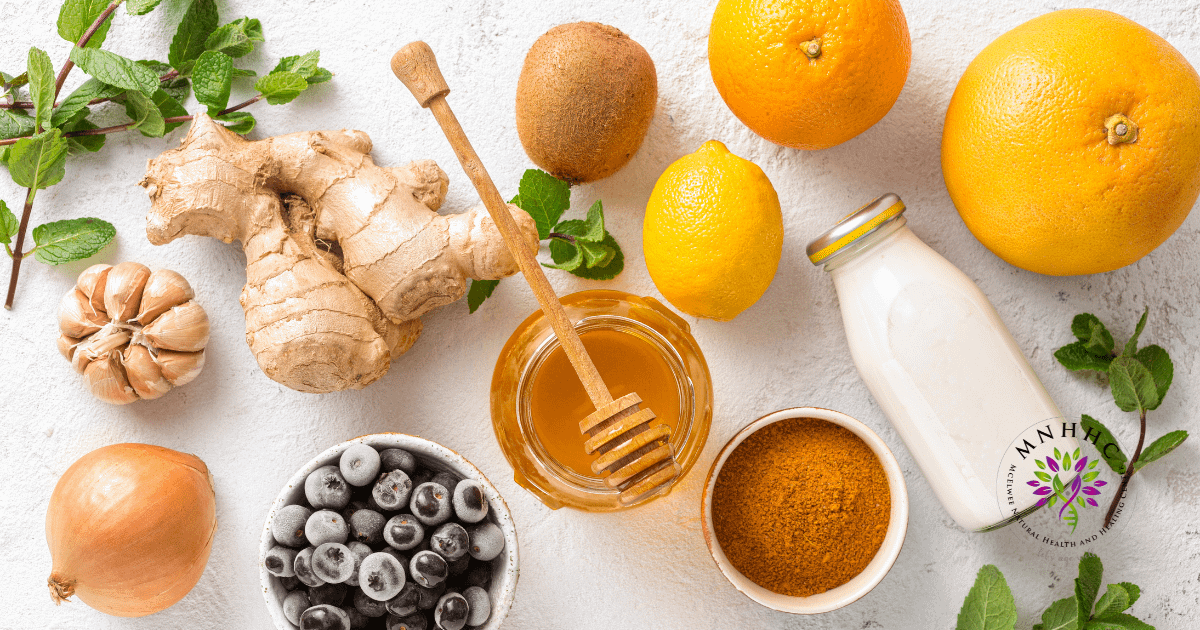
At McElwee Natural Health and Healing Center, we’re committed to empowering our community with knowl...
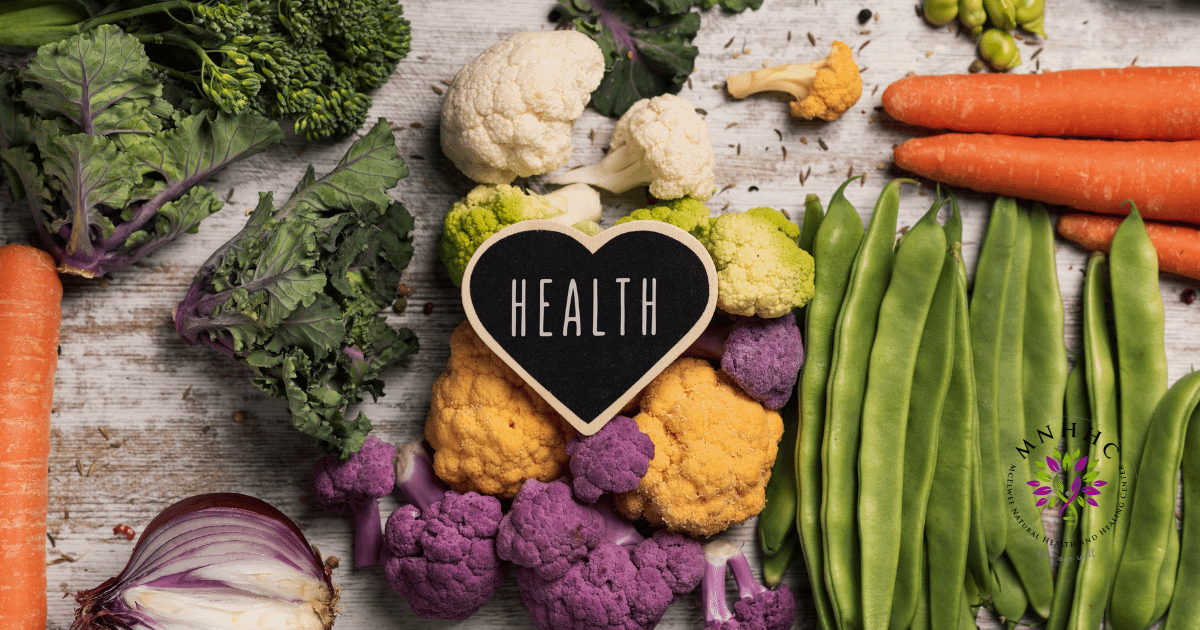
At McElwee Natural Health and Healing, our mission is to empower you to achieve vibrant health by ad...
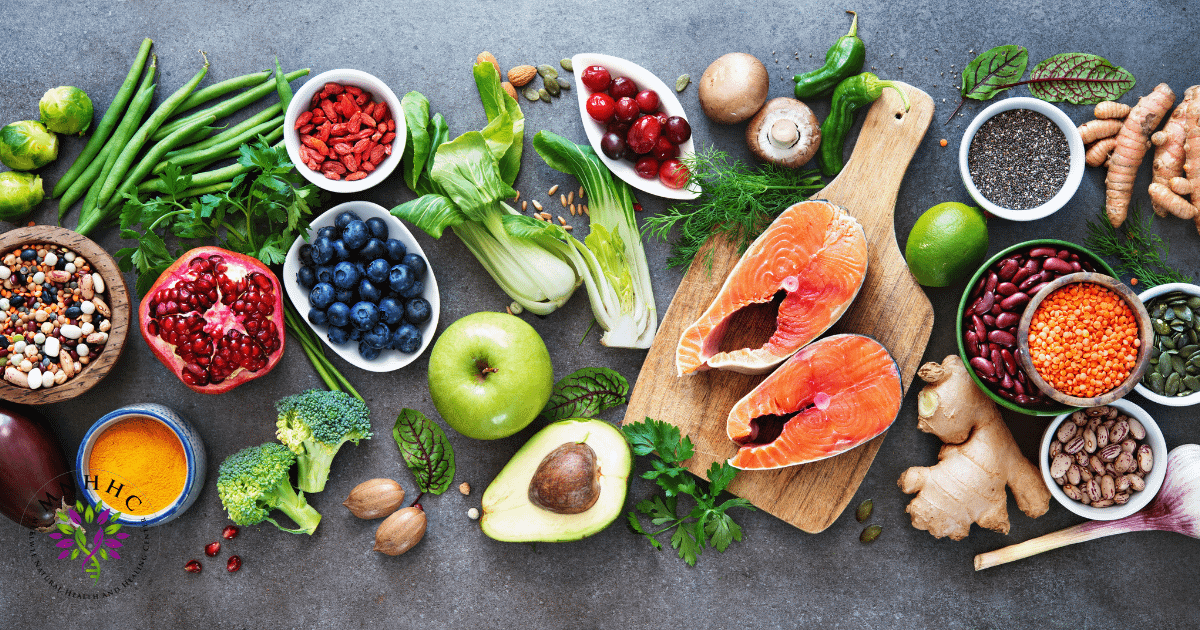
Ever wonder why you feel bloated, exhausted, or achy after certain meals? These could be your body’s...

Frozen shoulder, medically known as adhesive capsulitis, is a debilitating condition characterized b...
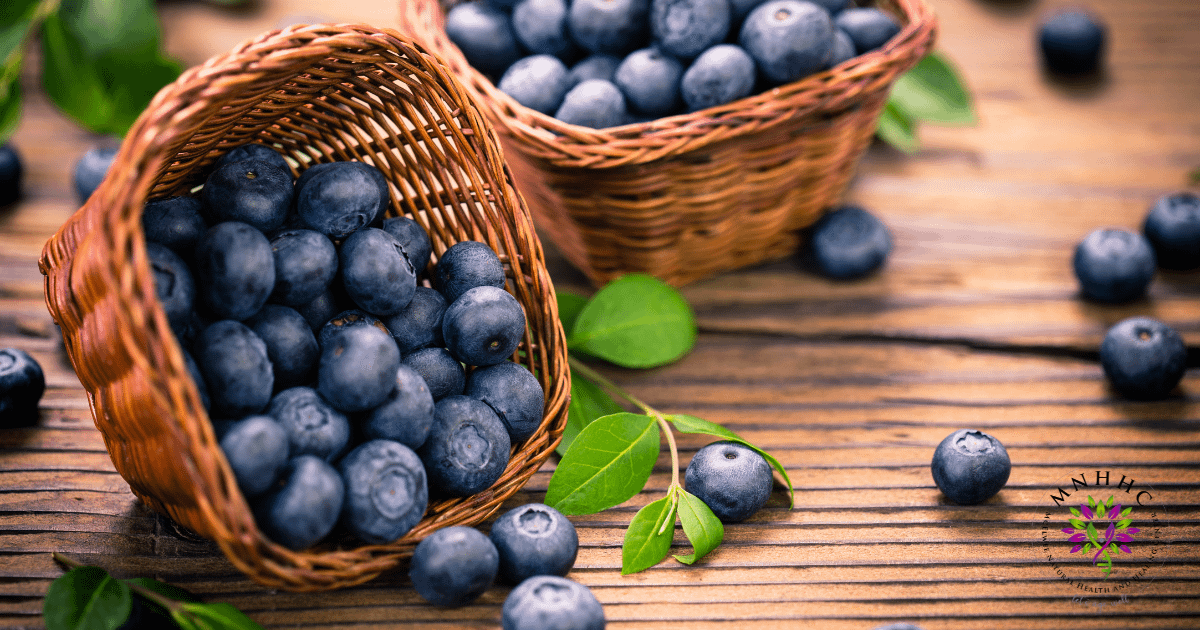
As summer heats up in Maryland, the fields are bursting with vibrant, local produce that can nourish...

At McElwee Natural Health and Healing Center, we believe in empowering you to take charge of your we...
On May 27, 2025, U.S. Health and Human Services Secretary Robert F. Kennedy Jr. unveiled a groundbre...

Seasonal allergies plague many Maryland residents, with Harford County’s high pollen counts making s...
At McElwee Natural Health and Healing Center, we’ve long championed the power of natural, whole food...

When it comes to cooking, the tools you use are just as important as the ingredients you select. Coo...

This year we have seen a resurgence of measles, a highly contagious viral disease. Before the introd...

If you’re passionate about whole, natural foods and your health, genetically modified organisms (GMO...

We were thrilled to learn of Robert F. Kennedy Jr.’s confirmation as the new Secretary of Health and...

When your child is running a fever, it can be a worrying time for any parent. The decision of whethe...

Red Dye #3, or Erythrosine, is a synthetic red coloring used in various food and cosmetic products....

The “Make America Healthy Again” (MAHA) movement emerges at a crucial time when the Unit...

The holidays are a time of coming together to get caught up in the lives of loved ones, share fond m...

The thyroid gland, a small but crucial butterfly-shaped organ in the neck, regulates a myriad of bod...
Maintaining good health relies on essential vitamins and minerals like vitamin C, calcium, and iron....
When we think about the essential nutrients contributing to our overall health, our minds often grav...
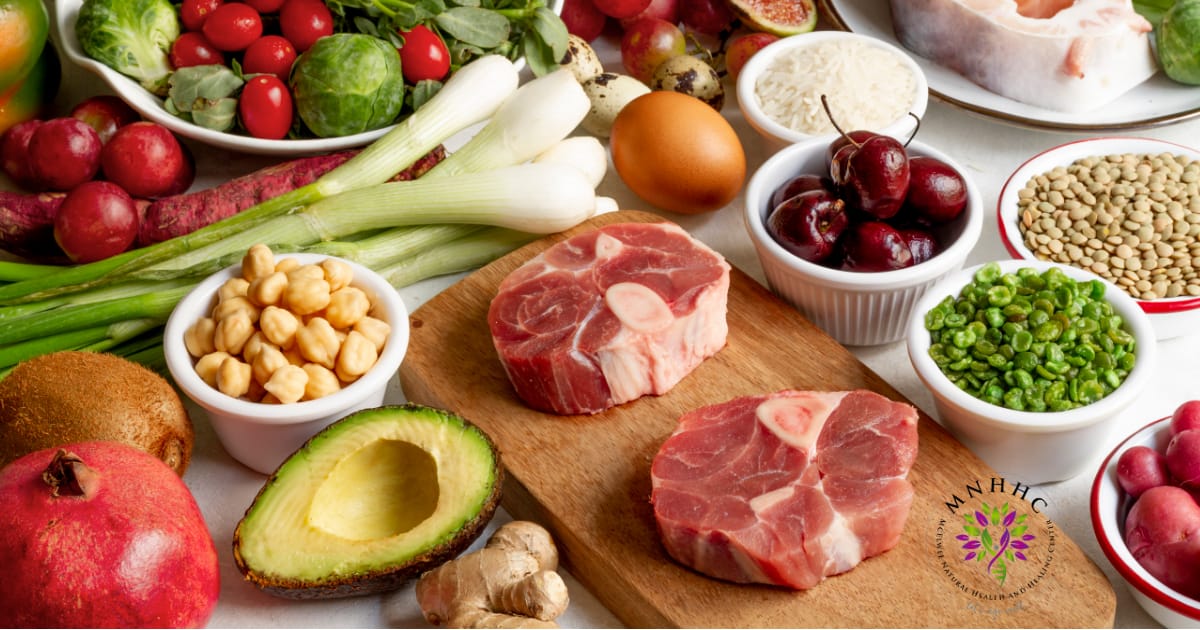
When we think about essential nutrients for our bodies, we often focus on vitamins and minerals like...
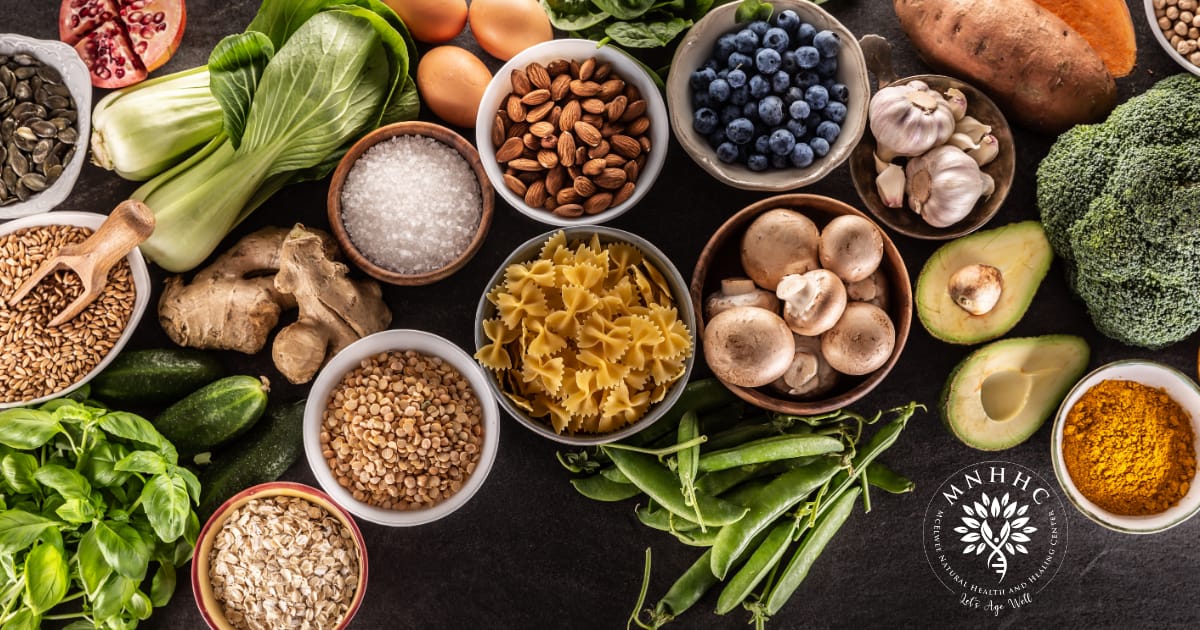
When it comes to essential minerals for our health, manganese often takes a backseat to more popular...
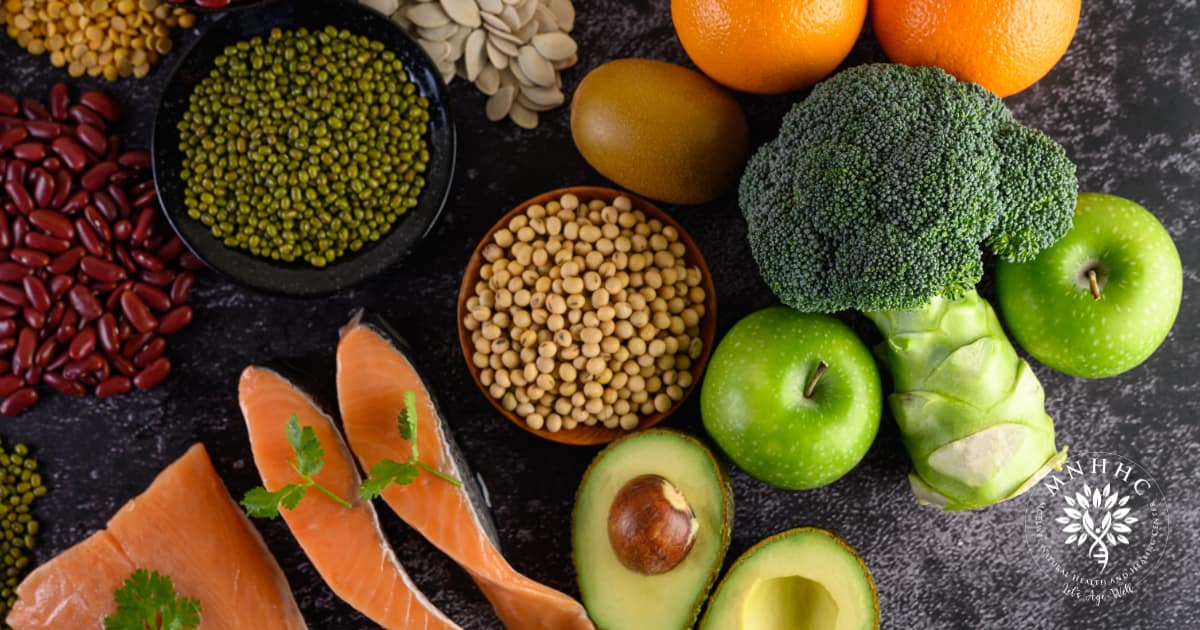
Zinc is a mineral that is crucial in maintaining overall health and well-being. While often overlook...

Many people overlook the importance of iodine in their diet when it comes to maintaining optimal hea...
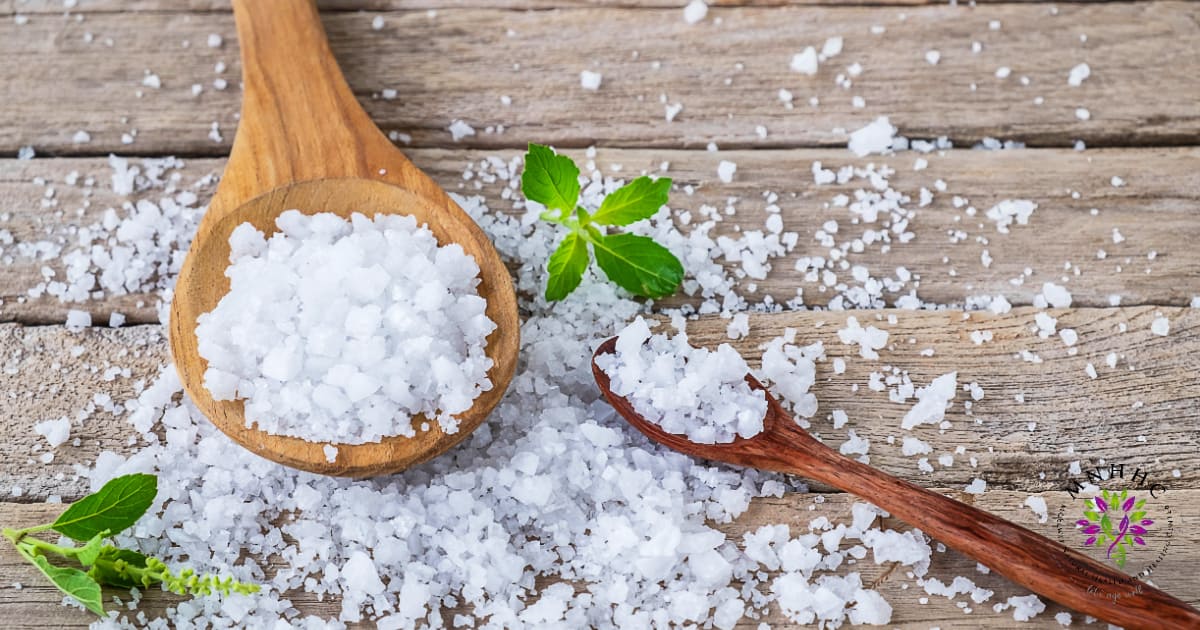
Understanding the role of sodium in our bodies is crucial to maintaining optimal health. Sodium play...
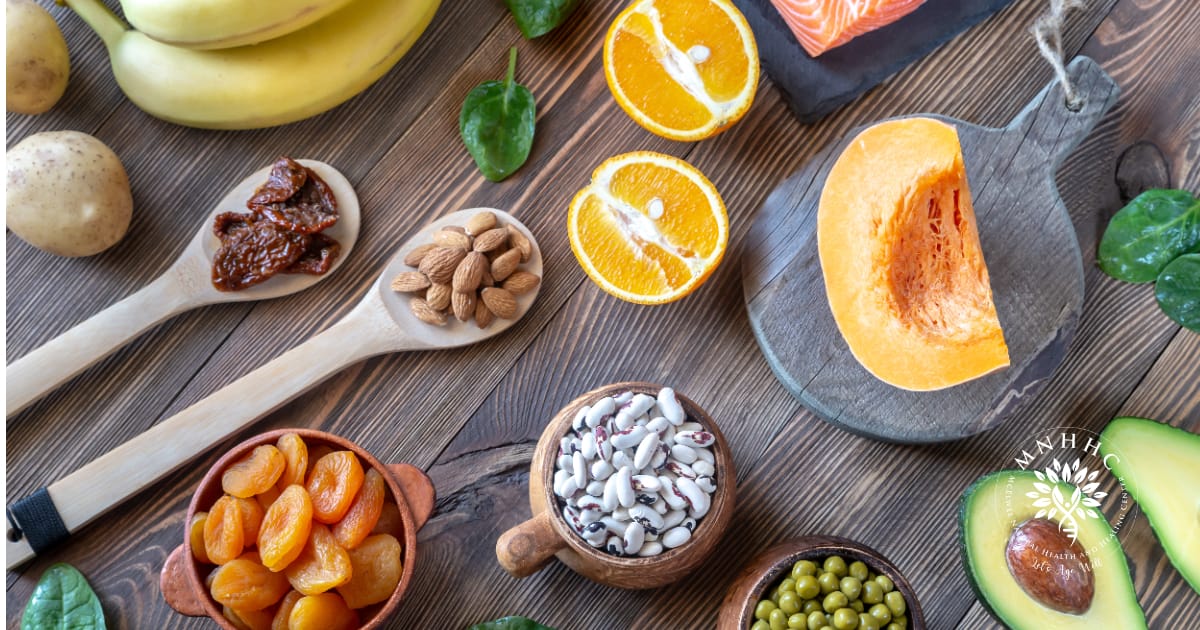
When we think about essential nutrients for our body, we often hear about the importance of vitamins...
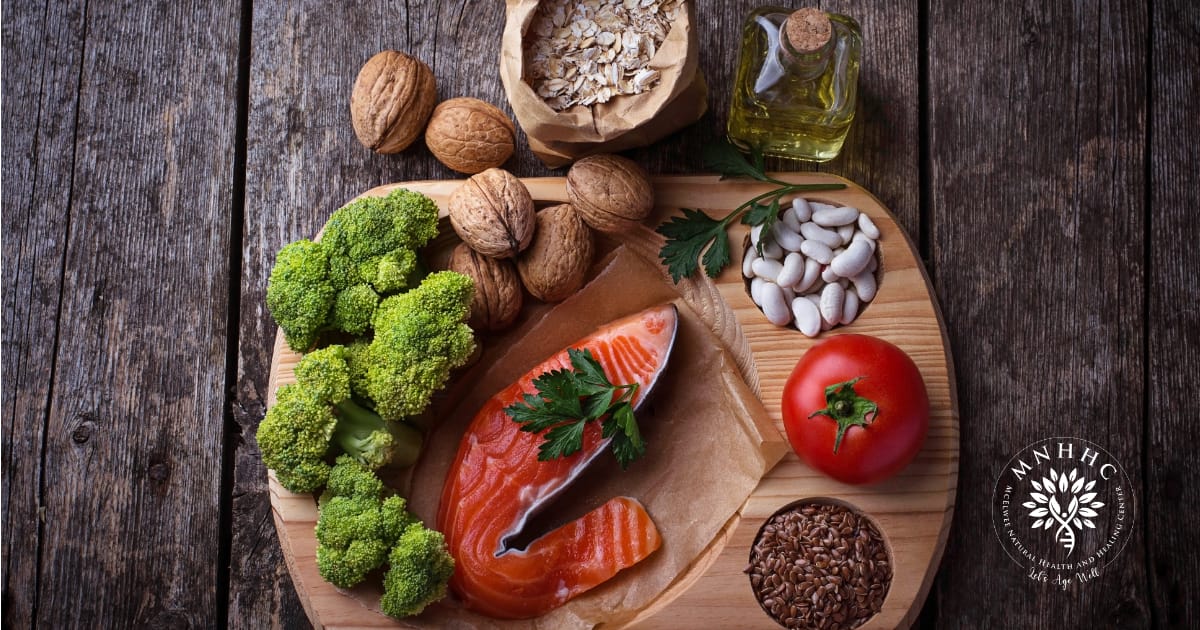
From energy production to cell growth, phosphorus is a vital mineral that is crucial for various fun...
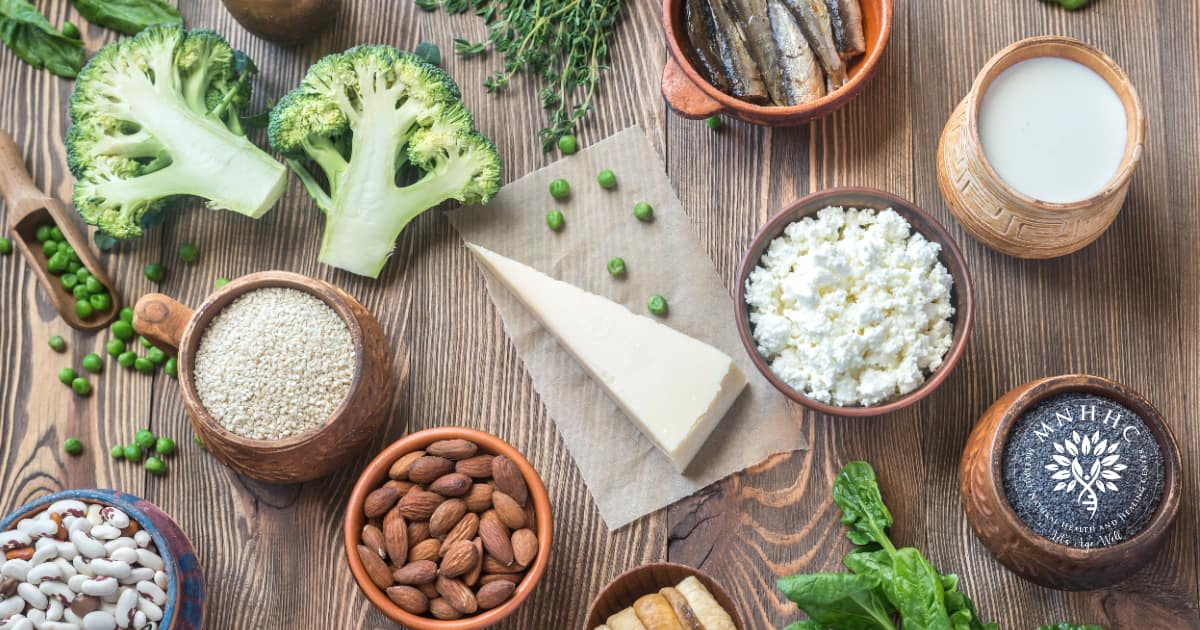
Calcium is an essential mineral that plays a vital role in various body functions. From strong bones...
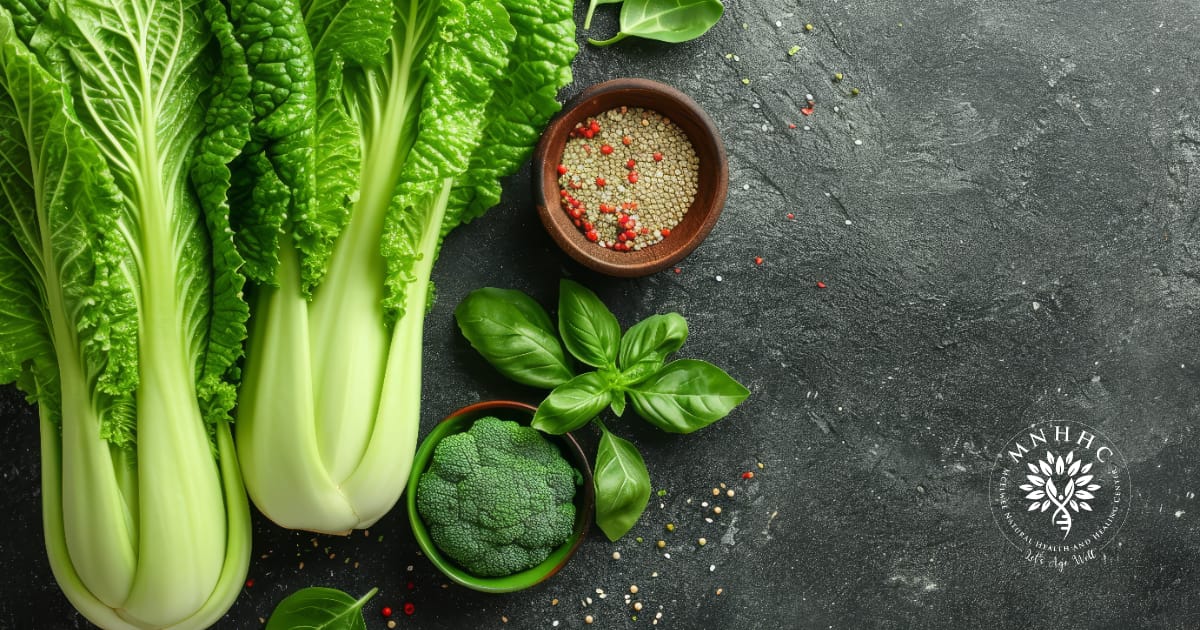
When it comes to maintaining good health, most people are familiar with the importance of vitamins l...
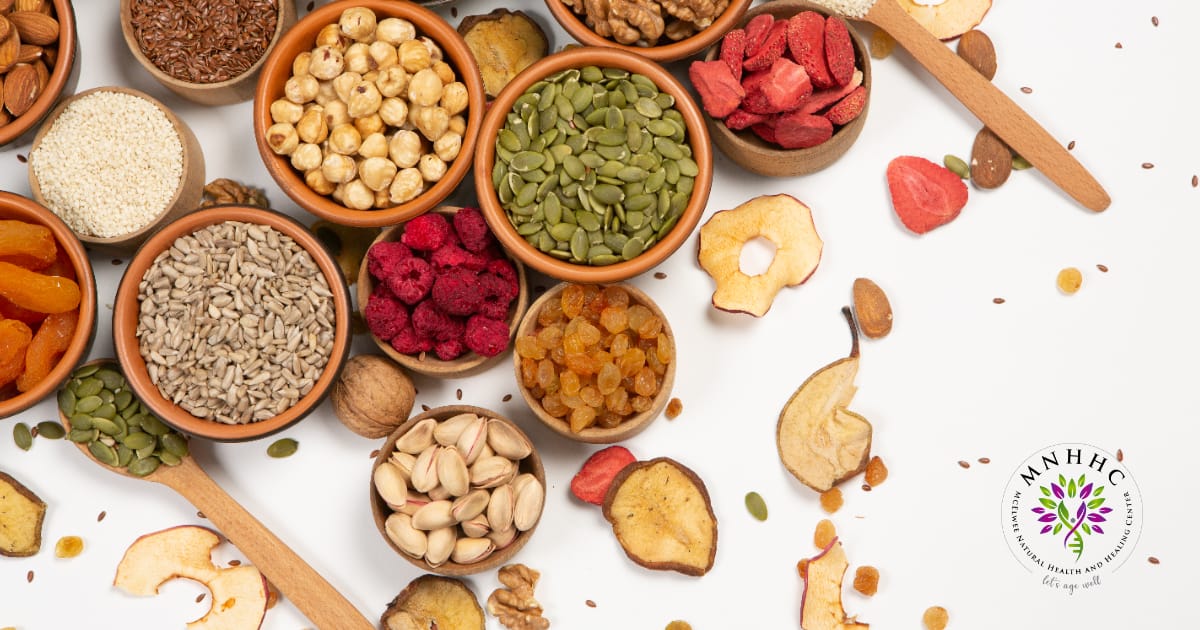
Many of us are familiar with the many essential vitamins in our diet. Still, one that often gets ove...

Have you ever noticed how a sunny day can instantly boost your mood? Well, that’s not just a c...

Vitamin C stands out as the go to vitamin for maintaining optimal healt. This essential vitamin, als...
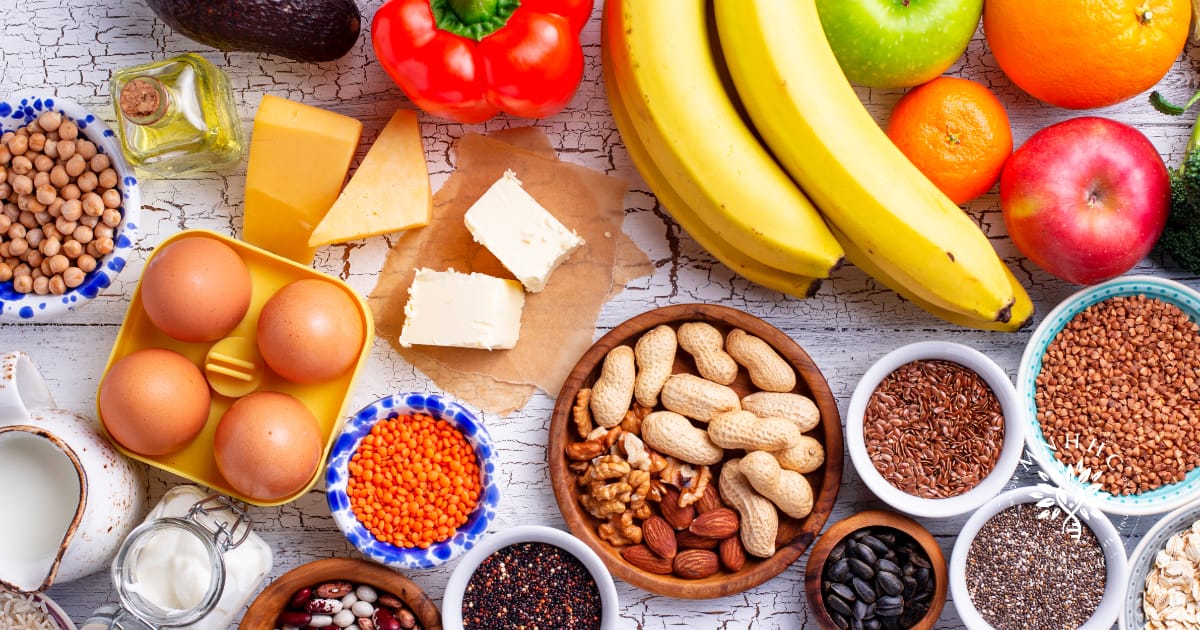
B vitamins play a crucial role in maintaining optimal health. These essential nutrients are water-so...
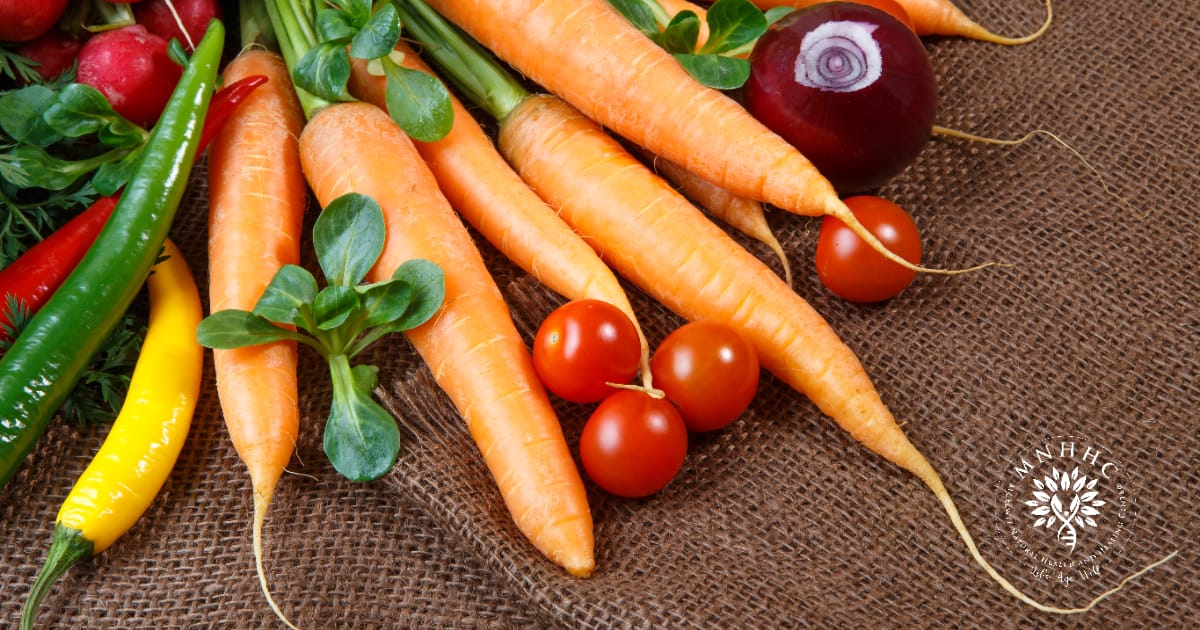
Vitamin A is an essential vitamin that is vital for various bodily functions. We often hear about th...
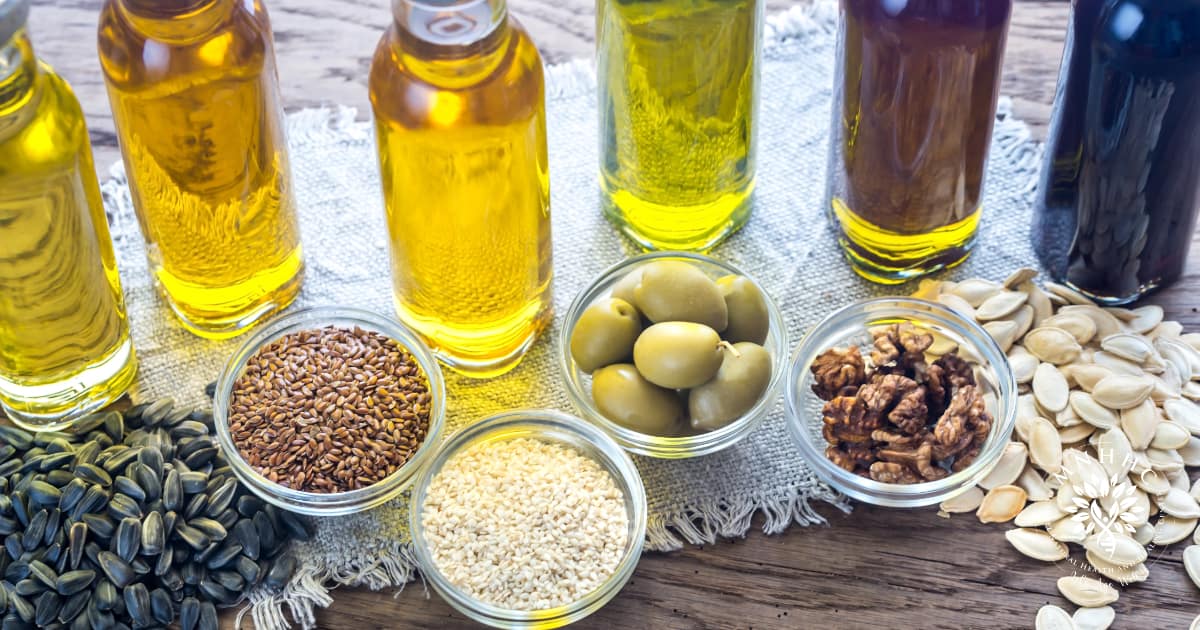
In today’s health-conscious world, many people are becoming more aware of the impact of their...

Imagine biting into a juicy, ripe tomato only to find that it lacks vibrant flavor and essential nut...

When you pick up a packaged food item from the grocery store shelf, chances are you’ll see the term...

Houseplants are not only a beautiful addition to your home decor, but they also offer numerous healt...

Feeling tired all the time is a common complaint among many people today. It can be a frustrating an...

Our bodies are constantly bombarded with toxins from the environment, food, and even the products we...

As our Dads age, it becomes increasingly important to prioritize their health and well-being. From e...

As a holistic health practice, McElwee Natural Health and Healing is dedicated to enhancing overall...

Electromagnetic fields (EMFs) are invisible lines of force that surround electronic devices and powe...

Are you seeking a natural method to enhance your overall wellness? Discover the PEMF mat at McElwee...

At McElwee Natural Health and Healing, we believe proper health is about more than just the absence...

Imagine stepping outside your home on a bright morning, the birds chirping, the sun shining, and the...

In health matters, we all strive to choose the most beneficial options, including taking the right supplements to support our well-being. With countless options on the market, navigating the sea of choices can be overwhelming. One crucial distinction is the difference between synthetic vitamins and natural whole-food supplements. In this blog post, we will explore what each type of supplement entails, discuss the differences, and determine which option is better for your health.
Our bodies require vitamins and minerals as vital nutrients to function correctly. They are crucial in various bodily processes, from supporting our immune system to promoting healthy hair and skin. While a balanced diet should ideally provide all the necessary nutrients, supplements can be valuable to our routine, especially when our diets fall short.
Let’s delve into the differences between synthetic vitamins and natural whole-food supplements to help you decide what is best for your health.
Synthetic vitamins are artificially created in a laboratory setting. They are typically derived from isolated compounds, such as ascorbic acid for vitamin C or alpha-tocopherol for vitamin E. The manufacturing process involves isolating specific compounds and combining them to create a chemical replica of the vitamin found in nature.
While synthetic vitamins may be chemically identical to their natural counterparts, they lack the complex structure and co-factors found in whole foods. Our bodies are designed to recognize and absorb nutrients in their natural form, meaning synthetic vitamins may be less easily absorbed or utilized by our bodies and often require them to work extra hard to process them.
Additionally, synthetic vitamins often come in higher doses than what would naturally occur in food. This can lead to imbalances and potential side effects. For example, consuming excessive amounts of synthetic vitamin C may cause stomach upset or diarrhea, whereas consuming vitamin C from whole foods would not typically result in such adverse effects.
On the other hand, natural whole-food supplements are derived from real, unprocessed foods. They are made by drying and grinding whole fruits, vegetables, or herbs into a powder or extracting their nutrients using gentle methods like juicing or freeze-drying. The resulting supplement retains the natural complex of vitamins, minerals, enzymes, and other beneficial compounds found in the whole food source.
When you consume a natural whole-food supplement, you get the complete package of nutrients as nature intended. The complex structure of these supplements ensures optimal absorption and utilization by the body. The co-factors present in whole foods work synergistically to enhance the bioavailability of the nutrients, allowing your body to reap maximum benefits.
Whole-food supplements also provide additional health benefits beyond just the isolated nutrient. For example, a whole-food vitamin C supplement derived from acerola cherries contains vitamin C and other antioxidants, bioflavonoids, and phytonutrients that support immune health and provide overall wellness.
When choosing between synthetic vitamins and natural whole-food supplements, the answer is clear: natural whole-food supplements are the superior choice for your health. While synthetic vitamins may provide isolated nutrients, they lack the complexity and co-factors found in nature. Our bodies are designed to thrive on whole foods, and whole-food supplements offer the closest resemblance to the nutrients found in their natural form.
Furthermore, the bioavailability and absorption of natural whole-food supplements are superior to synthetic vitamins. The complex structure and co-factors in whole foods ensure that our bodies recognize and properly utilize nutrients. This means that you can get more bang for your buck with whole-food supplements, as they provide a higher level of nourishment.
We offer a variety of whole-food supplements to address any nutrition deficiency or imbalance. It’s important to understand that not all options are formulated for all individuals. People with difficulty digesting certain proteins, fats, or carbohydrates, or those with a problem with methylation, undergo Nutrition Response Testing® to determine which whole-food supplement their body will accept.
Ultimately, investing in your health is not just about taking supplements but about making choices supporting your overall well-being. By opting for natural whole-food supplements, you choose a holistic approach that aligns with your body’s natural processes. So, the next time you reach for a supplement, consider choosing one sourced from natural, whole foods for optimal health benefits. Contact us today for a screening to see which whole-food supplements work best for you!

When detoxing from heavy metals and chemicals, ensuring proper drainage is crucial for optimal results. Our bodies are constantly exposed to toxins, whether through environmental pollutants, processed foods, or everyday products. Over time, these toxins can accumulate in our tissues, leading to various health issues. By supporting our body’s natural detoxification pathways and promoting adequate drainage, we can help eliminate these harmful substances and restore balance to our overall well-being.
Let’s explore the significance of drainage in detoxification and discuss physical things, foods, and supplements that can aid in this essential aspect of holistic health.
Engaging in specific physical activities and incorporating certain practices into daily routines can greatly support our body’s drainage capabilities. Here are some physical things that can aid in drainage:
In addition to physical practices, incorporating certain foods into our diet can aid drainage and support detoxification. Here are some foods that can help promote drainage:
While a healthy diet is essential for drainage and detoxification, certain supplements can provide additional support. Here are some supplements that can aid in drainage:
Ensuring proper drainage is crucial when detoxing from heavy metals and chemicals. We can support our body’s natural detoxification pathways by incorporating physical practices such as exercise, dry brushing, and sauna therapy, along with foods like leafy greens, cruciferous vegetables, and citrus fruits. Supplements such as milk thistle, N-acetyl cysteine, and bentonite clay can further aid drainage. By prioritizing drainage in our holistic health practices, we can help eliminate toxins, restore balance, and promote overall well-being. Contact us today!

When it comes to taking care of our bodies, proper nutrition is key. But with so many products lining the grocery store shelves, how do we know which ones are truly nourishing? The answer lies in the nutrition label. By understanding how to read these labels, we can make informed choices that support our holistic health goals. In this blog post, we will explore the art of decoding nutrition labels, highlighting key information and uncovering ingredients that may not align with our natural and holistic approach to wellness.
So, grab a cup of tea and join us on this journey as we demystify the world of nutrition labels, empowering you to make mindful choices that nourish your body from the inside out.
Let’s begin our exploration by diving into the nutrition facts section of the label. This section provides valuable information about the product’s serving size, calories, macronutrients, and specific vitamins and minerals.
First, pay attention to the serving size. It’s easy to overlook this information and assume that the numbers listed on the label represent the entire package. However, many products contain multiple servings, so you may consume more calories and nutrients than you realize. Take a moment to assess the serving size and adjust your portions accordingly.
Next, let’s talk about calories. While calories are not the sole indicator of a food’s nutritional value, they can give you an idea of its energy content. Remember that the calories listed on the label are per serving, so if you consume multiple servings, you must multiply the number accordingly.
Now, let’s focus on macronutrients. These include carbohydrates, fats, and proteins. The label will typically specify the grams of each macronutrient per serving. It’s important to remember that not all fats and carbohydrates are created equal. Look for products that contain healthy fats, such as monounsaturated and polyunsaturated fats, and complex carbohydrates, like whole grains and fiber. These nutrient-dense choices will provide your body with sustained energy and support overall well-being.
Finally, sugar. When you start analyzing nutrition labels, you will quickly discover that sugar is in most things. Take note of the amount of sugar and added sugars on the labels. Consuming natural sugar is typically ok in moderation. For instance, the sugar listed in a product sweetened with whole-food dates is generally better than a product with added refined sugars.
When it comes to holistic health, we strive to nourish our bodies with natural and whole foods. Unfortunately, many products today are loaded with artificial ingredients that can negatively impact our well-being. That’s why it’s crucial to examine the ingredient list on nutrition labels closely.
Scan the list for ingredients that are not naturally occurring or sound like they were created in a lab. Common culprits include artificial sweeteners, preservatives, and food colorings. These additives can disrupt our body’s natural balance and may contribute to various health issues.
Instead, look for products containing recognizable ingredients, preferably ones you could find in your kitchen. If you can’t pronounce it, skipping it is probably a good idea. Opt for organic options to minimize pesticide exposure and other harmful chemicals. By choosing products with natural ingredients, you support your body’s innate ability to thrive and promote holistic well-being.
A note about natural flavors: natural flavors are extracted from plants and animals to create flavor enhancers in processed foods. Natural flavors include chemicals created by specially trained food chemists known as flavorists. If you have sensitivities to these chemicals, it could cause issues for your body. When in doubt, it’s best to go with items that do not contain added flavoring.
While the nutrition label provides valuable information, it’s important to remember that it doesn’t tell the whole story. Food is more than just the sum of its parts. It’s about the quality of ingredients, sourcing practices, and the overall integrity of the product. Be sure to examine not only the main ingredients but the other ingredients. It’s in the other ingredients section where chemicals and additives can be found.
When reading nutrition labels, consider the bigger picture. Ask yourself: Is this product aligned with my holistic health goals? Does it support sustainable and ethical practices? Is it minimally processed and free from unnecessary additives?
To truly nourish your body holistically, it’s essential to look beyond the label and connect with the story behind the food. Seek out brands that prioritize transparency, whole-food ingredients, and the well-being of their consumers. By doing so, you can ensure that your nutritional choices support your health and contribute to a healthier you!
Understanding nutrition labels is essential for anyone seeking to nourish their body holistically. By understanding the information on the label and being mindful of the ingredients, you can make empowered choices that align with your natural and holistic approach to wellness.
Remember, it’s not just about the numbers and percentages. It’s about embracing a deeper connection with the food we consume and its impact on our bodies. So, the next time you find yourself at the grocery store, take a moment to read the labels and choose products that truly nourish your body, mind, and spirit.
Your holistic health journey starts with the simple act of reading a nutrition label. Begin today and embark on a path of wellness, one conscious choice at a time. Contact us today!

Have you ever felt sluggish, bloated, or just generally out of sync with your body? If so, you’re not alone. Many people experience these symptoms due to poor dietary choices and lifestyle habits. The good news is that there is a solution – the Page Fundamental Food Plan. In this blog post, we will explore the Page Fundamental Food Plan, what it does, and why it is essential to reset body chemistry during detox.
Imagine waking up every morning feeling refreshed and energized. Picture yourself effortlessly maintaining a healthy weight and experiencing heightened mental clarity. These are just a few benefits the Page Fundamental Food Plan can offer. But what exactly is the Page Fundamental Food Plan, and how does it work?
The Page Fundamental Food Plan was created by the Page Clinic in Florida. The Page Clinic is a renowned healthcare facility specializing in holistic and natural approaches to wellness. The clinic was established by Dr. James W. Page, a medical doctor and pioneer in nutrition.
The Page Fundamental Food Plan, developed by Dr. Page and his team of experts, is a comprehensive dietary program to optimize health and promote overall well-being. It emphasizes consuming whole, unprocessed foods while minimizing the intake of refined sugars, artificial additives, and unhealthy fats.
The plan is designed to reset body chemistry and provide individuals with a balanced and nutrient-dense diet that supports their body’s natural healing mechanisms. The Page Fundamental Food Plan has two phases and focuses on incorporating a variety of vegetables and lean proteins in phase one and then gradually adding low-sugar fruits. The plan emphasizes consuming grass-fed, free-range, non-GMO, and organic foods.
The Page Fundamental Food Plan aims to reset and normalize the body’s chemistry. The plan removes all refined carbohydrates and pasteurized milk and includes lean meats and low-carbohydrate vegetables.
The Page Fundamental Food Plan consists of two phases. Phase one is typically for 1-2 weeks, and phase two is a maintenance phase that ideally is your new normal. During both phases, the plan controls blood sugar and hormone balances.
Now that you understand the importance of the Page Fundamental Food Plan and resetting body chemistry, you may be wondering how to implement it into your own life.
Eat small amounts of lean. Free range, organic proteins. Avoid frying. Instead, grilling, broiling, steaming, or soft boiling is best.
Eat more, more, more! But don’t only eat more of one type of vegetable. Add in a variety of colorful vegetables. You literally should want to taste the rainbow! Opt for eating vegetables over juicing. Chewing activates the part of your brain that controls appetite and prepares your GI tract for digestion.
Limit to one type of fruit at a time on an empty stomach. Avoid sweet fruits like ripe bananas and choose fresh, organic options.
Consuming carbohydrates makes you crave carbohydrates. While on the food plan, remove altogether, opting for vegetables as a source of carbohydrates. If you do have whole grains, eat them in moderation at dinner. Having them in the morning will make you crave them throughout the day.
Whole, unprocessed grains can be rich sources of vitamins and minerals, but with soil depletion and the strains of grains that modern agriculture has developed, it isn’t clear what nutrients remain. Opt for unprocessed rye, rolled oats, and brown rice occasionally for variety.
Use only small amounts of honey or Stevia as a sweetener—no sugar substitutes, as they affect memory.
Get in those essential fatty acids! Use olive oil (cold pressed, extra virgin), walnut, and flaxseed oil. Cook with raw butter, lard, or olive oil. Eat as many avocados and raw nuts as you want!
Avoid pasteurized dairy products. Raw butter is ok. As are goat and sheep milk products in limited quantities.
Water is best! Drink a minimum of 8 glasses a day. Herbal teas may be partially substituted. If you opt for wine, make it red. Choose foreign beer over commercial beer. Drink more water to compensate for water loss.
Keep blood sugar constant, minimize stress on your digestion system, and increase your energy with smaller, more frequent meals.
Choose whole-food supplements to keep mineral levels up and buffer acid load.
The Page Fundamental Food Plan offers a comprehensive approach to nutrition and detoxification, allowing you to reset your body chemistry for optimal health and vitality. By following the principles of the Page Fundamental Food Plan, you can support your body’s natural detoxification processes and experience a wide range of benefits. Contact us for a complete evaluation and to start the Page Fundamental Food Plan today!

Thanksgiving is a time for gratitude, family, and of course, indulgent feasting. However, it’s no secret that traditional Thanksgiving dishes can be heavy on calories and unhealthy ingredients. This year, why not try incorporating some healthy alternatives into your Thanksgiving dinner? Not only will these dishes be packed with nutrition, but they will also be irresistibly delicious. In this blog post, we will discuss healthier options for some Thanksgiving favorites, including roast turkey, stuffing, mashed potatoes, and all the fixings. Let’s dive in!
The centerpiece of any Thanksgiving dinner is undoubtedly the roast turkey. While turkey itself is a lean protein, it’s often basted in butter and covered in heavy gravy. This year, let’s opt for a healthier version that doesn’t compromise on taste.
Start by selecting a high-quality, organic turkey. Remove the skin before cooking to reduce the fat content. Instead of basting with butter, create a flavorful herb rub using olive oil, garlic, rosemary, thyme, and a pinch of salt and pepper. This will keep the turkey moist and add a delightful aroma. Roast the turkey at a moderate temperature until the internal temperature reaches 165°F.
The secret to evenly cooked turkey is to section off the breast meat and the dark meat and then roast. This allows each piece of meat to cook completely without overcooking. The downside is you can’t display a whole roasted bird but I’d venture a guess that your guest won’t mind when they taste your moist turkey!
Using fresh herbs and olive oil is not only a healthier option, but it will also be bursting with delicious flavors that will impress your guests. Serve with a side of cranberry sauce made from fresh cranberries for a perfectly balanced Thanksgiving meal.
Stuffing, or dressing as some prefer to call it, is a Thanksgiving classic. Every family has its favorite recipe. Unfortunately, traditional stuffing recipes often call for butter, sausage, and white bread, making it a heavy and calorie-laden dish. But fear not, there are healthier alternatives that are just as tasty.
Swap out the white bread for whole grain bread or even a gluten-free option if needed. Instead of using sausage, add a variety of vegetables like diced mushrooms, celery, onions, and carrots for added flavor and nutrients. If you must have sausage, try turkey sausage. Also make sure to use sausage meat from pastured raised pigs. To further enhance the taste, use vegetable broth instead of butter to moisten the bread. Season with herbs like sage, thyme, and rosemary, and bake until golden brown and crispy on top.
This healthier stuffing alternative will still provide the comforting flavors of Thanksgiving, but with the added benefit of being kinder to your waistline and overall health.
Mashed potatoes are a beloved Thanksgiving side dish, but they can be loaded with butter and cream, making them a calorie bomb. However, with a few simple tweaks, you can create a healthier version without sacrificing taste and creaminess.
Instead of using regular potatoes, opt for sweet potatoes or cauliflower. Both options are lower in calories and packed with vitamins and fiber. Boil or steam them until tender and then mash them using a potato masher or food processor. Season with a touch of salt, pepper, and a sprinkle of herbs like chives or parsley.
Not only will these mashed potatoes be lighter on the calories, but they will also add a vibrant color to your Thanksgiving plate. Your guests won’t even miss the traditional butter and cream!
If you prefer regular potatoes and you have milk sensitivities consider using alternatives like goat, or oat milk. These alternatives can be used in place of traditional cow milk when making mashed potatoes or potato gratin. Goat milk, for example, has a slightly tangy flavor that adds a unique twist to the dish. Oat milk, on the other hand, is creamy and can help achieve a smooth texture. Both of these alternatives are suitable for those who are lactose intolerant or following a plant-based diet.
If you use sour cream in your mashed potatoes but are sensitive to the cream opt for a cashew-based sour cream instead. Cashew sour cream is made by blending soaked cashews with lemon juice, apple cider vinegar, and a pinch of salt. The result is a creamy and tangy addition that pairs perfectly with potatoes. You can even use it in loaded baked potatoes, as a dip for potato wedges, or even as a dollop on top of a hearty potato soup.
Gravy is the crowning glory of any Thanksgiving meal, but it can be high in fat and sodium due to the use of pan drippings and flour. Luckily, there are ways to create a healthier gravy that will still complement your dishes perfectly.
Start by using a fat separator to remove excess fat from the pan drippings. Next, whisk in a small amount of whole wheat flour or cornstarch to thicken the gravy. To enhance the flavor, add herbs like thyme and rosemary, and a splash of low-sodium soy sauce or Worcestershire sauce.
This healthier gravy alternative will still provide the savory richness you crave, but with a lighter touch. Pour it over your turkey, mashed potatoes, and stuffing guilt-free!
Sweet potatoes are a Thanksgiving staple, often prepared with marshmallows and sugary toppings. While undeniably delicious, these additions can turn a nutritious vegetable into a sugary dessert. Let’s explore a healthier way to enjoy sweet potatoes this Thanksgiving.
Instead of smothering them in sugary toppings, try roasting sweet potatoes with a drizzle of olive oil and a sprinkle of cinnamon. The natural sweetness of the potatoes will shine through, and the cinnamon will add warmth and depth of flavor. For an extra touch, top them with a sprinkle of chopped pecans or walnuts for some healthy fats.
This lighter take on sweet potatoes will still satisfy your cravings while providing a nutritious side dish that won’t leave you feeling weighed down.
Thanksgiving often lacks a substantial vegetable dish, with the focus being on the turkey and the carb-heavy sides. However, incorporating a vibrant and nutritious vegetable dish is a great way to balance out your meal and add some freshness to the table.
Consider roasting a medley of seasonal vegetables like Brussels sprouts, carrots, and butternut squash. Toss them in olive oil, sprinkle with salt, pepper, and a pinch of smoked paprika, then roast until tender and slightly caramelized. This dish will add a burst of color and nutrients to your Thanksgiving spread.
Remember, a well-rounded Thanksgiving dinner includes not only indulgent dishes but also nourishing vegetables to keep your plate balanced and your body satisfied.
Thanksgiving wouldn’t be complete without a delectable dessert to satisfy your sweet tooth. But instead of reaching for the traditional pies that are often high in sugar and unhealthy fats, let’s explore a healthier dessert alternative that will still leave you feeling satisfied.
Consider making a baked apple crisp using a combination of tart and sweet apples. Toss the sliced apples with a touch of honey or maple syrup, a sprinkle of cinnamon, and a squeeze of lemon juice. Top the apples with a mixture of whole grain oats, almond flour, coconut oil, and a pinch of salt. Bake until the apples are tender and the topping is golden brown and crispy.
This healthier dessert option provides the perfect balance of sweetness and crunch, without the guilt. Serve it warm with a dollop of Greek yogurt or a scoop of vanilla frozen yogurt for a delightful ending to your Thanksgiving feast.
For those pumpkin pie die-hards, switch up the pie crust, Swap the white flour for whole wheat or almond flour which provides more fiber and nutrients. Or try non-gmo and organic graham cracker crust. Use a natural sweetener like maple syrup or honey instead of refined sugar to reduce the overall sugar content in the pie.
Furthermore, for the pumpkin pie filling, you can choose to use canned pumpkin puree rather than pumpkin pie filling, which often contains added sugars and preservatives. By using pure pumpkin puree, you can control the amount of sugar and other ingredients in the filling. To enhance the flavor and add creaminess without using heavy cream, you can substitute it with coconut milk or Greek yogurt.
Moreover, incorporating spices like cinnamon, nutmeg, and ginger can provide a rich and warm taste to the pumpkin pie without adding unnecessary calories. These spices not only enhance the flavor but also offer potential health benefits, such as anti-inflammatory properties and improved digestion.
Lastly, serving the pumpkin pie with a dollop of whipped coconut cream or a sprinkle of chopped nuts, like pecans or almonds, can add a delightful crunch and enhance the nutritional value of the dessert. These simple substitutions and additions can create a healthy option for pumpkin pie without compromising on taste and satisfaction.
With these healthier alternatives for Thanksgiving dinner, you can indulge in all the flavors and traditions of the holiday without compromising your health. From a succulent roasted turkey to a satisfying vegetable dish and a guilt-free dessert, these recipes showcase how nutritious and delicious Thanksgiving can be. So this year, gather your loved ones, savor the flavors of the season, and give thanks for a meal that nourishes both body and soul.
Contact us today!

Have you ever experienced recurring yeast infections, digestive issues, or fatigue that won’t go away? If so, you may be dealing with an overgrowth of candida, a type of yeast that naturally lives in our bodies. While candida is normally harmless, an overgrowth can lead to uncomfortable symptoms. Fortunately, diet is one of the most effective ways to address yeast overgrowth. By making some simple changes to what you eat, you can help restore balance in your body and regain your health.
In this blog post, we’ll explore the foods you should avoid and the foods you should consume to control candida, how to tell if you have an overgrowth of yeast, and how McElwee Natural Health and Healing Center in Churchville can help.
When it comes to testing for candida overgrowth, there are various do-it-yourself methods available that can help you identify the presence of this type of yeast in your body. These tests can be conducted at home without needing a medical professional, providing a convenient and cost-effective way to assess your health.
One common method is the saliva test. To perform this test, spit into a glass of water first thing in the morning before consuming any food or drink. After waiting for around 15 minutes, observe the water’s surface. If you notice strings, cloudy specks, or webs sinking to the bottom, it may indicate the presence of candida overgrowth. The saliva test is a good initial screening tool to detect candida.
Another do-it-yourself candida test involves using your sense of smell. Candida overgrowth can cause a condition called “candida albicans syndrome,” which is associated with a distinctive odor. To check for this, gently scrape your tongue with a clean spoon and then smell the spoon. Detecting a strong, unpleasant odor similar to bread or beer could suggest candida overgrowth. However, it’s essential to consider other factors that may affect breath odor, such as diet or oral hygiene.
When controlling candida through diet, the first step is eliminating foods promoting its growth. These include:
Sugar and Sweeteners: Candida feeds on sugar, so it’s important to cut out all forms of refined sugar, including white sugar, brown sugar, and high-fructose corn syrup. Also, avoid artificial sweeteners like aspartame and sucralose, as they can contribute to Candida overgrowth.
Processed Foods: Processed foods are often loaded with preservatives, additives, and unhealthy fats that can disrupt the balance of bacteria in your gut. Avoid packaged snacks, fast food, and anything with a long list of unrecognizable ingredients.
Alcohol: Alcohol not only contains sugar but also impairs your immune system and liver function, making it easier for candida to thrive. It’s best to avoid all types of alcohol, including wine, beer, and spirits.
Other foods to limit include mushrooms, soy sauce, milk, fermented beverages, MSG, vinegars, unblanched nuts, smoked meats, dried fruit, teas, and malted products.
Now that we’ve covered the foods to avoid let’s shift our focus to the foods that can help control candida and promote a healthy balance of gut bacteria:
Non-Starchy Vegetables: Choose a variety of non-starchy vegetables like leafy greens, broccoli, cauliflower, and peppers. These vegetables are low in sugar and high in fiber, which can help support healthy digestion and discourage Candida overgrowth.
Probiotic-rich Foods: Probiotics are beneficial bacteria that can help restore balance in your gut. Incorporate foods like yogurt, kefir, sauerkraut, and kimchi into your diet to introduce more probiotics. If you’re lactose intolerant or following a dairy-free diet, opt for non-dairy alternatives like coconut milk yogurt or fermented vegetables.
Antifungal Foods: Garlic, coconut oil, oregano, and ginger all have natural antifungal properties and are excellent options for controlling fungus. Not only do they add flavor to your dishes, but they also support your body’s ability to fight off candida.
While adjusting your diet is a crucial step in controlling candida, there are a few additional considerations to keep in mind:
Hydration: Staying hydrated is essential for overall health and can aid in flushing out toxins. Aim to drink at least eight glasses of water daily and limit your sugary beverage intake.
Stress Management: Stress can weaken your immune system and disrupt the balance of bacteria in your body. Try various stress-reducing activities such as meditation, yoga, or spending time in nature. Anything that brings calm to your day is helpful.
Consistency: Controlling candida through diet is not a quick fix. Make a conscious commitment to living these new lifestyle changes. Be patient with yourself and give your body time to heal and rebalance.
By avoiding foods that promote candida overgrowth and incorporating foods that support a healthy gut, you can take control of your Candida symptoms and improve your overall well-being.
Proper diet and hydration will go a long way for most people. However, Everyone’s body is unique, so it’s important to listen to what your body is saying.
McElwee works with each individual to determine the root cause of their candida symptoms. We help identify the stressors in your life leading to an imbalance of yeast. If needed, we offer whole-food supplements to support affected areas of the body. Some options include:
Through a personalized plan that includes dedication and a mindful approach to nutrition, you can regain control over your health and find relief from candida. Contact us today for a complete evaluation!