
Surviving the Holidays Without Losing Your Mind (or Your Immune System)
Welcome to the most wonderful—and occasionally most chaotic—time of the year! At McElwee Natural Hea...

Welcome to the most wonderful—and occasionally most chaotic—time of the year! At McElwee Natural Hea...
At McElwee Natural Health and Healing Center, we’re committed to empowering families with info...

In a groundbreaking announcement on September 22, 2025, President Donald Trump, flanked by Health an...

In a world where modern medicine often treats symptoms with pills and procedures, what if the key to...

At McElwee Natural Health and Healing Center, we’re committed to empowering our community with knowl...

At McElwee Natural Health and Healing, our mission is to empower you to achieve vibrant health by ad...

Ever wonder why you feel bloated, exhausted, or achy after certain meals? These could be your body’s...
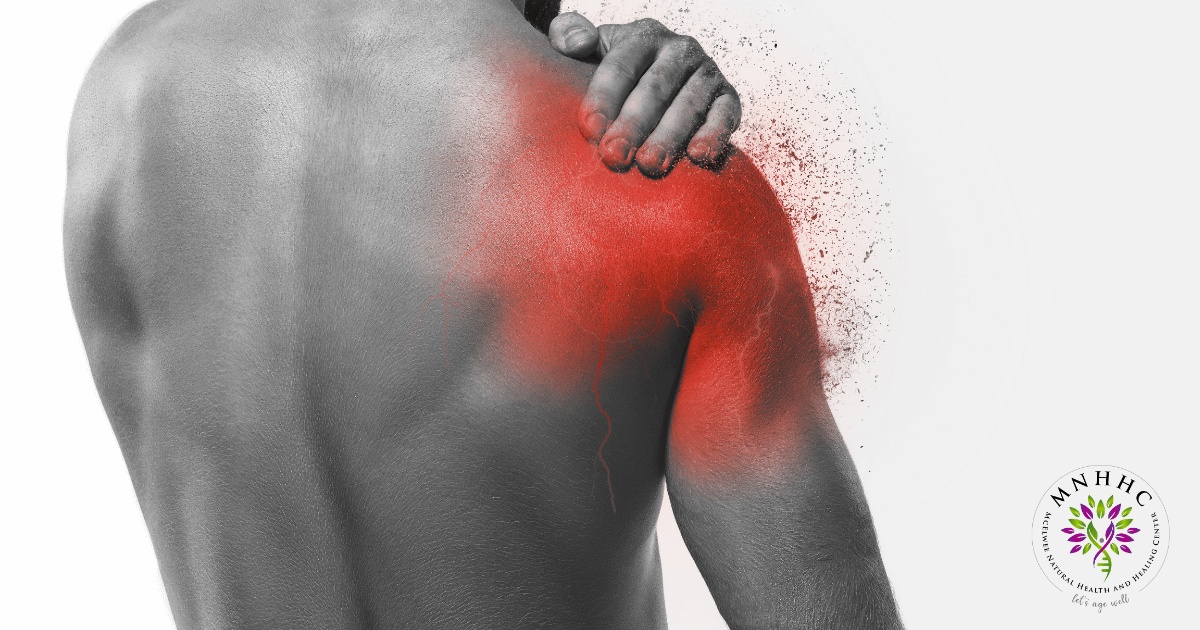
Frozen shoulder, medically known as adhesive capsulitis, is a debilitating condition characterized b...

As summer heats up in Maryland, the fields are bursting with vibrant, local produce that can nourish...

At McElwee Natural Health and Healing Center, we believe in empowering you to take charge of your we...
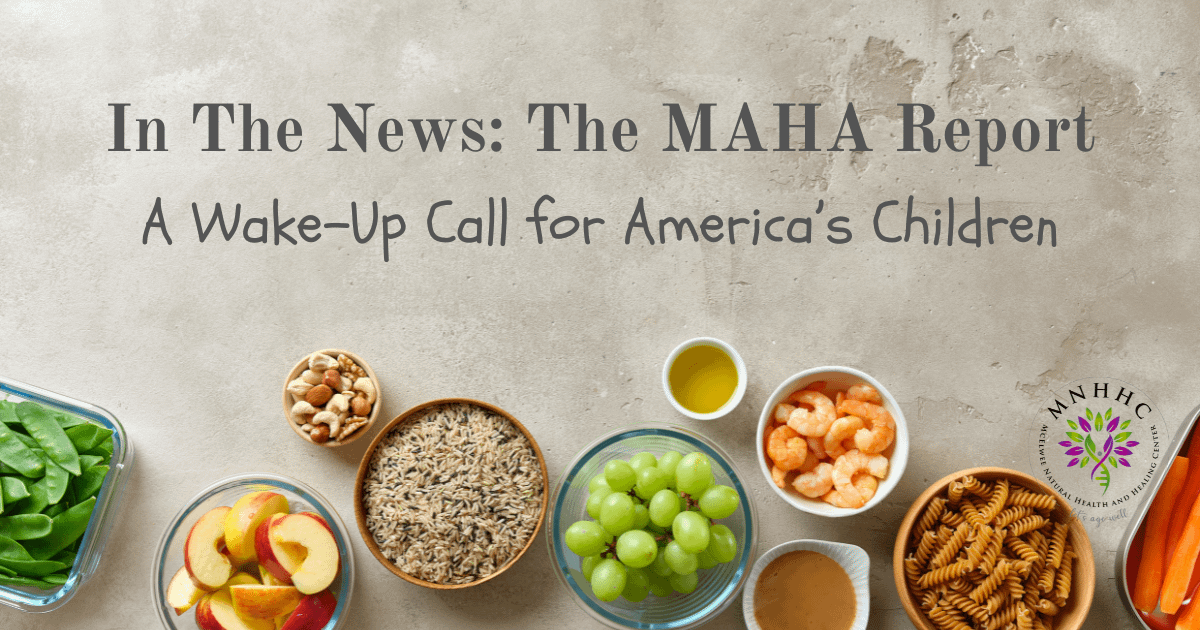
On May 27, 2025, U.S. Health and Human Services Secretary Robert F. Kennedy Jr. unveiled a groundbre...

Seasonal allergies plague many Maryland residents, with Harford County’s high pollen counts making s...

At McElwee Natural Health and Healing Center, we’ve long championed the power of natural, whole food...

When it comes to cooking, the tools you use are just as important as the ingredients you select. Coo...

This year we have seen a resurgence of measles, a highly contagious viral disease. Before the introd...

If you’re passionate about whole, natural foods and your health, genetically modified organisms (GMO...

We were thrilled to learn of Robert F. Kennedy Jr.’s confirmation as the new Secretary of Health and...

When your child is running a fever, it can be a worrying time for any parent. The decision of whethe...

Red Dye #3, or Erythrosine, is a synthetic red coloring used in various food and cosmetic products....

The “Make America Healthy Again” (MAHA) movement emerges at a crucial time when the Unit...

The holidays are a time of coming together to get caught up in the lives of loved ones, share fond m...
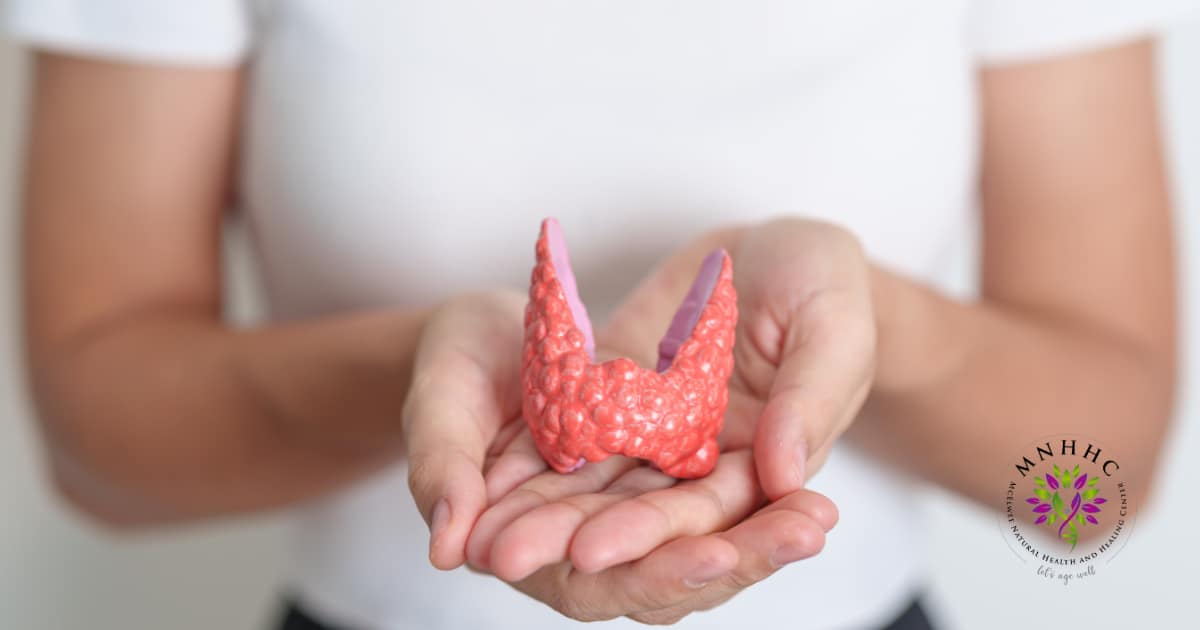
The thyroid gland, a small but crucial butterfly-shaped organ in the neck, regulates a myriad of bod...

Maintaining good health relies on essential vitamins and minerals like vitamin C, calcium, and iron....

When we think about the essential nutrients contributing to our overall health, our minds often grav...

When we think about essential nutrients for our bodies, we often focus on vitamins and minerals like...

When it comes to essential minerals for our health, manganese often takes a backseat to more popular...
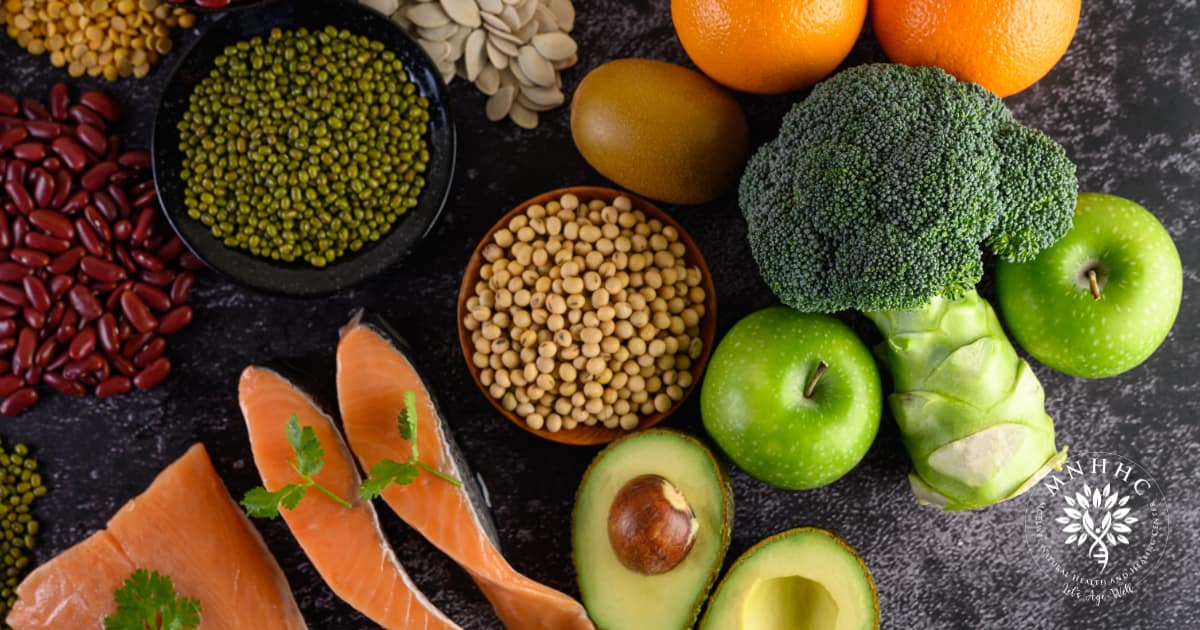
Zinc is a mineral that is crucial in maintaining overall health and well-being. While often overlook...
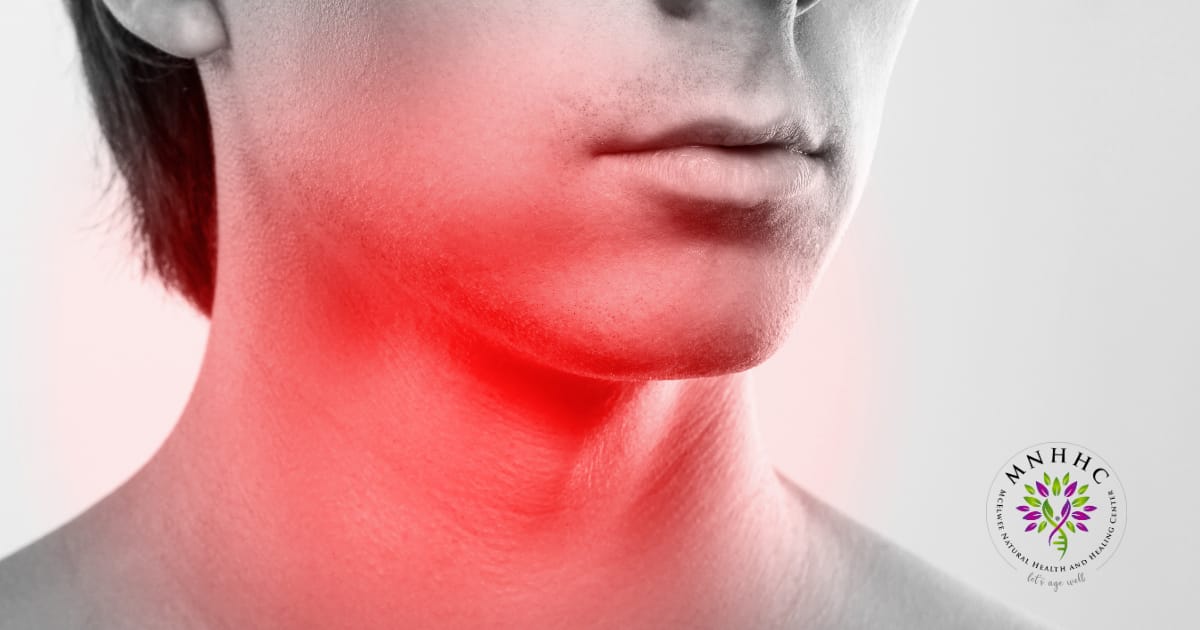
Many people overlook the importance of iodine in their diet when it comes to maintaining optimal hea...
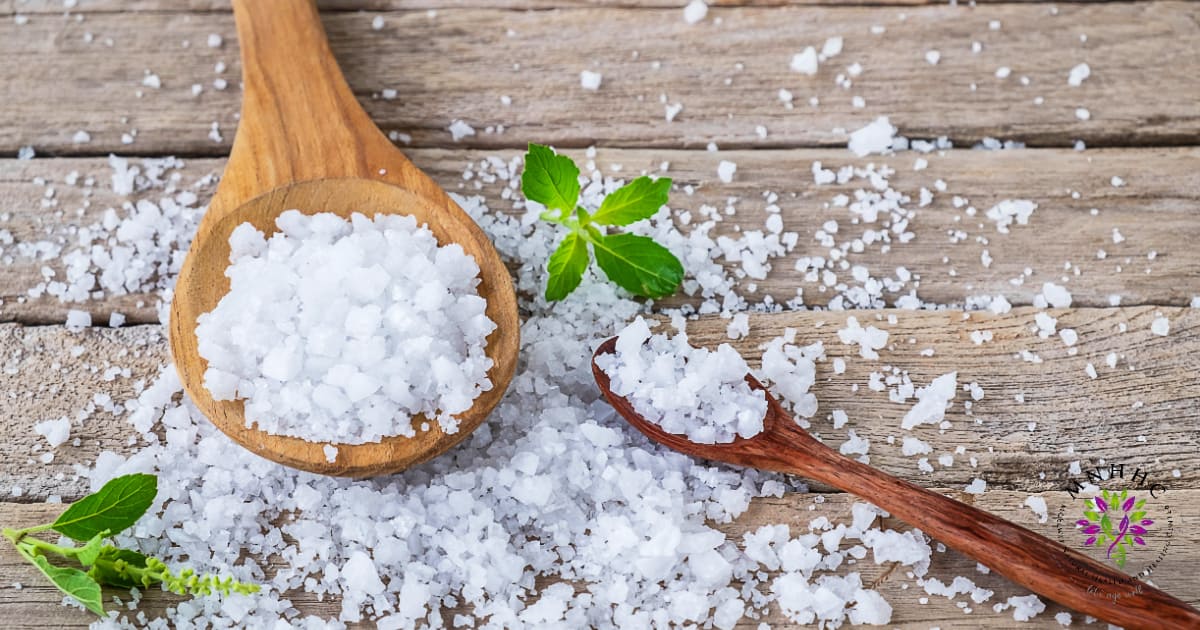
Understanding the role of sodium in our bodies is crucial to maintaining optimal health. Sodium play...

When we think about essential nutrients for our body, we often hear about the importance of vitamins...

From energy production to cell growth, phosphorus is a vital mineral that is crucial for various fun...
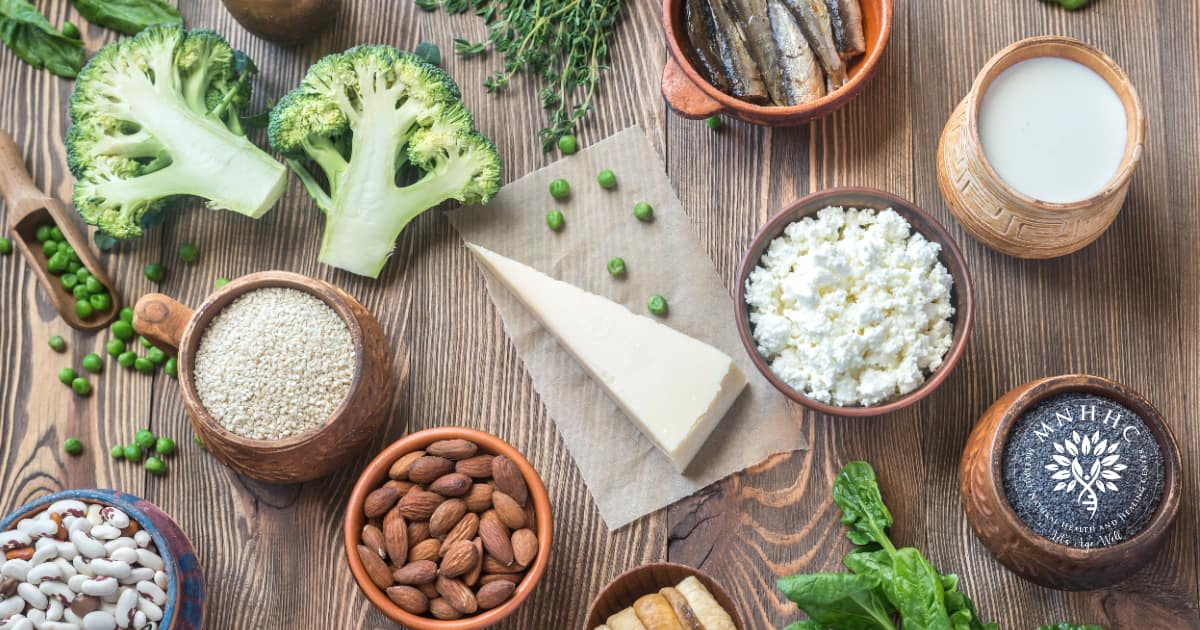
Calcium is an essential mineral that plays a vital role in various body functions. From strong bones...
When it comes to maintaining good health, most people are familiar with the importance of vitamins l...
Many of us are familiar with the many essential vitamins in our diet. Still, one that often gets ove...

Have you ever noticed how a sunny day can instantly boost your mood? Well, that’s not just a c...

Vitamin C stands out as the go to vitamin for maintaining optimal healt. This essential vitamin, als...

B vitamins play a crucial role in maintaining optimal health. These essential nutrients are water-so...

Vitamin A is an essential vitamin that is vital for various bodily functions. We often hear about th...

In today’s health-conscious world, many people are becoming more aware of the impact of their...

Imagine biting into a juicy, ripe tomato only to find that it lacks vibrant flavor and essential nut...
When you pick up a packaged food item from the grocery store shelf, chances are you’ll see the term...
Houseplants are not only a beautiful addition to your home decor, but they also offer numerous healt...

Feeling tired all the time is a common complaint among many people today. It can be a frustrating an...

Our bodies are constantly bombarded with toxins from the environment, food, and even the products we...

As our Dads age, it becomes increasingly important to prioritize their health and well-being. From e...

As a holistic health practice, McElwee Natural Health and Healing is dedicated to enhancing overall...

Electromagnetic fields (EMFs) are invisible lines of force that surround electronic devices and powe...

Are you seeking a natural method to enhance your overall wellness? Discover the PEMF mat at McElwee...

At McElwee Natural Health and Healing, we believe proper health is about more than just the absence...
Imagine stepping outside your home on a bright morning, the birds chirping, the sun shining, and the...

Have you ever thought about potential hazards lurking in your home? We often assume that our living spaces are safe and free from harm, but the truth is that there are numerous items that could be causing illness without us even realizing it. From cleaning products to furniture, the home is filled with substances that can be stressors, trigger allergies, respiratory issues, and even chronic illnesses. Today, we will explore the top 10 things in your home that you may be sensitive to and how they could affect your health.
So, let’s take a tour of your home to discover the hidden culprits that may compromise your well-being.
One of the most common triggers for allergies and sensitivities is synthetic fragrances. These artificial scents can be found in various household products, including air fresheners, cleaning agents, and personal care items. While they may make our homes smell pleasant, they can also release harmful chemicals into our air.
When exposed to synthetic fragrances, many people develop symptoms such as headaches, dizziness, and respiratory irritation. This is because these fragrances often contain volatile organic compounds (VOCs) that can cause allergic reactions and even contribute to the development of asthma.
We frequently see clients with synthetic fragrances as a stressor at McElwee Natural Health and Healing. Often secretive, hiding in the major organs, fragrances can affect the endocrine, reproductive, and central nervous systems.
Opt for natural alternatives such as essential oils or fragrance-free products to reduce your exposure. Open your windows regularly to let fresh air circulate, and consider investing in a high-quality air purifier to filter out harmful airborne particles.
Try one of these homemade air fresheners!
Mold and mildew are common household issues that can significantly impact our health. These fungi thrive in damp environments, such as bathrooms, basements, and areas with poor ventilation. When spores are released into the air, they can trigger allergies and respiratory problems, particularly in individuals with weakened immune systems.
Keeping your home clean and dry is essential to prevent mold and mildew growth. Fix leaks or water damage promptly and ensure proper ventilation in moisture-prone areas. Use a dehumidifier if necessary, and regularly clean and disinfect surfaces to prevent fungal growth.
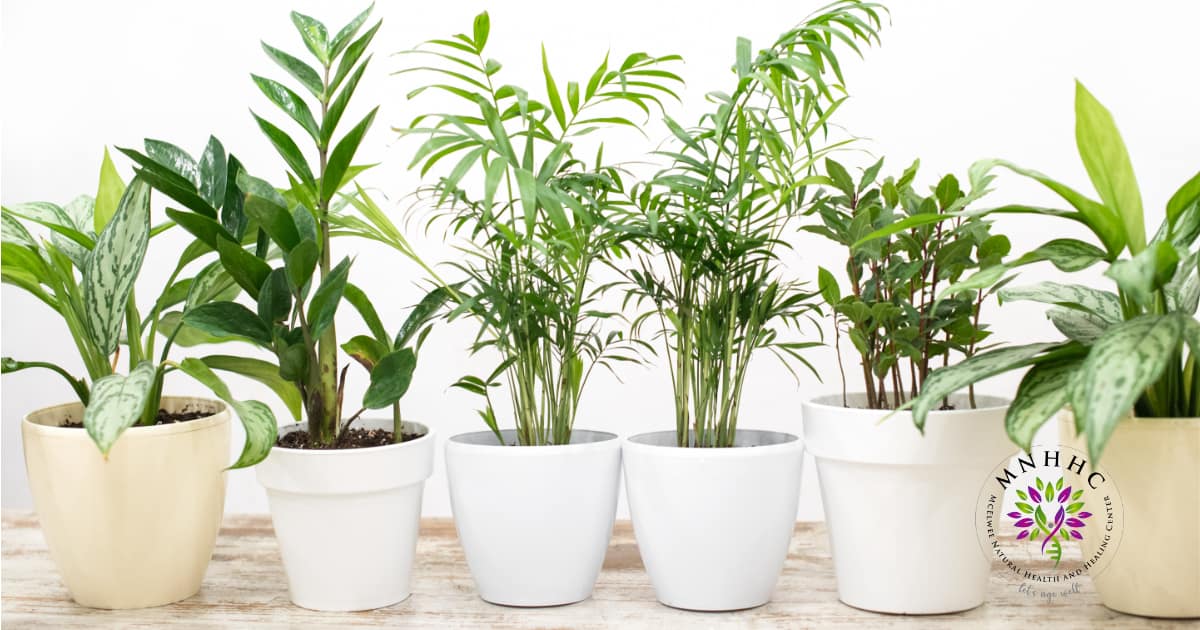
Add some of these moisture-wicking plants to your environment to reduce moisture in the home!
If you suspect mold or mildew in your home, put an uncovered glass jar in the area of concern for 24 hours. Put a lid on the jar and bring it to the office. We can see if the air in the jar resonates with the mold frequency.
If mold is identified, address the issue promptly with a professional mold remediation service to locate and ensure the complete removal of these harmful substances.
Certain types of cookware can pose potential hazards to your health if not used or cared for properly. Non-stick cookware can release toxic fumes if overheated. These fumes can cause flu-like symptoms in humans and can be fatal to pet birds. Aluminum is another material used in cookware that can affect your health. Aluminum can leach into your food, especially when you cook acidic foods. While the human body can handle small amounts of aluminum, more significant amounts may pose health risks. Opt for stainless steel or cast iron cookware.
Several chemicals in water can affect human health if they are either in high concentrations or your body cannot process and detox the chemicals on its own. Arsenic can seep into groundwater. Ingesting water with high levels of arsenic can lead to skin damage, problems with the circulatory system, and an increased risk of cancer. Mercury can contaminate water through industrial waste or natural deposits. Ingesting mercury can damage the nervous system, particularly in developing fetuses and young children. Fluoride can have harmful bone and neurological effects.
Various water purification systems can effectively remove or reduce the concentration of harmful chemicals in water. Activated carbon filters, reverse osmosis systems, and distillation can all be effective.
Like testing the air, McElwee Natural Health and Healing Center can test your water to see what chemicals are resonating in the water. Just fill a glass jar and bring it to your next appointment.
While we may not be able to see them, dust mites are microscopic creatures that can wreak havoc on our health. These tiny bugs thrive in warm, humid environments and feed on dead skin cells. Mites are commonly found in bedding, upholstered furniture, and carpets.
Dust mite allergies can cause symptoms ranging from sneezing and runny nose to itchy skin and asthma attacks. To minimize exposure, wash bedding regularly in hot water, use dust mite-proof covers on mattresses and pillows, and vacuum carpets and upholstery frequently. Maintaining a clean and clutter-free living space is essential, as dust mites thrive in dusty and stagnant areas.
Other things in the home that can cause illness include:
Our holistic health practice aims to create awareness about the potential health risks in our surroundings. By understanding the impact of these often overlooked factors, we can take proactive steps to minimize our exposure and create a healthier living environment for ourselves and our loved ones. The ability to process and detox from substances is individualized. Things that affect one person may not impact others. To determine your stressors, contact McElwee Natural Health and Healing Center for a complete NRT evaluation.

Chronic diseases like heart disease, obesity, and diabetes are among the leading causes of death and disability in the world. However, imagine a scenario where nutrition can deter chronic illnesses before they occur. Consider the potential of harnessing nutrition as a dynamic instrument to boost our overall health. This isn’t merely wishful thinking; it’s an achievable reality.
At McElwee Natural Health and Healing Center, we believe that proper nutrition is the foundation of good health. We understand that each individual has unique needs and goals, so we help our clients build a nutrition plan that works for them. Our approach empowers individuals to make informed choices about their diet and lifestyle, ultimately protecting against chronic diseases and promoting overall well-being.
In this blog post, we will explore the crucial role of nutrition in protecting against chronic disease and how McElwee Natural Health and Healing Center can help you achieve optimal health.
The Link Between Nutrition and Chronic Disease
Nutrition plays a fundamental role in protecting against chronic disease. Our food provides essential nutrients our bodies need to function correctly. A poor diet lacking essential nutrients can lead to many health problems, including chronic diseases.
For example, a diet high in processed foods, trans fats, and added sugars has been linked to an increased risk of heart disease. These unhealthy dietary choices can raise cholesterol levels, increase blood pressure, and contribute to obesity – all risk factors for heart disease.
Other chronic diseases include:
A diet rich in fruits, vegetables, whole grains, and lean proteins has been shown to reduce the risk of chronic diseases. These nutrient-dense foods provide the vitamins, minerals, and antioxidants needed to support the body’s natural defense mechanisms and promote optimal health.
While the importance of nutrition in protecting against chronic disease is well-established, it can be challenging to navigate the vast amount of information available and make the right choices for your individual needs.
We work closely with each individual to understand how their body processes certain foods. We consider age, gender, activity level, medical history, stressors, imbalances, and personal preferences to help you create a customized nutrition plan tailored to your specific needs.
Through one-on-one coaching sessions, we provide education, support, and guidance to help individuals make sustainable changes to their diet and lifestyle. We focus on empowering individuals to make informed choices rather than prescribing rigid diets or quick fixes. By addressing the root causes of poor nutrition and providing personalized strategies, we help individuals develop healthy habits that will last a lifetime.
At McElwee Natural Health and Healing Center, we aim to help individuals achieve optimal health through nutrition. Prevention is the key to long-term well-being, and nutrition is at the heart of prevention.
By adopting a personalized approach to nutrition, we empower individuals to take control of their health and protect themselves against chronic diseases. The right nutrition plan can help to calm the body and find balance again, leading to remarkable improvements in their overall health, including weight loss, increased energy levels, improved digestion, and reduced risk of chronic diseases.Whether you want to protect against chronic diseases, manage a specific health condition, or improve your overall well-being, McElwee Natural Health and Healing Center’s nutritional coaching can help you navigate how nutrition affects your health. Contact us today to get started!

McElwee Natural Health and Healing clients are very familiar with the terms blocked and switched. Who among us hasn’t been one or the other at some point in our health journeys? Likely not many, which is why we find ourselves taking this health journey. Today, we will discuss the autonomic nervous system, what it means to be blocked or switched, their effects on your health, and how we correct them, as these are foundational to healing.
Before we dive into blocked and switched, let’s quickly discuss the importance of having a locked muscle. A locked muscle is your body’s reaction when the health practitioner applies pressure during the Nutrition Response Testing process. This simple check is done by pushing on an arm, leg, or other body part in the hopes that the muscle locks when challenged. If the muscle does not lock, the health practitioner must identify if a stressor is pulling away energy from that muscle. Once it is determined that the muscle does lock, the practitioner can assess if the client is blocked.
Much like determining if there is a muscle lock, determining if a client is blocked involves testing the muscle when pressure is applied to a specific area, primarily the umbilicus. It seems straightforward, but to better understand what it means, let’s first define some terms.
When assessing a block, we are analyzing the state of your autonomic nervous system (ANS). This part of the nervous system regulates critical involuntary body functions, including the activity of the heart and circulatory system, breathing, digestion, immune function, cellular repair, etc. These are the bodily functions that are not under your conscious control.
There are two parts of the ANS:
When our bodies aren’t functioning as they usually do, it could indicate an imbalance in our autonomic nervous system (ANS).
Through a process called autonomic regulation, the ANS adjusts the activity of the sympathetic and parasympathetic nervous systems based on the body’s current needs. If your body has open regulation, it means that the ANS is functioning normally, and the body can and does respond to stress as needed and then can rest and repair itself.
However, if your body has blocked regulation, the body cannot adjust adequately to the changing conditions and demands on the body. The body becomes stuck in some level of SNS and/or PSNS dysfunction and has lost its ability to adapt optimally. This interferes with the ability of the body to respond well to stress or to heal and repair itself.
For example, if your body has blocked regulation and is stuck in the SNS, you might always feel “on” and unable to relax. On the other hand, if your body is stuck in PSNS, you may always feel tired. Bringing one’s ANS into balance is crucial to healing and maintaining wellness.
The ANS regulation assessment is a bio-electrical assessment where we use two body parts’ dense, circular ANS fibers to generate a charged electrical field.
The practitioner will place the palm of their hand, which gives off a measurable electromagnetic field, on the client’s umbilicus, ears, mouth, or any other body opening with a similar pattern of dense, circular ANS fibers.
The way the assessment works is similar to holding the poles of two separate magnets together (positive to positive or negative to negative). The result is an effort to repel or push away from each other.
Placing a correctly positioned palm into approximation with the umbilicus, ears, mouth, etc., will create a similar response – an effort to withdraw or push away. However, the electromagnetic field produced is not strong enough to physically repel the body from the testing hand, so we use muscle testing.
During the assessment, if the ANS of the client is in open regulation, the ANS will correctly interpret the bio-electrical field of the palm as non-threatening and will down-regulate itself. This results in a weakness of the strong indicator muscle and the client’s arm going down. When the client’s arm goes down, it means that regulation is open and healing is optimized.
However, if the strong indicator muscle remains strong during the test and the arm does not go down, it indicates that the ANS is not able to down-regulate in response to the bio-electrical field of the palm. Therefore, something is blocking its ability to regulate to some degree. If the body cannot regulate, it will not respond to any natural therapeutic interventions and will continue to feel unwell.
When a block is found, the practitioner will identify what, if any, stressors are causing the block. Once the stressor is identified, an appropriate whole-food supplement is chosen to open regulation.
The next assessment the practitioner makes is checking if his body is switched. Switching occurs when the ANS is in a state of confusion or dysregulation. We test for switched regulation through the skin.
Many know the skin is the body’s largest organ and protects us against the outside world. Skin is also a vital part of our nervous system, playing a significant role in how our body communicates with itself and responds to the environment.
80% sympathetic fibers of the ANS are found in the skin. These nerve fibers, which play a critical role in our bodies’ response to stress and emergencies, create an incredibly complex communication system. The nerve fibers in the skin are responsible for sending and receiving a massive amount of information, in the form of electrical signals, to and from the brain and other body parts. These signals help regulate various bodily functions and responses, such as heart rate, blood pressure, and body temperature.
Anything that interferes with this delicately balanced electrical matrix communication system can cause the electrical energy originating in the brain and nervous system to be “turned, shifted, or diverted” from its intended direction or target organ. This results in uncoordinated actions by the electrical signal, which affects the organs. These dysfunctional states can be the cause of feeling unwell or illness, which, if unhandled and uncorrected, can lead to irreversible pathological disease.
For clients, being switched can feel like a roller coaster with good and bad days. This feeling occurs because what worked while the body was fully regulated is no longer optimal in a switched state. Whole-food supplements that help find balance have the opposite effect on the body during a dysregulated switched state.
When a switch is identified, the practitioner will see if any stressors are causing the switch. Once the stressor is identified, an appropriate whole-food supplement is chosen to bring regulation into balance.
It’s easy to say, “Well, it doesn’t matter if I am blocked or switched because I am not doing the Nutrition Response Program.” Unfortunately, it’s not that simple. These assessments indeed help the practitioner prepare the body for optimal healing. But it’s also true that being blocked or switched in your everyday life will continue to be a barrier to optimal well-being.
For example, say you want to try the latest “feel better” pills, drink concoction, or essential oils you saw while scrolling through Facebook or your sister’s, friend’s, uncle swears by. Regardless of the validity of the latest “cures,” if you are blocked or switched, they will not work.
The same can be said for any traditional medications. If the body’s autonomic regulation is not open, then the intended benefits from the medications will not be felt.
A properly regulated autonomic nervous system is the most critical foundation for healing and well-being.
When participating in Nutrition Response Testing, three important foundational tests must be conducted before the practitioner scans the body for imbalance.
Each of these needs to be corrected before addressing any imbalances in the body because, without open regulation, the body can not heal. Contact us today for a complete evaluation!

Stress is a constant challenge in our hectic and demanding lives. It can affect our health, our mood, and our productivity. But there are ways to cope with stress without resorting to drugs or alcohol. You can use natural and holistic methods to calm your mind, relax your body, and restore your balance.
Today, we will explore ways to combat stress through superfoods, whole-food supplements, exercise, and more!
Leafy greens, such as spinach, kale, and Swiss chard, are nutritional powerhouses that can work wonders for stress levels. These vibrant greens are packed with vitamins, minerals, and antioxidants and offer many benefits for your overall well-being.
First and foremost, leafy greens are rich in magnesium, a mineral known to relax the muscles and calm the nervous system. When we’re stressed, our bodies tend to deplete magnesium reserves, leading to muscle tension and heightened anxiety. Incorporating leafy greens into your diet can replenish your magnesium stores and promote a sense of calm and relaxation.
Furthermore, leafy greens are a great source of B vitamins, particularly folate. B vitamins play a crucial role in the production of serotonin, a neurotransmitter responsible for regulating mood. Studies have shown that low levels of folate are associated with an increased risk of depression and anxiety. You can boost your folate intake and support a healthy mind by including leafy greens in your meals.
With their luscious colors and sweet flavors, Berries are a delightful treat for the taste buds and a powerful ally in the fight against stress. These tiny fruits are bursting with antioxidants, which help protect our bodies from the damaging effects of stress-induced free radicals.
One of the essential antioxidants found in berries is vitamin C. This potent nutrient strengthens our immune system and plays a crucial role in reducing stress. Research has shown that vitamin C can lower cortisol levels, the hormone responsible for the body’s stress response. By incorporating a variety of berries, such as strawberries, blueberries, and raspberries, into your diet, you can ensure a steady supply of vitamin C and keep stress at bay.
Berries are also rich in fiber. Fiber is essential for maintaining a healthy gut, which has been increasingly linked to mental health. Studies have shown that a diverse and balanced gut microbiome can positively influence mood and stress levels. So, by enjoying a handful of berries each day, you are not only treating your taste buds but also nourishing your gut and promoting emotional well-being.
When it comes to stress management, nuts and seeds are a true dynamo. These bite-sized powerhouses are packed with nutrients that can help alleviate stress and promote a sense of calm.
Firstly, nuts and seeds are a rich source of omega-3 fatty acids. These essential fats have been shown to reduce inflammation in the body, including in the brain. Chronic inflammation has been linked to an increased risk of stress-related disorders, such as anxiety and depression. By incorporating omega-3-rich nuts and seeds, such as walnuts, flaxseeds, and chia seeds, into your diet, you can help reduce inflammation and support your mental well-being.
Moreover, nuts and seeds are also high in tryptophan, an amino acid that plays a vital role in the production of serotonin. Serotonin, often called the “feel-good” neurotransmitter, helps regulate mood, sleep, and appetite. Providing your body with a steady supply of tryptophan, nuts, and seeds can help boost serotonin levels and promote a sense of calm and contentment.
Several whole-food supplements can fill in the holes in one’s diet to help reduce stress.
One whole-food supplement that has gained attention for its potential stress-relieving properties is ashwagandha. Ashwagandha is an adaptogenic herb used in traditional Ayurvedic medicine for centuries. It is believed to help the body adapt to stress by supporting the adrenal glands and regulating cortisol levels. Incorporating ashwagandha into your daily routine may help promote a sense of calm and reduce anxiety.
Another whole-food supplement for managing stress is omega-3 fatty acids, commonly found in fish oil. Omega-3 fatty acids are essential fats that are crucial to brain health. They have been found to reduce inflammation, which can contribute to stress. Additionally, omega-3s have been linked to improved mood and cognitive function, potentially aiding stress management.
Probiotics, often found in fermented foods like yogurt and sauerkraut, are another whole-food supplement that may support stress management. Research has shown a strong connection between the gut and brain, often called the gut-brain axis. Probiotics help maintain a healthy balance of gut bacteria, which can influence our mental well-being.
There are several strategies beyond superfoods and supplements that can effectively help manage stress and promote healthier habits.
One way to manage stress is through regular exercise. Physical activity has been proven to be an effective stress reliever. Exercising releases endorphins, which are natural mood boosters. Regular exercise can also help improve sleep quality and increase self-confidence, both of which contribute to reducing stress levels. Stress-relieving exercises include jogging, yoga, swimming, or even a simple walk in nature.
Another effective method is practicing relaxation techniques. Deep breathing exercises, meditation, and mindfulness can all help reduce stress and anxiety. These techniques allow individuals to focus on the present moment, promoting a sense of calmness and tranquility.
One way to incorporate mindfulness into your daily routine is to find a quiet space, sit comfortably, focus on your breath, or repeat a calming mantra. Other mindfulness techniques include deep breathing exercises, progressive muscle relaxation, or engaging in activities that promote relaxation, such as taking a warm bath or listening to calming music.
Taking short breaks to practice these techniques throughout the day can significantly alleviate stress.
Engaging in hobbies or activities that bring joy and relaxation is also important. This could involve reading a book, listening to music, painting, gardening, or any other activity that allows self-expression and creates a sense of fulfillment. Individuals can effectively make managing stress enjoyable by finding activities that bring pleasure and divert attention from stressors.
Building a strong support system is another crucial aspect of stress management. Talking to trusted friends and family or seeking support from a therapist or support group can provide a valuable outlet for emotional release and help alleviate stress.
Stress is an inevitable part of our lives. But, it can be comforting to know that nature provides us with a holistic solution. With their abundance of nutrients and whole-food supplements, Superfoods offer natural ways to manage stress through food. Incorporating other stress-reducing techniques can be relaxing, engaging, and even enjoyable.
McElwee Natural Health and Healing Center can help you build individualized coping mechanisms and implement a healthy diet for a well-rounded, holistic approach to stress management. Call us today!

Imagine waking up each morning feeling energized and ready to tackle the day. Your body feels strong, your mind is clear, and your spirit is vibrant. This is the essence of vitality – a state of being that encompasses physical, mental, and emotional well-being. In today’s fast-paced world, it’s easy to feel drained, overwhelmed, and disconnected from our true selves. But the good news is that reclaiming your vitality is within your reach, and it starts with adopting a holistic and natural approach to health.
At our holistic health practice, we believe that true vitality comes from nurturing the body, mind, and spirit. It’s about finding balance, embracing self-care, and making conscious choices that support your well-being. In this blog post, we will explore ways to reclaim your vitality, emphasizing holistic and natural solutions.
When reclaiming your vitality, taking care of your physical body is crucial. Our bodies are incredibly resilient and have an innate ability to heal themselves when given the right conditions. Here are three key areas to focus on when nurturing your body:
While physical health is essential, true vitality also involves nurturing your mental well-being. Our minds have a tremendous impact on our overall health, and adopting practices that promote a healthy mindset is key. Here are three ways to cultivate a healthy mind:
Vitality goes beyond physical and mental well-being; it also involves nourishing your spirit – the essence of who you are. Here are three ways to nourish your spirit:
Poor food choices and lack of exercise are the biggest contributing factors to loss of energy, motivation, and happiness. Many of us mistakenly assume our lack of energy is simply a sign of aging. In most cases age is not the issue. Lack of energy is a common symptom of our bodies being overloaded with toxins. Combine that lack of energy with sugar cravings, digestive problems, skin problems, and weight gain and it feels like an endless cycle.
This month McElwee Natural Health and Healing Center will join Standard Process for the 21-day Purification Challenge. The challenge is meant to reset your body’s chemistry, opening the pathways for your body to find balance.
Reclaiming your vitality is a journey that requires a holistic and natural approach. By nurturing your body, cultivating a healthy mind, and nourishing your spirit, you can unlock the true essence of vitality. The program isn’t about perfection but rather embracing self-care, balance, and conscious choices that support your overall well-being. Contact us to start the journey to reclaiming your vitality today!

As the new year approaches, many of us reflect on the past year and set goals for the future. New Year’s resolutions are common, but those goals are often forgotten or abandoned within a few weeks. This year, however, can be different. Adopting a holistic approach and incorporating natural language into your resolutions can increase your chances of success and create lasting change. This blog post will explore powerful strategies and tips to help you stick to your New Year’s resolutions.
Let’s dive in!
When it comes to setting New Year’s resolutions, it’s important to choose goals that truly resonate with you. Before you get started, reflect on what you want to achieve and why it is important to you. Setting meaningful goals helps create a strong sense of purpose and motivation.
For example, think about why you want to lose weight instead of simply resolving to lose weight. Is it to improve your overall health, increase your energy levels, or boost your self-confidence? Understanding your underlying motivations can infuse your resolutions with a deeper sense of purpose.
Once you have identified your goals, write them down. Putting pen to paper helps solidify your commitment and serves as a constant reminder of what you are working towards. Display your written goals somewhere visible, such as on your bathroom mirror or refrigerator, to keep them top of mind.
Setting goals is only the first step; creating a holistic action plan is the key to sticking to your resolutions. This involves breaking down your goals into smaller, manageable steps and addressing all aspects of your well-being.
For instance, if your resolution is to eat healthier, consider the various components involved. This could include meal planning, grocery shopping, cooking nutritious meals, and practicing mindful eating. By addressing each of these elements, you create a well-rounded approach that increases your chances of success.
Furthermore, it is important to find balance in your action plan. Holistic health incorporates the mind, body, and spirit. So, while it’s great to focus on physical health, remember to integrate practices that nourish your mental and emotional well-being as well. This could involve meditation, journaling, or spending quality time with loved ones.
Another crucial aspect of sticking to your New Year’s resolutions is cultivating a supportive environment. Joining a community of like-minded people who share similar goals can greatly enhance your chances of success.
Consider joining a community or finding an accountability partner who can offer encouragement, motivation, and support. This person can be a close friend, family member, or even someone you connect with online through holistic health forums or social media groups.
Moreover, creating an environment that aligns with your resolutions can make it easier to stick to them. For instance, if your goal is to exercise regularly, set up a dedicated workout space in your home or find a nearby gym that offers classes you enjoy. Making your environment conducive to your goals removes potential obstacles and increases your chances of follow-through.
Instead of setting a broad resolution like “lose weight,” break it down into specific, achievable goals. For example, you can aim to exercise for at least 30 minutes daily or remove one food stressor daily. By breaking down your resolution into smaller goals, you make it easier to track your progress and stay motivated.
Sticking to your New Year’s resolutions may seem challenging, but with a holistic and natural approach, you can increase your chances of success. By setting meaningful goals, creating a holistic action plan, and cultivating a supportive environment, you are well on your way to making lasting change.
Remember, it’s not about perfection, but progress. Be kind to yourself along the way, celebrate your achievements, and keep moving forward. Here’s to a year filled with growth, health, and holistic well-being!
Contact us today! We’d love to support you in your journey!