
Surviving the Holidays Without Losing Your Mind (or Your Immune System)
Welcome to the most wonderful—and occasionally most chaotic—time of the year! At McElwee Natural Hea...

Welcome to the most wonderful—and occasionally most chaotic—time of the year! At McElwee Natural Hea...

At McElwee Natural Health and Healing Center, we’re committed to empowering families with info...

In a groundbreaking announcement on September 22, 2025, President Donald Trump, flanked by Health an...

In a world where modern medicine often treats symptoms with pills and procedures, what if the key to...
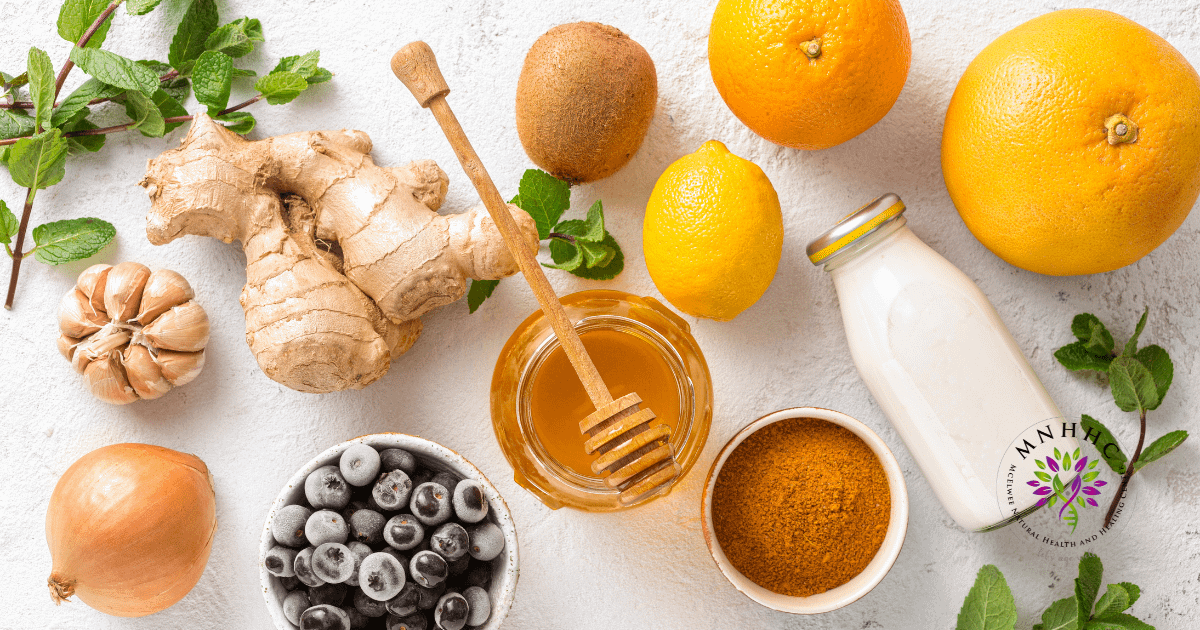
At McElwee Natural Health and Healing Center, we’re committed to empowering our community with knowl...
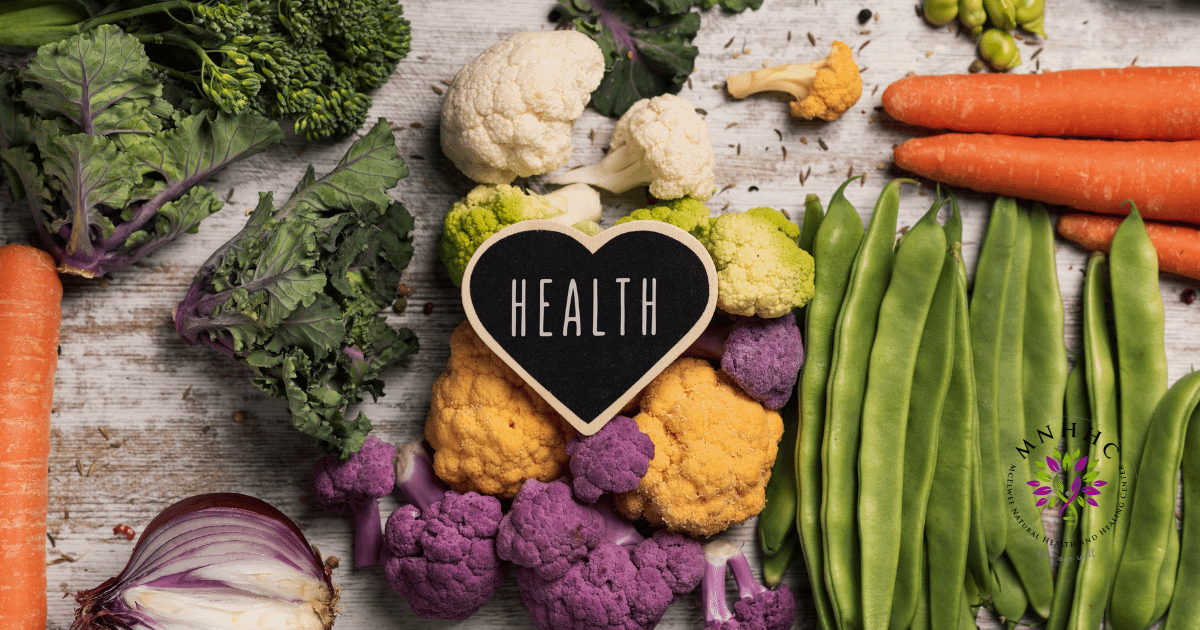
At McElwee Natural Health and Healing, our mission is to empower you to achieve vibrant health by ad...
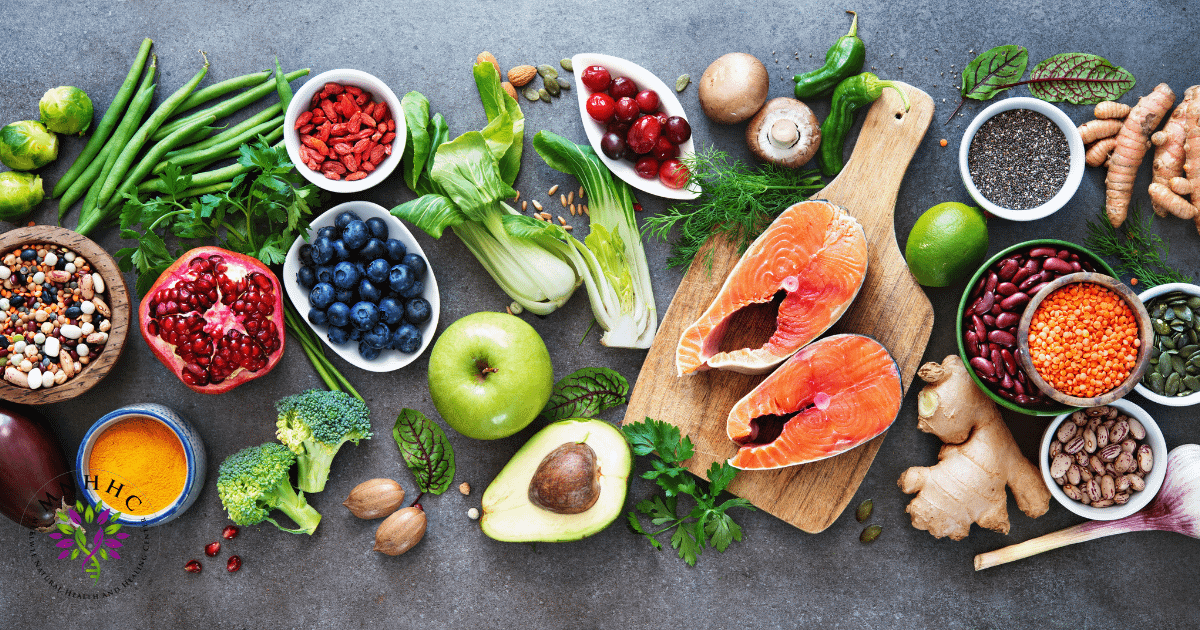
Ever wonder why you feel bloated, exhausted, or achy after certain meals? These could be your body’s...

Frozen shoulder, medically known as adhesive capsulitis, is a debilitating condition characterized b...

As summer heats up in Maryland, the fields are bursting with vibrant, local produce that can nourish...

At McElwee Natural Health and Healing Center, we believe in empowering you to take charge of your we...

On May 27, 2025, U.S. Health and Human Services Secretary Robert F. Kennedy Jr. unveiled a groundbre...

Seasonal allergies plague many Maryland residents, with Harford County’s high pollen counts making s...

At McElwee Natural Health and Healing Center, we’ve long championed the power of natural, whole food...

When it comes to cooking, the tools you use are just as important as the ingredients you select. Coo...

This year we have seen a resurgence of measles, a highly contagious viral disease. Before the introd...

If you’re passionate about whole, natural foods and your health, genetically modified organisms (GMO...

We were thrilled to learn of Robert F. Kennedy Jr.’s confirmation as the new Secretary of Health and...

When your child is running a fever, it can be a worrying time for any parent. The decision of whethe...

Red Dye #3, or Erythrosine, is a synthetic red coloring used in various food and cosmetic products....

The “Make America Healthy Again” (MAHA) movement emerges at a crucial time when the Unit...

The holidays are a time of coming together to get caught up in the lives of loved ones, share fond m...

The thyroid gland, a small but crucial butterfly-shaped organ in the neck, regulates a myriad of bod...
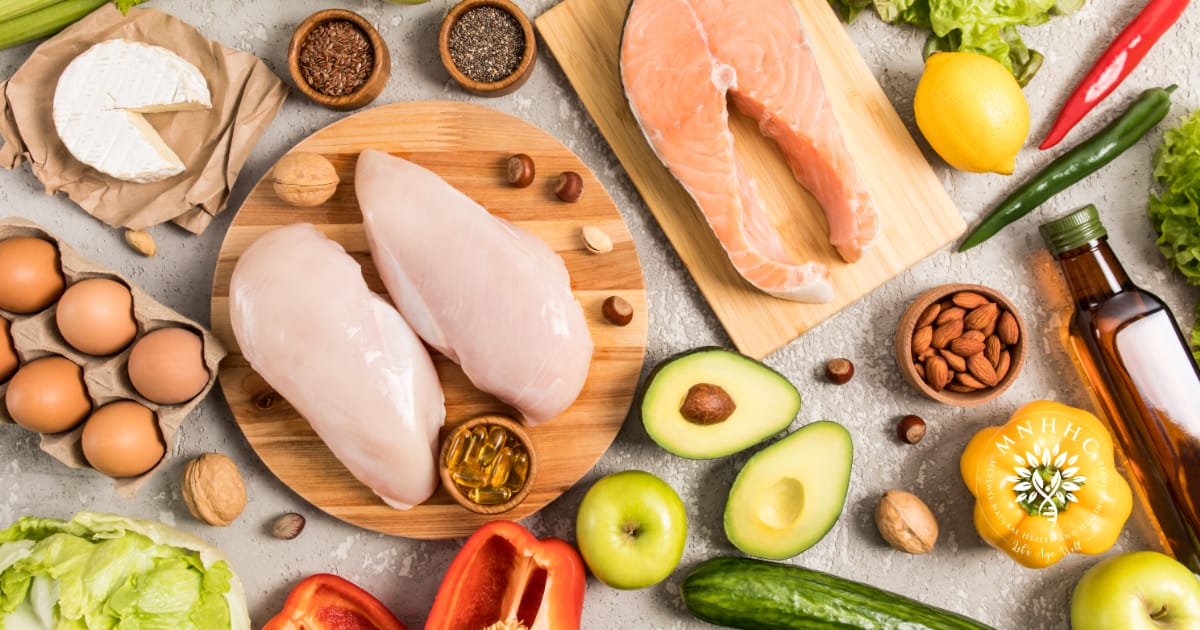
Maintaining good health relies on essential vitamins and minerals like vitamin C, calcium, and iron....
When we think about the essential nutrients contributing to our overall health, our minds often grav...

When we think about essential nutrients for our bodies, we often focus on vitamins and minerals like...
When it comes to essential minerals for our health, manganese often takes a backseat to more popular...
Zinc is a mineral that is crucial in maintaining overall health and well-being. While often overlook...

Many people overlook the importance of iodine in their diet when it comes to maintaining optimal hea...

Understanding the role of sodium in our bodies is crucial to maintaining optimal health. Sodium play...
When we think about essential nutrients for our body, we often hear about the importance of vitamins...
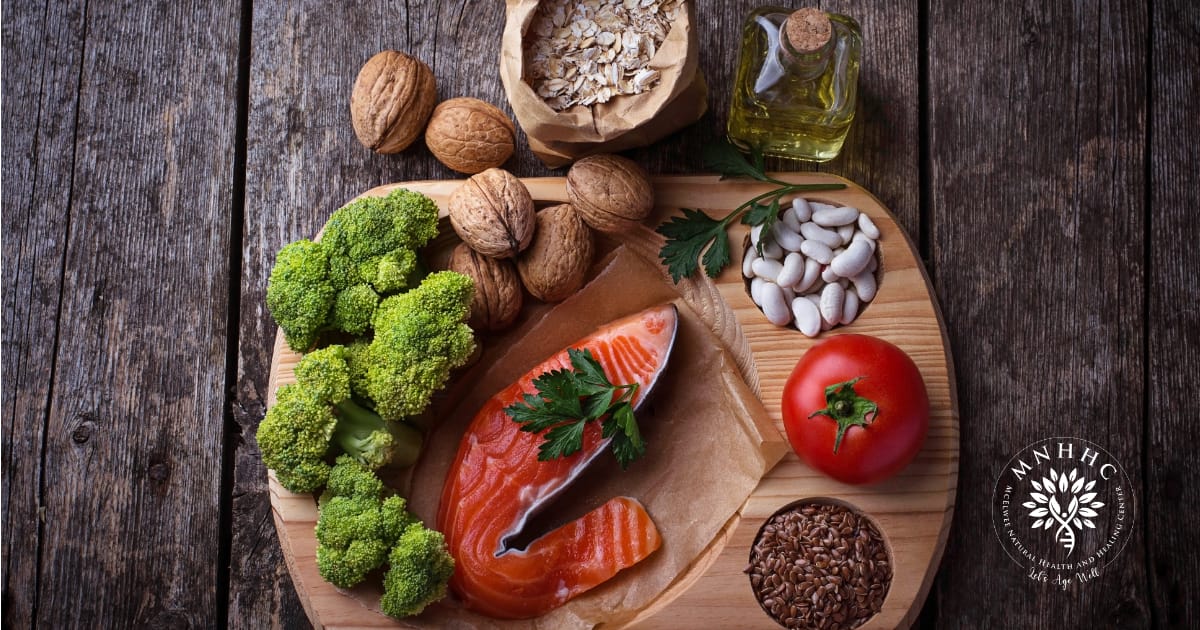
From energy production to cell growth, phosphorus is a vital mineral that is crucial for various fun...
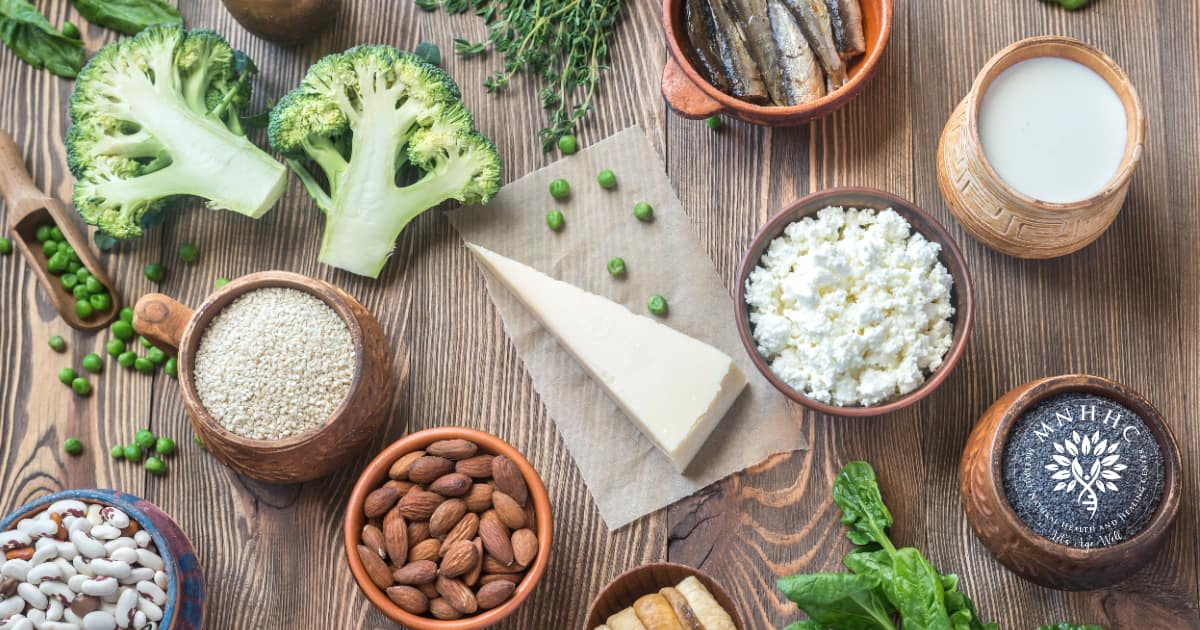
Calcium is an essential mineral that plays a vital role in various body functions. From strong bones...
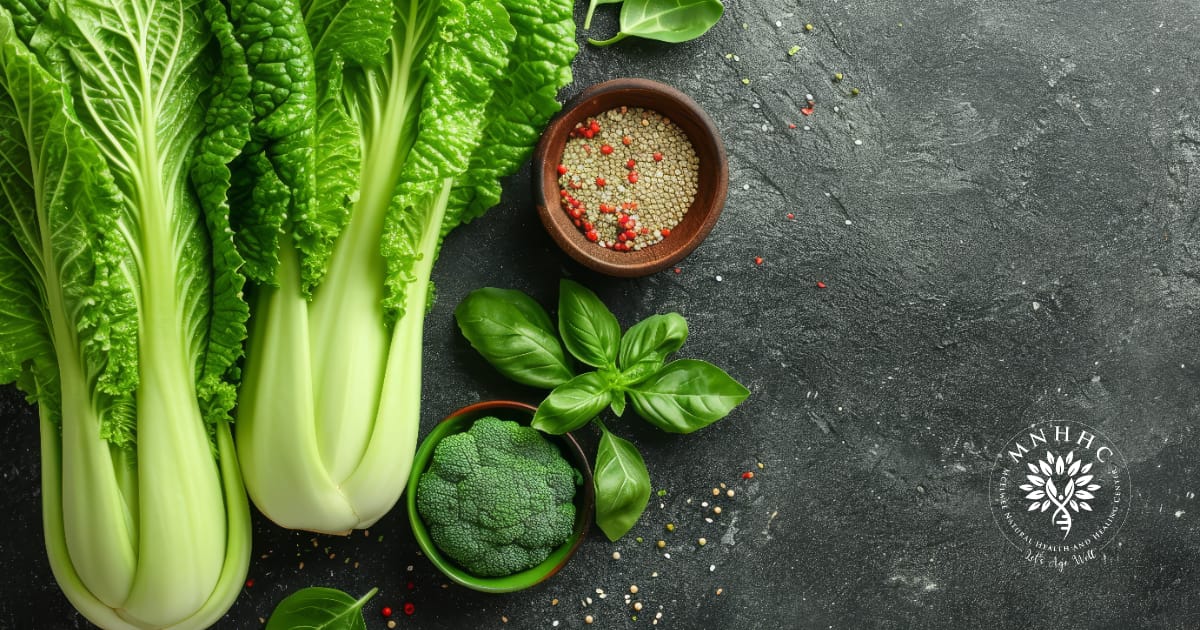
When it comes to maintaining good health, most people are familiar with the importance of vitamins l...
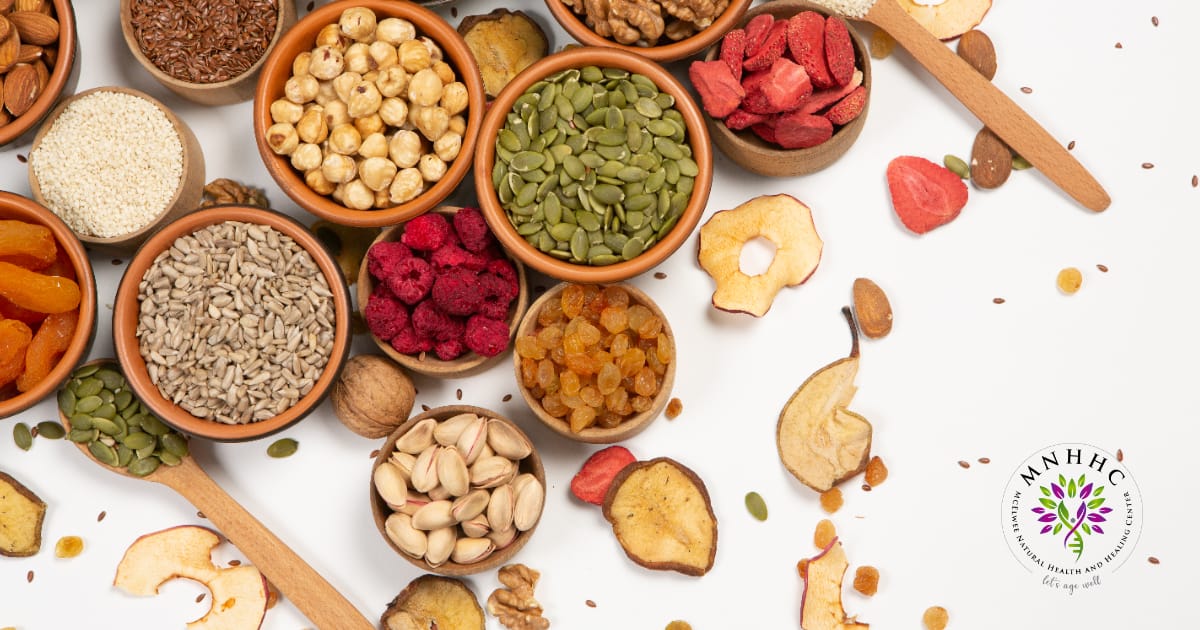
Many of us are familiar with the many essential vitamins in our diet. Still, one that often gets ove...

Have you ever noticed how a sunny day can instantly boost your mood? Well, that’s not just a c...

Vitamin C stands out as the go to vitamin for maintaining optimal healt. This essential vitamin, als...
B vitamins play a crucial role in maintaining optimal health. These essential nutrients are water-so...

Vitamin A is an essential vitamin that is vital for various bodily functions. We often hear about th...

In today’s health-conscious world, many people are becoming more aware of the impact of their...

Imagine biting into a juicy, ripe tomato only to find that it lacks vibrant flavor and essential nut...

When you pick up a packaged food item from the grocery store shelf, chances are you’ll see the term...

Houseplants are not only a beautiful addition to your home decor, but they also offer numerous healt...

Feeling tired all the time is a common complaint among many people today. It can be a frustrating an...

Our bodies are constantly bombarded with toxins from the environment, food, and even the products we...

As our Dads age, it becomes increasingly important to prioritize their health and well-being. From e...

As a holistic health practice, McElwee Natural Health and Healing is dedicated to enhancing overall...

Electromagnetic fields (EMFs) are invisible lines of force that surround electronic devices and powe...

Are you seeking a natural method to enhance your overall wellness? Discover the PEMF mat at McElwee...

At McElwee Natural Health and Healing, we believe proper health is about more than just the absence...

Imagine stepping outside your home on a bright morning, the birds chirping, the sun shining, and the...

We often picture a relaxing and enjoyable experience when dining out at a restaurant. However, beneath the surface of enticing menus and delectable dishes lies a host of hidden nutritional dangers that can impact our health in ways we may not even realize. From the pervasive use of seed oils and soy in cooking to the calorie-laden temptations that fill our plates, eating out can significantly threaten our overall well-being. Today, we will delve into the lesser-known pitfalls of restaurant dining, focusing on the risks associated with seed oils, soy, fat, and more.
One of the hidden nutritional dangers when eating at a restaurant is cross-contamination. Cross-contamination occurs when harmful bacteria from one food item or person are transferred to another food item or person. The transfer of bacteria increases the risk of foodborne illnesses. For example, if a restaurant staff member uses the same cutting board for raw chicken and vegetables without properly cleaning it in between, the bacteria from the raw chicken can contaminate the vegetables. This can result in customers unknowingly consuming harmful pathogens that can cause illness.
Another danger caused by cross-contamination is allergen exposure. For individuals with food allergies or sensitivities, even small traces of forbidden foods can trigger a severe reaction. If a restaurant kitchen is not careful about preventing cross-contamination, allergens like peanuts, gluten, or shellfish can end up in dishes that are supposed to be free of those allergens. This can have serious consequences for customers with food allergies, leading to health issues or even anaphylaxis.
When dining out, inform restaurant staff about any food allergies or dietary restrictions and ask about the restaurant’s practices for preventing cross-contamination.
One of the most insidious dangers lurking in restaurant meals is the prevalent use of seed oils in cooking. While these oils, such as canola, soybean, and corn oil, are often touted as healthier alternatives to saturated fats, they can harm our health. Seed oils are high in omega-6 fatty acids, which, when consumed in excess, can promote inflammation in the body. Chronic inflammation is linked to a host of health issues, including heart disease, diabetes, and obesity.
Unfortunately, many restaurants rely heavily on seed oils for cooking due to their low cost and high smoke point. As a result, even seemingly healthy dishes can be laden with these harmful oils, putting diners at risk without their knowledge.
Diners can also inquire about the cooking methods used by the establishment and request alternatives, such as olive or coconut oil, when possible. By advocating for healthier cooking practices and being informed about the risks associated with seed oils, individuals can take control of their dining experience and prioritize their well-being.
In addition to seed oils, soy is another common but overlooked nutritional danger in many restaurant dishes. Soy is a versatile ingredient that can be found in various forms, including soybean oil, soy sauce, tofu, and tempeh. Soy is also found in packaged goods. While soy is often touted as a health food due to its high protein content and purported benefits for heart health, it can also pose risks for certain individuals. Soy contains compounds called phytoestrogens, which mimic the effects of estrogen in the body and can disrupt hormonal balance. For individuals with soy stressors, consuming soy in large quantities can be problematic.
Despite its prevalence in many cuisines, soy is only sometimes clearly labeled on restaurant menus, making it difficult for diners to avoid if they have sensitivities or allergies. By being vigilant about hidden sources of soy in restaurant meals and communicating dietary restrictions to waitstaff, individuals can protect themselves from the potential dangers of this ubiquitous ingredient.
Dining out at a restaurant can be challenging when you struggle with wheat digestion issues. Menu options often include hidden nutritional dangers in the form of wheat and gluten. For example, dishes labeled as “gluten-free” may still be prepared in a shared kitchen where cross-contamination can occur, leading to adverse reactions in sensitive individuals.
Additionally, sauces, dressings, and marinades used in restaurant cooking often contain wheat-based thickeners or additives, making detecting hidden wheat and gluten challenging.
Consuming these hidden sources of wheat can trigger digestive issues such as bloating, abdominal pain, and diarrhea in individuals with wheat and gluten sensitivities.
While dining out can be a delightful experience filled with tantalizing flavors and tempting treats, it can also be a minefield of hidden fats and calories that sabotage even the healthiest intentions. Restaurant portions are often oversized, leading diners to consume more calories and fat than they realize. From creamy sauces and decadent desserts to deep-fried appetizers and butter-laden entrees, restaurant menus are filled with indulgent options that can derail even the most conscientious eater.
Moreover, the allure of dining out can lead individuals to indulge in foods they might not normally eat, such as high-calorie cocktails, decadent desserts, and carb-heavy side dishes. While enjoying these treats in moderation is fine for most people, overindulging in restaurant meals can contribute to weight gain, elevated cholesterol levels, and other health issues. By being mindful of portion sizes, choosing lighter options when possible, and practicing moderation in their dining choices, individuals can enjoy the restaurant experience without sacrificing their health goals.
Don’t be shy about inquiring about what you are eating. Understanding the ingredients used in dishes and the restaurant’s practices can help diners make healthier decisions for themselves and their bodies. Contact us today for a full evaluation to determine if you have any food stressors causing an imbalance.

agine sitting down to enjoy a delicious slice of cake or a refreshing glass of soda. The sweetness dances on your taste buds, bringing a momentary burst of joy. But have you ever stopped to consider the impact of added sugars on your body? While indulging in sweets might seem harmless, excessive sugar consumption can have alarming consequences for your health. Today, we will explore the effects of added sugars on your body and why it’s important to be mindful of sugar intake.
When you consume foods high in added sugars, your body goes on a rollercoaster ride. Picture this: you take a big bite of a sugary treat, and your taste buds light up with delight. As the sugar enters your bloodstream, your body releases insulin to help regulate blood sugar levels. This spike in insulin leads to a rapid drop in blood sugar, leaving you feeling tired and craving more sugar to regain that initial high.
Excessive sugar consumption can lead to weight gain and obesity. High-sugar foods and beverages are often calorie-dense but nutrient-poor, providing little nutritional value while adding extra pounds to your waistline. This excess weight not only affects your physical appearance but also poses serious health risks, such as an increased risk of heart disease, diabetes, and certain types of cancer.
The impact of added sugars extends beyond your waistline. Research has shown that a high-sugar diet can have detrimental effects on your mental health as well. The sugar rollercoaster can contribute to mood swings, irritability, and even depression. This occurs because sugar causes a rapid spike in blood sugar levels, followed by a crash, which can disrupt neurotransmitter activity in the brain, specifically affecting the production of serotonin.
Moreover, sugar’s impact on mood can also be observed in children. Numerous studies have linked high sugar consumption among children to increased hyperactivity, aggression, and emotional instability. The rapid fluctuations in blood sugar levels caused by sugary snacks and beverages can lead to behavioral changes and difficulty regulating emotions.
Numerous studies have shown that excessive sugar consumption can negatively affect cognitive ability. One reason is that consuming too much sugar can lead to chronic inflammation in the body, including the brain. Inflammation in the brain has been linked to cognitive decline and impaired cognitive function.
Furthermore, high sugar intake can also contribute to insulin resistance, which affects the brain’s ability to regulate glucose levels properly. The brain relies heavily on glucose as its primary energy source, and any glucose metabolism disruption can lead to cognitive impairment.
This is particularly concerning in the long term, as insulin resistance has been associated with an increased risk of developing conditions such as Alzheimer’s disease.
Research has also found that excessive sugar consumption can negatively impact memory and learning. A study conducted on rats showed that a diet high in sugar impaired their spatial learning and memory abilities.
The effects of sugar on cognitive ability can vary among individuals. Some people may be more susceptible then others due to genetic factors or underlying health conditions. Additionally, the specific types of sugar consumed, such as refined sugars versus natural sugars found in fruits, can also play a role in determining the extent of cognitive impairment.
Added sugars can be sneaky and hide in seemingly innocent foods. Take a moment to think about the foods you consume daily. It’s not just the obvious culprits like cookies and candy bars that contain added sugars. You’ll find them in the most unexpected places, such as salad dressings, pasta sauces, and even bread. These hidden sugars can add up quickly, leading to a higher sugar intake than you might realize.
Moreover, the food industry often uses various names for added sugars, making it even more challenging to identify them. Look out for terms like high-fructose corn syrup, dextrose, maltose, and sucrose on ingredient labels. By being aware of these hidden sugars and reading labels carefully, you can make more informed choices and reduce your overall sugar consumption.
Additionally, it’s worth mentioning that not all sugars are created equal. While natural sugars in fruits and vegetables come bundled with essential nutrients and fiber, added sugars offer no nutritional value. So, instead of reaching for that sugary granola bar, opt for fresh fruit to satisfy your sweet tooth while nourishing your body. But before you do, understand how your body processes each type of sugar.
Now that you understand the impact of added sugars on your body, you might be wondering how to break free from the sweet trap. The good news is that reducing your sugar intake and reclaiming your health is entirely possible.
You do not have to go cold turkey! Start gradually with simple substitutions. Swap that can of soda for a glass of infused water or replace sugary snacks with healthier alternatives like nuts, seeds, or yogurt. Over time, your taste buds will adjust, and you’ll find yourself craving sugar less frequently.
In addition to making healthier food choices, it’s essential to prioritize self-care and stress management. Stress can often trigger cravings, leading to emotional eating. Find activities that help you relax and unwind, such as meditation, yoga, or spending time in nature. Taking care of your mental well-being can reduce your reliance on sugar as a coping mechanism.
McElwee Natural Health and Healing offers a whole-food supplement called Gymnema that helps remove the sweet taste of foods to help minimize the desire to eat sweet foods.
We’ve all experienced those times when we were offered a sweet treat, perhaps for a co-worker’s birthday. But have you ever had those moments where you just couldn’t get enough sweets? Cookies, cakes, candy bars, or soda—it didn’t matter. You were powerless and found yourself going that extra mile to track down something sweet. If this has happened to you, it’s possible that a parasite could be contributing to those cravings.
Interestingly, parasitic activity seems to be influenced by the full moon cycle. During the full moon, our bodies naturally produce less melatonin (which helps regulate sleep) and more serotonin (associated with mood and well-being). Parasites thrive on serotonin and use it to move more freely throughout the body. As a result, they become more active during the full moon, requiring more nourishment and making you seek out sugar.
Learn more about parasites here!
While the allure of sweets may be hard to resist, it’s important to be aware of the alarming impact of added sugars on your body. From the rollercoaster to hidden sugars in disguise, excessive sugar consumption can lead to weight gain, health complications, and even affect your mental well-being. By understanding the risks and making conscious choices, you can break free from the sweet trap and embrace a healthier, more balanced lifestyle. Call us for an evaluation to identify any imbalances in your body contributing to your cravings.

When it comes to maintaining a healthy diet, protein is often seen as a crucial component. It plays a vital role in building and repairing tissues, producing enzymes and hormones, and supporting overall bodily functions. While many people associate protein with traditional sources such as meat, fish, and dairy, several surprising protein sources can be incorporated into a healthy diet. Today, we will explore five unexpected protein sources that can help you diversify your diet and boost your overall health.
Quinoa, often referred to as a grain but technically a seed, is a versatile food that has gained popularity in recent years due to its impressive nutritional profile. One of the most surprising facts about quinoa is that it is a complete protein containing all nine essential amino acids that our bodies cannot produce independently. This makes it an excellent choice for vegetarians and vegans who may struggle to obtain all essential amino acids from plant-based sources.
In addition to being a complete protein, quinoa is also rich in fiber, magnesium, and iron. It can be easily incorporated into various dishes, such as salads, stir-fries, or even as a substitute for rice. Whether you are following a plant-based diet or simply looking to add more protein to your meals, quinoa is a surprising source that can provide you with a nutrient-packed punch.
Try this Quinoa Salad from Cookie and Kate!
Spirulina, a type of blue-green algae, may not be the first thing that comes to mind when considering protein sources, but it is undoubtedly a superfood powerhouse. This microscopic organism is packed with essential nutrients, including protein, vitamins, and minerals. Spirulina contains about 60-70% protein, making it one of the most protein-dense foods available.
What makes spirulina even more surprising is it contains all essential amino acids, making it a complete protein source. This makes it an ideal choice for individuals following a vegetarian or vegan diet or anyone looking to increase their protein intake without consuming animal products.
Spirulina can be consumed in tablet or powder form and incorporated into various recipes. Add a teaspoon of spirulina powder to your smoothies, mix it into salad dressings or dips, or sprinkle it over your favorite dishes for an added protein boost. The vibrant green color and unique taste of spirulina can turn your meals into a nutritious and visually appealing experience.
Try this five-ingredient Green Spirulina Smoothie from Minimalist Baker!
Hemp seeds, derived from the cannabis plant, are becoming increasingly popular among health enthusiasts due to their impressive nutritional profile. These tiny seeds are rich in protein, healthy fats, and minerals, making them an excellent addition to a holistic health practice.
Their complete amino acid profile sets hemp seeds apart as a surprising source of protein. They contain all nine essential amino acids, making them a valuable plant-based protein source for vegetarians and vegans. Additionally, hemp seeds are easily digestible, making the protein more readily available for the body to utilize.
Enjoy hemp seed in salads, smoothies, or as a topping in yogurt or oatmeal. You can even make your own hemp milk by blending hemp seeds with water and straining the mixture. The versatility of hemp seeds allows you to incorporate them into your diet effortlessly, making them a surprising protein source worth exploring.
Try these no-bake Hemp Heart Energy Bites from the Simple Veganista!
Lentils, often overlooked in favor of other legumes, are a surprising source of plant-based protein that should be considered. These tiny legumes are a cost-effective protein option and provide various health benefits.
Their high protein content makes lentils stand out as a protein source. Lentils can rival many traditional protein sources with approximately 18 grams of protein per cooked cup. They are also rich in fiber, iron, and folate, making them a nutrient-dense addition to any meal.
Lentils can be used in anything from soups and stews to salads and veggie burgers. Their versatility and ease of preparation make them an excellent option for those looking to incorporate more plant-based protein into their diet.
Try this Detox Crockpot Lentil Soup from Pinch of Yum!
Chia seeds, once a staple of ancient civilizations, are making a comeback as a nutritional powerhouse. These tiny black seeds are packed with essential nutrients, including protein, fiber, omega-3 fatty acids, and antioxidants.
While chia seeds are often recognized for their fiber content, they are also a surprisingly good source of protein. Just two tablespoons of chia seeds contain about 4 grams of protein, making them an excellent addition to a healthy diet. Chia seeds are a versatile ingredient that can be used in delicious and protein-rich recipes.
Try this 3-Ingredient Chia Pudding from Feel Good Foodie!
When it comes to protein sources, thinking outside the box can lead to surprising and beneficial discoveries. Adding some of these additional sources of proteins can give you an extra protein boost. So, embrace the unexpected, experiment with new recipes, and enjoy the journey towards a protein-rich diet! Are you curious about how your body breaks down proteins? Give us a call for an evaluation!

When we think of calcium-rich foods, we often think of dairy products like milk, cheese, and yogurt. However, for individuals who follow a plant-based or lactose-free diet, finding alternative sources of calcium is essential for maintaining good bone health. Luckily, there are numerous non-dairy foods that are packed with calcium. Today, we will explore dairy-free calcium powerhouses, providing delicious and nutritious options to incorporate into your daily meals.
Leafy greens, such as kale, spinach, and collard greens, are not only vibrant and flavorful additions to any dish but also excellent sources of calcium. For instance, one cup of cooked collard greens contains around 286 milligrams of calcium, which is about a quarter of the recommended daily intake for adults. These greens are also rich in other nutrients like vitamin K, which is crucial for bone health.
Moreover, leafy greens are incredibly versatile. You can enjoy them raw in salads, sauté them as a side dish, or even blend them into smoothies for a refreshing and nutrient-packed beverage. Adding leafy greens to your diet is a great way to boost your calcium intake and a fantastic opportunity to experiment with new flavors and textures.
If you’re looking for a versatile and protein-rich dairy-free calcium source, tofu is an excellent option for those who can process soy. Made from soybeans, tofu is a staple in many plant-based diets and a great alternative to dairy products. You can find approximately 250 milligrams of calcium in just half a cup of tofu, making it an ideal addition to your calcium-rich meal plan.
One of the best things about tofu is its ability to absorb flavors. Whether you marinate it, grill it, or add it to stir-fries and curries, tofu can take on a variety of tastes and textures, making it a delicious and satisfying ingredient in many dishes. Its versatility extends beyond savory dishes. You can incorporate silken tofu into smoothies, desserts, and even dressings for an extra creamy texture. Just be sure to select non-GMO and organic tofu.
Almonds are not only a convenient and tasty snack, but they are also a fantastic source of dairy-free calcium. Just one ounce of almonds provides approximately 76 milligrams of calcium, making them an excellent option for those looking to increase their intake of this essential mineral.
In addition to their calcium content, almonds are packed with other nutrients like vitamin E, magnesium, and healthy fats, making them a well-rounded and nourishing snack. Whether you eat them raw, sprinkle them on salads or oatmeal, or even use almond butter as a spread, incorporating almonds into your diet is a simple and delicious way to boost your calcium intake.
Chia seeds may be tiny, but they pack a mighty punch when it comes to calcium content. Just two tablespoons of these super seeds contain around 177 milligrams of calcium, which is more than what you would find in a glass of milk.
Not only are chia seeds rich in calcium, but they are also an excellent source of fiber, omega-3 fatty acids, and antioxidants. They have a unique gel-like texture when soaked in liquid, making them a popular ingredient for puddings, smoothies, and overnight oats. You can also sprinkle them on top of yogurt or salads or incorporate them into your baking for an extra nutritional boost.
Adding chia seeds to your diet is not only an easy way to increase your calcium intake but also a great way to incorporate a variety of nutrients into your meals. So sprinkle some chia seeds onto your next dish, and enjoy their numerous health benefits!
If you’re seeking a more direct substitute for dairy milk, consider fortified plant-based milk. These non-dairy alternatives, such as almond milk, soy milk, or oat milk, are often fortified with calcium and other essential nutrients to provide a comparable nutritional profile to cow’s milk.
When selecting a plant-based milk, be sure to choose the fortified versions, as they contain added calcium to meet your daily needs. The calcium content can vary depending on the brand and type of milk, so it’s always a good idea to check the nutrition label. However, a cup of fortified plant-based milk typically contains 200-300 milligrams of calcium.
Certain types of canned fish, such as salmon and sardines, are a good source of calcium and vitamin D. Consuming these fish, including their soft, edible bones, can provide approximately 200-300 milligrams of calcium per 3-ounce serving. Mix them in your salad, add them to a sandwich, or turn them into a tasty dip. You can also add them to a soup, pasta, or a casserole.
About eight figs, or 1 cup, provide 241 mg of calcium. Figs make a great sweet treat and are rich in fiber and antioxidants. Try them as a midday snack or crush them into a creamy jam.
One cup of white beans yields 161 mg of calcium. White beans are a low-fat food and are also rich in iron. Add them to a favorite soup or salad, eat them in a side dish, or use them in hummus.
While dairy products are commonly associated with calcium, plenty of non-dairy foods can provide you with this essential mineral. Numerous options are available to suit different tastes and dietary preferences, from leafy greens and tofu to almonds, chia seeds, and fortified plant-based milk.
Incorporating these calcium-rich foods into your daily meals helps support your bone health and allows you to explore new flavors and textures in your cooking. So, the next time you plan your grocery list, add some of these non-dairy options. Need help determining what your body can and can not process? Give us a call to schedule Nutrition Response Testing today!

Have you ever experienced restless nights, tossing and turning in bed, desperately searching for the elusive realm of sleep? You’re not alone. Sleep problems affect millions of people worldwide, and the negative impact on our health and well-being is undeniable. In our fast-paced, modern lives, it’s becoming increasingly challenging to achieve a good night’s sleep.
However, there is hope! By adopting a holistic approach and incorporating natural remedies into your routine, you can improve your sleep quality and wake up feeling refreshed and rejuvenated.
Imagine waking up in the morning feeling energized, with a clear mind and a rested body. Picture yourself gracefully gliding through your day, free from the burden of fatigue and sleep deprivation. With these natural solutions, you can turn this vision into a reality.
Your environment can have a significant impact on the quality of your sleep. To create a sanctuary that promotes deep and restful slumber, consider the following tips:
1. Declutter Your Space: A cluttered bedroom can lead to a cluttered mind. Take a few minutes each day to tidy up your sleeping area, allowing for a more calming atmosphere.
2. Invest in a Comfortable Mattress: Your mattress should provide adequate support and comfort. Consider a natural or organic mattress free from chemicals and synthetic fibers wool or cotton.
3. Optimize Your Bedroom’s Lighting: Create a relaxing ambiance by using soft, warm lighting in your bedroom. Avoid bright, stimulating lights, especially in the evening, as they can disrupt your body’s natural sleep-wake cycle.
4. Reduce Screen Time: Reducing screen time before bed can significantly improve the quality of your sleep. When you expose yourself to screens such as smartphones, tablets, or computers, the blue light emitted from these devices suppresses the production of melatonin, the hormone that regulates sleep. By limiting your exposure to screens before bedtime, you allow your body to naturally produce melatonin, leading to a more restful state.
A bedtime routine is like a lullaby for your body and mind, signaling that it’s time to unwind. A warm bath can help relax your muscles and prepare your body for sleep. Add a few drops of lavender essential oil to enhance the calming effect and promote a peaceful slumber.
Practicing Mindfulness or Meditation prior to bed can help quiet your mind and alleviate stress and anxiety. Focus on your breath, observe your thoughts without judgment, and allow your body to enter a state of deep relaxation.
When it comes to improving sleep naturally, Mother Nature has provided us with an array of remedies that can work wonders. Here are a few holistic approaches worth exploring:
1. Herbal Teas: Sipping on herbal teas like chamomile, valerian root, or passionflower can have a calming effect on your nervous system, promoting relaxation and better sleep. Enjoy a warm cup of tea before bed to prepare your body for a restful night.
2. Aromatherapy: Essential oils like lavender, bergamot, and cedarwood have been used for centuries to promote relaxation. Diffuse these oils in your bedroom or add a few drops to a warm bath to create a soothing atmosphere.
3. Natural Supplements: Certain natural supplements, such as melatonin or magnesium, can support healthy sleep patterns. Contact McElwee Natural Health and Healing Center to identify which whole-supplements work for your body.
Sleep is a necessity for our overall well-being. By adopting a holistic approach and incorporating natural remedies into your routine, you can experience the transformative power of a good night’s rest. Remember, creating a sleep-friendly environment, establishing a relaxing bedtime routine, and harnessing the power of natural remedies are key steps on your journey to better sleep. Embrace these practices, and soon you’ll find yourself drifting off into dreamland effortlessly, waking up each morning ready to embrace the day with vitality and joy.

Have you ever experienced a moment when you felt like your mind was shrouded in a dense fog, making it difficult to think clearly or concentrate? This phenomenon, commonly known as brain fog, can be frustrating and hinder our ability to perform at our best. Brain fog can impact anyone at any age, whether you’re a student studying for an exam, a professional working on a crucial project, or a parent trying to juggle multiple responsibilities. Today, we will delve into brain fog, explore its potential causes, and discuss natural solutions to eliminate this mental haze.
Brain fog, a condition characterized by difficulty concentrating, memory problems, and general mental confusion, can be caused by various factors.
Certain chronic illnesses or medical conditions can cause brain fog as a symptom. Conditions like fibromyalgia, chronic fatigue syndrome, and autoimmune diseases can lead to cognitive dysfunction, including difficulties with memory, attention, and information processing. This can make daily tasks challenging and affect overall cognitive performance.
Some medications, particularly those that affect the central nervous system, can also contribute. For instance, certain antidepressants, antihistamines, and sedatives may cause drowsiness, difficulty concentrating, and memory problems. Additionally, the side effects of medications, such as dizziness or fatigue, can also contribute to brain fog.
Our brain requires a variety of nutrients to function optimally. Deficiencies in key vitamins and minerals, such as vitamins B12 and D, magnesium, and omega-3 fatty acids, have been linked to cognitive impairment and memory problems. These nutrients support brain health, neurotransmitter production, and overall cognitive function. A diet heavy in processed foods or low in fresh fruits, vegetables, and fatty fish may increase the risk of experiencing brain fog.
Living in a fast-paced world often means dealing with chronic stress, which can take a toll on our mental well-being. When we experience prolonged stress, our cortisol levels rise, making it harder to concentrate, solve problems, and make decisions. For instance, individuals experiencing high levels of work-related stress may find it challenging to stay focused and perform their tasks effectively. Additionally, stress can disrupt sleep patterns, further exacerbating brain fog.
It’s no secret that a good night’s sleep is essential for optimal brain function. Lack of quality sleep can result in cognitive impairment, memory problems, and difficulty concentrating. Sleep deprivation can also lead to increased levels of inflammation in the body, further contributing to brain fog.
Brain fog is a common condition that can negatively impact daily functioning and overall well-being. McElwee Natural Health and Healing Center can help address brain fog with practical solutions.
Nourishing your body with a well-rounded diet is crucial for combating brain fog. Focus on incorporating foods rich in antioxidants, such as berries, leafy greens, and nuts, to reduce oxidative stress in the brain. Avoid processed foods, added sugars, and excessive caffeine to help clear up brain fog. Check with the office to ensure your body is open to these nutrient-rich foods.
In instances where the body cannot tolerate certain foods, we offer a variety of whole-food supplements to address brain fog. For example, Ginkgo Synergy contains Ginkgo Biloba which has been traditionally used to enhance cognitive function and improve memory. Other herbal remedies like Ashwagandha will help calm the system and Ribonucleic Acid (RNA) and Olprima DHA help to reduce inflammation. It’s important to check with the office to determine the source of brain fog so that the correct supplements are used.
According to the NIH, bacteria in the digestive tract may influence or even disrupt the gut-brain communication pathway. The gut-brain connection has a significant impact on cognitive function. We recommend consuming probiotic-rich foods and taking probiotic supplements to improve the microbiome and increase mental clarity drastically.
Making certain lifestyle changes can also help combat brain fog. Getting regular exercise increases blood flow to the brain and promotes mental clarity. Additionally, incorporate stress management techniques like meditation or yoga, as chronic stress can contribute to decreased mental clarity. Prioritizing self-care and setting aside time for relaxation is essential for reducing stress levels.
Establishing a consistent sleep routine is vital for combating brain fog caused by sleep deprivation. Aim for 7-9 hours of uninterrupted sleep each night and create a relaxing bedtime routine to signal to your body that it’s time to rest. Avoid electronic devices and stimulating activities before bed, and create a sleep-friendly environment by keeping your bedroom cool, dark, and quiet.
Brain fog can be a frustrating experience, but it’s important to remember that it is often a symptom of an underlying issue rather than a standalone condition. By addressing potential causes such as nutritional deficiencies, gut health, chronic stress, and sleep deprivation, we can take steps toward eliminating brain fog and improving our cognitive function naturally. Contact us today to clear away the fog and unlock our full cognitive potential.