
Understanding Frozen Shoulder: The Role of Calcium Metabolism

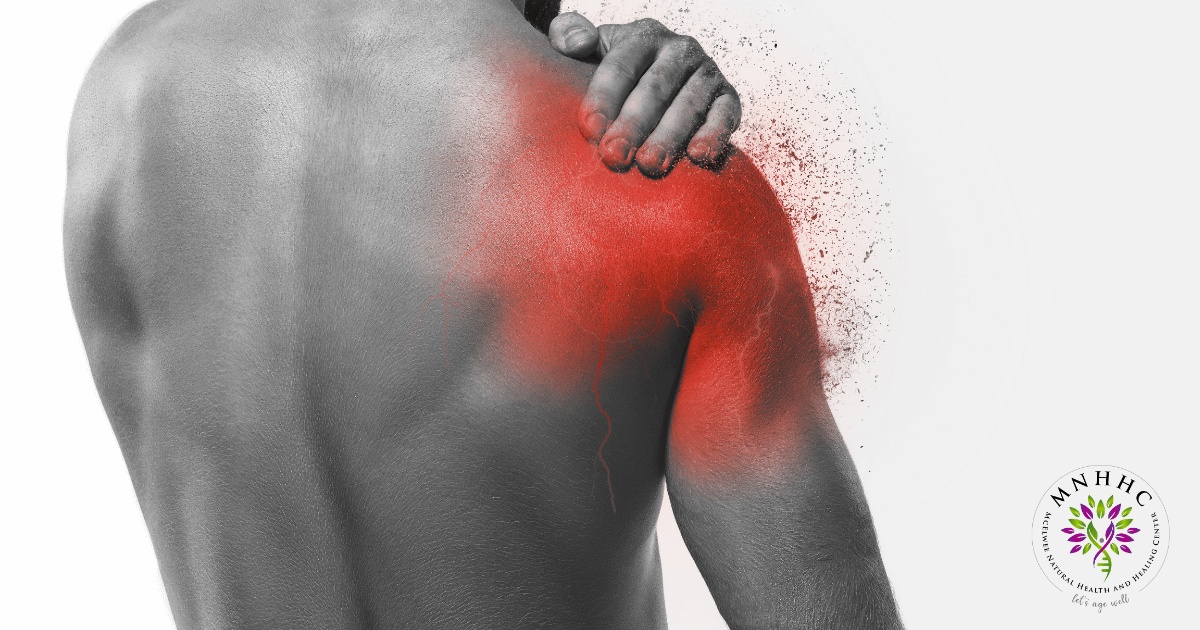
Frozen shoulder, medically known as adhesive capsulitis, is a debilitating condition characterized by pain, stiffness, and limited range of motion in the shoulder joint. It can significantly impact daily activities, from reaching for a shelf to getting dressed. While the exact causes remain elusive, emerging research suggests that disruptions in calcium metabolism may play a contributing role. In this blog, we’ll explore what frozen shoulder is, how calcium metabolism might influence its development, and what you can do to manage or prevent it.
What is a Frozen Shoulder?
Frozen shoulder develops when the capsule surrounding the shoulder joint becomes inflamed and thickens, forming adhesions that restrict movement. The condition typically progresses through three stages:
- Freezing Stage: Pain increases, especially at night, and shoulder mobility begins to decline.
- Frozen Stage: Pain may lessen, but stiffness peaks, severely limiting motion.
- Thawing Stage: Gradual improvement in range of motion occurs, though full recovery can take months or years.
Frozen shoulder is more common in people aged 40-60, women, and those with certain health conditions like diabetes, thyroid disorders, or a history of injury. While these risk factors are well-documented, the potential link to calcium metabolism is less explored but intriguing.
Calcium Metabolism: A Key Player in Musculoskeletal Health
Calcium is essential for strong bones, muscle function, and nerve signaling. Its levels in the body are tightly regulated by hormones like parathyroid hormone (PTH), calcitonin, and vitamin D. When this balance is disrupted, it can lead to issues in muscles, joints, and connective tissues. Below, we’ll dive into how abnormalities in calcium metabolism might contribute to frozen shoulder.
Calcific Tendinitis and Shoulder Inflammation
One of the most direct connections between calcium metabolism and frozen shoulder is calcific tendinitis, a condition where calcium hydroxyapatite crystals deposit in the rotator cuff tendons. These deposits can trigger intense inflammation, causing pain and restricted movement. Over time, this inflammation may spread to the shoulder capsule, leading to the fibrosis and adhesions characteristic of frozen shoulder.
Calcific tendinitis is relatively common, affecting about 3-20% of the population, particularly those over 40. While not all cases progress to frozen shoulder, the inflammatory cascade initiated by calcium deposits can set the stage for adhesive capsulitis. For example, the body’s attempt to resorb these deposits can cause localized tissue damage, further stiffening the joint capsule.
Dysregulated Calcium Homeostasis
Calcium levels in the blood and tissues are critical for musculoskeletal health. Two conditions tied to calcium imbalance may contribute to frozen shoulder:
- Hypercalcemia (excess calcium in the blood): This can result from overactive parathyroid glands (hyperparathyroidism) or other conditions. Excess calcium may deposit in soft tissues, including tendons and ligaments, leading to stiffness and inflammation that mimic or exacerbate frozen shoulder symptoms.
- Hypocalcemia (low calcium levels): Often caused by vitamin D deficiency or hypoparathyroidism, low calcium can lead to muscle spasms, weakness, or connective tissue dysfunction, potentially worsening shoulder stiffness.
Both imbalances disrupt the delicate interplay between muscles, tendons, and joints, creating an environment ripe for inflammatory conditions like frozen shoulder.
Parathyroid Hormone and Tissue Health
The parathyroid glands regulate calcium and phosphate levels through PTH. In hyperparathyroidism, excessive PTH can lead to abnormal calcium deposition in soft tissues, including the shoulder. This may promote inflammation or fibrosis, contributing to the thickening of the shoulder capsule seen in adhesive capsulitis. While direct studies linking hyperparathyroidism to frozen shoulder are limited, the role of PTH in soft tissue calcification suggests a plausible connection.
Vitamin D Deficiency: A Hidden Culprit
Vitamin D is crucial for calcium absorption in the gut and maintaining bone and muscle health. A deficiency can disrupt calcium metabolism, weakening connective tissues and increasing susceptibility to inflammatory conditions. Research shows that low vitamin D levels are common in patients with chronic musculoskeletal pain, including frozen shoulder. For example, a 2020 study found that vitamin D deficiency was prevalent in patients with adhesive capsulitis, suggesting that correcting this deficiency might improve outcomes.
Vitamin D also has anti-inflammatory properties, and its absence may allow unchecked inflammation, contributing to the development or persistence of frozen shoulder.
Metabolic Disorders and Systemic Effects
Frozen shoulder is strongly associated with metabolic conditions like diabetes, which affects 20-30% of patients with adhesive capsulitis. Diabetes can disrupt calcium metabolism indirectly by promoting glycosylation of connective tissues, reducing their elasticity and contributing to joint stiffness. Additionally, chronic inflammation in diabetes may exacerbate calcium-related issues, such as abnormal tissue deposition, further linking metabolic dysfunction to frozen shoulder.
Thyroid disorders, another risk factor for frozen shoulder, can also affect calcium metabolism. Hypothyroidism, for instance, may slow tissue repair and increase inflammation, while hyperthyroidism can elevate calcium levels, potentially contributing to soft tissue calcification.
Inflammation as a Common Thread
Chronic inflammation is a hallmark of frozen shoulder, and disruptions in calcium metabolism may amplify this process. For example, abnormal calcium deposits can trigger an immune response, leading to synovial inflammation and capsular fibrosis. Over time, this creates a vicious cycle of stiffness and pain, hallmark features of adhesive capsulitis.
Managing Frozen Shoulder: Addressing Calcium Metabolism
While the link between calcium metabolism and frozen shoulder is not fully established, addressing potential imbalances can support overall shoulder health. Here are some strategies:
- Monitor Calcium and Vitamin D Levels: Regular blood tests can identify hypercalcemia, hypocalcemia, or vitamin D deficiency. If deficient, vitamin D supplementation (under medical supervision) may improve musculoskeletal health and reduce inflammation.
- Manage Underlying Conditions: If you have diabetes, thyroid disorders, or parathyroid issues, work with your healthcare provider to optimize treatment.
- Physical Therapy: Gentle stretching and physical therapy are cornerstones of treatment. These can help maintain mobility and prevent further adhesions, regardless of calcium-related factors.
- Anti-Inflammatory Diet: A diet rich in anti-inflammatory foods (e.g., fatty fish, leafy greens, and nuts) and adequate calcium and vitamin D sources (e.g., dairy, fortified foods, or supplements) may support joint health.
- Schedule an Evaluation: McElwee Natural Health and Healing Center can assess if your body is processing calcium properly and provide whole-food supplements to address the issue.
Frozen shoulder is a complex condition with multiple contributing factors, and calcium metabolism may play a subtle but significant role. From calcific tendinitis to vitamin D deficiency and metabolic disorders, disruptions in calcium homeostasis can exacerbate inflammation and stiffness in the shoulder. By understanding these connections and taking proactive steps—like monitoring nutrient levels and managing underlying conditions—you can support your shoulder health and overall well-being. If you suspect a frozen shoulder or have concerns about calcium metabolism, schedule an assessment with us today!