In The News: The HHS and The FDA Ban 8 Synthetic Food Dyes

At McElwee Natural Health and Healing Center, we’ve long championed the power of natural, whole foods to support vibrant health and healing. That’s why we’re thrilled to share exciting news: the U.S. Department of Health and Human Services (HHS) and the Food and Drug Administration (FDA) have announced plans to phase out eight petroleum-based synthetic food dyes from the nation’s food supply by the end of 2026. This bold move, led by HHS Secretary Robert F. Kennedy Jr. and FDA Commissioner Dr. Marty Makary, aligns with our mission to promote wellness through clean, toxin-free nutrition. Let’s explore what this ban means, why it matters, and how it supports healthier Americans.
What’s Happening: The Ban on Eight Synthetic Food Dyes
On April 22, 2025, the FDA revealed a six-stage roadmap to eliminate eight synthetic food dyes linked to potential health risks, particularly for children. These dyes, commonly found in candies, cereals, snacks, beverages, and even some medications, include:
- Citrus Red No. 2 (used on oranges)
- Orange B (used in sausage casings)
- FD&C Green No. 3
- FD&C Red No. 40
- FD&C Yellow No. 5
- FD&C Yellow No. 6
- FD&C Blue No. 1
- FD&C Blue No. 2
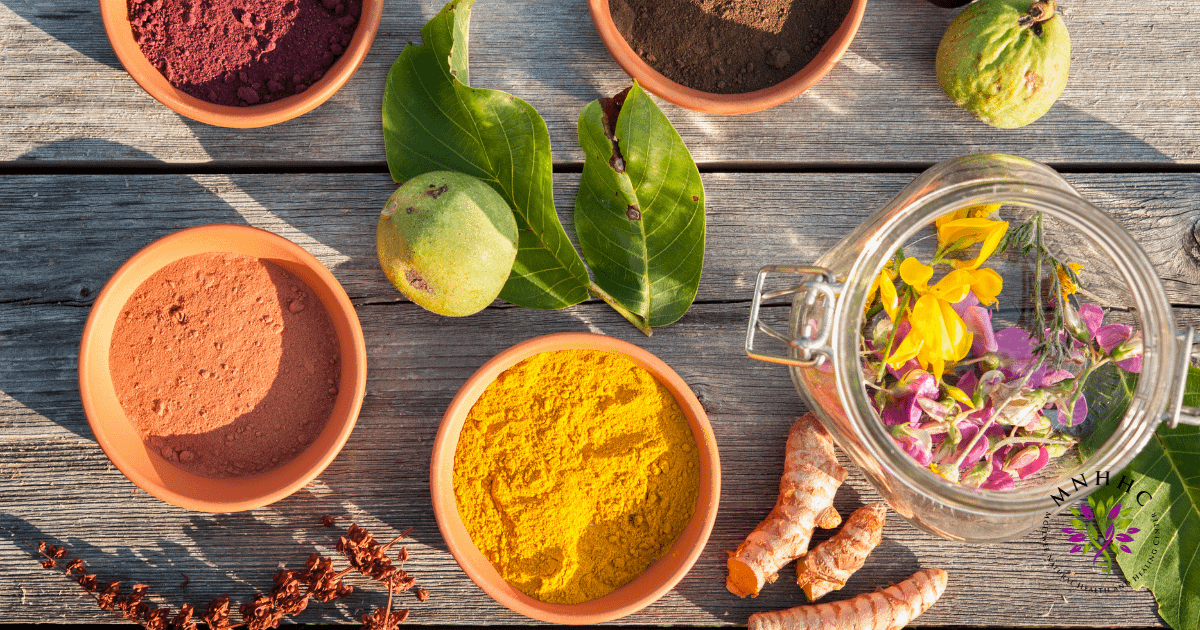
The plan begins with revoking authorization for Citrus Red No. 2 and Orange B in the coming months, followed by the remaining six dyes by 2026. The FDA will also authorize four new natural color additives and expedite approvals for others, encouraging food companies to transition to natural alternatives like beet juice, turmeric, spirulina, and carrot juice.
This initiative builds on state-level efforts, such as West Virginia’s sweeping ban on seven artificial dyes and two preservatives, and California’s restrictions on dyes in school foods. It’s part of the broader “Make America Healthy Again” (MAHA) movement, which emphasizes removing harmful chemicals from our food to improve public health.
Why This Matters: The Health Risks of Synthetic Dyes
Synthetic food dyes, derived from petroleum, serve no nutritional purpose. They’re added to make processed foods more visually appealing, often masking the absence of real, colorful ingredients like fruit. However, mounting evidence suggests these dyes may pose health risks, especially for children. Here’s why we’re excited about their phase-out:
- Neurobehavioral Effects in Children: Studies, including a 2021 report from the California Office of Environmental Health Hazard Assessment, have linked synthetic dyes to hyperactivity and behavioral issues in some children. A 2022 meta-analysis also found connections between dyes like Red No. 40 and Yellow No. 5 and symptoms of attention-deficit/hyperactivity disorder (ADHD). Many parents report improved focus and behavior in their kids after eliminating these dyes from their diets.
- Potential Cancer Risks: Animal studies have associated some dyes, such as Red No. 3 (already banned in January 2025), with cancer risks. For example, Red No. 3 was linked to thyroid tumors in rats, and Red No. 40 may contain benzene, a known carcinogen. While human studies are less conclusive, the precautionary principle—prioritizing safety when risks are uncertain—supports removing these chemicals.
- Allergic Reactions and Sensitivities: Dyes like Yellow No. 5 (tartrazine) have been shown to cause allergic reactions, particularly in people sensitive to aspirin, and may trigger hypersensitivity in some individuals. Blue No. 1 has also been linked to developmental and behavioral issues in animal studies.
- A Step Toward Cleaner Food: Synthetic dyes are often found in ultra-processed foods, which are linked to obesity, diabetes, and other chronic diseases. By phasing out these dyes, the FDA is encouraging food manufacturers to reformulate products, potentially reducing reliance on heavily processed ingredients and promoting natural alternatives.
At McElwee Natural Health and Healing Center, we believe that what we eat profoundly impacts our physical, mental, and emotional well-being. Removing these unnecessary chemicals from our food supply is a significant step toward reducing the “toxic soup” of synthetic additives that Dr. Makary says American children have been exposed to for decades.
How This Supports Healthier Americans
The ban on these eight synthetic dyes aligns with our holistic approach to health and healing. Here’s how it contributes to a healthier America:
- Protecting Children’s Health: With 41% of American children living with at least one chronic condition, addressing potential contributors like synthetic dyes is critical. This ban supports parents who want to create safer, healthier environments for their kids, potentially reducing behavioral challenges and long-term health risks.
- Encouraging Natural Alternatives: The shift to natural colorings like beet juice, turmeric, and spirulina not only eliminates harmful chemicals but also promotes ingredients with potential health benefits. For example, turmeric has anti-inflammatory properties, and spirulina is rich in antioxidants. These alternatives align with our focus on whole, nutrient-dense foods.
- Empowering Informed Choices: The MAHA movement and this ban are raising awareness about what’s in our food. As Kennedy said, “Americans don’t know what they’re eating.” By phasing out dyes and improving labeling, consumers can make better-informed decisions, a core principle of our practice at McElwee.
- Reducing Chronic Disease Burden: Chronic diseases, from obesity to autoimmune disorders, are straining our healthcare system. While dyes alone aren’t the sole cause, their removal is part of a broader effort to address the cumulative impact of synthetic additives and ultra-processed foods, which Kennedy links to conditions like early puberty, autism, and immune diseases.
- Aligning with Global Standards: Many of these dyes are already banned or restricted in the European Union, Canada, and other countries. The U.S. is catching up, ensuring our food supply meets higher safety standards. For example, Kellogg’s uses natural dyes like carrot and watermelon juice for Froot Loops in Canada but artificial dyes in the U.S. This ban levels the playing field.
What This Means for You: Practical Tips from McElwee
While the phase-out won’t be complete until 2026, you can start making dye-free choices today to support your family’s health. Here are some tips we recommend:
- Read Ingredient Labels: Look for the dyes listed above (e.g., Red No. 40, Yellow No. 5) on packaged foods, especially cereals, candies, snacks, and beverages. Choose products with natural colorings or no added colors.
- Focus on Whole Foods: Emphasize fresh fruits, vegetables, whole grains, and minimally processed foods. These are naturally free of synthetic dyes and packed with nutrients to support healing and vitality.
- Explore Natural Alternatives: Experiment with natural colorings in your cooking and baking. For example, use beet juice for red, turmeric for yellow, or spirulina for blue-green hues. These ingredients add both color and nutrition.
- Support Dye-Free Brands: Many companies already offer dye-free versions of popular foods. Look for brands that prioritize clean ingredients, and “vote with your dollars” to encourage more manufacturers to follow suit.
- Stay Informed: Follow updates from the FDA and advocacy groups like the Center for Science in the Public Interest (CSPI) to learn about progress on the ban and other food safety initiatives. Join the MAHA movement to advocate for healthier food policies.
- Consult with Us: If you’re concerned about how food additives may be affecting your or your family’s health, schedule a consultation at McElwee Natural Health and Healing Center. We can help you create a personalized nutrition plan to optimize wellness and reduce exposure to harmful chemicals.
A Bright Future for American Health
The phase-out of these eight synthetic food dyes is more than a policy change—it’s a cultural shift toward prioritizing health over profit. At McElwee Natural Health and Healing Center, we’re inspired by this progress and committed to supporting our community in embracing clean, natural nutrition. As Dr. Makary said, “Why gamble with the health of our children?” By removing these dyes, we’re taking a meaningful step toward a healthier, more vibrant America.
Ready to Go Dye-Free? Visit McElwee Natural Health and Healing Center for personalized guidance on clean eating and holistic wellness. Contact us today to schedule a consultation or join one of our nutrition workshops. Let’s make health happen—naturally!