In The News: Red Dye #3

Red Dye #3, or Erythrosine, is a synthetic red coloring used in various food and cosmetic products. It is commonly used to give a vibrant red color to items such as candies, baked goods, beverages, and medications. However, recent concerns have been raised regarding the safety of Red Dye #3 and its potential health effects on consumers.
The Story of Red Dye #3
Red Dye #3 debuted in 1907, offering a cost-effective way to color foods, beverages, and medications. In the 1980s, the Food and Drug Administration (FDA) in the United States conducted studies that raised red flags about the safety of Red dye #3. These studies suggested that the dye could potentially cause thyroid tumors in laboratory rats, leading to growing concerns among consumers and health officials.
Despite its ban in cosmetics and topical drugs in 1990 due to potential carcinogenic effects, it continued to color our candies, cakes, and medicines until recently.
In a landmark decision on January 15, 2025, the U.S. Food and Drug Administration (FDA) announced a ban on Red Dye #3 in foods, beverages, and ingested drugs. This decision came after decades of debate over the safety of this dye and its link to various health concerns.
Health Concerns Related to Red Dye #3
One of the main health concerns associated with Red Dye #3 is its potential link to hyperactivity and behavioral issues in children. Some studies have suggested that consuming foods and beverages containing this artificial dye may exacerbate symptoms of attention deficit hyperactivity disorder (ADHD) in susceptible individuals.
Furthermore, Red Dye #3 has been implicated in causing allergic reactions in some people, ranging from mild skin irritation to severe anaphylaxis. This has raised red flags among health professionals and consumer advocacy groups, prompting calls for more extensive research into the safety of this widely used food coloring.
Another significant health concern associated with Red Dye #3 is its potential link to cancer in lab animals. This led to its ban under the Delaney Clause of the Federal Food, Drug, and Cosmetic Act. The Delaney Clause prohibits substances known to cause cancer in animals from being used in food, thereby playing a crucial role in the regulatory process of food additives like Red Dye #3.
Despite these concerns, the Food and Drug Administration (FDA) in the United States has deemed Red Dye #3 as safe for consumption in limited quantities. However, the European Food Safety Authority (EFSA) has taken a more cautious approach, recommending a stricter limit on the acceptable daily intake of this controversial dye.
Products Containing Red Dye #3
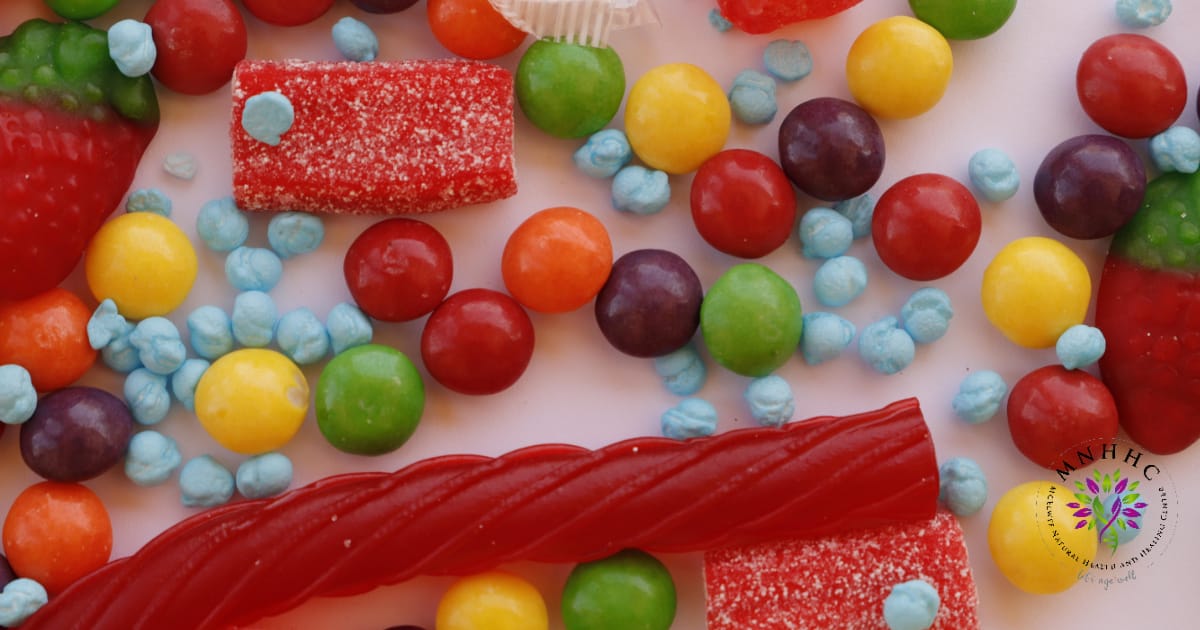
Red Dye #3 is used in a wide range of food products, from candies and beverages to baked goods and snacks. Its bright red color makes it a popular choice for manufacturers looking to enhance the visual appeal of their products.
Many consumers are unaware of the presence of Red Dye #3 in their favorite foods, as the ingredient may be listed under its scientific name, Erythrosine, or simply as “artificial color.” This lack of transparency underscores the need for clearer labeling practices and increased awareness of the potential risks associated with synthetic food dyes. By advocating for these changes, consumers can take more control over their food choices.
As more people become conscious of the ingredients in their food, demand for products free of artificial colors like Red Dye #3 is on the rise. This growing trend is encouraging food manufacturers to explore natural alternatives that can provide the same vibrant colors without the use of synthetic dyes. This shift towards natural alternatives is a positive development for the future of food production.
The Ban and Its Implications
In a landmark decision on January 15, 2025, the U.S. Food and Drug Administration (FDA) announced a ban on Red Dye #3 in foods, beverages, and ingested drugs. This decision came after decades of debate over the safety of this dye and its link to various health concerns.
The Red Dye #3 ban is a monumental step for public health, signaling a shift towards safer food colorants. Products containing this dye must be reformulated by 2027 for food and 2028 for drugs. This could spur an increased use of natural alternatives like beet juice or carmine.
Food manufacturers now face the challenge of maintaining their products’ visual appeal without Red Dye #3. However, it is expected that the transition will be smooth, as many companies are already using alternative dyes in markets where Red Dye #3 is banned, such as the European Union.
Public Reaction and Advocacy:
Health advocates and consumer groups that have long campaigned against the dye have broadly welcomed the ban. There’s a palpable sense of victory among those who advocate for safer food additives. However, there’s also criticism regarding the time it took for this ban to be enacted, with some calling for a more proactive FDA in reviewing potentially harmful additives. Regardless, people hope the incoming administration will continue to push for transparency and change.
The ban on Red Dye #3 is a significant step towards ensuring the safety of the food supply in the United States. It reflects a growing awareness and demand for transparency and safety in food ingredients. As consumers, we’re encouraged to remain vigilant, reading labels and supporting products, prioritizing health over aesthetics. This development might also spur further scrutiny of other food dyes and additives, potentially leading to a broader overhaul of food safety regulations. We are hopeful there will be more actions like this in the news in the coming year!