The Effects of Soil Degradation on Food

Imagine biting into a juicy, ripe tomato only to find that it lacks vibrant flavor and essential nutrients you once enjoyed. The degradation of soil quality is not just a pressing issue; it’s an urgent one that has far-reaching consequences for our food. As soil health declines, so does the nutritional content of our crops, leading to a decrease in essential vitamins and minerals in our food supply. Today, we will explore the impact of soil degradation on food’s vitamin and mineral content, the root causes of soil deterioration, and strategies to combat this growing problem.
Impact of Soil Degradation on Nutrient Levels in Food
The health of the soil directly impacts the nutritional quality of the food grown in it. When soil becomes degraded, it loses its ability to provide essential nutrients to plants, resulting in deficient crops in vitamins and minerals. This deficiency can seriously affect human health, as nutrient-rich foods are vital for overall well-being and disease prevention. Without adequate levels of vitamins and minerals in our diets, we risk developing deficiencies that can lead to various health issues.
Soil degradation can also affect the taste, texture, and appearance of fruits and vegetables. Crops grown in depleted soil may lack the vibrant colors, robust flavors, and crisp textures that indicate high nutritional value. As a result, consumers are left with produce that lacks essential nutrients and fails to satisfy their taste buds.
How the Soil Has Become Degraded
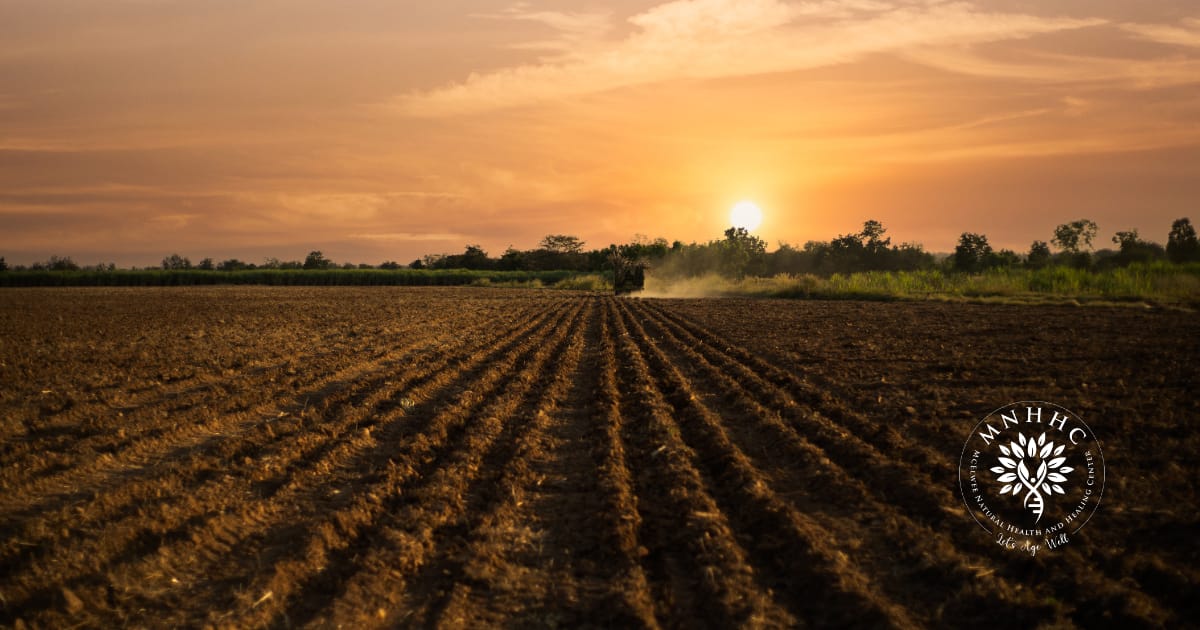
Soil degradation is a complex issue that is caused by a combination of factors, including intensive agriculture, deforestation, urbanization, and climate change. The overuse of chemical fertilizers and pesticides, improper tillage practices, and monocropping have all contributed to the deterioration of soil quality. These practices strip the soil of essential nutrients, disrupt its natural ecosystem, and lead to erosion and compaction.
Consequences of Decreased Vitamin and Mineral Content in Food
The consequences of decreased vitamin and mineral content in food are significant. Nutrient deficiencies are linked to various health problems, including anemia, osteoporosis, cardiovascular disease, and compromised immune function. Without adequate levels of essential vitamins and minerals in our diets, our gut biome is compromised, and we risk developing chronic diseases and experiencing poor overall health.
How to Combat Soil Degradation
Combatting soil degradation requires a multi-faceted approach that addresses the root causes of soil deterioration and promotes sustainable land management practices. By implementing strategies to improve soil health, we can enhance the nutritional quality of our food and support the long-term sustainability of agriculture.
One key strategy to combat soil degradation is adopting sustainable farming practices, such as crop rotation, cover cropping, and organic farming. These practices help to improve soil structure, increase organic matter content, and promote biodiversity, all of which are essential for maintaining soil health. By reducing chemical inputs and minimizing soil disturbance, farmers can protect the long-term fertility of their land and ensure the vitality of their crops.
Sustainable farming practices are essential for preserving soil health and promoting the long-term sustainability of agriculture. Farmers, policymakers, and consumers must work together to promote sustainable farming practices and protect the health of our soils. By prioritizing soil conservation, reducing chemical inputs, and supporting regenerative agriculture, we can ensure that our food supply remains nutritious, sustainable, and resilient in the face of environmental challenges.
The degradation of soil is a pressing issue that has far-reaching consequences on the nutritional quality of our food. As soil health declines, so does our crops’ vitamin and mineral content, leading to deficiencies that can have severe implications for public health. Addressing soil degradation is crucial to ensuring our food supply remains nutritious and wholesome. Understanding the effects of soil health on crop nutrition is the first step towards reversing the decline and restoring the vitality of our food system.
Contact us for an evaluation to see if you can benefit from whole-food supplements to increase your vitamin and mineral content.