
Combat Excessive Screen Time

As a holistic health practice, McElwee Natural Health and Healing is dedicated to enhancing overall well-being for individuals of all ages. In today’s digital age, screen time has become an inescapable part of children’s and adults’ daily routines. While technology has advantages, excessive screen time can significantly threaten our physical, mental, and emotional health. This article will look at the potential dangers of excessive screen time and provide practical strategies for maintaining a healthy balance.
Health Risks of Excessive Screen Time
It’s no secret that screens are everywhere—from smartphones and tablets to computers and televisions. While these devices offer convenience and entertainment, they also have the potential to negatively impact our health in various ways.
Physical Health Risks
One of the most alarming risks of excessive screen time is its impact on our physical health. Long hours of sitting and staring at screens can lead to many issues, including poor posture, strained eyes, and an increased risk of obesity. Children, in particular, are at a higher risk of these effects as their bodies are still developing. Moreover, excessive screen time has been associated with disrupted sleep patterns, which can further worsen physical health problems.
Research has shown that reducing screen time and engaging in activities that encourage movement and exercise can significantly improve physical health. This can lead to a more active and healthier lifestyle, reducing the risk of chronic conditions such as heart disease, diabetes, and certain types of cancer.
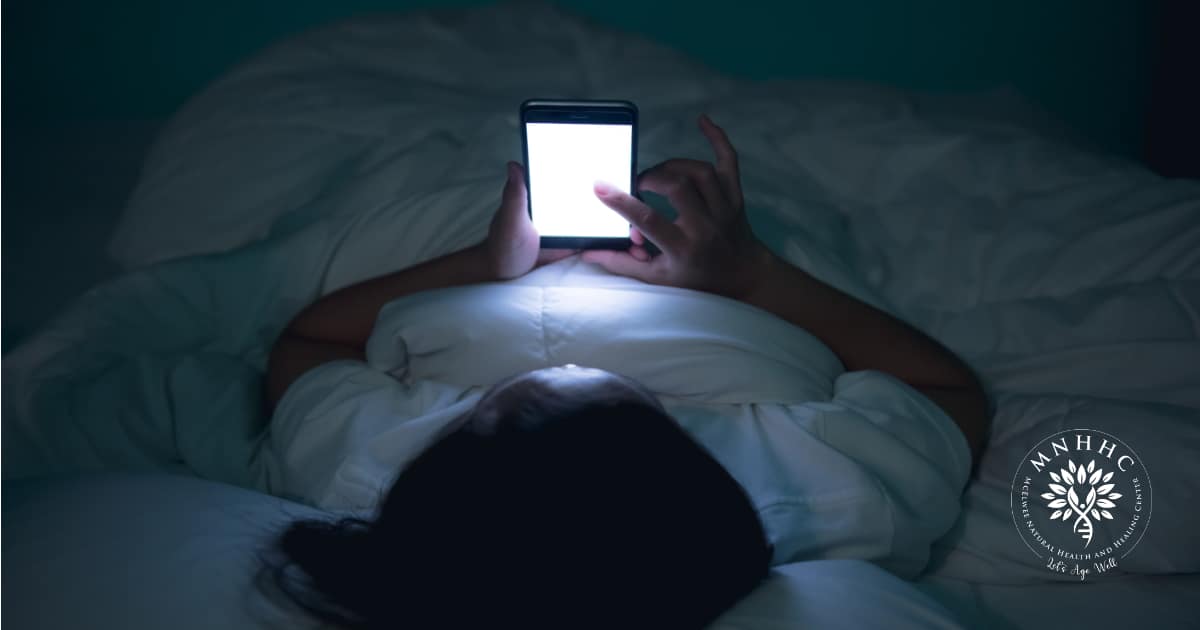
Furthermore, the blue light emitted by screens can disrupt our circadian rhythm and interfere with the production of melatonin, a hormone that regulates sleep. This can lead to difficulties falling asleep and staying asleep, which can have a cascading effect on our physical health. Individuals can improve their sleep quality and overall physical health by implementing screen time limits and establishing a bedtime routine that does not involve screens.
Electromagnetic fields (EMFs), which are generated by screens such as those from smartphones, computers, and televisions, can have various effects on the human body. Prolonged exposure to these fields may lead to symptoms such as headaches, fatigue, and disrupted sleep patterns. Some individuals may also experience increased anxiety or irritability due to the impact of EMFs on their nervous system. While research on the long-term effects of screen time is ongoing, it is important to be mindful of the potential risks associated with excessive exposure to electromagnetic fields.
Many studies have been conducted to understand the effects of continuous exposure to EMF. For instance, a study published in the Journal of Chemical Neuroanatomy suggests that excessive screen time, particularly before bedtime, can disrupt the natural sleep cycle. The blue light emitted by screens suppresses the production of the sleep-inducing hormone melatonin, leading to difficulty falling asleep or having a restful night.
Another common health issue related to prolonged exposure to digital screens is digital eye strain or computer vision syndrome. Symptoms include dry and irritated eyes, blurred vision, eye fatigue, and headaches. This is primarily due to digital screens’ high-energy, short-wavelength, blue, and violet light.
Ongoing research explores the long-term effects of EMF exposure on brain development, particularly in children. While the results are inconclusive, some studies suggest potential links to behavioral problems and cognitive performance.
Mental Health Risks
In addition to physical health risks, excessive screen time can also have a detrimental impact on our mental health. Constant exposure to screens, especially social media, can contribute to feelings of loneliness, anxiety, and depression. The curated nature of social media can lead to unrealistic comparisons and feelings of inadequacy, which can take a toll on our mental well-being.
For children, excessive screen time has been linked to attention issues, poor social skills, and decreased academic performance. The constant stimulation provided by screens can make it challenging for children to focus and engage in activities that require sustained attention. As a holistic health practice, we encourage parents to set limits on screen time and provide alternative activities that promote cognitive development and social interaction.
Furthermore, excessive screen time can contribute to a lack of mindfulness and present-moment awareness. Constantly checking emails, notifications, and social media feeds can prevent individuals from fully engaging in their surroundings and connecting with others on a meaningful level. Reducing screen time and practicing mindfulness techniques such as meditation and deep breathing can cultivate greater peace and mental clarity.
Emotional Health Risks
Lastly, excessive screen time can also impact our emotional health, leading to feelings of stress, overwhelm, and burnout. The constant barrage of information and stimuli from screens can create a sense of information overload, making it difficult to unwind and relax. This can contribute to increased levels of stress and anxiety, which can have long-term effects on our emotional well-being.
Excessive screen time can hinder children’s emotional intelligence and coping skills development. Screens can serve as a distraction from processing emotions and learning how to navigate social interactions effectively. As a holistic health practice, we advocate for fostering emotional resilience in children through open communication, healthy coping strategies, and meaningful connections with others.
What can be done?
As a parent or caregiver, you play a crucial role in managing your and your child’s screen time. Taking a few practical steps can significantly reduce the risks associated with excessive screen time, empowering yourself and your family to maintain a healthy balance.
One powerful strategy to reduce screen time is to establish a screen-free bedtime routine. Instead of scrolling through social media or watching TV right before bed, engage in relaxing activities that promote better sleep. This could include reading a book, practicing meditation or deep breathing exercises, or taking a warm bath. These activities help you wind down and create a soothing environment that encourages sleep, offering a hopeful path toward better health and well-being.
It’s important to restrict the time spent using electronic devices such as smartphones, tablets, computers, and televisions. Encourage children and adolescents to reduce their dependence on screens and engage in other activities that promote physical, mental, and social well-being. For children and adolescents, the American Academy of Pediatrics recommends the following guidelines:
- Children under 18 months: Avoid screen time, except for video chatting.
- Children aged 18-24 months: Introduce high-quality programming under adult supervision, with a one-hour-per-day limit.
- Children aged 2-5 years: Limit screen time to 1 hour per day of high-quality programming.
- Children aged 6 years and older: Establish consistent limits on screen time, ensuring that it does not interfere with adequate sleep, physical activity, and other essential activities.
Parents can implement various strategies to limit screen time, such as:
- Setting clear rules and expectations regarding screen usage.
- Creating screen-free zones or designated screen-free times in the household.
- Encouraging alternative activities such as outdoor play, reading, hobbies, or family interactions.
- Using parental control features and apps to monitor and restrict screen time.
- Engaging in shared screen activities, such as watching educational programs or playing interactive games together.
Adults need to lead by example and also limit their own screen time. By practicing healthy screen habits, individuals can foster a balanced lifestyle and prioritize activities contributing to their well-being.
Other practical approaches to minimize the effects of screen time include:
- Use of Blue Light Filters: Many devices now come with an in-built blue light filter, or ‘night mode,’ which changes the screen’s color temperature to reduce blue light and help lessen eye strain and disruption to sleep.
- Regular Breaks: Following the 20-20-20 rule can help mitigate eye strain. This means taking a 20-second break to view something 20 feet away every 20 minutes.
- Screen-free Time: Allocating certain parts of the day as ‘screen-free’ time, especially for children, can help limit exposure.
- Education: Monitor screen time with your children. Often, they are unaware of how much of their lives are spent looking at screens.
- Proper Posture and Distance: Holding devices at a safe distance and ensuring proper posture can minimize the risk of physical discomfort.
- EMF Shielding Devices: While more research is needed, some suggest using EMF shielding devices that claim to block a portion of the EMF radiation.
Remember, while completely eliminating screen use is impractical, being mindful of our usage and taking appropriate steps can help mitigate potential health impacts. Contact us today for an evaluation.