Why You Should Start a Home Garden

Imagine stepping outside your home on a bright morning, the birds chirping, the sun shining, and the fresh scent of earth wafting through the air. You walk over to your backyard, where rows of vibrant green plants are thriving, ready to be harvested and enjoyed. This idyllic scene is not just a dream but a reality that can be yours when you start a home garden. Beyond the beauty and convenience of having your own garden, there are numerous reasons why cultivating your own fruits, vegetables, herbs, and flowers can benefit your health.
It is essential to nourish the body, mind, and spirit. Starting a home garden is a powerful way to connect with the earth, promote sustainability, and enhance overall well-being. Today, we will explore the reasons why starting a home garden is beneficial for not only your health but also the health of the planet. And if the thought of rows of plantings makes you a bit nervous, have no fear. We have a solution for you!
Combat Soil Degradation with a Home Garden
One key reason for starting a home garden is to combat soil degradation caused by the use of chemical fertilizers. Industrial agriculture relies heavily on synthetic fertilizers to boost crop yields, leading to nutrient depletion in the soil over time. This depletion affects the quality of the produce grown. It contributes to the loss of biodiversity and the disruption of natural ecosystems.
By starting your own home garden and using organic methods to enrich the soil, you can help reverse the effects of soil degradation. Organic fertilizers such as compost, manure, and worm castings are rich in essential nutrients and beneficial microorganisms that nourish the soil and support plant growth. By cultivating a healthy soil ecosystem in your garden, you are growing nutritious food for yourself and playing a role in preserving the earth’s health.
Furthermore, organic gardening practices promote soil biodiversity and reduce the reliance on fossil fuel-based inputs, making your garden more sustainable and environmentally friendly. By choosing to grow your own food using natural fertilizers, you are contributing to the regeneration of the soil and promoting a healthier planet for future generations.
The Risks of Chemical Pesticides: Protect Your Health and the Environment with a Home Garden
In addition to soil degradation, using chemical pesticides in conventional agriculture poses a significant risk to human health and the environment. Pesticides contain toxic chemicals that can contaminate the air, water, and soil, harming wildlife and ecosystems. These chemicals can also accumulate in the food chain and threaten human health, increasing the risk of chronic diseases and environmental pollution.
By starting a home garden and adopting organic pest control methods, you can avoid the risks associated with chemical pesticides and protect your health and the environment. Organic gardening techniques such as companion planting, crop rotation, and natural predators help manage pests without harmful chemicals. These methods safeguard your plants’ health and promote a balanced ecosystem in your garden, where beneficial insects thrive, and pests are kept in check naturally.
Opting to cultivate your own food organically, free from chemical pesticides, guarantees the integrity and quality of your produce and aids in maintaining biodiversity and safeguarding pollinators like bees and butterflies. Establishing a sanctuary free of pesticides in your backyard promotes a wholesome habitat for advantageous insects and wildlife to flourish and simultaneously decreases your contact with detrimental chemicals.
Freshness and Nutritional Value: Harvesting the Benefits of Homegrown Produce
One of the most rewarding aspects of starting a home garden is enjoying fresh, nutrient-rich produce from your backyard. Store-bought fruits and vegetables often travel long distances before reaching consumers, losing their nutritional value and freshness. By growing your own food, you can harvest it at the peak of ripeness, ensuring maximum flavor and nutrient content.
Produce grown at home isn’t just fresher and more flavorful; it’s also packed with more nutrients because it’s harvested at peak ripeness and consumed shortly after that. Fruits and vegetables that fully mature on the plant boast higher concentrations of vitamins, minerals, and antioxidants than their counterparts harvested too early and shipped over great distances. By consuming food fresh from your garden, you’re fueling your body with top-tier nutrients, bolstering your overall health and wellness.
Furthermore, growing your own food allows you to choose heirloom and organic varieties not commonly found in supermarkets, expanding your culinary horizons and providing diverse flavors and nutrients. By cultivating a wide variety of fruits, vegetables, and herbs in your garden, you can enjoy a seasonally diverse and nutritionally rich diet tailored to your preferences and health goals.
Therapeutic Benefits: Cultivating Mindfulness and Stress Relief
Beyond the physical health benefits of starting a home garden, cultivating your own plants can also provide mental and emotional advantages. Gardening has been shown to reduce stress, promote relaxation, and improve mental well-being by connecting individuals with nature and providing a sense of purpose and accomplishment. Tending to plants, observing their growth, and harvesting the fruits of your labor can be deeply satisfying and therapeutic.
Spending time in the garden allows you to disconnect from the stresses of daily life, practice mindfulness, and cultivate a sense of calm and tranquility. The garden’s sights, sounds, and scents create a sensory experience that soothes the mind and uplifts the spirit, promoting a sense of grounding and connection to the natural world. Whether digging in the soil, planting seeds, or harvesting produce, each moment spent in the garden offers an opportunity for reflection, rejuvenation, and self-care.
By incorporating gardening into your holistic health practice, you can harness the therapeutic benefits of nature, promote mental well-being, and enhance your overall quality of life.
Gardening provides:
- A creative outlet for self-expression.
- A source of physical activity.
- A means of cultivating gratitude and mindfulness in your daily routine.
Whether you have a green thumb or are new to gardening, starting a home garden can be a transformative and enriching experience that nourishes your body, mind, and spirit.
Start Small
So, if you are new to all this and think you don’t have the greenest thumbs, don’t be intimidated. Save the garden plot for next year (after that garden bug has bitten you). Here is how to get started.
Locate a local plant farm. It’s best to find one that sells non-GMO plants. Depending on your location, this may be a bit of a challenge. If you have trouble, you can plant non-GMO seeds directly in the soil.
Once you have your plant or seeds, research how to grow your plant. You will need to know how far apart to plant for spacing (or how big your pot needs to be), how deep to plant, what kind of soil the plant prefers, its sunlight preference, and water requirements. A simple Google search will give you everything you need.
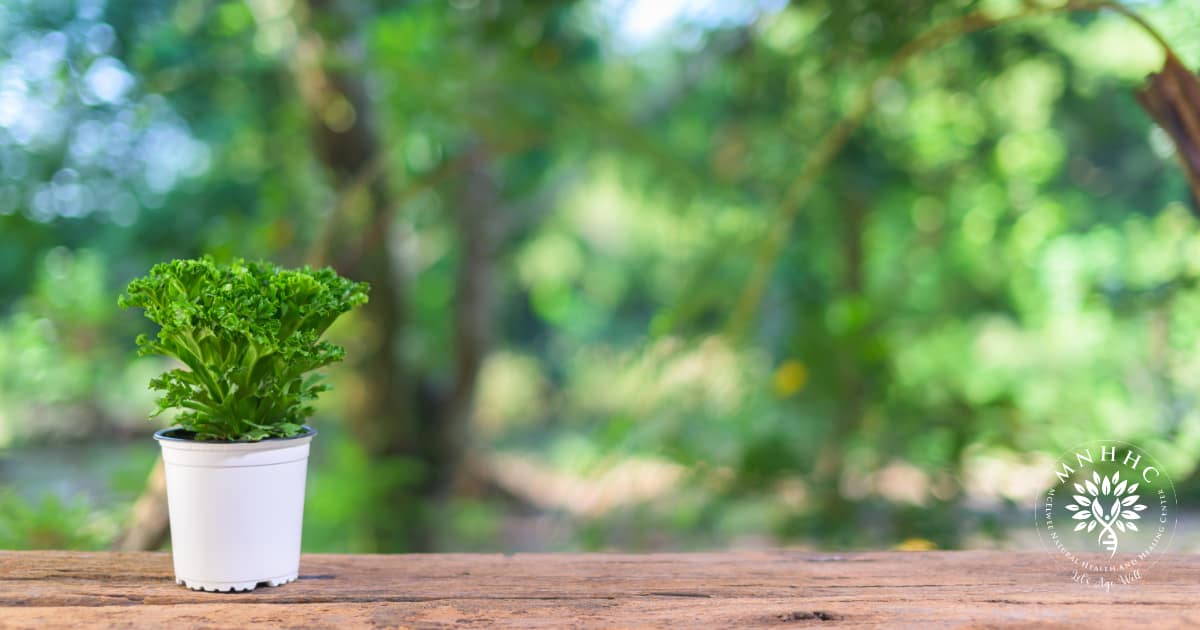
Now that you know the particulars, it’s time to choose your pot, grab your organic soil, and get planting. Starting with one plant in a pot is a good way to avoid feeling overwhelmed. Take this time to learn what the growth process looks like. Learn how to spot pests or diseases that may creep in and how to deal with them. Most importantly, enjoy watching over your plant.
When your plant looks ready to eat, harvest and enjoy!
We hope you take a step toward growing your own food this planting season. If you still find gardening is not your thing, we hope you can locate a good source of organic, non-GMO fruits and vegetables, ideally from local sources. If you need any help, contact us!
I am looking forward to having our garden. This is how I grew up. We always had a garden or two or three. And a big freezer to freeze produce over the winter. My husband is that canner so come fall canning happens.
Excellent! We are so glad to hear you enjoy the garden as much as we do!