
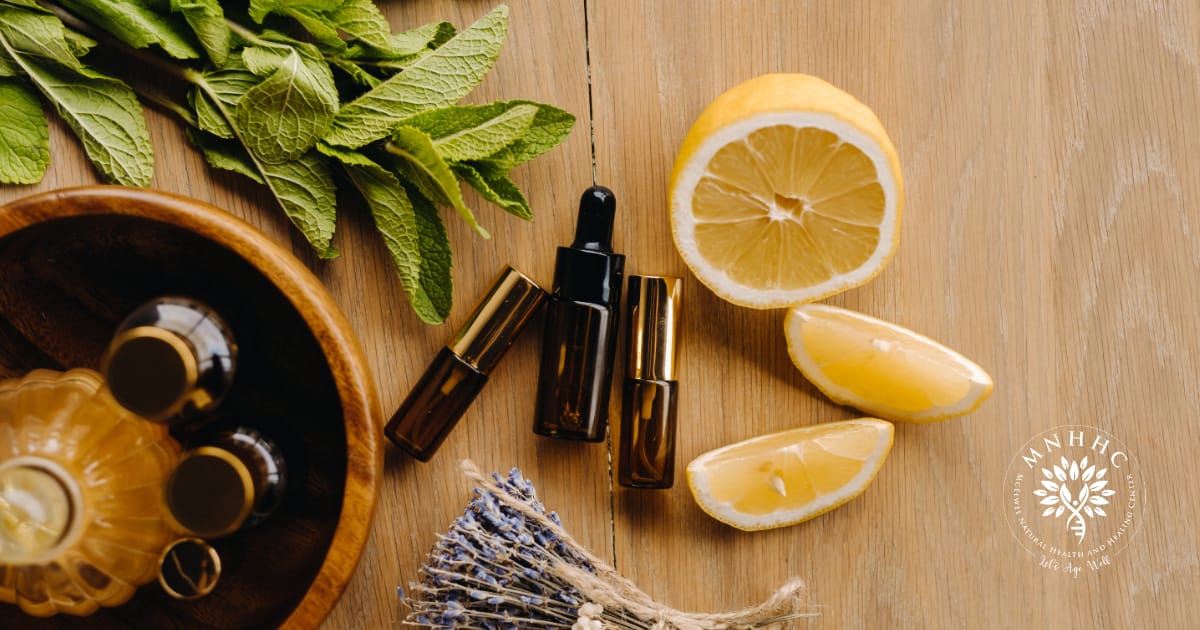
The Benefits of Using Essential Oils for Healing

The Benefits of Using Essential Oils for Healing
For hundreds of years, diverse cultures have harnessed essential oils’ healing and therapeutic benefits. These potent extracts, derived from plant parts like flowers, roots, and leaves, are celebrated for their aromatic and therapeutic properties. In holistic health, they are treasured for their capability to bolster physical, emotional, and spiritual wellness. Let us explore the advantages of integrating essential oils into your regimen and discover how they can augment your holistic health adventure.
Benefits of Essential Oils
One of the essential oils’ key benefits is their ability to promote relaxation and reduce stress. Oils like lavender, chamomile, and bergamot have calming properties that can help alleviate anxiety and improve sleep quality. Inhaling the scent of these oils or using them in a diffuser can create a peaceful atmosphere and promote a sense of well-being.
Essential oils are also valued for their anti-inflammatory and antibacterial properties. Oils like tea tree, eucalyptus, and peppermint have been used to support the immune system and relieve symptoms of respiratory conditions like coughs and congestion. When used topically or inhaled, these oils can help to clear the sinuses and promote respiratory health.
Furthermore, aromatherapy often uses essential oils to enhance mood and uplift the spirit. Oils like citrus, peppermint, and rosemary are known for their refreshing and energizing effects. By diffusing these oils or using them in a massage blend, you can boost your mood and increase mental clarity and focus.
Ten Essential Oils and Their Health Benefits
Lavender
Lavender is known for its calming and relaxing properties, which can help reduce stress and promote restful sleep. Lavender essential oil can be diffused in a room to encourage a sense of tranquility and reduce stress levels. Additionally, lavender can be added to bath water to create a soothing and peaceful relaxing environment.
Peppermint
Peppermint offers numerous benefits, including its ability to alleviate digestive issues such as gas, bloating, and indigestion. The menthol in peppermint can help relax the muscles in the digestive tract, reducing discomfort and promoting healthy digestion. Additionally, peppermint is known for its cooling and calming effects, making it a popular choice for relieving headaches and migraines. The refreshing scent of peppermint can also help improve focus and concentration, making it an excellent choice for studying or working. Overall, peppermint is a versatile herb with a wide range of benefits for physical and mental well-being.
Tea Tree
Tea tree oil has numerous benefits for the skin, including its natural antimicrobial properties, which can help fight acne-causing bacteria and reduce inflammation. Its antifungal properties also make it effective in treating conditions such as athlete’s foot and nail fungus.
Additionally, tea tree oil can be used as a natural remedy for dandruff, as it helps to soothe and moisturize the scalp while combating the fungus that can cause flaking.
Lemon
Lemons are a rich vitamin C source that helps boost the immune system and fight off infections. In addition, lemon water can aid digestion by stimulating bile from the liver. The citric acid in lemons can also help prevent kidney stones by increasing urine production and preventing the formation of crystals. Furthermore, the fresh scent of lemons has been shown to improve mood and reduce stress levels.
Frankincense
Frankincense has been used for centuries in traditional medicine for its numerous benefits, including its anti-inflammatory properties. Studies have shown that the compounds found in frankincense can help reduce inflammation, making it a popular remedy for conditions such as arthritis and asthma.
Additionally, frankincense has been found to have antibacterial and antifungal properties, making it a valuable tool in fighting off infections. Its soothing aroma is also believed to have calming effects on the mind, making it a popular choice for aromatherapy and stress relief.
Furthermore, frankincense has been linked to potential benefits for skin health, as it may help reduce the appearance of scars and stretch marks. Its ability to promote cell regeneration can also contribute to a more youthful and radiant complexion.
Chamomile
Chamomile is known for its calming properties, making it an effective remedy for anxiety and sleep disorders. The soothing effects of chamomile can help reduce stress and promote, leading to improved sleep quality. Additionally, chamomile has anti-inflammatory properties that can help with skin conditions such as eczema and acne. The gentle nature of chamomile also makes it suitable for relieving digestive issues like bloating and indigestion.
Eucalyptus
Eucalyptus oil is great for respiratory health and can help relieve congestion and coughs. It can be added to a humidifier or diffuser to clear nasal passages and promote easier breathing. Additionally, eucalyptus leaves can be brewed into tea to soothe sore throats and reduce inflammation in the respiratory tract.
Rosemary
Rosemary has numerous benefits, such as aiding digestion by stimulating the bile, which breaks down fats in the body. Additionally, rosemary contains antioxidants that can help protect the body from free damage, reducing the risk of chronic diseases. The herb has anti-inflammatory properties that can help reduce inflammation, potentially easing pain and swelling. Furthermore, rosemary has been shown to improve memory and concentration, making it a popular choice for students and those looking to boost cognitive function.
Bergamot
Bergamot oil is uplifting and can help reduce stress and anxiety and promote emotional balance. Bergamot essential oil can be diffused or applied topically to promote relaxation and improve mood. In addition, bergamot is known for its potential to lower cholesterol levels and improve heart health by reducing inflammation and promoting healthy blood flow. Incorporating bergamot into your daily routine can have a positive impact on both your mental and physical well-being.
Ylang Ylang
Ylang ylang oil has numerous benefits for physical and emotional well-being. Its calming properties make it a popular choice for aromatherapy to reduce stress and anxiety. In addition, ylang ylang is known to have aphrodisiac qualities, making it a popular choice for romantic settings. The essential oil of ylang ylang can also promote healthy skin and hair, making it a versatile ingredient in beauty products.
Oregano
Some potential health benefits of oregano essential oil include its antimicrobial properties, which can help fight off harmful bacteria and viruses in the body. Oregano oil is also believed to have anti-inflammatory properties that may help reduce inflammation and pain. Additionally, it is thought to have antioxidant effects that can protect cells from damage caused by free radicals. Some people use oregano oil to help with digestive issues like bloating and indigestion and support the immune system. It is important to note that more research is needed to understand the potential health benefits of oregano essential oil fully.
Clove
The health advantages of clove essential oil are impressive. Its potent antibacterial attributes play a role in preventing various infections and provide a natural shield for the body against harmful bacteria. Furthermore, clove essential oil is known for its powerful anti-inflammatory properties. These properties can alleviate pain and decrease inflammation, making it a natural alternative for over-the-counter pain relievers. In addition, the antioxidant capabilities of this oil are noteworthy. Antioxidants are essential in the fight against free radicals – unstable molecules that can cause damage to cells in our body. The antioxidant properties of clove essential oil could help protect our cells from such damage, promoting overall health and well-being. These valuable properties make clove essential oil a beneficial addition to any holistic health regimen.
How to Use Essential Oils with Carrier Oils
When using essential oils topically the oil must be diluted into a carrier oil to prevent skin irritation. Carrier oils like coconut, jojoba, and sweet almond oil are commonly used to dilute essential oils and help them absorb into the skin. To create a massage blend or skin treatment, mix a few drops of essential oil with a tablespoon of carrier oil and apply to the skin. This method allows you to enjoy the benefits of essential oils safely and effectively.
Another popular way to use essential oils is in a diffuser. Adding a few drops of oil to a diffuser with water allows you to fill your space with the aroma of the oil and enjoy its therapeutic benefits. Whether you’re looking to relax, boost your mood, or support your immune system, diffusing essential oils is a simple and effective way to incorporate them into your daily routine.
Essential oils are versatile and natural to enhance your holistic health practice. From promoting relaxation and reducing stress to supporting physical health and emotional well-being, the benefits of essential oils are vast. By incorporating these potent plant extracts into your daily routine, you can experience the transformative effects of aromatherapy and improve your overall quality of life. Contact us today to see which oils work best for you!