
Why Proteins are Essential and How They Affect Your Health

There are three essential nutrients that our bodies require to function correctly. Known as macronutrients collectively, carbohydrates, proteins, and fats are the primary energy sources to support growth, development, and overall health.
Fats, also known as lipids, are an essential macronutrient. They provide energy, support cell growth, and help absorb specific vitamins. Fats are found in animal and plant-based foods, such as meat, butter, oils, avocados, nuts, and seeds. It is vital to consume healthy fats in moderation and avoid excessive intake of saturated and trans fats, which can increase the risk of heart disease.
Carbohydrates are our body’s primary source of energy. Our cells use the glucose from carbohydrates for energy. Learn more about carbohydrates and how to ensure adequate intake if on a gluten-free diet in our recent blog.
Today, we will focus our attention on proteins. Proteins play a vital role in our overall health and well-being. Join us as we delve into the world of proteins, exploring their importance, sources, and the benefits they provide. Whether you are a meat lover, vegetarian, or vegan, plenty of options are available to ensure you meet your protein requirements. Additionally, we will discuss natural supplements that can be helpful for individuals who have difficulty digesting proteins. So, let’s dive in and learn more about the power of proteins!
The Importance of Proteins
Proteins are referred to as the “building blocks” of life, and for good reason. Proteins are essential in the growth and repair of tissues. When you think of proteins, you might envision bulging muscles, but their importance goes far beyond bulking up. Proteins are involved in numerous biological processes, such as enzyme production, hormone regulation, and transportation of substances within the body.
Furthermore, proteins play a vital role in supporting immune function. Proteins produced by our immune system, called antibodies, help fight off infections and protect us from diseases. Without an adequate intake of proteins, our immune system may become compromised, leaving us more susceptible to illnesses.
In addition to their structural and immune-related functions, proteins are a source of energy. While carbohydrates are the body’s primary fuel source, proteins are broken down and converted into glucose. This can be particularly important during periods of prolonged fasting or when carbohydrate intake is limited.
Risks of not consuming protein
The risks of not eating proteins can have significant negative impacts on overall health. One of the main risks of not consuming enough proteins is the potential for inadequate muscle growth and repair. Proteins are the building blocks of muscles, and without adequate intake, the body may struggle to build and maintain muscle mass. This can lead to muscle weakness, fatigue, and increased risk of injuries.
Another risk is the impaired functioning of the immune system. Proteins produce antibodies, which are crucial for fighting off infections and diseases. Without enough proteins, the immune system may weaken, making individuals more susceptible to illnesses and taking longer to recover.
Proteins are also involved in the production and synthesis of various hormones, including neurotransmitters that regulate mood and emotions. When these hormones are imbalanced, people experience swings, irritability, and even mental health disorders.
Furthermore, not eating enough proteins can affect overall satiety and appetite control. Proteins are known to be more filling than carbohydrates or fats, and a lack of protein in the diet may result in increased hunger and cravings. This can lead to overeating, weight gain, and a higher risk of developing obesity and related health conditions.
Other risks of inadequate protein consumption include:
- Brittle hair
- Hair loss
- Dry skin
- Rashes
- Bone fractures
- Osteoporosis
It is essential to ensure a balanced diet with sufficient protein sources to support optimal bodily functions and maintain good health.
Protein Sources for Different Diets
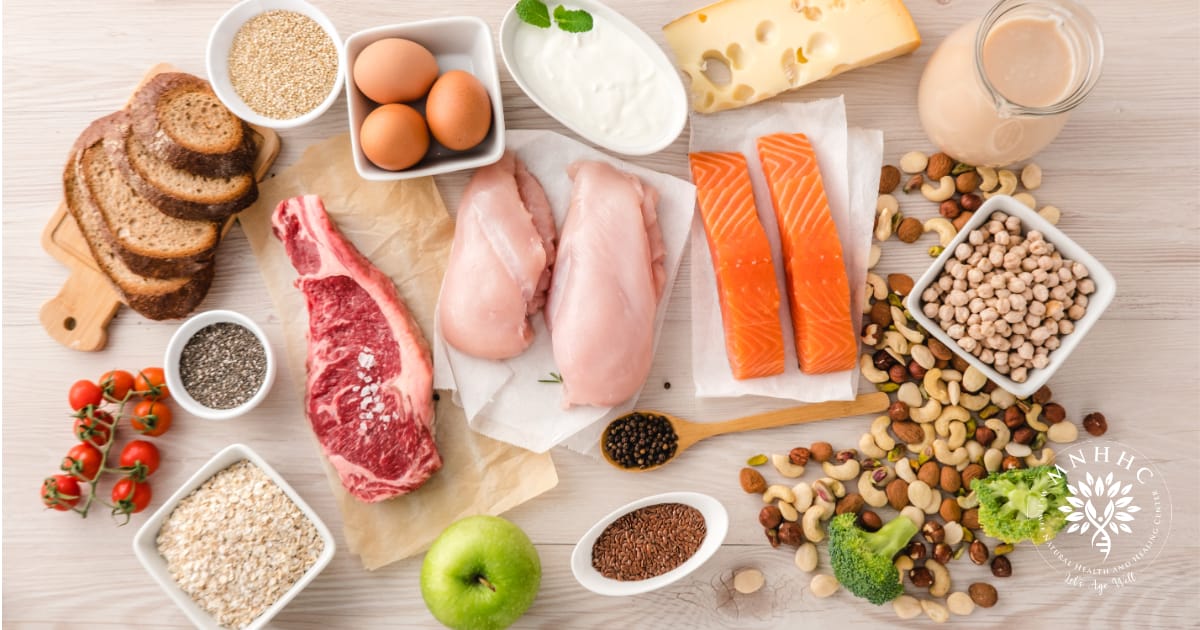
Whether you follow a meat-based, vegetarian, or vegan diet, plenty of options are available to meet your protein needs.
For those who consume animal products, lean meats such as chicken, turkey, and fish are excellent sources of high-quality protein. Lean meats also provide essential nutrients like iron and vitamin B12. Including these lean meats in your diet can help promote muscle growth and repair.
If you follow a vegetarian diet, there are several plant-based protein sources. Legumes, such as lentils, chickpeas, and black beans, are rich in fiber, which aids in digestion and makes you feel full.
Vegans, who avoid all animal products, can also meet their protein needs through plant-based sources. Quinoa, a grain-like seed, is a complete protein containing all essential amino acids. Other vegan protein sources include chia seeds, hemp seeds, and nutritional yeast. These options provide a wide range of essential nutrients while ensuring an adequate protein intake.
High Protein Diets
Today, several popular high-protein diets have gained traction among individuals looking to improve their overall health or achieve specific fitness goals.
One such diet is the ketogenic diet, which focuses on consuming many healthy fats, moderate in protein, and very low in carbohydrates. This approach puts the body into ketosis, burning fat for fuel instead of carbohydrates. Some foods commonly consumed on a ketogenic diet include fatty cuts of meat, fish, avocados, eggs, nuts, and seeds.
Another popular high-protein diet is the paleo diet. The Paleo diet emphasizes foods available to early humans during the Paleolithic era, such as lean meats, seafood, fruits, vegetables, nuts, and seeds. The paleo diet restricts the consumption of grains, legumes, dairy products, and processed foods.
The Atkins diet is another well-known high-protein diet that gained popularity in the early 2000s. It focuses on consuming a low amount of carbohydrates and a high amount of protein. The Atkins diet has different phases, starting with restricting carbohydrates and gradually reintroducing them in controlled amounts. This diet encourages the consumption of protein-rich foods like meat, poultry, fish, eggs, and cheese.
One more high-protein diet worth mentioning is the Dukan diet. This diet consists of four phases, with the first being the most restrictive. It focuses on lean protein sources like poultry, fish, and tofu while gradually introducing vegetables and whole grains in later phases.
Today’s popular high-protein diets provide individuals with different approaches to increasing their protein intake and potentially aid in weight loss, muscle building, or overall health improvement.
High Protein Diet Risks
The risks of high protein intake can be significant, especially if consumed in excess or without considering other dietary factors. While protein is essential for various bodily functions, including muscle repair and hormone production, excessive consumption can lead to several health issues.
- Increased strain on the kidneys. The kidneys are crucial in filtering waste products from the blood, including the byproducts of protein metabolism. Consuming excessive amounts of protein can strain the kidneys, potentially leading to kidney damage or dysfunction over time.
- Increased risk of osteoporosis. High protein intake can cause high calcium excretion through urine. This can lead to a negative calcium balance in the body, potentially increasing the risk of bone loss and osteoporosis, especially in individuals with low calcium intake.
- Decrease in fuel. Fewer carbohydrates and fats can lead to fatigue, decreased athletic performance, and difficulty maintaining a balanced diet.
- Increased risk of cardiovascular diseases. Animal-based protein sources, such as red meat, can increase the intake of saturated fats and cholesterol.
- Increase digestive issues. A diet high in protein but low in fiber from fruits, vegetables, and whole grains can cause bloating, constipation, and diarrhea.
While protein is an essential nutrient, it is crucial to balance the amount of protein consumed with fats and carbohydrates for overall well-being.
Difficulty with Protein Digestion
For various reasons, some people have difficulty digesting protein. One common issue is lactose intolerance, which is the inability to digest lactose, a sugar in milk and dairy products. This condition occurs when the body does not produce enough lactase, the enzyme responsible for breaking down lactose. As a result, consuming proteins from dairy sources can lead to digestive problems such as bloating, gas, and diarrhea.
Another common issue is an autoimmune disorder called celiac disease. People with Celiac disease have an immune reaction to the gluten in wheat, barley, and rye, which can make it difficult to absorb nutrients such as protein. This leads to abdominal pain, diarrhea, and weight loss.
Additionally, some individuals may have an allergic reaction to specific proteins. Food allergies occur when the immune system mistakenly identifies a protein as harmful. For instance, peanut allergies are relatively common and can cause severe reactions when the body comes into contact with proteins found in peanuts. Symptoms can range from mild itching and hives to life-threatening anaphylaxis.
Problems digesting proteins can arise from lactose intolerance, celiac disease, or food allergies. These are only some common reasons why people are unable to digest proteins. Other underlying health issues and digestive disorders can lead to protein intolerance. However, sometimes the problem is quite simple. Many people lack the digestive enzymes needed to digest protein.
Digestive Enzymes
Digestive enzymes are essential proteins that help break down food into smaller molecules to facilitate proper digestion and absorption of nutrients.
Why are we missing digestive enzymes?
When we say “we are missing digestive enzymes,” it means that our body is not producing enough or any of these enzymes, which can lead to various digestive issues and nutrient deficiencies.
There are several reasons why someone may be missing digestive enzymes:
- Food Sensitivities or Intolerances: Certain food sensitivities or intolerances can trigger an immune response that damages the lining of the digestive system. For example, individuals with celiac disease may have reduced production of the enzyme called lactase, which is necessary for digesting lactose.
- Aging: As we age, the production of digestive enzymes naturally decreases. It is one of the reasons why older adults may experience more digestive problems.
- Nutrient-deficient food: In recent years, the food supply has grown increasingly deficient in nutrients essential for digestion. The use of genetically modified organisms (GMOs) strips whole foods of their natural state and robs consumers of crucial nutrition.
- Pancreatic Disorders: The pancreas produces many digestive enzymes; any disorder affecting this organ can lead to enzyme deficiencies. Chronic pancreatitis, pancreatic cancer, or cystic fibrosis can impair the pancreas’ ability to produce sufficient enzymes.
- Medications or Medical Treatments: Some medicines, such as proton pump inhibitors or antibiotics, can disrupt the balance of gut bacteria, which play a vital role in enzyme production. Additionally, specific medical treatments like radiation therapy or surgery involving the digestive system can impact enzyme production.
Identifying the underlying cause of missing digestive enzymes is important to address the issue appropriately. Treatment options may include dietary changes, enzyme replacement therapy, managing underlying conditions, or addressing food sensitivities or intolerances.
Fortunately, there are natural supplements available that can aid in protein digestion and absorption. At McElwee Natural Health and Healing Center, we isolate the root cause of your digestive issues. Taking non-invasive steps can help you enjoy protein again.
We suggest adding probiotics to your diet. These beneficial microorganisms help maintain a healthy gut environment and optimize digestion. Incorporating probiotic-rich foods like yogurt, kefir, and sauerkraut into your diet can promote protein absorption and digestion.
In addition to probiotics, some people have found consuming pineapple or papaya can help improve protein digestion. Pineapples break down complex protein molecules into smaller, more easily digestible fragments, and papaya breaks down proteins into smaller peptides and amino acids.
We offer a range of whole-food supplements to replace missing enzymes and aid protein digestion. Multizyme and D Digest are some popular ones amongst our members. But remember, everyone is different. Call us today for an evaluation so we can identify your root cause and find the right supplement for you.