
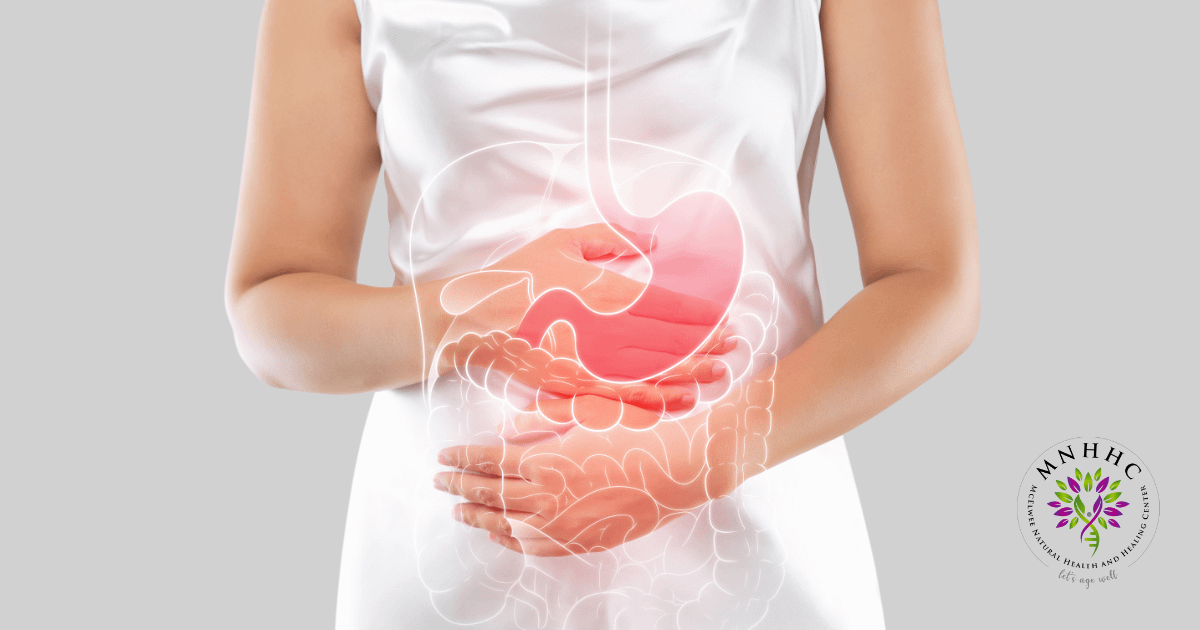
Understanding Common Digestive Health Issues

Our digestive system plays a crucial role in our overall health and well-being, and it is responsible for breaking down food into nutrients and eliminating waste from our bodies. However, when something goes wrong with our digestive system, it can lead to uncomfortable symptoms and health issues. If you’re experiencing digestive health issues, you’re not alone. According to the National Institutes of Health, approximately 60 to 70 million Americans are affected by digestive diseases. Today, we’ll explore some of the most common digestive health issues, their symptoms, and treatment options and how McElwee Natural Health and Healing in Churchville uses Nutrition Response Testing™ to identify the triggers that may be leading to your symptoms.
Acid Reflux (GER & GERD)
Acid reflux occurs when the acid in your stomach flows back up into your esophagus, causing a burning sensation in your chest or throat. It is a common condition, and occasional reflux is normal. The issue arises when you find yourself battling reflux regularly. If that sounds familiar, you may have gastroesophageal reflux disease (GERD).
The symptoms of GERD include heartburn, regurgitation of food, and difficulty swallowing. Treatment options include lifestyle changes such as avoiding trigger foods, losing weight, and quitting smoking. Modern medical professionals prescribe antacids, H2 blockers, and proton pump inhibitors for relief.
Abnormal Bowel Habits
Constipation
Constipation is a common digestive health issue caused by various factors, including a low-fiber diet, dehydration, and certain medications.
The symptoms of constipation include abdominal pain, bloating, and discomfort. You can combat constipation naturally by drinking more water, increasing fiber intake, and exercising regularly can help. Over-the-counter laxatives can also provide relief.
Diarrhea
Diarrhea is a common digestive health issue caused by various factors, including infection, medication, and certain health conditions. Loose, watery stools characterize it and can lead to dehydration if left untreated.
The symptoms of diarrhea include frequent bowel movements, abdominal pain, and cramping. Treatment options include staying hydrated, avoiding trigger foods, and over-the-counter medications such as loperamide.
Gas
Gas is a normal part of the digestive process, but excessive gas can be uncomfortable and embarrassing. It is caused by the breakdown of food in the digestive tract and can be worsened by certain foods and beverages.
The symptoms of gas include bloating, abdominal pain, and flatulence. Treatment options include avoiding trigger foods, exercising regularly, and taking over-the-counter gas relief medication.
Indigestion (Dyspepsia)
Indigestion, or dyspepsia, is a common digestive health issue caused by various factors, including overeating, stress, and certain medications. It presents as discomfort or pain in the upper abdomen.
The symptoms of indigestion include bloating, nausea, and heartburn. Treatment options include lifestyle changes such as eating smaller meals and avoiding trigger foods. Treatment also includes over-the-counter medications such as antacids and proton pump inhibitors.
Lactose Intolerance
Lactose intolerance is a common digestive health issue that occurs when the body cannot digest lactose, a sugar found in milk and dairy products. It is caused by a deficiency in the enzyme lactase, which breaks down lactose.
The symptoms of lactose intolerance include bloating, gas, and diarrhea after consuming milk or dairy products. Treatment options include avoiding lactose-containing foods and beverages and taking lactase supplements.
Peptic Ulcers (Stomach Ulcers)
Peptic ulcers are found on the lining of the stomach or small intestine. The open sores are caused by a range of factors, including infection with the bacteria, Helicobacter pylori, long-term use of nonsteroidal anti-inflammatory drugs (NSAIDs), and stress.
The symptoms of peptic ulcers include abdominal pain, bloating, and nausea. Treatment options include medication to heal the ulcers and reduce acid production, as well as lifestyle changes such as avoiding trigger foods and quitting smoking.
Celiac Disease
Celiac disease is an autoimmune disorder that affects the small intestine. People with celiac disease are unable to process gluten, a protein found in wheat, barley, and rye. The reaction can damage the small intestine’s lining, leading to a range of symptoms.
The symptoms of celiac disease include diarrhea, abdominal pain, bloating, fatigue, and weight loss. Treatment involves following a strict gluten-free diet, which can help alleviate symptoms and prevent complications such as malnutrition and anemia.
Crohn’s Disease
Crohn’s disease affects the digestive tract and occurs when the immune system attacks the digestive system, leading to inflammation and damage.
The symptoms of Crohn’s disease can vary but may include abdominal pain, diarrhea, weight loss, and fatigue. Modern medical professionals typically prescribe medications to reduce inflammation and suppress the immune system, as well as surgery to remove damaged portions of the digestive tract.
Irritable Bowel Syndrome (IBS)
Irritable bowel syndrome (IBS) is a common digestive health issue that affects the large intestine. IBS symptoms can differ for everyone but may include diarrhea, constipation, abdominal pain, bloating, and changes in bowel habits.
Treatment options include lifestyle changes such as managing stress and avoiding trigger foods. Additionally, prescribed medications can also alleviate symptoms.
Ulcerative Colitis
Ulcerative colitis is an inflammatory bowel disease (IBD) affecting the colon and rectum. It is characterized by inflammation and sores in the lining of the colon.
The symptoms of ulcerative colitis can vary but may include abdominal pain, diarrhea, and rectal bleeding. Treatment options include medication to reduce inflammation and suppress the immune system and surgery to remove the colon in severe cases.
Liver Disease
The liver plays a crucial role in the digestive process, producing bile to aid in the digestion of fats. Liver disease can occur when the liver is damaged or inflamed, leading to various symptoms.
The symptoms of liver disease can vary but may include abdominal pain, jaundice, and fatigue. Treatment options depend on the underlying cause of the liver disease and may include lifestyle changes, medication, or surgery.
Our Holistic Approach to Digestive Health
At the McElwee Natural Health and Healing Center, we get to the root cause of your digestive health issues to address what’s really going on with your body. We consider the entirety of you and only you when assessing your symptoms. We understand that your digestive health issues can originate from any number of reasons, including stress, lifestyle choices, environmental factors, your genome, or your physical self.
During the Nutrition Response Testing™ session with Robyn, she works with you to identify triggers that may lead to your symptoms. Together we can design a non-invasive plan geared to your body and environment that may include whole-food nutrition, lifestyle changes, detoxification, and increasing your gut biome to strengthen your digestive system and give you the relief you have been searching for.
Don’t let your digestive health issues disrupt your daily life. If you are in Harford County or the surrounding area, contact us today for a free consultation or a complete evaluation!