
Lymphatic Massage: A Comprehensive Guide

Let’s face it. We know our body better than anyone else, and we know when something “just isn’t right.” Often we head to the doctor only to be told, “You’re healthy. Or “You’re fine.” But we know something is wrong; we just can’t pinpoint it. So we say, “Ok,” pay our copay and head out the door. We have become so accustomed to accepting what the modern medical professional says that we ignore what our bodies are trying to tell us.
I have been telling modern medical professionals that something is wrong for years. There is no way when rolling over in bed, one should feel the fluid drain from one side to the other. That isn’t right. Something is going on there, and it took guidance from Robyn to finally address the issue.
How about you? Have you ever felt bloated or swollen? Do you get frequent infections? Are you tired frequently? When the lymphatic system is not functioning correctly, it can lead to various symptoms. These may include:
- Swelling – When lymphatic vessels or nodes are blocked or damaged, fluid can accumulate in the affected area, leading to swelling or edema. This is most commonly seen in the arms, legs, or feet.
- Frequent infections – The lymphatic system is key in defending the body against infections. When it is not working correctly, a person may be more susceptible to infections such as cellulitis.
- Chronic fatigue – Lymphatic dysfunction can sometimes lead to chronic fatigue syndrome, a condition characterized by extreme tiredness and weakness.
- Joint pain and stiffness – In some cases, lymphatic dysfunction can lead to joint pain and stiffness, similar to the symptoms of arthritis.
- Digestive issues – When it is not working correctly, a person may experience digestive problems such as bloating, constipation, or diarrhea.
- Skin changes – Lymphatic dysfunction can cause changes in the skin, such as thickening or hardening or a reddish or brownish discoloration.
- Difficulty breathing – In rare cases, lymphatic dysfunction can lead to swollen airways, making breathing difficult.
For me, aside from fatigue which we all know could be anything, I didn’t have these symptoms. But, as I said, I could feel the fluid draining every time I rolled over from one side to the other. So my lymphatic system was not behaving as expected.
The Lymphatic System
The lymphatic system is a network of vessels and tissues that work together to remove waste, toxins, and other unwanted bodily substances. This system filters harmful substances and ensures that only healthy fluids and nutrients are circulated throughout the body. However, there are times when the lymphatic system needs a little help to function correctly.
There are many reasons why one’s lymphatic system is not operating as intended. Lymphedema is a condition that occurs when the lymphatic system is unable to properly drain excess fluid from the tissues, resulting in swelling and discomfort. This condition can be caused by a variety of factors, including surgery, radiation therapy, and infection.
In addition to lymphedema, many other conditions can affect the lymphatic system and make it difficult to function properly. These include autoimmune disorders, infections, and certain types of cancer.
Support for the Lymphatic System
To help support the lymphatic system, you can do a few things. One of the most effective ways to promote lymphatic drainage is through exercise. Regular physical activity can stimulate lymphatic fluid flow and encourage the body to remove waste and toxins more efficiently. Also, eating a healthy diet, staying hydrated, and avoiding exposure to environmental toxins and pollutants are great ways to support your lymphatic system.
Additionally, during a session with Robyn, she may suggest supplements to support the lymphatic system by opening up the passageways.
While these are all important, the lymphatic system sometimes needs a little extra manual support to function correctly. This is where lymphatic massage comes in.
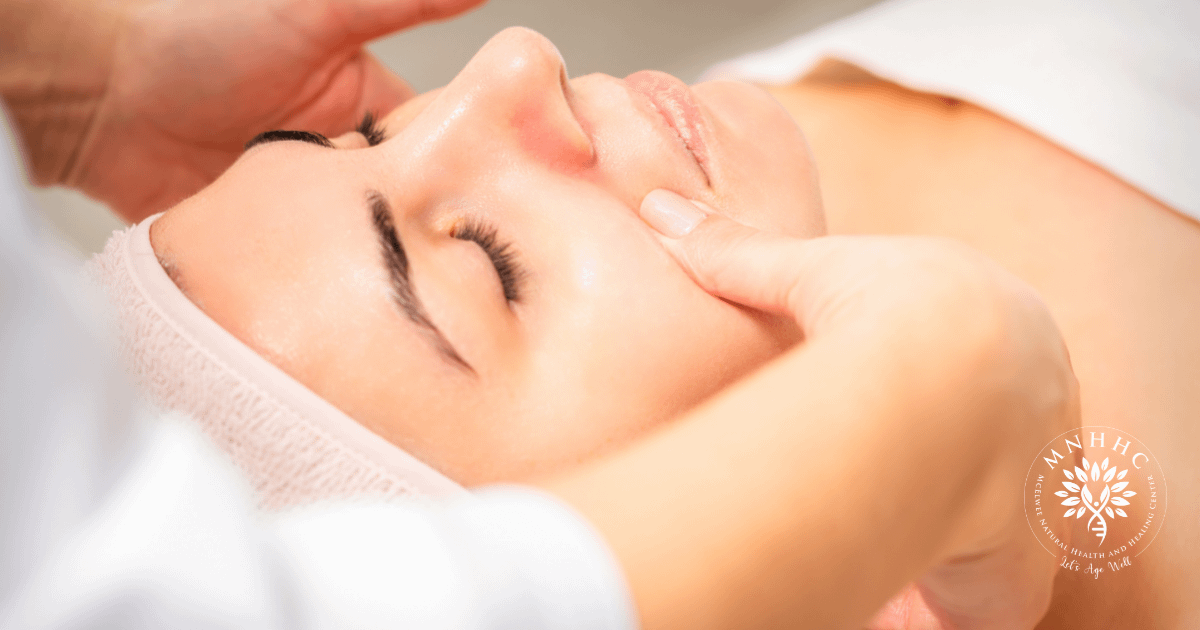
Lymphatic massage, also known as lymphatic drainage
, is a type of massage that targets the lymphatic system. It uses gentle, rhythmic strokes to stimulate lymphatic flow and help the body eliminate toxins and waste.
Benefits of Lymphatic Massage
Lymphatic massage has numerous benefits for both physical and mental health.
Detoxification
If you are on a detoxification journey, lymphatic massage can help the body move toxins out of the body.
Reduce Swelling and Inflammation
If you have a condition that causes swelling, such as lymphedema or post-surgery swelling, lymphatic massage can help reduce the swelling and discomfort.
Boost Immunity
The lymphatic system plays a critical role in the immune system, so by stimulating lymphatic flow, lymphatic massage can help boost your body’s ability to fight off infections and illnesses.
Improve Digestion
When the lymphatic system is sluggish, it can affect digestion and lead to bloating and constipation. Lymphatic massage can help stimulate lymphatic flow in the digestive system, improving digestion and reducing bloating.
Reduce Parasites
In conjunction with a natural parasitic, lymphatic massage can help move parasites out of the body.
Enhance Relaxation
Lymphatic massage is a gentle, soothing massage that can help reduce stress and promote relaxation.
Reduce Cellulite
Some studies have shown that lymphatic massage can help reduce the appearance of cellulite by improving lymphatic flow and reducing fluid retention.
What to Expect During a Lymphatic Massage Session
Licensed Lymphatic Massage Therapist
A lymphatic massage session typically lasts between 60 and 90 minutes. The therapist will use gentle, rhythmic strokes to stimulate lymphatic flow, working in a specific order to ensure that all areas of the body are addressed.
You will likely lie on a massage table with your clothes on during the massage. The therapist may use a light, unscented oil to help the strokes glide smoothly over your skin.
It’s important to note that lymphatic massage is very gentle and should not be painful. If you experience any discomfort during the massage, let your therapist know.
Do Your Own Lymphatic Massage
You can do your own massage if a professional therapist is outside the budget. I chose this route for just that reasons. I wanted to go “full steam ahead” and perform massages daily, so a professional massage therapist wasn’t in my budget. Plus, I didn’t have time to drive back and forth to and from the therapist daily.
Like the professional therapist, an at-home self-lymphatic massage involves gentle, rhythmic movements that help move the lymphatic fluid through the lymph vessels and towards the lymph nodes.
To perform a self-lymphatic massage, start by finding the lymph nodes in the areas of the body you want to target. These nodes are typically located in the neck, armpits, groin, and behind the knees. Use gentle, circular motions to stimulate and move the lymphatic fluid toward the lymph nodes. I chose to perform a lymphatic massage on my entire body as I didn’t have a particular area affected by excessive fluid.
As I did when I wanted to learn more about coffee enemas, I took to YouTube to get a step-by-step process. There I found an excellent instructor, Kelly Reed. Kelly is a certified lymphedema and oncology therapist. Each of her videos is broken down by body part. Since I wanted to do the entire body, I just watched all the videos and then made a little routine for myself. My entire process takes about 15-30 minutes.
Lymphatic Massage Risks
Lymphatic massage is generally safe as it involves light touch and non-invasive techniques. However, if you have any of the following, you should seek advice from a professional before starting your massage:
- Congestive heart failure. If you have congestive heart failure, your heart may already struggle to pump blood effectively. Intense or vigorous massage could potentially strain the heart further or affect the fluid balance in the body.
- Blood clots. If you have a known blood clot or are at an increased risk of developing blood clots, the pressure applied during the massage could potentially dislodge a clot and lead to severe complications.
- Kidney problems. If you have kidney problems, such as impaired kidney function or kidney disease, the increased fluid movement may strain your kidneys.
- Active infections. If you have an active infection, the massage could potentially spread the infection to other areas of the body or exacerbate the existing condition.
Other Considerations for Lymphatic Massage
Drinking plenty of water after a lymphatic massage is essential to help flush out the toxins and waste products that have been released. Additionally, it’s vital to avoid alcohol and caffeine, which can dehydrate the body and make it more difficult for the lymphatic system to function correctly. You can perform your massage at any time of the day. However, the morning is usually best. Finally, light exercise after your massage will help your body remove toxins.
Lymphatic massage is a gentle, soothing massage that can benefit physical and mental health. Whether you’re dealing with swelling or digestion issues or on your detoxification journey, lymphatic massage may be worth exploring. Contact us today to see if a lymphatic massage is right for you!
Elise, who has been a member of McElwee Natural Health and Healing for over a year, originally sought relief from chronic fatigue, brain fog, and hormone imbalance. Since then, Robyn and she have really gotten to the root cause of her health challenges. Elise is a writer who recently found herself with some free time on her hands and could not think of anything she would rather write about than her journey with McElwee Natural Health and Healing.
Brilliant!
So glad you enjoyed the article. Let us know if we can help you with your lymphatic massage. Thank you for your support!
How interesting. I have heard of massage but no lymphatic massage.
I have been using a rebounder thinking it was addressing the lymphatic system. It is good low impact exercise but I wonder if it helps the lymph system.